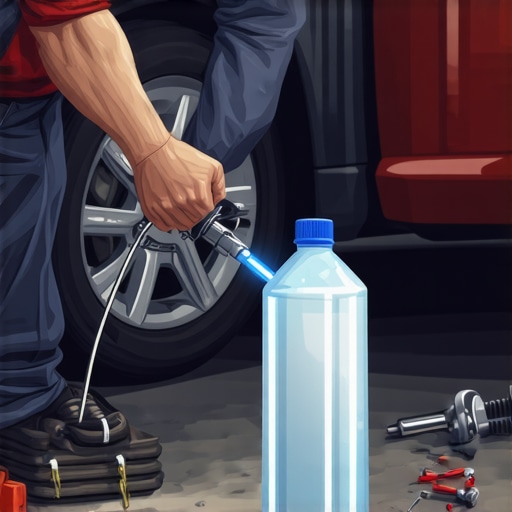
Imagine standing in your garage, ready to tackle a brake job, only to realize you’re out of the right tools or a helper to bleed your brakes. I’ve been there—frustrated, a bit overwhelmed, and wishing I could find a straightforward solution that doesn’t involve rummaging for someone else’s assistance. That lightbulb moment struck when I discovered how to bleed my brakes solo using just a plastic bottle, and let me tell you, it made a world of difference. Today, I want to share this trusted method that’s saved me time, money, and a lot of sweat.
Why Solo Brake Bleeding with a Plastic Bottle Works for Car DIY Enthusiasts
Braking systems are one of those critical safety components that demand proper maintenance. But traditional bleeding methods often require two people—one to press the brake pedal and another to open and close the bleed screw. Not always feasible, especially if you’re working solo or don’t have a buddy handy. That’s precisely why I started experimenting with make-shift solutions, and the plastic bottle method emerged as a real game-changer. It’s inexpensive, simple, and effective—perfect for the home mechanic who prefers to do things independently.
Having tried many approaches, I initially made the mistake of neglecting the importance of keeping the brake fluid reservoir topped off—something I found out the hard way after a frustrating session. This experience taught me the significance of understanding the system thoroughly, and now I always make sure to check out more on [how to avoid common brake bleeding mistakes](https://collisionfixer.com/why-your-brakes-squeal-even-though-the-pads-look-brand-new). By mastering this technique, I reduced the mess, avoided air traps, and boosted my confidence in working on my vehicle.
So, if you’re tired of waiting for a mechanic or wasting cash on dealership visits, this method can empower you to take control of your car’s brake health. It’s not just about saving a few bucks; it’s about knowing you have the skills to keep your vehicle safe without dependency. Let’s walk through how you can set this up yourself with minimal tools and maximum effectiveness.
Is Bleeding Your Brakes with a Plastic Bottle Actually Worth the Hype?
When I first read about this DIY hack, I was skeptical. Could a simple plastic bottle really replace the professional equipment? Turns out, yes. This approach works because it creates a sealed system that can trap air and push fluid through the brake lines without needing a second person. Plus, it’s less messy, more controlled, and fits perfectly into a home garage environment. There are, of course, specific nuances to perfecting this technique, but with the right guidance, it’s a practical skill worth adding to your auto maintenance toolbox.
Prepare Your Equipment and Environment
Gather a clear plastic bottle, ideally 16-20 ounces, and ensure you have enough brake fluid for the refill. Park your vehicle on a level surface, engage the parking brake, and open the hood. Make sure to wear gloves and eye protection since brake fluid is corrosive. Loosen the wheel lug nuts if you plan to access the calipers more easily, and remove the wheel if necessary. Before starting, clean the brake master cylinder cap and refill it to the maximum level, as air can enter the system if it runs dry during bleeding.
Set Up the Plastic Bottle as a Bleeding Tool
Cut the top off the bottle or use a bottle with a small enough opening. Fill it partially with fresh brake fluid, about a quarter full, to prevent air from entering. Attach a length of clear tubing that fits snugly over the bleed screw on the brake caliper or wheel cylinder. Submerge the other end of the tubing into the brake fluid inside the bottle, ensuring an airtight seal. This creates a closed loop that allows you to push air out without letting new air in, mirroring the function of professional equipment.
Position and Seal the System
Position the bottle so that the tubing runs vertically above the caliper, preventing air bubbles from traveling back into the brake line. Secure the bottle in place with clamps or a helper, if available, but since this guide is for solo use, place the bottle on a stable surface nearby. Keep the brake fluid reservoir topped off throughout the process; a low level can cause air to enter the system and force you to start over. During this setup, I once tried to bleed brakes with a partially filled reservoir, which led to air getting trapped—causing a spongy pedal. Learning from that, I now always monitor the fluid levels carefully.
Perform the Bleeding Action
Start with the wheel furthest from the master cylinder, usually the passenger rear. Pump the brake pedal gently several times to build pressure, then hold it down. With one hand, open the bleed screw slightly with a wrench; as you do, watch the tubing for expelled air bubbles and fresh brake fluid. Once fluid flows steadily without bubbles, close the screw tightly and release the brake pedal slowly. Repeat this process—pump, hold, open, close, release—until you no longer see air bubbles in the tubing. During my first attempt, I noticed a lot of foam and inconsistent flow, which prompted me to tighten the system and double-check for leaks or loose connections. Patience during each cycle ensures you don’t push air back into the system.
Monitor and Refill Brake Fluid
As you bleed each wheel, keep an eye on the master cylinder reservoir. Low fluid levels can introduce air back into the system, defeating the purpose. Use fresh brake fluid, and never reuse old fluid which may contain moisture or debris. Once you see clean, bubble-free fluid exiting the tubing, move to the next caliper, repeating the process. When all wheels are bled, top off the reservoir to the specified level. I once skipped this step and ended up with a spongy pedal, so I now always check fluid levels after each wheel. A firm, responsive brake pedal indicates a successful bleed—something I achieved after about an hour of careful work.
Final Checks and Clean-Up
Before finishing, gently press the brake pedal several times to feel for firmness. Inspect for leaks around the bleed screw and the caliper. Replace the wheel and tighten lug nuts securely. Lower the vehicle if it was raised, then test drive gently to confirm brakes feel solid and responsive. Remember, safety first—if the pedal feels spongy or inconsistent, repeat the bleeding process. This method, using a plastic bottle, is a cost-effective and manageable way to bleed your brakes solo, giving you confidence in your DIY skills and keeping your car in top shape without professional assistance.
For other critical maintenance tasks, such as cleaning dirty fuel injectors or preventing transmission issues, check out our detailed guides on fuel injector cleaning techniques and transmission repair tips. Proper maintenance extends beyond brakes and ensures your vehicle operates smoothly and safely in the long run.Many car owners believe that auto repairs, especially complex tasks like transmission work or tune-ups, are straightforward and can be trusted entirely to mechanics without question. However, a common misconception is that all mechanics are equally transparent and knowledgeable. In reality, some technicians may overlook nuanced issues or misdiagnose problems, leading to costly and unnecessary repairs. For example, not recognizing the signs of a failing torque converter can cause premature transmission failure, but some shop technicians might dismiss subtle symptoms, resulting in bigger issues down the line.
Another prevalent myth is that transmissions always need a complete rebuild at the first sign of trouble. This isn’t necessarily true; many transmission issues are repairable with targeted fixes like friction modifiers, which can be a cost-effective alternative if diagnosed correctly. Visiting comprehensive guides, like this article on transmission shudder remedies, can save you from unnecessary overhauls.
One hidden nuance often overlooked is the importance of proper fluid maintenance. Many assume that if the fluid is clean, the transmission and engine are fine. Yet, contaminants and degraded oil films can cause internal damage without obvious leaks or warning lights. Regularly checking and replacing fluids with the right additives, as discussed in this insight on dirty fluids and gearboxes, can extend your vehicle’s lifespan significantly.
Advanced diagnostics also play a crucial role. Modern vehicles rely heavily on sensors and electronic systems. A minor sensor malfunction can mimic more severe issues, leading to costly unnecessary repairs. For example, a faulty sensor in the ABS system might cause stuttering during braking, but the root cause could be a simple wiring problem rather than a failed component. Recognizing these subtle cues, as explained in this article on vacuum leaks and misdiagnoses, can help prevent expensive and misguided repairs.
Finally, there’s a tendency to underestimate the complexity of engine tune-ups. Many think a quick spark plug change suffices, but neglecting other critical components like ignition coils or fuel injectors can lead to poor performance and engine damage. Properly diagnosing and addressing these issues, supported by expert advice in this fuel injector cleaning guide, ensures a thorough maintenance routine.
Have you ever fallen into this trap of oversimplification or overlooked a subtle warning sign? Share your experiences in the comments, so we can learn from each other’s stories. Remember, understanding these hidden nuances helps you make smarter decisions and saves money in the long run.
Build Your Garage Arsenal with Precision Tools
Achieving reliable auto repairs hinges on having the right equipment at your fingertips. I swear by a high-quality combination wrench set from GearWrench because they provide the perfect grip and durability for both routine tasks and tricky bolt removal. An impact driver, like the DEWALT DCF899, is invaluable for loosening stubborn lug nuts or rusted fasteners—saving time and reducing frustration. For fluid management, I use a dedicated brake bleeding kit that includes a one-man funnel, which streamlines the process when you work solo. These tools aren’t just cheap add-ons; they’re the backbone of efficient, safe, and thorough repairs.
Automate and Track with Smart Software Solutions
Manual logging of maintenance can become an awkward chore, especially if you’re juggling multiple projects. That’s why I rely on auto maintenance software like AutoFluent, which helps me keep detailed records of fluid changes, filter replacements, and scheduled tune-ups. This digital approach ensures I don’t miss the critical intervals—think of it as a virtual mechanic that works 24/7. The future is definitely headed toward more integrated, AI-assisted diagnostics, but for now, these systems empower independent enthusiasts to manage their vehicles with professional precision.
Developing a Long-Term Maintenance Mindset
Consistency beats urgency when it comes to vehicle health. I follow a monthly visual inspection routine, checking for leaks, worn belts, or corrosion. For example, regularly inspecting and replacing your fuel injectors when they show signs of clogging can extend engine life significantly—more details on this guide. I also stay ahead of transmission woes by adding friction modifiers like the ones discussed in this article. These small, sustained efforts pay off in fewer breakdowns and smoother driving experiences over years.
How do I maintain optimal auto repair performance over time?
Regularly scheduled fluid changes, such as oil, transmission fluid, and coolant, are fundamental. Using high-quality additives and filters—like those mentioned in this resource—ensures internal components stay properly lubricated and free from debris or buildup. Additionally, stay vigilant with diagnostic checks; even minor issues like a misfiring sensor can escalate if ignored. Recently, I learned from the SAE technical documentation that updating your vehicle’s software can also improve performance and fuel economy, underscoring the importance of staying current. My top tip? Regularly revisit your maintenance plan and incorporate small upgrades, such as a fuel system cleaner or an electronic sensor calibration, to keep everything running smoothly. Try applying these practices for a noticeable boost in reliability and longevity.
Over time, I learned that trusting your instincts and embracing hands-on experiences in auto repair can be transformational. From my initial skepticism about using a plastic bottle for brake bleeding, I discovered underestimated advantages that transformed my approach to vehicle maintenance. This journey taught me that every challenge is an opportunity to learn and adapt—turning DIY obstacles into confidence-building milestones.
One lesson I wish I had grasped earlier is the importance of patience and meticulous preparation. Rushing through brake bleeding can lead to trapped air, which compromises safety. Investing a little extra time in setting up your system correctly—like ensuring airtight seals and monitoring fluid levels—pay dividends in a smooth, effective process. For instance, seamless connections prevent frustration and make the entire operation more efficient, saving you from repeated attempts.
Another insight pertains to the value of a well-stocked toolbox. Having quality, reliable tools—such as a impact driver for stubborn lug nuts or a dedicated brake bleeding kit—makes all the difference. They not only streamline the process but also enhance safety and precision. These tools have become my garage essentials, turning complex procedures into manageable tasks, even when working solo.
Finally, I realized that ongoing learning—like exploring guides on brake squeal causes or preventive maintenance strategies—keeps me ahead of potential issues. Being proactive, rather than reactive, transforms auto repair from a chore into a valuable skill. Every successful brake bleed boosts my confidence and reminds me that with the right mindset and resources, I can tackle most repairs myself.
Gear That Boosts Your DIY Freedom
- Impact Driver: A sturdy impact driver like the DEWALT DCF899 helps loosen stubborn fasteners and saves time. I trust its durability and power—essential when working solo.
- Brake Bleeding Kit: Specialized kits simplify the process, enabling a professional-quality finish without needing an assistant. They make the job safer and cleaner.
- Quality Wrenches and Socket Sets: GearWrench offers exceptional grip and longevity—vital for removing rusted components and ensuring a tight seal.
- Maintenance Software: Tools like AutoFluent help me track my service schedule, ensuring I never miss essential fluid changes or inspections, prolonging vehicle life.
Your Auto Journey Starts Now
Embarking on independent auto repair isn’t just about saving money—it’s about empowering yourself and gaining peace of mind. Armed with the right knowledge and tools, you can confidently maintain and even troubleshoot your vehicle, pushing past initial doubts and hesitations. Remember, every step you take toward mastering these techniques adds a layer of skill and assurance that benefits your driving life long-term. Keep learning, stay curious, and trust in your ability to care for your car just as well as a professional.
How have you overcome initial doubts about DIY car repair? Share your stories below—I’d love to hear about your breakthroughs!
,