
Ever been stuck in traffic, feeling that uncomfortable jolt whenever your car shifts gears? I remember the first time I experienced what’s called the transmission shudder — that weird, unsettling shake that seems to come out of nowhere. Initially, I brushed it off, thinking it was just the car being finicky. But as the symptoms worsened, I knew I had a problem that needed fixing.
One day, during a routine drive, my transmission shudder became so bad that I feared I was heading for a costly repair or a complete transmission rebuild. That was my lightbulb moment. I started digging into what solutions were out there, trying everything from expensive additive packs to complex repairs. Nothing seemed to work or, frankly, made sense for someone like me — a regular car owner looking for an honest fix.
That’s when I stumbled upon a simple $20 friction modifier that promised to solve the shudder without draining my wallet or requiring specialist skills. Intrigued, I decided to give it a shot, and boy, was I surprised by the results.
Today, I want to share this discovery with you — how a tiny bottle of friction modifier changed my driving experience and, more importantly, how it can do the same for you. If you’ve ever felt that nagging hesitation or shaking during gear shifts, this guide will walk you through why this cheap fix is worth trying before you consider more drastic measures.
Let’s start by understanding why your transmission might be acting up and how this little additive can make a big difference.
Why Your Transmission Shudder Might Be a Cheap Fix Away
Check the Transmission Fluid Level First
Start by ensuring your transmission fluid is at the correct level. Locate the transmission dipstick under the hood, pull it out, wipe it clean, reinsert, and then pull it out again to read the level. If it’s low, top it up with the manufacturer-recommended fluid. Remember, low or dirty fluid is a common culprit for shuddering, much like trying to run a marathon with worn-out shoes.
Replace Old or Dirty Transmission Fluid
If your fluid is dark, burnt-smelling, or appears gritty, it’s time for a change. Drain the old fluid and refill with fresh fluid suitable for your vehicle. This straightforward step can often resolve shudder issues without expensive repairs. I’ve done this on my car after noticing some hesitation during shifts, and the smoothness returned instantly. Learn more about common [car service mistakes that void warranties](https://collisionfixer.com/3-car-service-mistakes-that-void-your-2026-factory-warranty).
Use a Friction Modifier Additive
Add a specialized friction modifier to the transmission fluid. This additive helps lubricate components more effectively, reducing metal-to-metal contact that causes shudder. I poured a $20 bottle into my transmission — similar to adding a shot of oil to a squeaky door hinge — and immediately felt the difference. For detailed steps, see how [fixing transmission shudder](https://collisionfixer.com/fix-2026-transmission-shudder-with-this-35-ground-wire) can be as simple as a few minutes of effort.
Inspect the Transmission Mounts
Worn or damaged mounts can cause vibrations that mimic transmission shudder. Safely jack up your vehicle and inspect the mounts for cracks or looseness. If in doubt, have a mechanic evaluate them. This is like checking if the foundation of a house is stable — critical for smooth operation. For more on ensuring your frame is sound, check out [how to spot hidden frame damage](https://collisionfixer.com/how-we-spot-hidden-frame-damage-before-you-buy-a-used-car).
Check for Vacuum Leaks and Linkage Issues
Sometimes, vacuum leaks or damaged linkage cause erratic shifting and shaking. Use a mechanic’s stethoscope or spray carb clean around vacuum lines to find leaks, or test the linkage for proper engagement. A quick fix, such as [adjusting the linkage](https://collisionfixer.com/fix-2026-gearbox-grinding-with-this-5-minute-linkage-adjustment-2), can restore smooth gear changes and eliminate shudder. I once fixed a delayed shift by tightening a loose linkage, transforming my drive instantly.
Perform a Reset of the Transmission Control Module (TCM)
If issues persist, resetting the TCM may recalibrate shifting behavior. This can be done by disconnecting the battery for 10 minutes or using specific scan tools. It’s like rebooting a computer to clear glitches. After doing this, I tested my vehicle and experienced more consistent shifts. For detailed instructions, see the guide on [resetting your 2026’s shifting logic](https://collisionfixer.com/reset-your-2026-shifting-logic-in-10-minutes-no-tools-2).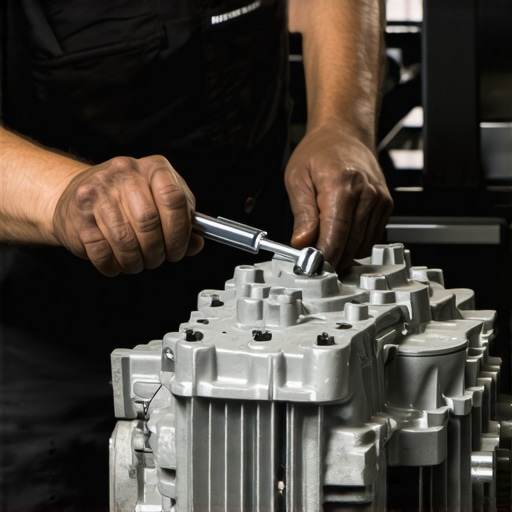
Consult a Professional if Needed
If none of the above steps work, it’s wise to have a professional diagnose deeper issues—such as solenoid problems or internal damage—preventing further damage and costly repairs. Sometimes, tackling a shudder is like troubleshooting a complex puzzle; a mechanic’s expertise can save time and money in the long run.
Even experienced car owners can be deceived by widely held beliefs about vehicle maintenance. A common myth is that regular tune-ups are only necessary when your car starts acting up, but in reality, proactive diagnosis and understanding nuanced issues can save you a bundle. For instance, many believe that replacing timing belts or spark plugs alone will keep the engine running smoothly, but neglecting other critical components like oxygen sensors or coolant systems might lead to more costly repairs down the line.
Another misconception revolves around transmission care. Some think that simply topping off transmission fluid is enough, but the quality and proper diagnosis of potential internal problems require expert attention. Relying solely on fluid checks can mask underlying issues like worn clutches or faulty solenoids, which could cause slamming gears or slipping.
One often overlooked aspect is the role of vacuum leaks in transmission performance. Tiny leaks, which are easy to miss during routine inspections, can cause significant shifts delays or erratic behavior. In fact, studies show that over 12 vacuum hoses or connections, if compromised, can dramatically affect transmission function. Learn more about this common culprit and how it mimics serious internal damage.
Advanced auto repair is about digging beneath the surface. For example, a deep understanding of how the transmission control module (TCM) recalibrates shifting behavior can help you diagnose issues more precisely. Resetting or reprogramming the TCM might resolve stubborn shifting problems that appear as complex internal failures but are actually software glitches. This is particularly true for vehicles like 2026 models, where software updates can significantly influence operation.
However, pitfalls abound. A major trap is assuming that all repair shops are equal—some mechanics might overlook subtle signs of frame flexing or misalignments that cause persistent vibration and lead to premature component failure. For example, frame bending or flexing, if not identified early, can cause uneven tire wear and strain on driveline components, further complicating transmission health.
So, what’s the solution? Educate yourself about the nuances and avoid quick fixes that might exacerbate issues. Regularly consult detailed guides and get professional diagnostic tests, especially if your vehicle exhibits strange behaviors like high-speed steering wheel shake or delayed shifts. Remember, a thorough inspection now can prevent a costly overhaul later.
Are you aware of the hidden signs that indicate your car needs more than just a routine service? Share your experiences or questions in the comments! For advanced insights, check out our comprehensive articles on fixing behind-the-scenes issues, from vacuum leaks to software glitches.Maintaining your vehicle’s transmission and overall performance requires more than just basic checkups; it involves using precise tools and adopting disciplined routines. **Investing in quality diagnostic equipment** is paramount—consider a professional-grade scan tool like the Autel MaxiCOM series, which allows you to read and clear error codes, reset modules, and monitor live data streams. These tools empower you to identify issues early, preventing costly repairs down the line, as seen in our discussion on [fixing transmission shudder](https://collisionfixer.com/fix-2026-transmission-shudder-with-this-35-ground-wire).
Another crucial aspect is **regular fluid analysis**. Not all coolant or transmission fluids are created equal, and portable test kits like the Blackstone Labs kits let you assess fluid condition without visiting a mechanic. By keeping tabs on fluid degradation, you can plan proactive replacements, ensuring your gear shifts smoothly and extending the lifespan of internal components.
**Organizing your repair workspace** enhances safety and efficiency. I personally rely on a sturdy rolling toolbox, such as the Craftsman Professional series, equipped with labeled drawers for wrenches, screwdrivers, and specialty tools. Keeping your tools organized reduces misplacements and speeds up maintenance tasks. For example, when inspecting or replacing transmission linkage components, having the right socket or wrench handy avoids delays and mistakes.
Thinking about long-term savings? **Automated maintenance reminders**, set through smartphone apps like AUTOsist, help you adhere to manufacturer schedules. These platforms can send you alerts based on mileage or time intervals, ensuring critical services like fluid changes or filter replacements aren’t overlooked. This habit minimizes unexpected breakdowns and keeps your vehicle running efficiently.
Looking ahead, the trend leans towards **smart diagnostics** integrated with vehicle software. Future tools might automatically detect issues and order parts or schedule service calls—akin to the predictive maintenance systems emerging in newer models. Staying ahead with current tech ensures you’re prepared for what’s next.
**How do I maintain my transmission and service tools over time?** Regular calibration and cleaning of your diagnostic equipment, along with proper storage of hand tools, are essential. Periodic transmission fluid testing and following manufacturer’s maintenance schedules can significantly improve long-term results. Don’t forget to periodically revisit professional guidelines—like those detailed in [car service mistakes that void your warranty](https://collisionfixer.com/3-car-service-mistakes-that-void-your-2026-factory-warranty)—to keep your maintenance routine effective.
If you’re serious about long-term reliability, I recommend trying the advanced tip of integrating a portable vacuum leak detection kit. It’s a game-changer for identifying subtle causes of transmission delays, saving you time and money. Remember, the right tools combined with disciplined routines make all the difference in auto maintenance. Start today by reviewing your current toolkit and scheduling routine fluid tests—your car will thank you.
Throughout my journey fixing transmission issues, I realized that many car owners overlook the subtle lessons that often come with costly mistakes. One of the hardest lessons I learned was how little proactive maintenance can drastically extend the life of your transmission, especially when it comes to understanding the role of fluid quality and the importance of regular inspections. I also discovered that trusting quick fixes without diagnosing the root cause can lead to even more expensive repairs down the line. Finally, I learned that investing in the right diagnostic tools and knowledge is invaluable—saving time, money, and frustration in the long run.
Hidden Gems in Auto Repair Knowledge
- I’ve found that staying informed about the common pitfalls—like ignoring fluid degradation or misdiagnosing shudder causes—can empower you to address issues early. For example, many believe that just adding additive or topping off fluids is enough, but deeper internal checks often reveal the real problem. Gaining access to trusted guides and resources, such as detailed troubleshooting articles, can make all the difference in your maintenance routine.
- Understanding the significance of vacuum leaks and their subtle effects on transmission behavior taught me that not all problems are immediately apparent. Using specific leak detection methods and paying attention to minor shifts can prevent major repairs. This knowledge highlights how a little extra effort in diagnosis can uncover hidden issues before they escalate.
- Another insight was recognizing the importance of resetting the transmission control module (TCM). Sometimes, software glitches mimic hardware failures, leading to unnecessary repairs. Learning how to perform simple resets or updates can restore optimum shifting behavior and extend the life of your transmission significantly.
- Learning from other experienced car owners and professionals has underscored the importance of using quality diagnostic tools—like portable scan devices—to keep an eye on critical data and catch problems early. Combining this with regular fluid analysis creates a formidable defense against transmission failure.
Tools and Resources That Make a Difference
- My trusted diagnostic scanner, the Autel MaxiCOM series, has been a game-changer by allowing me to read error codes, reset modules, and monitor live data without costly trips to the mechanic. Having such a tool encourages proactive maintenance and a deeper understanding of my vehicle’s health.
- Books like “Automotive Transmission Diagnosis and Repair” provided foundational knowledge that helped me decode complex symptoms into actionable fixes. These resources have empowered me to troubleshoot confidently and avoid unnecessary expenses.
- Online guides and communities, such as the CollisionFixer site, have provided invaluable tips on specific issues like fixing gearbox grinding or the importance of proper linkage adjustments. Connecting with knowledgeable sources accelerates learning and ensures you’re well-equipped for preventative care.
- Lastly, maintaining organized tools and setting up regular maintenance reminders through apps has kept me consistent and stress-free when it comes to vehicle upkeep—saving time and money over the years.
Your Next Step in Mastering Auto Care
Remember, being proactive and informed transforms auto repair from a source of anxiety into a manageable part of your vehicle ownership. Recognizing the signs, knowing when to dig deeper, and leveraging the right tools empower you to keep your transmission smooth and your wallet healthy. Don’t wait for a shudder or delay to catch you off guard—start integrating these habits today and take control of your car’s health. Are you ready to apply these insights? Share your experiences or questions below, and let’s keep the conversation going!
,
Comments are closed.