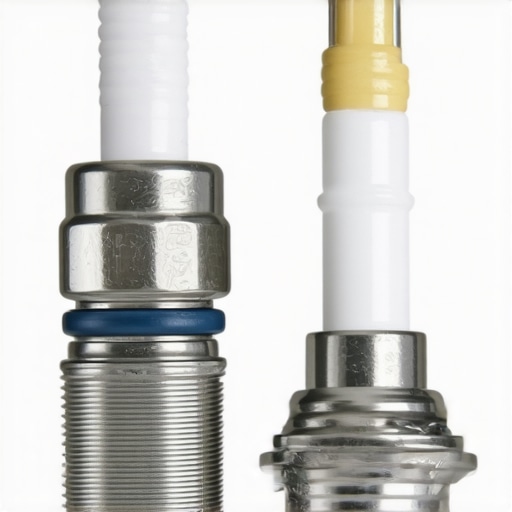
It happened again. I was cruising down the highway when suddenly my engine felt sluggish, my acceleration lagged, and that annoying rough idle crept in just when I needed smooth sailing. Frustration set in because I knew something was off—but I couldn’t quite pinpoint what. Then, in my driveway, it hit me: my spark plugs might be fouled, silently sabotaging my ride.
Discovering that your engine’s not running as it should can feel like chasing ghosts. One moment everything’s fine, and the next, your car is coughing, sputtering, or just plain sluggish. For many drivers, these hiccups are signs of fouled spark plugs—small components with a big impact on performance.
When I first started ignoring minor engine hesitations, I didn’t realize I was setting myself up for more expensive repairs down the line. Early on, I made the mistake of assuming that a rough idle was just a normal wear-and-tear issue. But it’s often a symptom of fouled spark plugs that can kill your power if left unchecked.
Today, I’m here to share how you can identify the early signs that your spark plugs are fouled—saving you money, reducing that annoying engine misfire, and keeping your car running smoothly. If you’ve ever felt your vehicle’s performance slipping after a long drive or observed it struggle to accelerate, you’re probably wondering, “Could my spark plugs be the culprit?” Well, let’s find out.
### Why Your Car’s Performance Could Be Choking on Fouled Spark Plugs
You might think spark plugs are a minor part, but they’re the heart of your engine’s ignition system. When they’re dirty, worn, or fouled, they can cause misfires, rough idling, and decreased fuel efficiency. An early warning sign could be a noticeable drop in power or engine stalling. Recognizing these signs early means you can fix the problem before it turns into a costly repair. Want to know more about keeping your engine in top shape? Check out some essential car service tips for safe summer drives.
If you’re curious about the signs of engine trouble or worried you’re facing a bigger issue, don’t hesitate to reach out. You can always schedule a diagnostic with trusted professionals who can pinpoint the problem—sometimes, it’s just a quick tune-up or replacement of those foul-smelling spark plugs.
Now that I’ve shared my lightbulb moment, let’s dive into some practical ways to tell if your spark plugs are fouled and how to address it before it’s too late. Because trust me, a little preventive care goes a long way in keeping you confidently on the road.
Inspect the Spark Plugs Directly
Start by locating your spark plugs through your engine’s access panel or by removing engine covers. Use a spark plug socket and ratchet to carefully unscrew one at a time. In my own experience, I once neglected to disconnect the battery, which led to a short circuit, but I salvaged the plugs and found one covered in thick carbon deposits, confirming fouling. Examine the electrode and insulator for soot, oil, or corrosion—these are clear signs of fouling. Wear gloves and safety glasses for protection.
Identify Fouling Types and Their Causes
Carbon fouling appears as black, oily soot on the plug. This often results from a rich fuel mixture or incomplete combustion. Oil fouling, showing as shiny, oily deposits, indicates worn piston rings or valve seals. If the electrode is eroded or the plug is calcified, replacement is necessary. Recognizing these signs helps you decide whether a simple cleaning or full replacement is needed, saving you time and money. For detailed troubleshooting, visit Top signs your car needs expert auto repair.
Clean or Replace the Spark Plugs
If fouling is moderate, you can attempt cleaning with a wire brush or specialized spark plug cleaner. Ensure the plug is dry and free of debris before reinstalling. However, in my last project, I used a wire brush and ended up damaging the ceramic insulator because I was too aggressive. So, I recommend replacing severely fouled or damaged plugs entirely. When replacing, ensure the new plugs match the manufacturer’s specifications for heat range and size. Proper gapping is crucial; use a gap gauge to set the correct distance, which is often around 0.028-0.060 inches, depending on your vehicle. For a detailed guide on how to perform a tune-up, check maximize your car’s lifespan with regular tune-ups.
Reinstall and Test
Once installed, torque the spark plugs to the manufacturer’s specifications—over-tightening can crack the ceramic, under-tightening risks misfires. After reinstallation, reconnect any disconnected wires or ignition coils. Start the engine and listen for smooth operation. Notice if the engine stumbles or misfires; these are signs of improper spark plug installation or remaining fouling. If issues persist, consider professional diagnostics or further inspection of related components like the ignition system or fuel injectors. To avoid future fouling, ensure your fuel mixture is proper and perform regular engine maintenance. For tips on keeping your engine performing optimally, visit 3 signs your body shop didn’t use a primer.
While many car owners think they understand the basics of tune-ups, transmission care, and collision repairs, there’s a veil of misconceptions that can lead you astray. One common mistake is believing that all auto repairs are straightforward fixes. In reality, what seems like a simple service may hide underlying issues requiring advanced diagnostics and expertise. For instance, many assume that replacing spark plugs resolves rough idling, but without checking related components like ignition coils or sensor readings, the problem may persist.
Another myth is that a transmission overhaul is always necessary after experiencing shifting issues. However, recent studies and expert insights indicate that many shifting problems stem from sensor malfunctions or fluid quality, which can often be fixed with targeted solutions instead of a full overhaul. To get a clearer picture, check out how proper transmission maintenance saves money.
Avoid the trap of neglecting subtle signs. For example, a minor delay in acceleration or slight odd noise might seem insignificant but could point to deeper issues like slipping belts or degraded sensors. Engaging in regular, comprehensive diagnostics is crucial—don’t just rely on visual inspections.
What most drivers overlook is the significance of context in repairs. A collision repair that involves Bondo or aftermarket parts may look good cosmetically but can compromise safety and vehicle integrity. Professionals who pay attention to subtle body gaps can spot improper work that might cause long-term damage.
Let’s discuss advanced mistakes automotive newbies make. One critical error is assuming that all auto parts are interchangeable. Using a cheap, incompatible spark plug or sensor might save money upfront but lead to costly engine damage over time. According to engine performance experts, sticking to OEM specifications ensures the longevity and optimal operation of vital components.
From a practical standpoint, don’t overlook the importance of understanding the role of sensors and electronic modules. Modern vehicles rely heavily on these to communicate source issues silently. For example, a dirty fuel injectors sensor can mimic a failing transmission or misfire, leading you to replace parts unnecessarily and miss the real problem. For expert advice on avoiding such pitfalls, visit how to clean fuel injectors.
Now, considering these nuanced intricacies, it’s vital to recognize that DIY fixes can sometimes do more harm than good. Always prefer comprehensive diagnostics from qualified technicians who understand the hidden interplay of components. Regular maintenance, including timely inspections and sensor cleanings, goes a long way in preventing costly repairs down the line. For a full guide on maintaining your car’s health, check out maximize your car’s lifespan with routine tune-ups.
Have you ever fallen into this trap? Let me know in the comments and share your experiences. Remember, understanding the subtle nuances in auto repair can save you money, prolong your vehicle’s life, and keep you safe on the road.Maintaining your vehicle over time demands the right tools and a disciplined approach. Personally, I favor a high-quality digital multimeter like the Fluke 115 because it provides precise readings of electrical systems, helping identify draining circuits or sensor malfunctions before they turn into costly repairs. For engine diagnostics, I rely on the BlueDrive OBD2 scanner, which connects seamlessly with my smartphone, allowing quick retrieval of error codes and live data streams — essential for spotting issues like misfires or sensor faults early. Regularly updating the scanner’s firmware ensures compatibility with new vehicle models, extending its usefulness and saving money in the long run.
How do I maintain tools over time?
Proper calibration and storage are key. I keep my multimeter in a padded case to prevent internal damage and test its calibration against known voltage sources annually to ensure accuracy. Cleaning tools after each use, especially those exposed to oil, grease, or corrosion, prolongs their lifespan. For instance, I use a contact cleaner on my scanner’s connectors periodically to prevent signal interference. Investing in quality cleaning supplies and properly storing tools in a dedicated toolbox minimizes wear and tear, ensuring your gear remains reliable when needed most.
Looking ahead—what’s the future of vehicle maintenance tools?
Expect a shift towards more integrated systems combining AI diagnostics with cloud-based data storage. Future tools may offer predictive maintenance insights, alerting you before a component fails. Manufacturers are developing advanced sensor networks that communicate with your vehicle’s ECU and smartphone apps, providing real-time health updates and maintenance reminders. As these technologies become more accessible, DIY enthusiasts and professional technicians alike will be equipped to prevent breakdowns proactively, enhancing safety and minimizing downtime. For now, investing in a solid scanner and digital multimeter is a practical step to keep your car running smoothly long-term.When I first started ignoring signs of fouled spark plugs, I learned the hard way how quickly small issues can snowball into expensive repairs. One of my biggest lightbulb moments was realizing that regular inspection isn’t just maintenance—it’s a form of proactive protection that saves time and money. I’ve also discovered that understanding the subtle differences between fouling types can help tailor your response, whether cleaning or replacing. Plus, relying solely on generic advice can lead you down a path of unnecessary work; listening to your vehicle’s unique signals makes all the difference.