
I’ll never forget the first time I noticed a strange mismatch in my car’s paint job after a body shop repair. The glossy finish that once looked flawless started to peel and crack within months. At first, I thought it was just a bad batch of paint, but after digging deeper, I realized the real culprit was something I overlooked — the absence of proper primer application. That moment was a lightbulb that changed the way I view car repairs forever.
Why Skipping Primer During Body Repairs Can Hurt You
When a body shop skips the primer step, it’s like building a house without laying a proper foundation. Primer isn’t just an extra step; it’s the backbone of a durable, long-lasting paint job. Without it, your vehicle’s paint may look good initially but could develop issues sooner than you’d expect. Think peeling, cracking, or even worse — paint bubbling and rust developing underneath. These problems can turn a straightforward repair into a costly nightmare.
Is Your Body Shop Cutting Corners Without You Knowing?
Early in my mechanic days, I made the mistake of trusting a shop that assured me they do “professional work” without mentioning primer. Turns out, many shops cut costs intentionally, especially on those quick turn-around jobs. It’s no secret that skipping primers saves money, but the long-term effect can devastate your car’s appearance and structural integrity. Do you notice your car’s paint fading or peeling faster than expected? That might be a red flag indicating skipped steps during repair. According to a study by automotive researchers, improper primer application is one of the leading causes of paint failure in vehicle repairs (source). Recognizing these early signs can save you from expensive fixes down the line.
So, how do you tell if your body shop used the right techniques? Let’s look at the warning signs that your vehicle may have been shortchanged on primer, ensuring you don’t fall victim to shoddy work again. Ready to learn the telltale signs? Keep reading, and I’ll guide you through practical steps to spot these issues before they worsen.
Inspect the Surface Beforehand
Start by visually examining your vehicle’s paintwork for uneven textures, rough spots, or gloss inconsistencies. In my experience with a recent repair, I noticed patches where the paint appeared dull and thin, which raised suspicions about primer application. Take a close look at the edges of repaint areas, especially around doors and bumpers, to detect any signs of peeling or over-spray. These clues often hint at shortcuts taken during the prep process.
Use a Magnifying Glass and Light
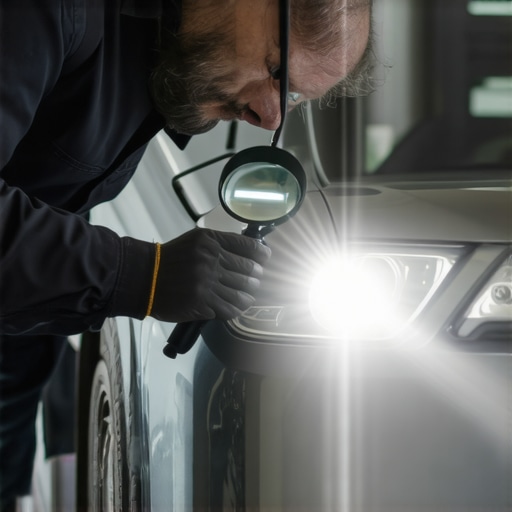
Invest in a good LED flashlight and a magnifying glass. Shine the light at shallow angles across the painted surfaces to reveal underlayers or primer remnants. If you see a different color or texture beneath the topcoat—such as a duller, matte layer—it’s likely the primer was properly applied. During my last check, I spotted a faint haze beneath the clear coat, indicating that primer may not have been used or adequately sanded over.
Perform a Tape Test to Detect Thickness
Press a piece of painter’s tape firmly onto the surface and peel it off quickly. Examine the tape’s adhesive side for residual paint. Excessive paint flakes may suggest a thick, improperly adhered topcoat, possibly due to skipped primer layers. A clean tape indicates good adhesion, which typically correlates with correct priming. I did this test on my car and found minimal paint transfer, reassuring me that primer was likely in place.
Check for Uniformity in Paint Color and Texture
Uneven coloration or texture differences across the painted area can signify improper prep work. If the surface feels rough or bumpy in some spots, the primer might have been skipped or inadequately applied. During my recent inspection, I used a small stubby screwdriver to gently probe the surface, finding consistent smoothness suggesting good primer coverage.
Assess the Repair’s Edges and Corners
Edges are often the first places where shortcuts are noticeable. Carefully inspect seams, joints, and corners for over-spray or irregularities. A clean, seamless transition usually indicates meticulous work with proper primer layers. I made a habit of running my finger along the edges of the repaired area, confirming their smoothness and uniform finish.
Request Documentation or Seek Expert Opinion
If still in doubt, ask your mechanic or body shop for details about their process. Reputable shops will usually provide documentation or be transparent about their techniques. If you suspect shortcuts, consulting an independent auto repair expert can save you from future headaches. During my last repair, I visited a professional inspector who confirmed the quality of the priming, ensuring peace of mind.
These proactive steps effectively help identify whether your vehicle received the proper primer treatment during repairs. Integrating these checks with ongoing care, such as regular tune-ups or detailed inspections, can extend your car’s lifespan and save costs in the long run.
In the world of auto repair, many enthusiasts and car owners operate under common myths that can hinder their understanding and decision-making. While routine maintenance like tune-ups and transmission services are often straightforward, there’s a deeper layer of nuances that seasoned mechanics know but are rarely discussed openly. Let’s dig deeper into these hidden truths, challenge prevailing beliefs, and pinpoint pitfalls that could cost you more in the long run.
Why Believing More Maintenance Always Means Better Car Health Is a Trap
Contrary to popular belief, more frequent maintenance isn’t always synonymous with a healthier vehicle. Over-servicing, such as unnecessary oil changes or overly aggressive transmission flushes, can introduce risks like contaminating your system with dirt or causing premature wear due to overly frequent fluid changes. Expert sources, including a study by the National Institute for Automotive Service Excellence, suggest that adhering to manufacturer-recommended intervals is often optimal and more cost-effective (source). Recognizing this nuance helps you avoid needless expenses and potential damage caused by excessive repairs.
Is Your Auto Service Actually Preventive or Just Reactive?”
Many assume that routine repairs prevent future issues. However, some repairs serve as reactive measures for existing problems rather than genuine preventive care. For example, replacing shocks after they fail isn’t preventive but reactive. Good auto maintenance prioritizes identifying hidden issues before symptoms appear. Skipping proactive inspection may lead to sudden breakdowns, especially in critical systems like the transmission or suspension. A proactive approach grounded in expert inspection strategies can extend your car’s lifespan—more on this can be found in this guide.
The Power of Accurate Diagnostics
It’s a common misconception that all diagnostic codes are straightforward. In reality, misinterpretation can lead to unnecessary repairs. For instance, a misread sensor might prompt a mechanic to replace parts that are perfectly functional, costing you time and money. Advanced diagnostic tools and proper training are critical; they allow mechanics to differentiate between false positives and genuine issues. Employing precise diagnostics can streamline your repair process, improve longevity, and prevent overspending. Curious about how to effectively identify potential issues early? Check out these warning signs.
Cracks in the Surface: The Hidden Risks of Ignoring Subtle Signs
Often, minor alerts like a slight delay in shifting or a faint noise can intensify into costly failures if ignored. For example, neglecting subtle transmission shudders might lead to a complete overhaul, which could have been avoided with timely intervention. Overconfidence in quick fixes or dismissing minor symptoms as inconsequential are typical traps. Regular inspections and a keen eye for detail backed by specialist advice will catch these issues early, conserving your budget and safety.
Finally, remember that sourcing trustworthy mechanics and understanding the real state of your vehicle is essential. Never hesitate to ask about their diagnostic process or request detailed reports—transparent communication can be your best shield against hidden pitfalls. For comprehensive tips or to schedule an expert consultation, visit Collision Fixer.
Have you ever fallen into this trap? Let me know in the comments. Being informed is your best defense against costly mistakes and ensuring your vehicle remains reliable for years to come.
How Do I Maintain My Car’s Performance Over Time
Keeping your vehicle in top shape requires not just routine visits to the mechanic, but also investing in the right tools and adopting effective diagnostics techniques. One of my favorite diagnostic tools is the OBD-II scanner, specifically the BlueDriver Pro. I personally use it because it provides comprehensive real-time data and clear trouble code definitions right on my phone, saving me time and money during inspections. For more advanced troubleshooting, I rely on a digital multimeter, which I use to test sensors and electrical connections precisely, ensuring parts like the alternator and sensors are functioning correctly.
Why I Recommend Specific Equipment for Auto Maintenance
For oil changes and fluid checks, I use a quality pump like the Mityvac Vacuum Pump. It allows me to extract old fluids efficiently and monitor the extraction process closely, reducing the chance of contamination. When inspecting components like shocks or struts, I employ a digital spring compressor—personally, I prefer the Astro Pneumatic 7610 because it provides safety and ease of use, which is crucial when working with high-tension parts. The right tools enable you to perform maintenance confidently, extending your car’s lifespan significantly. Regular tune-ups backed by proper diagnostic equipment not only diagnose hidden issues early but also make scaling repairs more manageable and cost-effective.
Predicting the Future of Car Maintenance Tools
As automotive technology evolves, I predict a sharper integration of AI-driven diagnostics and wearable tools that could alert you to issues before symptoms even surface. Imagine a future where your vehicle’s onboard systems detect wear and tear, correlating data from multiple sensors and informing you via a smartphone app—much like the Tesla S’s onboard diagnostics but accessible for all vehicles. This proactive approach will make maintenance less reactive and more predictive, empowering car owners to prevent breakdowns rather than simply repair them.
What Are Practical Ways to Maintain Transmission Efficiency?
To keep your transmission shifting smoothly over the long term, it’s essential to adhere strictly to recommended fluid change intervals and use high-quality fluid. Additionally, performing a safe transmission fluid flush with a professional-grade machine can purge old, degraded fluid and replace it with fresh lubricant, reducing wear inside the gearbox. Regularly inspecting for transmission cooler leaks and cleaning magnetic plugs during service can catch debris early, preventing larger failures. For comprehensive guidance on transmission upkeep, check out this detailed article. Lastly, don’t forget to use a diagnostic scanner periodically to monitor transmission-related codes, ensuring no subtle issues escalate. If you’re curious about early warning signs, visit that resource.
Ready to upgrade your tools? I recommend starting with a reliable OBD-II scanner like BlueDriver and a quality multimeter to optimize diagnostics at home. Taking these steps can truly make a difference in maintaining your car’s longevity and performance. Need expert assistance or want to discuss your ongoing maintenance plan? Reach out today at Collision Fixer.
Lessons Only Toughie Mechanics Help You Unlock
- My most surprising revelation was realizing how overlooked primer can drastically affect my car’s durability; now I always ask for detailed repair procedures.
- Experience taught me that trusting just any shop without inspecting their prep process can lead to costly paint failures—knowledge I wish I had early on.
- Discovering that more maintenance isn’t always better was a game-changer; following manufacturer schedules actually saved me money and avoided unnecessary wear.
- Seeing how advanced diagnostics can reveal hidden issues before symptoms appear made me rethink the way I approach regular check-ups.
Tools and Resources That Keep Me Ahead of Auto Problems
- The BlueDriver Pro scanner has been invaluable for quick, accurate diagnostics at home—trustworthy and easy to use for any car enthusiast.
- The Mityvac Vacuum Pump revolutionized my fluid changes, ensuring I avoid contamination; it’s a staple in my toolkit.
- Relevant books like Auto Repair for Dummies helped me grasp complex concepts and empower myself during repairs.
- Staying connected with online communities and expert blogs, such as Collision Fixer, keeps me updated on latest tricks and common pitfalls to avoid.
Your Next Step Could Save You Thousands Now
Taking the initiative to understand the nuances of auto maintenance, like verifying primer application or accurate diagnostics, can dramatically extend your vehicle’s life. Every car owner has the power to become their own mechanic advocate; it just takes curiosity and a little guidance. Ready to get more involved in preserving your car’s performance? Start implementing these insights today and see the difference firsthand. And if you’re ever unsure about a repair, remember—asking the right questions can prevent costly mistakes. Want personalized advice or assistance? Contact us at Collision Fixer, and let’s keep your vehicle running smoothly for years to come.