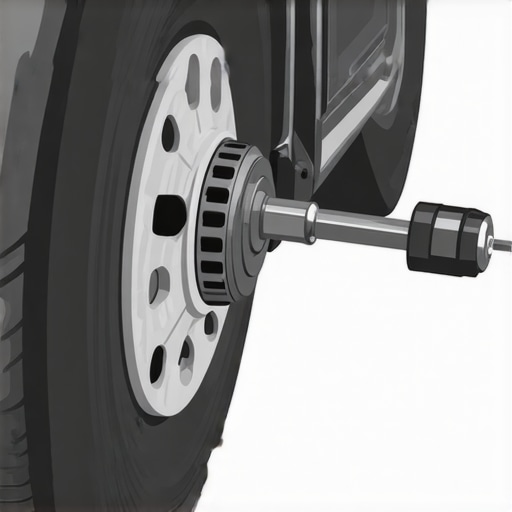
It was late afternoon, and I was inching my car out of the driveway when suddenly, the brake pedal felt like sinking marshmallow — soft, spongy, and unresponsive. My heart sank. I’ve been there, frustrated and worried, wondering if I needed an expensive overhaul or a new set of brakes. That sinking feeling isn’t just annoying; it’s a red flag that something’s wrong. And let me tell you, I learned the hard way that ignoring that soft pedal can be dangerous.
But here’s the thing — after some research and a bit of trial and error, I discovered a surprisingly simple, inexpensive solution that fixed my problem. Yes, just twenty dollars and a little know-how turned that frustrating sponginess into a firm, responsive pedal. Today, I want to share that breakthrough with you, so you don’t have to go through what I did.
The Hidden Cause of Your Soft Brake Pedal and How to Fix It
Many drivers assume a spongy brake pedal means costly repairs or replacing major components. In reality, the culprit often isn’t as intimidating or expensive as you might think. Over time, air can get trapped in the brake lines, or minor leaks can develop, both of which compromise brake performance. The good news? Addressing these issues doesn’t always require a brake shop visit.
Here’s what I found works like a charm — bleeding the brakes yourself using simple tools and a bit of patience. This process allows you to remove air from the lines and restore that firm brake feel. What’s even better? You can do it with just a few bucks worth of supplies, most of which you already have around the house or can pick up at your local auto parts store.
If you’re wondering whether this little fix is worth your time, consider this: a professional brake bleed can cost hundreds, but with my method, you’re looking at just around twenty dollars and some time. Plus, taking matters into your own hands nurtures confidence and saves money in the long run.
Before diving in, it’s essential to understand what causes these issues in the first place and how to avoid common mistakes that can make the problem worse. For example, I once accidentally didn’t tighten the bleeder screw enough and ended up introducing more air into the system — a rookie mistake I don’t want you to make. Trust me, mastering this simple task can make a massive difference in your vehicle’s safety and performance.
So, if you’ve ever experienced a brake pedal that feels like you’re pushing on a soft pillow, or if you’re just tired of the unpredictability of your brake response, keep reading. I’ll walk you through the entire process, step by step, and help you get that pedal back to a firm, dependable feeling. Ready to fix your brake woes for good? Let’s dive into the details and restore confidence in your daily drive.
Gather Your Tools and Prepare
First, assemble what you’ll need: a clear plastic tubing, a wrench compatible with your bleeder screws, a catch jar, and brake fluid. I remember the first time I attempted this in my driveway, spilling a bit of fluid on my driveway—lesson learned to wear gloves and protect the surrounding area. Ensure your vehicle is on a level surface, engaged in park, and the parking brake is set.
Locate the Bleeder Valves
Find the bleed screws on each wheel’s brake caliper or drum. They look like small bolts with a hose attached. Check your vehicle’s manual if you’re unsure. When I did this on my sedan, I realized the rear right wheel had a particularly stubborn screw, so I used a ratchet for better grip. That small step made the process smoother and prevented stripping the screw.
Drain Old Brake Fluid and Attach Tubing
Open the brake reservoir cap to prevent pressure buildup. Attach the clear tubing to the bleeder screw, with the other end submerged in a catch jar filled with some brake fluid or clean rags. During my first try, I initially used a plastic bag over the hose, but it wasn’t tight enough—switching to a proper clamp helped keep the hose secure and air out.
Start Reinserting Fluid and Bleeding Air
Have an assistant press the brake pedal slowly and firmly a few times, then hold it down. While the pedal is pressed, open the bleeder screw slightly; brake fluid and air bubbles will flow into the tubing and catch jar. Close the screw before releasing the pedal. I found that doing this slowly prevented air from re-entering the line. Repeat until you see clear fluid without bubbles.
Remember Not to Let the Reservoir Go Dry
This is critical. As I learned the hard way, if the reservoir runs dry, air sucks back into the lines, negating all your efforts. Keep an eye on the fluid level and top it off as needed, using fresh brake fluid. This process might take 15-30 minutes per wheel, but patience pays off with a pedal that feels firm and responsive.
Test the Pedal and Check for Leaks
After bleeding all wheels, pump the brake pedal a few times to ensure it feels firm. Start the engine and press the pedal again to check for any sponginess. Also, inspect around each bleeder screw for leaks. If you notice any, tighten the screws more carefully. If problems persist, it might be time to consult a mechanic or review your work.
Perform a cautious test drive, gently applying brakes to confirm responsiveness. Regularly bleeding your brakes can prevent hazards and save money, especially if your pedal starts feeling soft unexpectedly. For more crucial maintenance tips, consider visiting this guide on tune-ups.
When it comes to auto repair and maintenance, many drivers rely on popular beliefs that might not always hold true. A widespread misconception is that all repair shops, including CollisionFixer, operate solely on high-pressure sales tactics to maximize profits. In reality, reputable shops often prioritize transparency and quality—it’s worth researching customer reviews and certifications before assuming the worst.
Does Every Car Issue Require a Full Transmission Overhaul
Many believe that transmission problems automatically mean costly overhauls, but this isn’t always the case. Sometimes, minor repairs or fluid changes can resolve slipping or shuddering. According to industry studies, up to 80% of transmission issues can be fixed with targeted interventions, saving you money and time. Avoid jumping straight to costly replacements; consider consulting an expert who can diagnose the precise cause. Additionally, there’s a myth that frequent tune-ups are unnecessary for modern vehicles. In fact, regular maintenance can prevent expensive repairs down the line and extend your car’s lifespan, as explained in this comprehensive guide. One trap to watch out for is assuming that DIY fixes are sufficient for complex issues. While small tasks like brake bleeding are manageable at home, neglecting professional diagnostics for engine or transmission problems can lead to worse damage. Always balance DIY efforts with periodic expert evaluations. Furthermore, many think that car service providers aim to upsell unnecessary services. While this can happen, reputable shops value customer trust and prioritize honest recommendations—review their service history and ask for detailed explanations. A critical nuance is understanding the difference between routine repairs and diagnostics where advanced tools are necessary. For example, issues like engine stumbling or check engine lights often require specialized equipment, accessible at trusted shops. To deepen your knowledge, check out these insights on engine performance. Keep in mind: not all transmission repairs involve complete replacements. Sometimes, simple solutions like fluid flushes or replacing sensors will do the trick, and expert advice can help identify the most cost-effective option. Remember, routine maintenance, honest communication, and understanding your vehicle’s specific needs are key to avoiding common pitfalls. Have you ever fallen into this trap? Let me know in the comments, and stay savvy on your auto care journey.Maintaining your vehicle’s performance over the long term demands more than just periodic oil changes. It requires precision tools, reliable methods, and a proactive mindset. I recommend investing in a high-quality automotive multimeter like the Fluke 115, which I personally use to diagnose electrical anomalies such as voltage drops or faulty sensors—essential skills for any DIY mechanic. Coupled with a halogen headlamp or a hands-free work light, these tools illuminate tight spaces and give you the confidence to troubleshoot effectively.
For more complex issues, digital scan tools such as the BlueDriver Bluetooth Pro are invaluable. They connect seamlessly to your smartphone and provide comprehensive ECU diagnostics, saving time and avoiding unnecessary guesswork. Regular use of these tools helps you catch problems early, reducing the need for costly repairs, as detailed in this guide on maximizing your car’s lifespan.
When it comes to maintenance routines, I’ve found that using high-quality fluids rather than cheap substitutes dramatically extends component life. For example, a good transmission fluid like Castrol Transmax our synthetic blend can prevent sludge buildup and shifting issues, aligning with findings from industry experts. Remember, not every repair or tune-up is DIY-friendly—knowing when to call in a professional is just as vital as performing routine checks.
Looking ahead, the trend in auto maintenance is shifting toward smart diagnostics and predictive analytics. Vehicles equipped with onboard sensors will soon alert owners to impending failures before they manifest, making proactive maintenance accessible to everyone.
How do I maintain my car’s core systems over time? Regularly inspect and service your transmission, as it’s the heart of smooth driving. A transmission fluid change or flush can prevent shuddering or slipping, issues that tend to escalate if ignored. Additionally, replacing worn-out sensors with genuine parts ensures accuracy in engine and transmission management, helping your car operate efficiently for longer. For detailed guidance, I recommend reviewing this article on transmission care.
I also swear by a diagnostic approach that combines visual inspections with sensor readings—think of it as health checkups for your vehicle. Before embarking on any maintenance task, I always review manufacturer specifications and trusted repair literature, such as those from OEM technical manuals. This practice, supported by automotive experts, minimizes guesswork and maximizes the effectiveness of your repairs.
Finally, leveraging advanced tools and disciplined routines can turn car maintenance from a chore into an empowering experience. Try out the diagnostic tip of using your multimeter to check your battery’s health; it’s quick, easy, and can save you from roadside surprises. Want to dive deeper? Explore this resource on vehicle smell issues to understand other clues your car gives you about its health.
Lessons From the Garage That Changed My Approach to Car Maintenance
- One of the quietest signals your vehicle gives you is the softness of your brake pedal. Recognizing this early and knowing how to address it can prevent a dangerous situation. My biggest lightbulb moment was realizing that not every issue requires expensive parts—sometimes, a simple brake bleed does the trick, saving hundreds and boosting confidence.
- Patience and attention to detail are your best friends when tackling brake repairs at home. Rushing or skipping steps, like neglecting the brake fluid level or not tightening bleeder screws properly, can turn a quick fix into a costly nightmare. The key is methodical work, and the reward is a safe, dependable brake pedal.
- Understanding your vehicle’s brake system deeply, rather than just following generic repair advice, empowers you to identify problems early. This approach prevents unnecessary trips to the mechanic and keeps your car running smoothly longer. I’ve learned that a proactive attitude towards maintenance is priceless.
My Toolkit for Smarter Auto Repairs
- Reliable diagnostic tools like the BlueDriver Bluetooth Pro have transformed my maintenance routine. They help identify issues before they escalate, saving time and money. I trust these tools because they offer professional-grade diagnostics accessible to any DIY enthusiast.
- High-quality fluids and genuine parts are investments that pay off in durability and performance. For example, using recommended transmission fluids like Castrol Transmax ensures smooth shifting and prevents premature wear, based on industry insights I’ve come to value.
- Knowledge shared in reputable guides, such as the one on maximizing your car’s lifespan, keeps me informed and prepared. Continued learning here is essential—it’s a resource I recommend wholeheartedly for anyone serious about vehicle longevity.