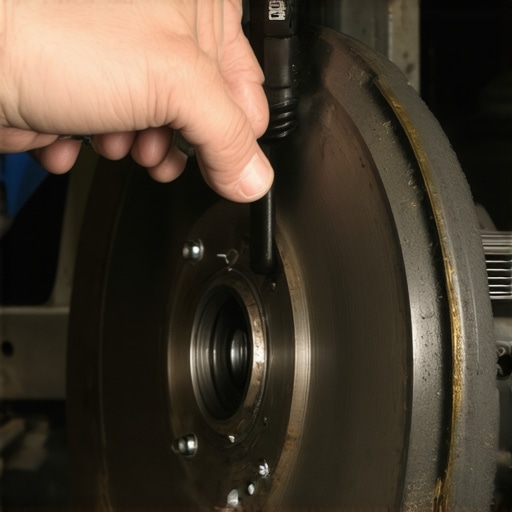
One afternoon, I hit the brakes hard after a quick grocery run, expecting that familiar squeal—it was like nails on a chalkboard. Instead, I was met with silence. Surprise, shock, and a bit of curiosity took over. How could my brakes stop squealing without me shelling out for new pads? That lightbulb moment changed everything for me, saving money and frustration. If you’ve ever endured that high-pitched screech every time you press the brake pedal, you’re not alone. Many drivers think replacing pads is the only fix, but often, a good cleaning or simple adjustment can do the trick. Today, I’m going to share how I finally got my brakes to quiet down without buying new pads, and I’ll show you how you can do it too, even if you’re not a car expert.
Avoid the Costly Mistake of Throwing New Pads at It
Is It Really Worth Fixing, or Should You Just Replace?
Early in my auto repair journey, I once replaced brakes without diagnosing the real issue—thinking squealing was always a sign of worn-out pads. Turns out, I was wasting money on parts that still had plenty of life left. That mistake taught me the importance of proper diagnosis. I found that many cases of brake squeal stem from simple causes like dirt, rust, or uneven surface, which are fixable with a few tricks. According to the experts, most squealing can be eliminated by cleaning the rotor and pads or applying an anti-squeal compound (source: collisionfixer). I’ll guide you step-by-step through the process so you won’t waste your time or money. If you want to ensure your car stays in top shape and avoid needless expenses, understanding the real culprits behind brake noise is crucial. Ready to stop the squeal and save some cash? Let’s dive into how to do it yourself without risking your safety or wallet.
Start with a thorough inspection of your braking system
Before diving into cleaning or adjustments, safely lift your vehicle and remove the wheels to access the brake components. Examine the brake pads, rotors, and calipers for signs of wear, rust, or debris. Remember, a visual check can reveal obstructions or corrosion causing the squeal.
Clean the brake parts meticulously
Use a brake cleaner spray to remove dust, grease, and rust from the rotors and pads. An analogy I like is tidying up a dusty bookshelf; clearing away debris makes the parts fit better and operate smoothly. Be sure to wipe all surfaces thoroughly. Sometimes, old brake dust is like dirt in your shoes—easy to wash away but causes noise when left unattended.
Sand down glazed brake pads and rotors
If the pads and rotors look shiny or glazed, light sanding can restore proper contact. Use fine-grit sandpaper (around 400 grit), and gently scuff the surfaces. Think of it as sanding a wooden surface smooth; it improves friction and reduces squeal. I once used a block of sanding paper on my own car’s rotors and noticed immediate quietness afterward.
Apply anti-squeal compound to contact points
Locate the edges of the brake pads where they contact the caliper piston and backing plate. Spread a thin layer of anti-squeal lubricant or high-temp brake grease there. This acts as a buffer, much like applying a soundproof cushion between two noisy objects. This simple step often makes a notable difference in noise reduction.
Reassemble and test your brakes carefully
Put everything back together, ensuring all bolts are tightened to manufacturer specifications. Before fully driving, pump the brake pedal to seat the pads properly against the rotors. A quick test drive at low speed will confirm if the squeal is gone. I recommend doing a gentle drive in a safe area, listening carefully for any remaining noise.
Extra tip: consider replacing worn hardware
Sometimes, squealing persists because of worn or damaged brake hardware like shims or clips. Replacing these parts can give your brakes a fresh start and prevent future noise issues. Think of it as replacing the squeaky door hinges—the whole door operates more smoothly afterward.
Remember, consistent brake maintenance not only keeps noise at bay but also ensures your safety. Regular check-ups and addressing issues early — like visiting https://collisionfixer.com/essential-car-service-tips-for-safe-summer-drives — extend your vehicle’s lifespan and reliability.
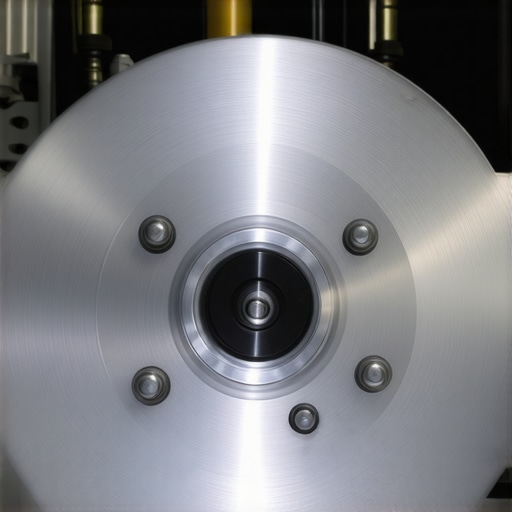 Many car owners operate under misconceptions that can lead to unnecessary repairs or overlook real issues. One prevalent myth is that all brake squeal indicates worn-out pads, prompting premature replacements. In reality, minor brake noise often results from dirt buildup or surface glazing, which can be resolved with proper cleaning and lubrication, saving you significant money. Another misconception is that transmission problems always mean complete overhaul; however, most issues stem from simple triggers like clogged filters or low fluid levels that are fixable with routine maintenance. Experts at collisionfixer highlight that regular service can prevent costly overhauls, emphasizing the importance of understanding the nuances of your vehicle’s needs. Additionally, there’s a tendency to ignore subtle signs of engine misfires or transmission shudders, risking extensive damage. Recognizing these symptoms early allows for targeted repairs, often much cheaper than severe repairs later. Advanced car diagnostics have shown that many advanced faults stem from overlooked minor issues, reinforcing the value of thorough inspections. For instance, a small vacuum leak can mimic major engine problems, leading to unnecessary anxiety or service calls. It’s crucial to differentiate between myths and facts to make informed decisions about your vehicle maintenance. Have you ever fallen into this trap? Let me know in the comments. To improve your car’s longevity and avoid costly surprises, consider comprehensive tune-ups and expert diagnostics. Visit collisionfixer for more tips on maximizing your vehicle’s lifespan and understanding the true causes behind issues like transmission slamming or engine hesitation.
Keep Your Vehicle Running Smoothly with the Right Tools
Maintaining your car over the long haul requires more than just basic knowledge; it demands the right equipment and a strategic approach. One of my favorite tools is a high-quality digital multimeter. I personally rely on the Fluke 115 for its precision and durability, especially when diagnosing electrical issues like faulty sensors or parasitic drains. This device helps me quickly identify voltage inconsistencies, making troubleshooting more efficient and reducing guesswork.
Another essential piece is a professional-grade scan tool, such as the Autel MaxiCOM series. Unlike generic obd2 scanners, this equipment provides in-depth diagnostics, reading manufacturer-specific codes that can pinpoint transmission or engine misfires before they escalate. Investing in a reliable scanner saves money by catching issues early and helps avoid unnecessary repairs.
For those serious about preventive maintenance, I recommend a set of quality torque wrenches like the Tekton 1/2 inch Drive Digital Torque Wrench. Proper torque application is critical when tightening components such as cylinder head bolts or wheel lugs, preventing damage and ensuring safety. I always calibrate my tools annually to maintain accuracy, which is vital for precise repairs.
What strategies can keep your car in top shape without breaking the bank?
Beyond tools, using software tailored for maintenance tracking greatly benefits long-term care. I use apps like MyCarfax, which remind me of routine tune-ups and service intervals. Regularly updating your service schedule can prevent issues like transmission overhauls—more on this at this detailed guide.
Looking ahead, the future of auto maintenance is leaning heavily into diagnostics automation. Machine learning algorithms will interpret sensor data more accurately, predicting failures even before symptoms appear. Staying connected with such advancements can prepare you to tackle repairs proactively rather than reactively.
If you’re serious about keeping your vehicle reliable, start by investing in a quality multimeter and a top-tier scan tool. These devices empower you with knowledge, making DIY repairs more manageable and effective. Don’t forget to frequently visit essential car service tips to stay informed about best practices and emerging tech.
Lessons That Changed My Repair Game
One of the most striking lessons I learned was that not all brake squeals mean immediate pad replacement—sometimes, a simple cleaning or lubrication can restore peace without costly parts. This realization saved me hundreds and taught me to diagnose carefully rather than jump to conclusions.
I also discovered that trusting quick fixes without understanding their origin often leads to repeated issues. Instead, investing time in proper inspection reveals underlying problems, like worn hardware or rust buildup, which, when addressed, prolongs my vehicle’s life and reduces expenses.
Finally, the importance of preventive maintenance became crystal clear. Regular check-ups and keeping my tools sharp and calibrated are my best defenses against unexpected breakdowns or costly overhauls—knowledge I wish I had from the start.
My Toolkit for Auto Revival
After years of trial and error, I rely on a few trusted tools: a high-quality digital multimeter like the Fluke 115 helps me catch electrical glitches early, preventing more serious faults. The Autel MaxiCOM scan tool offers in-depth diagnostic insights, saving me guesswork and unnecessary part swaps. For precise parts installation, a calibrated torque wrench such as the Tekton 1/2 inch Drive is indispensable. For in-depth reading material, I turn to guides and resources like tips on maximizing your car’s lifespan—they keep me informed and proactive about vehicle health. These tools, combined with routine check-ups, empower me to tackle repairs confidently and affordably.
Embrace the Drive Toward Confident Maintenance
Your journey into understanding your vehicle’s needs is more than just fixing squealing brakes—it’s about taking control and avoiding unnecessary expenses. Every successful repair builds your confidence and keeps you safe on the road. Remember, a little knowledge, paired with the right tools, can turn auto repairs from stressful surprises into rewarding DIY projects. Are you ready to trust your instincts and start diagnosing like a pro? Share your experiences with auto fixes or ask for tips below to keep your vehicle running smoothly and safely!