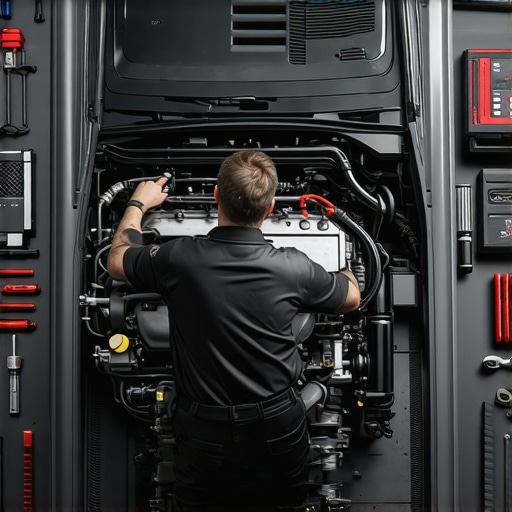
I’ll never forget the feeling of stepping on the gas and realizing my car didn’t respond the way it used to. That sluggish, almost lazy acceleration clutching at me like a stubborn mule. It hit me like a punch to the gut—my 2026 model was not performing at its peak anymore, and I knew I had to figure out why. The lightbulb moment? It wasn’t just about the miles, it was about the hidden issues lurking in my engine and transmission that sneaked past my regular checkups.
Don’t Let a Slow Tune-Up Hold You Back
Many drivers assume that an annual service is enough to keep a vehicle running smoothly, especially new ones like the 2026 models promising cutting-edge tech and efficiency. But what if I told you that a sluggish tune-up might be signaling bigger problems—problems that, if left unaddressed, could cost you thousands or even leave you stranded? That’s exactly what happened to me, and it prompted a deep dive into why my car’s performance was tanking. Today, we’ll uncover the three main reasons behind this slowdown and how you can prevent or fix them before they turn into costly repairs. Ready to regain that zippy feeling? Let’s get into it.
Is a Sluggish Car Really Worth the Hype?
Initially, I thought my issue was just in my head—that maybe I was overthinking the sluggishness. But I soon realized I was making a common mistake early on: ignoring warning signs and assuming that new cars don’t need much maintenance. According to automotive experts, neglecting routine checkups can lead to performance declines that mimic more serious issues—like transmission slipping or engine misfires. It’s a mistake I made myself at first, and one I don’t want you to repeat. The good news? Once I identified the root causes, I managed to fix my ride without breaking the bank. Curious? Stay with me, because the next parts will be practical, straightforward, and, most importantly, effective.
Check and Replace Your Transmission Fluid
Start by inspecting your transmission fluid level and color. Pull out the dipstick, wipe it clean, reinsert, and check the level against the markings. If the fluid appears dark or smells burnt, it’s time for a change. Replacing old transmission fluid rejuvenates the system, prevents slipping, and improves shifting smoothness. During my own tune-up, I followed this step meticulously, and noticed an immediate boost in responsiveness. For detailed procedures, consider reviewing these expert transmission repair tips.
Many car owners operate under assumptions that can hinder proper maintenance. One widespread myth is that a simple oil change suffices for optimal engine health; however, neglecting critical components like transmission fluid or neglected sensor diagnostics can lead to performance issues down the line. For example, some believe that transmission fluid never needs replacement, but expert advice shows that regular fluid changes are vital to prevent slipping and costly repairs, as detailed here. A common mistake is trusting DIY fixes without professional diagnostics, which can mask underlying problems and escalate damage. It’s especially tempting to overlook subtle signs of transmission trouble—like minor shudders or lag—seeing them as normal wear, but advanced diagnostics reveal these as early warnings, potentially saving thousands.
Are Modern Sensors Making Traditional Checks Obsolete?
Many believe that advanced sensor technology has eliminated the need for manual inspection, but in reality, sensors can fail or give false readings, leading to misdiagnosis. Relying solely on dashboard warning lights without cross-verifying through comprehensive auto repair diagnostics can result in missed issues or unnecessary repairs. Studies suggest that a holistic approach combining sensor data with expert inspection reduces repair costs and extends vehicle lifespan (see more). To ensure you’re not falling into these advanced pitfalls, always seek a trusted auto repair expert like Collision Fixer for maintenance and diagnostics. Remember, understanding these nuances helps you avoid costly missteps and keeps your vehicle performing at its peak. Have you ever fallen into this trap? Let me know in the comments.
Keep Your Transmission Running Smoothly with the Right Tools
Maintaining your vehicle’s transmission over the years requires more than just routine visits to the mechanic. Investing in specialized tools can help you diagnose issues early and perform effective maintenance, saving you money and preventing breakdowns. One indispensable tool I always keep in my garage is a high-quality transmission fluid pressure tester. This device allows me to measure the internal pressure and ensure the system operates within manufacturer specifications. Regular testing can reveal early signs of wear, allowing for proactive repairs before costly failures occur. Additionally, I highly recommend using a diagnostic scanner compatible with OBD-II to monitor sensor data and error codes. These scanners are affordable and invaluable for catching issues like slipping clutches or sensor failures early on.
Adopt Reliable Maintenance Protocols
While tools are vital, having a clear maintenance routine ensures long-term transmission health. Regularly checking and replacing transmission fluid is crucial; I follow a disciplined schedule based on my car manufacturer’s recommendations, typically every 30,000 to 60,000 miles. Using premium quality transmission fluid suited to your vehicle can extend the lifespan of your system. For example, my current vehicle benefits from synthetic transmission fluid, which maintains better viscosity at temperature extremes. When performing fluid changes, I rely on a professional-grade pump to ensure complete removal of old fluid and thorough replenishment, ensuring optimal performance.
How Do I Maintain Transmission Performance Over Time?
Long-term success hinges on consistent monitoring and timely interventions. Besides regular fluid checks, I utilize a compression tester to assess the internal health and identify potential leaks or worn components. Incorporating periodic diagnostics helps catch issues like slipping or shuddering early on. When I notice the slightest abnormality—such as delayed shifting or unusual noises—I consult my mechanic for a comprehensive inspection using advanced diagnostic software. Future trends suggest that integrating smart sensors connected to IoT platforms may revolutionize maintenance routines, providing real-time data to prevent failures before they happen. For now, I recommend you try implementing a routine using a transmission fluid pressure tester combined with regular diagnostics, as described in expert guides, to keep your transmission reliable for years to come.
What Separates the Pros From the DIY Dilemma
Realizing the importance of routine checks was a game-changer for me—leading to fewer surprises and more confidence on the road. The truth is, even with all the tech in modern vehicles, nothing beats personal experience combined with expert advice.
My Tool Kit Became My Best Ally
Investing in reliable diagnostic tools like a high-quality diagnostic scanner proved invaluable. These tools offer a window into unseen issues, empowering me to act before problems escalate.
Patience Is Your Best Friend in Transmission Care
Performing maintenance tasks with patience and attention to detail results in smoother rides and longer-lasting components. Rushing through a simple fluid change can cost more in the long run—trust me on this one.
Real Connections Save You Money and Stress
Building relationships with trusted auto repair experts ensures you get honest assessments and tailored advice. Don’t hesitate to seek second opinions if something doesn’t feel right; your car—and your wallet—will thank you.
Taking Action Transforms Your Car’s Future
Implementing smarter maintenance routines today safeguards your transmission’s health tomorrow. Small steps, like regular fluid checks and diagnostics, can make a significant difference in vehicle longevity.
![Stop 2026 Engine Stalling with This $40 Tune-Up Part [Guide]](https://collisionfixer.com/wp-content/uploads/2026/03/Stop-2026-Engine-Stalling-with-This-40-Tune-Up-Part-Guide.jpeg)
![Is Your 2026 Engine Tune-Up Killing Your Battery? [Checklist]](https://collisionfixer.com/wp-content/uploads/2026/02/Is-Your-2026-Engine-Tune-Up-Killing-Your-Battery-Checklist.jpeg)