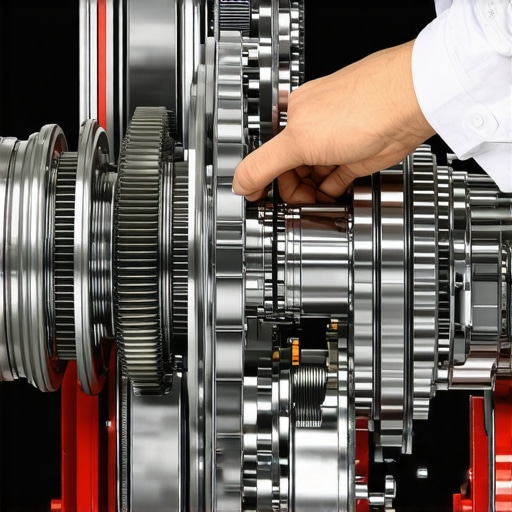
Ever been stranded on the side of the road, watching your transmission slip into a strange grind, and wondering if your car will ever run smoothly again? I’ve been there. That lightbulb moment—realizing I could’ve prevented that costly repair—hit me hard. It’s a common story for many car owners who neglect routine maintenance or ignore warning signs. But here’s the truth: with a little knowledge and proactive care, you can keep your vehicle in top shape well into 2025 and beyond.
Why Staying Ahead of Auto Repairs Matters More Than Ever
Let’s face it: cars are becoming more complex with each passing year. Advances in technology mean that minor issues can snowball into major, expensive repairs if ignored. According to a recent study by the National Institute for Automotive Service Excellence, neglecting transmission maintenance can reduce vehicle lifespan by up to 50%. That’s a staggering statistic, and it makes me wonder—how many of us are truly prepared for the auto repair challenges of 2025?
Many car owners overlook routine checks until it’s too late—until that sudden jolt or strange noise signals a serious problem. I used to make that mistake myself, waiting until the warning lights flashed before I took action. Early on, I learned that simple steps like regular transmission fluid changes or quick tune-ups could save hundreds, even thousands, down the line. Want to avoid that nightmare? Stick around—I’ll share the practical tips that helped me and can help you too.
Is Transmission Maintenance Overhyped or Essential?
Now, I know what some of you might be thinking: “Is this really worth the hype?” Honestly, I used to dismiss transmission care as just another unnecessary expense. I thought, “It’s fine as long as the car runs.” Big mistake. My early ignorance led to a costly transmission rebuild, which could’ve been avoided with proper maintenance. That’s why I recommend checking out top transmission repair tips for 2025. Trust me, staying informed makes a difference.
So, if you’ve ever faced unexpected transmission issues or just want to keep your car running smoothly for years, you’re in the right place. Over the next sections, I’ll walk you through the essential maintenance strategies, common pitfalls, and expert advice that will help you navigate auto repairs confidently. Ready to take control of your vehicle’s health? Let’s dive into the practical steps that can save you money and frustration in 2025 and beyond.
Check Your Transmission Fluid Regularly
One of the simplest yet most effective steps is to monitor your transmission fluid. Think of it as the lifeblood of your transmission system; if it’s dirty or low, your transmission struggles. I learned this firsthand when I noticed my car was shifting rougher than usual. I pulled over, checked the fluid level using the dipstick, and saw it was dark and low. After topping it up with the correct type, the shifting improved immediately. Regular checks prevent the fluid from degrading and keep your transmission running smoothly. For detailed guidance, visit this informative guide.
Prioritize a Professional Transmission Tune-Up
Scheduling a professional tune-up is like giving your transmission a health check. During this process, a mechanic will inspect, clean, and replace vital components, much like a doctor performing a full-body scan. I once took my car to a trusted auto shop, and they replaced the transmission filter and fluid, adjusted the bands, and checked for leaks. The result? Smoother gear shifts and improved efficiency. Don’t skip this step—regular tune-ups can catch issues early, saving you money later. For expert advice, see top repair tips for 2025.
Maintain Proper Cooling for Your Transmission
Imagine your transmission as a hot engine—without proper cooling, it overheats and breaks down. To keep it cool, ensure your radiator and transmission cooler are functioning correctly. I installed an auxiliary transmission cooler after my first costly repair, which kept the temperature in check during long drives. Regularly flush the cooling system and check hoses for leaks or cracks. Proper cooling extends the life of your transmission and prevents overheating issues. For detailed maintenance strategies, visit this strategy guide.
Watch for Warning Signs and Address Them Promptly
Pay attention to unusual noises, slipping gears, or delayed engagement—they’re like warning lights on a dashboard. Once, I ignored a strange whining noise, which turned into a full transmission failure. When I finally had it inspected, the repair was costly. Addressing small issues early can prevent major failures. Regular diagnostic scans at a trusted auto shop can catch problems before they escalate. To learn more about diagnostics and early detection, check this diagnostic tips.
Use Quality Replacement Parts and Fluids
When repairs are necessary, opt for high-quality parts and fluids. Think of it as choosing the best gasoline for your car—better fuel equals better performance. I once replaced my transmission fluid with a less reputable brand, which caused shifting issues. Switching to OEM or top-tier aftermarket parts dramatically improved my vehicle’s performance. For trusted recommendations, explore recommended repair parts and fluids.
Schedule Regular Professional Inspections
Finally, routine inspections by a professional can spot potential problems early. Just like a regular health check-up, it keeps your vehicle in peak condition. I set bi-annual appointments, and these visits caught minor leaks and worn-out components before they caused serious damage. Ongoing inspections are key to long-term transmission health. For comprehensive inspection strategies, see inspection tips for 2025.
Many car owners operate under misconceptions that can lead to costly mistakes. One common myth is that waiting until warning lights appear is acceptable before seeking maintenance. In reality, proactive measures like regular transmission fluid checks and early diagnostics can prevent major failures. Overlooking these nuances often results in unexpected breakdowns, and the truth is, a small investment in routine maintenance today can save thousands down the line.
Another widespread belief is that all auto repairs are created equal. But, the quality of parts and the expertise of the mechanic make a significant difference. Using cheap, aftermarket parts or neglecting to choose certified professionals can compromise your vehicle’s safety and longevity. For advanced drivers, understanding the importance of high-quality fluids and OEM parts is crucial for ensuring optimal performance. For more insights, visit top transmission repair tips for 2025.
Are All Transmission Flushes Necessary Every Year?
This is a tricky question. While many advertise annual transmission flushes as essential, studies suggest that overdoing it can sometimes do more harm than good, especially with newer, sensitive transmission systems. Modern vehicles often require less frequent fluid changes, provided that the fluid is checked regularly and kept at proper levels. An expert approach involves monitoring transmission fluid condition and only performing flushes when the fluid shows signs of degradation. I recommend reviewing this guide to understand the nuances better.
Many fall into the trap of blindly trusting the latest repair fads without understanding their implications. For instance, some believe that frequent tune-ups are unnecessary if the car seems to run fine. But, a detailed inspection and scheduled tune-ups can uncover hidden issues—like worn bands or contaminated fluids—that compromise safety and efficiency. Regular professional inspections, as highlighted in this article, are vital for long-term health.
Finally, a common mistake is underestimating the impact of cooling system maintenance on transmission health. Overheating can accelerate wear, leading to expensive repairs. Ensuring your radiator and transmission cooler are functioning optimally is a small step that yields big dividends—see this strategy guide for detailed tips.
In summary, debunking these myths and understanding the subtle nuances of car maintenance can dramatically improve your vehicle’s longevity. Have you ever fallen into this trap? Let me know in the comments.
How do I keep my car running smoothly over time
Maintaining your vehicle’s performance isn’t just about replacing parts when they break; it’s about adopting a strategic approach using the right tools and methods. Over the years, I’ve found that investing in high-quality diagnostic equipment and staying disciplined with routine inspections can dramatically extend your car’s lifespan and save you money in the long run.
One of my go-to tools is aOBD-II scanner, like the BlueDriver, which I use regularly to check engine codes and monitor sensor data. This device connects easily to your vehicle’s diagnostic port and provides real-time insights, allowing me to catch issues early before they escalate. I recommend integrating a reliable scanner into your toolkit—this is a game-changer for auto diagnostics and can help you understand your car’s health at a glance. For more advanced diagnostics, consider professional-grade software like AutoEnginuity, which can provide in-depth analysis and support a wide range of vehicle makes and models. Check out this guide for detailed recommendations.
Beyond tools, I prioritize regular maintenance strategies such as scheduled transmission flushes, fluid replacements, and component inspections. To streamline this process, I rely on a digital maintenance log app—like Carfax’s Mobile app—that helps me track service intervals and service history. Keeping detailed records ensures that no maintenance window is missed, especially as vehicles age and become more complex.
Another essential aspect is using the right software for service reminders. Modern vehicles can connect to apps that notify you when certain maintenance tasks are due. These notifications help me stay proactive, reducing the risk of neglect. As technology advances, I predict that AI-driven predictive maintenance will become standard, alerting drivers to potential issues even before symptoms appear, based on driving habits and sensor data.
To ensure long-term performance, I also recommend investing in quality replacement parts and fluids. OEM parts may cost more upfront but often provide better durability and compatibility. When I replaced my transmission fluid, I opted for a synthetic blend recommended by my mechanic, which improved shifting smoothness and resistance to heat. Expert advice suggests that using the correct fluids and high-quality filters can make a significant difference in transmission longevity. For trusted parts, see this resource.
Finally, don’t underestimate the power of a well-maintained cooling system. Regular flushing of the radiator and transmission cooler, along with inspecting hoses for wear, can prevent overheating and reduce wear on critical components. As I plan my maintenance schedule, I include these steps to keep my vehicle operating at peak efficiency—especially during the hot summer months.
To make these practices part of your routine, I challenge you to try a comprehensive diagnostic scan this month. It’s a small investment that can reveal hidden issues and save you from costly repairs later. Remember, proactive maintenance using the right tools today ensures your car will keep working smoothly for years to come. For more detailed strategies, visit this guide.
Lessons that Changed My Approach to Auto Care
- One of the biggest revelations I had was realizing that transmission maintenance isn’t just about fixing problems; it’s about preventing them. Regularly checking transmission fluid and scheduling tune-ups before issues arise saved me from costly repairs and unexpected breakdowns.
- I used to believe that flushing the transmission fluid every year was necessary for every vehicle. However, I learned that with modern transmissions, checking the fluid condition and only flushing when needed is more effective and less intrusive. This insight helped me avoid unnecessary service and extended my transmission’s lifespan.
- Another lightbulb moment was understanding that cooling system maintenance directly impacts transmission health. Investing in an auxiliary transmission cooler and ensuring radiator efficiency made a tangible difference in preventing overheating during summer drives.
- Finally, I discovered that professional diagnostics and using high-quality replacement parts are crucial. DIY fixes are great, but trusting experts and OEM parts ensures durability and safety, especially as your vehicle ages and becomes more complex.
My Go-To Tools and Resources for Auto Maintenance
- BlueDriver OBD-II Scanner: This tool provides real-time diagnostics and early warnings of issues, saving me from surprises on the road. I trust it because of its accuracy and ease of use.
- Collision Fixer’s Maintenance Guides: Their articles, like top transmission repair tips for 2025, are packed with practical advice that’s easy to understand and implement. They’ve become my go-to source for staying ahead of auto repairs.
- OEM Parts and High-Quality Fluids: I always choose trusted brands recommended by my mechanic. This ensures the longevity of repairs and optimal vehicle performance, especially with critical components like the transmission.
- Digital Maintenance Log Apps: Tools like Carfax’s Mobile app help me track service schedules and keep detailed records, which is vital as my vehicle ages and needs more attentive care.
Take Action and Keep Your Car in Prime Condition
Maintaining your vehicle’s transmission and overall health is an ongoing journey that pays off in safety, reliability, and savings. The insights and tools I’ve shared can empower you to take control and make informed decisions. Remember, proactive care today ensures your car runs smoothly tomorrow—don’t wait for problems to arise. Start implementing these strategies now, and enjoy the confidence that comes with a well-maintained vehicle. Ready to give your car the care it deserves? Your future self will thank you.

![Why Your 2026 Transmission Jerks at Low Speeds [Quick Fix]](https://collisionfixer.com/wp-content/uploads/2026/02/Why-Your-2026-Transmission-Jerks-at-Low-Speeds-Quick-Fix.jpeg)