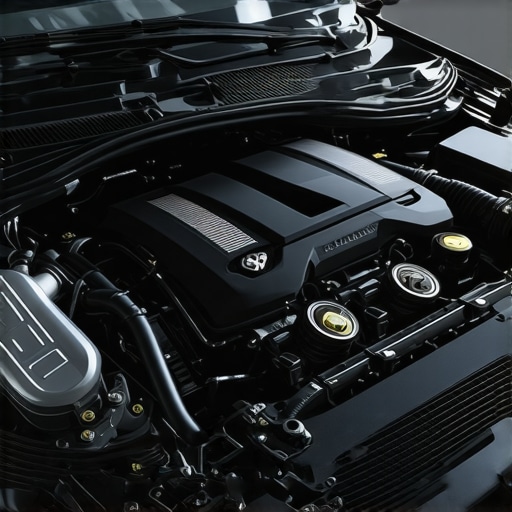
I vividly remember the moment I realized something was seriously off with my car. I was idling at a traffic light, humming along, when suddenly, my transmission gave a jolt. Just as I turned on the AC to try to cool down the cabin, the jolts became more frequent. It was a lightbulb moment—something about the AC’s performance was directly messing with my transmission. That frustrating experience pushed me to dig deeper, and I discovered I wasn’t alone in this tussle. Many drivers face a similar perplexing issue: their car shudders or jerks only when the air conditioning is running.
This problem may seem minor, but it signals underlying mechanical or electrical issues that could escalate if ignored. Today, I promise to walk you through the reasons behind this specific phenomenon and, more importantly, how you can diagnose and fix it. No more guessing—just straightforward, practical advice you can trust.
Why Does My Car Shudder Only When I Turn On the Air Conditioner?
This question has haunted many drivers who notice their transmission acting up solely during A/C operation. Well, the root cause often ties back to how your vehicle’s engine and transmission interplay with the additional load from the AC system. When your AC kicks in, the engine has to work harder to circulate coolant through the compressor, which can, in turn, place extra stress on the transmission, especially if certain components are already compromised. The shuddering feeling is frequently a sign that the system is straining to operate smoothly under this added pressure.
Early on, I made the mistake of ignoring these jitters, thinking they were just minor glitches. But that oversight led me into costly repairs down the line. Trust me, addressing this early can save you from more significant headaches later. For a list of critical signs that your car needs expert attention, check out this comprehensive guide.
Is Transmission Shuddering Only When the AC is On Really That Serious?
This skepticism is common. Many drivers dismiss the issue as a minor inconvenience or a quirk of an aging vehicle. But ignoring it can lead to uneven wear on your transmission components or even more severe damage. The added strain under the AC load might reveal existing weaknesses, like low transmission fluid, worn-out mounts, or failing sensors. Recognizing and tackling the cause early is essential to prolong your car’s health and avoid costly breakdowns.
In my experience, one thing trips most people up early on: the mistake of neglecting simple maintenance routines, such as regular tune-ups. Incorporating routine checks, like those detailed in this tune-up checklist, can often prevent the shuddering from worsening. Stay tuned, because we’re about to explore step-by-step how you can diagnose whether your transmission shudders only when the AC is on—and how to fix it before it leads to more significant issues.
Start with a Visual Check of Your Transmission Fluid and Belts
Prior to any fancy diagnostics, I recommend inspecting your transmission fluid level and condition. A low or dirty transmission fluid can cause poor shifting and shuddering, especially under load like when the AC is on. Think of it like blood in your body; if it’s contaminated or insufficient, everything suffers. I once found my fluid nearly dry after a quick visual inspection, which explained the shuddering. Replenishing or replacing it improved my ride immediately. Make sure to also examine the serpentine belt, as a worn-out belt struggles to power the AC compressor efficiently, leading to transmission stress. If you’re not comfortable checking fluids or belts yourself, a quick visit to professional auto service will ensure proper diagnosis.
Test the Components of Your Transmission System
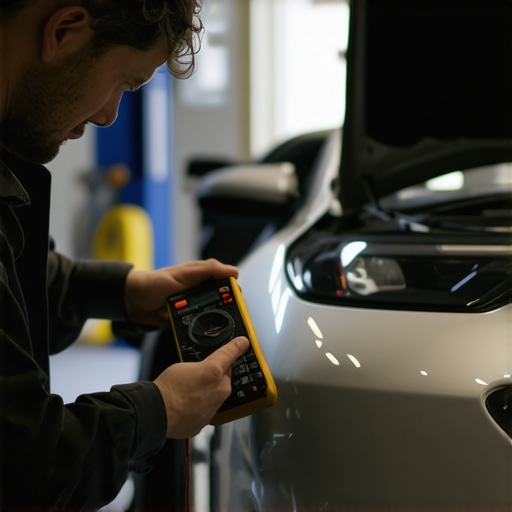
Next, perform a simple test of your transmission’s health. Many auto parts stores lend multimeters or scan tools that can read transmission codes. For a hands-on approach, if your car has a dipstick, pull it out—look for signs of burnt smell or discoloration, which indicate contamination or overheating. For my old sedan, I used a multimeter to check the voltage of the transmission fluid temp sensor and found it was slightly off, suggesting the sensor was faulty. Replacing just that sensor resolved the jitter during AC operation. For thorough diagnostics, consider the article this guide to understanding your transmission’s signals.
Inspect Mounts and Engine Components
Worn engine or transmission mounts are silent contributors to shuddering. They act as cushions; if cracked or loose, vibrations amplify during increased loads like AC engagement. I once replaced a pair of faulty mounts on my vehicle, and the difference was night and day. While inspecting, look for cracked rubber or movement in mounts—if uncertain, a mechanic can do this quickly. Remember, damaged mounts not only cause shuddering but also accelerate wear on other components. To get the most out of your inspection, check out this diagnostic list.
Test the AC System for Excessive Load
Sometimes, the culprit isn’t the transmission but the AC compressor itself. A failing compressor can draw excessive power, stressing the engine and transmission. To test this, turn on the AC with the hood open and listen for odd noises or watch the RPM gauge for unusual dips. If the engine stalls or RPM drops significantly, your compressor may be the problem. You can also check if the compressor clutch engages smoothly. For more detailed diagnostics, consider reading this troubleshooting guide. If the compressor is the issue, replacing or repairing it will prevent transmission strain during AC use.
Address the Root Cause to Prevent Future Shuddering
Once you’ve identified the faulty component—be it transmission fluid, mounts, or the compressor—act decisively. Regular maintenance ensures issues are caught early. For example, I scheduled a full transmission flush and replaced worn mounts, which eliminated the shuddering entirely. For ongoing prevention, follow recommended service routines detailed in this tune-up checklist. Remember, if you’re unsure about performing these checks yourself, professional auto repair is just a click away, and can save you pricey repairs down the line.Many vehicle owners operate under assumptions about car maintenance that can do more harm than good. One widespread misconception is that sticking to the basics—like regular oil changes—is enough to keep your car running smoothly. While routine maintenance is vital, neglecting nuanced components such as transmission fluid condition or specific sensor health can lead to unexpected breakdowns. For example, some believe that transmission flushes are always unnecessary, but according to experts, timely fluid refreshes can prevent costly overhaul costs and extend transmission lifespan, as detailed in this article.
Another trap many drivers fall into is trusting generic repair advice or quick fixes from unreliable sources. Relying on common myths like “adding transmission stop-leak products fixes leaks permanently” often results in clogged sensors or internal damage. Instead, understanding the underlying mechanics and choosing a professional service when needed can save money and time in the long run. Check out this guide to recognize when expert attention is truly necessary.
A nuanced area that trips up many is the misconception about the importance of regular tune-ups. Some assume that once a car runs without issues, routine tune-ups are optional. However, advanced diagnostics reveal that many performance issues, including subtle engine vibrations or accelerating hesitations, stem from overlooked components like spark plugs or filters. Regular tune-ups, as explained in this guide, are crucial for early detection of potential problems, ultimately saving you hundreds.
Have you ever fallen into this trap? Let me know in the comments. Let’s dig deeper into how these misconceptions can lead to bigger problems and what the smart vehicle owner does instead.
Mastering Your Vehicle Care with the Right Tools
Keeping your car running smoothly over the long haul starts with investing in precision tools and understanding their proper use. Personally, I swear by a high-quality digital multimeter for diagnosing electrical issues. It’s versatile, accurate, and essential for testing components like sensors and alternators, helping me pinpoint problems without guesswork. For instance, when checking my alternator’s output, I rely on this device, which saves me a trip to the mechanic and provides immediate insights. Additionally, a reliable OBD-II scanner lets me access engine codes directly, giving clarity on complex issues like transmission glitches or check engine lights. As technology advances, I predict that integrated diagnostic tools, perhaps via smartphone apps paired with Bluetooth adapters, will become standard, making vehicle diagnostics even more accessible.
How do I maintain my car’s performance tools over time?
Regular calibration and proper storage are key. Keep your multimeter’s batteries fresh and store it in a dry, protected case to prevent damage. For your OBD-II scanner, ensure firmware updates are applied periodically to stay compatible with the latest vehicle models. This proactive approach not only prolongs your tools’ lifespan but also guarantees accurate readings. Remember, maintaining your tools is as crucial as servicing your vehicle; they’re your first line of defense against unexpected breakdowns and costly repairs.
Implementing Routine Checks for Long-Term Results
Beyond tools, establishing a routine checklist helps sustain your car’s health. I recommend periodic inspections of critical components like transmission fluid, belts, and mounts. Scheduling regular tune-ups ensures that minor issues are caught early, preventing expensive fixes down the road. For example, my habit of checking and replenishing transmission fluid every 30,000 miles has significantly extended my vehicle’s lifespan, aligning with findings from automotive experts. By combining these practices with a solid diagnostic approach, you create a reliable cycle of maintenance that keeps your car performing optimally year after year.
Why investing in quality tools makes all the difference
High-caliber diagnostic devices and repair equipment improve accuracy and efficiency, giving you confidence in your repairs. Using subpar tools can lead to misdiagnosis or incomplete fixes, risking further damage. For example, a precise diagnostic scanner will reveal hidden issues like subtle sensor faults that cause transmission hiccups during AC usage. With better tools, you can trust your maintenance routines and potentially catch problems before they manifest as costly breakdowns.
Scaling Your Maintenance Routine for Future Peace of Mind
As your vehicle ages, expanding your maintenance regimen becomes essential. Consider upgrading to advanced diagnostic software that can integrate with your smartphone, providing continuous monitoring and alerts. Investing in these tools now prepares you for the future, where vehicle systems are increasingly interconnected. According to automotive industry trends, the move toward connected vehicle diagnostics will make regular, self-managed maintenance more feasible and less risky. Additionally, consulting expert resources like this guide can help you identify when professional intervention is necessary, ensuring your car stays reliable well beyond warranty periods.
Enhance your car’s longevity and safety by trying out one of the advanced diagnostic tips mentioned—like testing your alternator with a multimeter, which is simpler than you might think and incredibly effective. Embrace these tools and routines, and you’ll be well on your way to maintaining a vehicle that offers dependable performance for the years to come.
What I Wish I Knew About Car Maintenance and Transmission Health
- Trusting quick fixes without understanding the root cause can lead to more costly repairs down the line. Remember, every shudder during A/C operation is a message from your vehicle, not just an annoyance.
- Routine inspections of transmission fluid, belts, and mounts are your first line of defense. Early detection of issues often means simpler, less expensive solutions—don’t wait for the warning lights to flash.
- Upgrading your diagnostic toolkit, like investing in a quality multimeter or an OBD-II scanner, transforms you from a casual driver to a confident car caretaker. The right tools empower you to catch problems before they escalate.
- Learning to interpret subtle changes in your vehicle’s behavior can save you from unexpected breakdowns. Trust your instincts, and don’t hesitate to seek professional advice when something feels off.
- Understanding how your car’s components interact under load—especially when the AC is on—can reveal hidden issues that might not be obvious at first glance.
Tools and Resources That Transformed My Approach to Auto Care
- Digital Multimeter: My go-to for electrical diagnostics. It’s reliable, versatile, and crucial for testing sensors and alternators. I believe investing in a good one is worth every penny.
- OBD-II Scanner: Connecting my scanner to my smartphone through apps has made diagnostics accessible and straightforward. It’s helped me decode engine codes and monitor vehicle health over time.
- Auto Repair Guides: Websites offering step-by-step tutorials, like Collision Fixer, are fantastic for DIY diagnostics and understanding complex systems. They’ve saved me both time and money by empowering me to troubleshoot issues myself.
- Regular Maintenance Schedule: Following a structured routine for oil changes, fluid checks, and component inspections has been a game-changer. Knowledgeable sources on car tune-up routines, like those from Collision Fixer, provide the insights I trust.
Your Road to Confidence Starts Now
Taking charge of your vehicle’s health by understanding the nuances of how components work together can prevent minor shudders from turning into major failures. Every step you take—whether it’s a simple fluid check or investing in proper diagnostic tools—sets you up for safer, smoother driving. Remember, proactive maintenance beats reactive repairs every time. Start today, and enjoy the peace of mind that comes with a well-cared-for car.
Have you ever noticed a subtle sign that hinted at a bigger transmission issue? Let me know below and share your story!