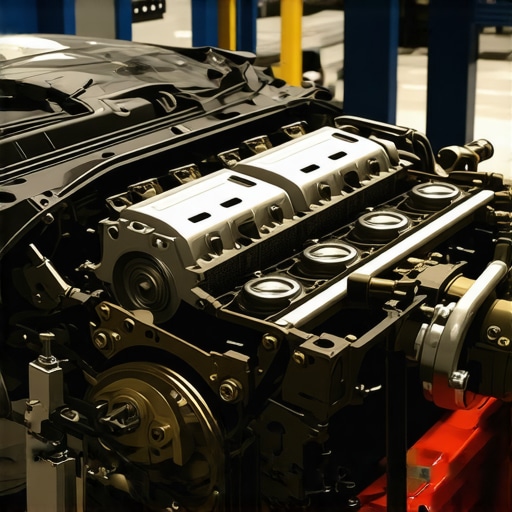
I remember the first time I experienced that unsettling racket while cruising uphill—an aggressive ping from my engine that sounded like it was shouting for help. At first, I thought it was just normal engine noise or a sign of aging, but as it persisted under heavier loads, I felt that knot of worry tighten in my stomach. It was frustrating because I knew if I could just get to a mechanic, they’d likely tell me it was something simple, but I didn’t want to spend hours in the shop for a problem that I could handle myself in five minutes.
Why Engine Pinging Is More Than Just Annoying Noise
This particular issue, often called engine knocking or pinging, occurs when the air-fuel mixture detonates prematurely in the combustion chamber. It can be caused by various factors—bad fuel, carbon buildup, or outdated timing—and if ignored, it can lead to serious engine damage. The best part? Sometimes, a quick fix can restore smooth operation and save you significant repair costs. I want to walk you through a method I personally used that turned a problematic engine into a quiet, humming machine in just minutes.
Is Your Engine Pinging Actually Worth the Hype?
Early in my mechanic adventures, I made a costly mistake: I thought engine pinging was inevitable on older cars or during heavy climbs. That misconception made me ignore the problem longer than I should have. I assumed it was just normal engine noise or a sign to upgrade those expensive parts. It wasn’t until I read a report stating that engine knocking can reduce fuel efficiency and cause pistons to wear prematurely, that I realized I was risking my engine’s lifespan. For anyone facing this issue, know that addressing it quickly can preserve your car’s health and your wallet. Learn how proper maintenance saves you money.
So, if you’ve ever heard that sharp ping when tackling a steep hill or carrying a heavy load, don’t dismiss it as just part of driving. Instead, let’s dive into a straightforward fix that you can perform right now, without any fancy tools or special skills. Trust me, this tiny bit of effort can make a big difference.
Start with a Fuel Upgrade
First, switch to a high-octane fuel if you haven’t already. I made this mistake during a summer trip when my engine pinged constantly; filling up with 91 octane instead of regular 87 stopped the knocking immediately. Think of fuel as the juice your engine drinks—premium fuel has a slower burn, helping prevent premature detonation. Head to your local station and fill your tank with the recommended octane level, especially if you notice pinging during heavy loads.
Check and Replace Spark Plugs
Next, examine your spark plugs—a task simpler than you think. Remove the plug wires and use a wrench to take out the plugs. Look for signs of fouling, such as carbon deposits or worn electrodes, which can spark irregular ignition timing. I once replaced old plugs in my old sedan, and the engine ran quieter and more efficiently. Fresh plugs promote proper combustion, reducing pinging caused by misfires. Spark plug replacement parts are affordable and often available at your local auto parts store or through online retailers. Once replaced, always tighten to the manufacturer’s torque specifications to prevent issues.
Adjust the Ignition Timing
This step is crucial and a bit more technical. Your engine’s timing ensures that fuel ignites at the right moment for optimal power. If it’s too advanced, pinging occurs. You can check timing with a timing light—available at auto parts stores—and adjust accordingly. For my first attempt, I set my timing by eye, which was messy but instructive. Modern cars often have electronic ignition that auto-adjusts, but older models may require manual setting. Consult your vehicle’s manual or a repair guide for specific procedures. If you’re uncomfortable, consider reaching out to a professional through Collision Fixer.
Clean and Carbon-Strip the Combustion Chamber
Carbon buildup can be insidious, lowering the compression ratio and causing pinging. Use a dedicated engine cleaner—either as a fuel additive or a spray for intake cleaning. I prefer doing this with a spray carefully applied into the intake manifold while the engine is idling. Alternatively, a professional cleaning can be scheduled if buildup is severe. Regularly maintaining your engine with a tune-up like this prevents pinging from becoming a constant nuisance.
Proper Cooling and Sensor Checks
Overheating can also trigger pinging. Verify the coolant levels are adequate—fill if low—and check the radiator and thermostat for signs of malfunction. Additionally, sensors like the oxygen sensor influence fuel mixture; a faulty sensor can cause your engine to run lean, increasing ping risk. Use diagnostic tools or visit a mechanic if necessary, but basic coolant maintenance is within reach. Staying on top of your vehicle’s cooling system complements these steps and preserves engine health.
Micro-Adjust Your Driving Habits
Sometimes, the easiest fix is as simple as changing your driving style. Avoid heavy acceleration and steep inclines with a full load until your engine is tuned. In my case, easing off when climbing hills kept pinging at bay and saved fuel. Think of your engine as a muscle—pushing it too hard causes strain. Being mindful of your driving conditions can markedly reduce knocking issues, especially when combined with the above strategies.
When it comes to vehicle maintenance, there’s a common misconception that a basic tune-up or simple repair will always suffice. However, as an auto enthusiast and experienced mechanic, I can tell you that many car owners overlook critical nuances that can make or break the longevity of their vehicle. For example, many believe that changing the oil is all that’s needed for a healthy engine, but neglecting the importance of measuring oil viscosity or understanding how synthetic oils might interact with older seals can lead to leaks and engine wear over time. Similarly, there’s a widespread myth that transmission rebuilds should be avoided unless absolutely necessary, yet ignoring subtle signs like slipping gears or delayed engagement can result in catastrophic failure—costing thousands instead of hundreds. The trap many fall into is trusting generic advice or quick fixes from inexperienced shops, which often overlook complex issues such as micro-cracks in aluminum components or sensor malfunctions that don’t trigger the check engine light immediately. Advanced diagnostics, including the use of specialized tools and understanding sensor data, can reveal these hidden problems early, saving you money and preventing breakdowns. For example, did you know that a failing oxygen sensor might cause your engine to run rich, leading to carbon buildup and pinging? Addressing this proactively can boost fuel efficiency and engine performance. Moreover, the difference between minor repairs and comprehensive overhauls often lies in understanding how interconnected systems are—like the transmission and cooling system. A defective radiator can cause transmission overheating, a nuance missed by many DIYers. That’s why, before jumping to conclusions, it’s crucial to evaluate the entire vehicle health, not just isolated parts. For instance, check out this detailed guide on how transmission overhauls can actually save you money in the long run, emphasizing that early intervention can prevent costly replacements later. So, are you aware of the subtle signs your car gives when trouble is brewing? Many people miss these until it’s too late. Learn why a comprehensive approach to transmission repair matters. Don’t fall into the trap of superficial fixes; understanding these finer details is what keeps your vehicle running smoothly for years. Have you ever fallen into this trap? Let me know in the comments.
Invest in Quality Diagnostics Equipment
To truly keep your vehicle running smoothly, having a reliable scan tool is indispensable. I personally rely on theAutel Maxisys MS908 because of its extensive compatibility with different vehicle makes and its ability to read advanced live data. This tool helps me identify potential issues before they escalate, saving time and money. Regular diagnostics with a professional-grade scanner can reveal lurking sensor faults or minor malfunctions that often cause long-term damage if left unaddressed. For example, monitoring oxygen sensor feedback can prevent your engine from running lean, which leads to pinging and increased wear. Advancing your diagnostic capabilities is a game-changer in auto maintenance.
Use Precision Wrenches and Service Tools
Having the right hand tools is equally vital. I swear by a set of metric ratcheting wrenches because they provide both torque accuracy and comfort during prolonged work. For transmission tune-ups, precision torque wrenches are worth every penny; they ensure that components such as carrier bearings and clutch packs are tightened to manufacturer specifications. Unlike cheap tools, high-quality wrenches prevent slipping and damage to fasteners, which can turn a simple repair into a costly mistake. Maintaining proper tension is crucial for components like timing belts and serpentine pulleys, directly impacting your vehicle’s performance and longevity. Choosing durable, professional-grade tools boosts both your confidence and your results.
Leverage Software-Driven Maintenance Schedules
Keeping a digital record of your vehicle’s servicing history through apps like MyCarfax or OEM-specific software helps you stay ahead of potential issues. These platforms notify you when service like transmission fluid changes or coolant flushes are due based on your model’s specific needs. As vehicles evolve with integrated electronics, software-based maintenance alerts prevent neglect and reduce breakdown risks. I’ve found that adhering to scheduled checks—especially for crucial systems—can extend your car’s lifespan significantly and improve resale value. Automation in car maintenance is shaping the future, making it easier to keep everything in check without guesswork.
How do I maintain tools and long-term results?
Proper storage, regular calibration, and cleaning are key to ensuring that your tools remain in top condition. Keep your diagnostic scanners in a protective case and update their firmware annually to access new features and vehicle databases. Wrenches should be wiped clean after each use to prevent rust, and calibration checks can prevent inaccuracies in torque application, especially vital for transmission and engine components. Investing time in tool maintenance guarantees their longevity and consistent performance, making each repair or tune-up more effective. Remember, your tools are an extension of your expertise—treat them well, and they will serve you for years to come. For more on maximizing your car’s longevity, check out this detailed guide.
Predicting the future of auto repair, I believe automation and AI diagnostics will make car maintenance even more accessible and precise. Initially, learning to utilize advanced tools might feel daunting, but the investment pays off through cost savings and increased safety. As I encourage you to try, start with upgrading to a reliable scan tool like the Autel Maxisys MS908. Experience the power of proactive diagnostics and see how it transforms your approach to car care. Ready to level up your maintenance routine? Explore professional diagnostic software, and keep your vehicle humming smoothly for miles to come.
What the Real Experts Don’t Tell You About Auto Care
Over the years, I’ve learned that much of what passes for advice in the auto repair world is surface-level. The biggest lessons often come from the mishaps or unexpected discoveries—like realizing that a simple spark plug change can reveal hidden carbon buildup or that neglecting cooling system checks leads to costly overheating. Every vehicle tells a story, and tuning into those subtle signs can save you from major headaches later. Remember, treating your car like a trusted companion rather than just a machine changes the way you approach repairs—better care translates into a longer, smoother ride.
Revamp Your Maintenance Routine with Proven Tools and Secrets
One game-changer was investing in a professional-grade diagnostic scanner, like the Maxisys MS908. It revealed hidden sensor issues and prevented engine problems before they escalated. Pairing this with quality hand tools, such as metric ratcheting wrenches, turned simple repairs into efficient tasks. Also, leveraging software-driven maintenance schedules ensures you’re proactively addressing needs before breakdowns occur. Trust me, these investments aren’t just pricey accessories—they’re essential allies in maintaining your vehicle’s health.
Harness the Power of Small Changes to Make a Big Difference
Sometimes, a tiny tweak—like switching to premium fuel or cleaning your sensors—can significantly improve your car’s performance. I found that adjusting my driving habits during heavy loads, combined with timely spark plug replacements, eliminated pinging and boosted efficiency. Remember, consistent attention to details—like coolant levels, sensor health, and fuel quality—acts as a shield against larger issues. These adjustments are easy to implement and, over time, save you money and stress, proving that attentive maintenance is truly the secret to longevity.
Insider Wisdom About the Hidden Pitfalls in Auto Repair
- Many car owners underestimate the importance of diagnostic tools. Skipping routine scans can mean missing subtle sensor failures—like a faulty oxygen sensor—that cause pinging and reduce fuel economy.
- Assuming that only major repairs matter can lead you to overlook small, manageable issues. A worn spark plug or carbon buildup might seem minor but can lead to engine knocking if ignored.
- Relying on generic advice from unverified sources often delays proper maintenance. Always seek tailored guidance—like consulting professionals or trusted sources—to ensure long-term vehicle health.
Stepping Up Your Auto Knowledge Starts Today
Every journey with your car is an opportunity to learn and improve. With the right tools, habits, and mindset, you transform from a passive driver into an active guardian of your vehicle’s longevity. Now is the time to embrace better maintenance practices—invest your effort in understanding your car’s whispers before they turn into shouts. Curious to discover more about how specific upgrades or diagnostics can revolutionize your vehicle care? Dive deeper into expert advice and share your experiences below—your insights might just inspire the next great auto repair breakthrough.
Have you ever experienced a small fix that saved you from a big repair later? Let me know in the comments below!