I remember the first time I felt it: that heavy, vibrating groan coming from under the floorboards of my trusty old sedan. I was barely doing 35 miles per hour on a flat suburban road, and yet, my car had already decided it was time for fifth gear. The engine was lugging so hard I thought the pistons might just quit and go home. At the time, I brushed it off, thinking I was just being hyper-sensitive to the road. I even told myself it was probably some “eco-mode” magic I hadn’t noticed before. But every time I hit a slight incline, the car would shudder and gasp, refusing to downshift until I practically buried the pedal in the carpet. It was more than a nuisance; it was a sign that my transmission was fundamentally confused. I made the classic rookie mistake of ignoring the warning signs until the car started shaking whenever I accelerated. Trust me, “waiting it out” is the most expensive repair strategy you can choose. I eventually learned that early shifting isn’t a fuel-saving feature—it’s a symptom of a system that’s lost its rhythm.
My Car Thought It Was a Race to Fifth Gear
When your gearbox decides to skip the middleman and jump straight to the highest gear, it’s usually because the computer is operating on bad intelligence. In my case, it was a faulty throttle position sensor that was whispering lies to the Transmission Control Module (TCM), telling it I was cruising when I was actually trying to speed up. It’s a common headache that many drivers face, often confusing it with a total mechanical failure. Before you start panicking about the cost of a replacement, it’s worth looking at the basics. Simple maintenance, like ensuring you maximize your cars lifespan with regular tune-ups, can prevent these electronic gremlins from taking over. [IMAGE_PLACEHOLDER] If you’ve ever felt like your vehicle was fighting your every move, you know how draining it can be. It’s even worse when your automatic transmission hunts for gears on hills, leaving you with zero power right when you need it most. Have you ever experienced that sinking feeling when your car shifts into top gear way too soon? It’s like the car is tired and just wants to go to sleep while you’re still driving.
Is This Early Shifting Actually Damaging My Engine?
The short answer is a resounding yes. While modern cars are programmed to reach high gears quickly to satisfy federal fuel economy standards, there is a limit. When a transmission short-shifts, it forces the engine to operate at a very low RPM under a high load. This phenomenon, often called “lugging,” creates massive cylinder pressure that can lead to pre-ignition or “knock.” Over time, this doesn’t just hurt your fuel economy; it beats up your bearings and can even lead to catastrophic engine failure. According to a report by the Car Care Council, neglected transmission fluid is one of the primary causes of shifting malfunctions, yet it remains one of the most overlooked maintenance items by the average driver. By the time you realize how transmission overhauls save you money in the long run, you’re often already in the “damage control” phase. We need to catch this early, identify the sensor or fluid issue responsible, and get your car back into its proper power band before the internal components pay the price.
Start with the Lifeblood of Your Gearbox
Think of your transmission fluid as the hydraulic ‘muscle’ behind every shift. When that fluid gets old, it loses its ability to hold pressure and dissipate heat, causing the valves inside the transmission to actuate prematurely or sluggishly. I once spent three days chasing a ‘ghost shift’ in an old SUV, only to find the fluid was two quarts low and looked like burnt coffee. A simple drain and fill completely changed the car’s personality. If you check your dipstick and see dark, gritty liquid, you are already behind the curve. This is why learning how transmission overhauls save you money in the long run starts with basic fluid maintenance. If the fluid smells like scorched toast, your internal clutches are likely slipping, and no amount of ‘magic’ additive will fix a mechanical failure.
Stop the Electronic Lies with a Sensor Clean
Your Transmission Control Module (TCM) is only as smart as the data it receives. If your Mass Air Flow (MAF) sensor is coated in dust, it tells the computer that the engine isn’t working hard, even when you’re flooring it up a ramp. The computer thinks, “Oh, we’re just cruising!” and clicks into top gear way too soon. I remember a specific project where a client’s sedan wouldn’t hold a gear to save its life. We found the small crack in your air intake that kills mpg, which was letting unmetered air bypass the sensor. Once we sealed that tiny gap and gave the sensor a quick spray with specialized cleaner, the shift points snapped back to factory specs. 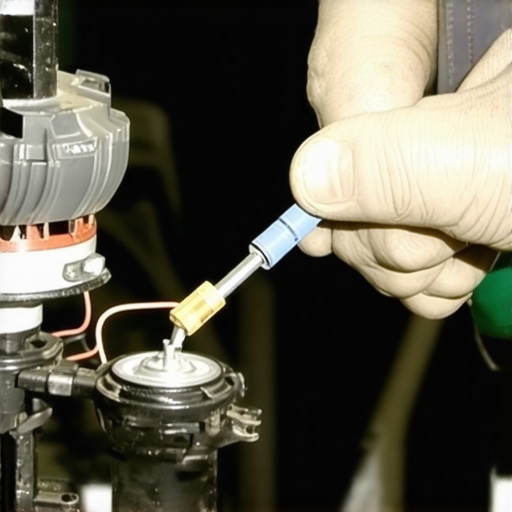
Force Your Computer to Learn New Habits
Modern cars are actually quite nosy; they ‘learn’ your driving style and adapt the shift points to match. If you’ve been hypermiling or stuck in heavy traffic for weeks, the TCM might have optimized itself for a ‘lazy’ driving profile. You can often perform a ‘soft reset’ by disconnecting the battery or using a basic OBD-II scanner to clear the ‘Adaptive Memory’ values. This forces the car to re-evaluate how it should behave under load. However, keep an eye out for other symptoms while you do this. If your car stays in high gear but the engine speed keeps climbing, you might be seeing top signs your car needs expert auto repair now. I once reset a computer thinking I’d solved a shifting glitch, only to realize the tiny vacuum leak that causes a rough idle was also confusing the transmission’s load-sensing logic. Don’t just clear the code and hope for the best—listen to what the engine is trying to tell you through those vibrations.
The Quick Throttle Calibration Trick
Before you head to a shop, try a manual throttle recalibration. On many vehicles, you can turn the key to the ‘ON’ position (without starting the engine), slowly floor the gas pedal, hold it for five seconds, and slowly release it. This syncs the physical pedal position with the electronic signal sent to the TCM. It sounds like an urban legend, but it’s a standard procedure for many European and domestic models to fix a ‘confused’ transmission. Keeping these electronic components in sync is the best way to maximize your cars lifespan with regular tune-ups without spending a fortune on heavy hardware repairs.
The ‘Lifetime Fluid’ Lie That Wrecks Your Gearbox
If you’ve bought a vehicle in the last decade, you’ve likely been told the transmission fluid is ‘lifetime.’ This is, quite frankly, the most dangerous marketing myth in the automotive world. While manufacturers want to boast a low cost of ownership to original buyers, the laws of physics don’t care about marketing brochures. According to a technical study by SAE International, the vital additives in transmission fluid—specifically friction modifiers and detergents—begin to break down under the intense thermal stress of daily driving long before the actual ‘lifetime’ of the vehicle is over. By the time the fluid fails, you aren’t looking at a simple service; you’re researching how transmission overhauls save you money in the long run because you’ve waited until internal damage occurred. Always verify the truth about lifetime gearbox fluids before you trust a manual that claims no maintenance is required.
Is Your Computer Actually Hallucinating Engine Loads?
Sometimes the transmission isn’t the problem at all; it’s a victim of bad data. I’ve seen countless drivers get quoted thousands for a full rebuild when the real culprit was the hidden vacuum leak that makes your car stall at stoplights. If the engine isn’t producing the vacuum or airflow the computer expects, the Transmission Control Module (TCM) assumes the car is under a massive load and holds gears longer or shifts harshly to ‘protect’ itself. It’s an electronic hallucination. You might even find that the hidden ground strap that causes weird electrical ghosts is the real villain, disrupting the tiny millivolt signals that tell your gearbox exactly when to transition. 
Why You Should Fear a Quiet Electrical Ghost
The biggest ‘oops’ factor I see in modern auto repair is assuming a mechanical symptom always requires a mechanical fix. I once watched a friend almost sell his truck for scrap because of a shifting stutter. He didn’t realize that top signs your car needs expert auto repair now aren’t always loud bangs; sometimes it’s just a sensor getting a dirty signal. Before you sign a massive work order, you need to know how to tell if a transmission shop is lying about a rebuild. If a technician hasn’t checked the voltage drop across your battery terminals or scanned for ‘soft’ codes in the engine module, they aren’t truly diagnosing the issue.
The Myth of the ‘Losing the Grime’ Slippage
Many DIYers fear that changing old fluid will ’cause’ the transmission to slip because they believe the suspended grit is what’s providing friction. This is a half-truth that leads to expensive mistakes. If your transmission slips after a fluid change, the damage was already done; the new, high-detergent fluid simply cleaned away the debris that was masking a failed clutch pack. To avoid this, focus on how to maximize your cars lifespan with regular tune-ups before the fluid turns black. Have you ever fallen into this trap of replacing a major part only to find it was a ten-dollar sensor or a loose wire? Let me know in the comments.Over the years, I’ve realized that the difference between a $150 sensor swap and a $5,000 rebuild is often just the quality of the data you have. I don’t just listen to the car anymore; I listen to the sensors. My favorite piece of gear is a bidirectional OBD-II scanner—something like an Autel or even a specialized dongle for your phone. Unlike the cheap “code readers” you find at the grocery store, a bidirectional tool lets you command the transmission to engage specific solenoids while the car is parked. It’s how I figured out my last shifting issue was just a stuck solenoid and not a blown clutch pack. I also use a FLIR thermal camera—a tool most people think is for home inspectors—to map the heat distribution across the transmission pan and cooling lines. It’s an incredible way to spot ‘hot spots’ that indicate a clogged internal filter or a failing pump before the metal starts grinding. When you pair this level of diagnostic depth with knowing how to find a parasitic battery drain with a simple multimeter, you’re no longer at the mercy of a shop’s “best guess.” 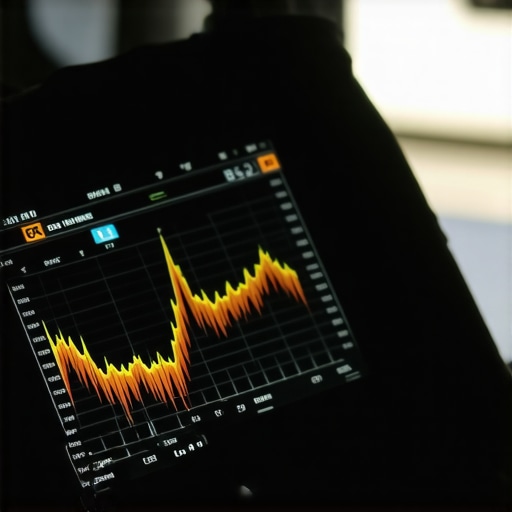
How do I maintain my transmission’s health for the long haul?
To keep a gearbox running past the 200,000-mile mark, you have to be obsessive about temperature and fluid chemistry. According to the Automatic Transmission Rebuilders Association (ATRA), heat is the primary cause of nearly 90% of all automatic transmission failures, as every 20-degree jump above the normal operating range can effectively halve the life of your fluid. I personally recommend installing an auxiliary transmission cooler if you do any heavy towing or live in a mountainous region. It’s one of those essential car service tips for safe summer drives that people always ignore until their fluid smells like a campfire. You should also make it a habit to maximize your cars lifespan with regular tune-ups that include a computerized health check of the transmission’s adaptive learn values. These numbers represent the adjustments the TCM makes to compensate for internal wear—think of it as a medical chart for your car’s internal health.
Why the Next Generation of Gearboxes Will Be Smarter Than Us
We are entering an era where your car might fix its own shifting issues through over-the-air (OTA) software updates. I predict we will soon see “predictive shifting” that uses GPS and cloud data to anticipate a steep grade and downshift before you even reach the hill, drastically reducing the thermal stress on the clutches. While this sounds like a dream, it also means you’ll need to be even more vigilant about who works on your vehicle. You’ll want to know how to spot an honest mechanic in Yuma before you drop your keys, as the “grease monkey” of yesterday is being replaced by the “data scientist” of tomorrow. If your car is acting up, don’t ignore it. Look for the top signs your car needs expert auto repair now, like delayed engagement or high-RPM flares between gears. If you catch it early, you can often save the unit through a process of selective component repair. Understanding how transmission overhauls save you money in the long run is vital, but having the right tools to prevent that overhaul from ever being necessary is the real pro move. Try this today: Plug in a basic scanner and look at your transmission fluid temperature after a 20-minute drive. If it’s consistently hitting over 220 degrees Fahrenheit, your cooling system needs an immediate inspection.
What My Most Expensive Mistakes Taught Me About Shifting
After years of turning wrenches, I’ve learned that the most intimidating transmission problems are often the simplest to resolve if you know where to look. One of the biggest ‘lightbulb moments’ for me was discovering that the hidden ground strap that causes weird electrical ghosts can actually trick a transmission into shifting early by sending erratic voltage signals to the TCM. I spent weeks on a rebuild once, only to find a frayed wire was the real culprit. Another hard-earned lesson is to never trust the ‘lifetime’ label on a bottle. Even if the manual says otherwise, the truth about lifetime gearbox fluids is that they break down and lose their hydraulic integrity long before the car hits its prime. I also stopped obsessing over the gearbox itself and started looking at the wheels; sometimes, what feels like a shifting stutter is actually the secret to identifying a failing cv joint early. Don’t let the complexity of a modern car intimidate you—most of the time, the machine is just begging for better data.
The Only Gear I Carry in My Mobile Diagnostic Kit
If you want to move beyond guessing and start diagnosing, you need the right tools in your corner. I personally swear by a bi-directional scan tool like the Autel MaxiCOM. Unlike a cheap reader, it lets me manually cycle solenoids to hear if they are clicking, which is the fastest way to maximize your cars lifespan with regular tune-ups without wasting money on parts. I also keep a simple multimeter handy because how to find a parasitic battery drain with a simple multimeter is a skill that translates directly to finding shorts in your transmission harness. For local help, I always recommend reading up on how to spot an honest mechanic in Yuma before you drop your keys, because a shop that understands data-driven diagnostics will save you thousands over a shop that just ‘swaps and hopes.’ Finally, keep a bottle of high-quality MAF cleaner in your garage—it’s the cheapest way to fix ‘lazy’ computer logic.
Take the Driver’s Seat Back from the Computer
Your car is a high-performance computer on wheels, but you are still the pilot. When you notice those first top signs your car needs expert auto repair now, don’t wait for a warning light to confirm what your gut already knows. Taking action today by checking your fluid levels or cleaning a sensor can be the difference between a minor afternoon project and a major financial headache. Understanding how transmission overhauls save you money in the long run is a great safety net, but your goal should always be to prevent that overhaul through proactive care. You have the knowledge and the tools—now go out there and show your car who is really in charge of the gear shifts. Have you ever been told you needed a total transmission rebuild only to find out it was just a loose wire or a cheap sensor? Let me know your story in the comments below!