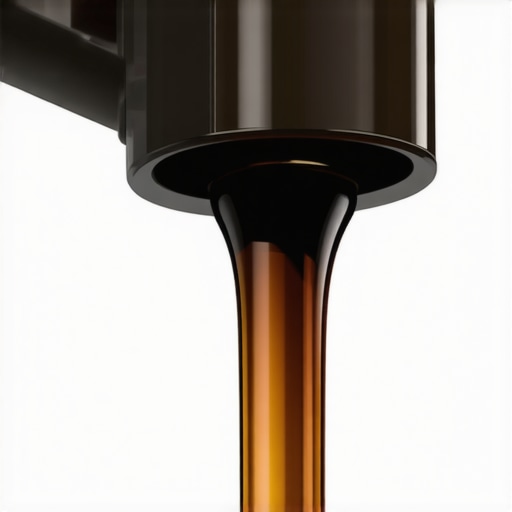
It hit me one morning when I popped open my hood and noticed that the transmission fluid looked darker than usual—almost like tar. I remember thinking, “Did I forget to change the oil again?” But this wasn’t oil; it was transmission fluid, and its dark hue sent a little alarm bell ringing in my head. That moment was a wake-up call. Many car owners overlook their transmission fluid, thinking it’s just another routine check, but that seemingly harmless blackness can be a sign of serious trouble lurking beneath.
Recognizing the Signs and Understanding the Risks
Is Black Transmission Fluid a Cause for Panic or Just a Routine Issue?
Initially, I made the mistake of ignoring the darkening fluid, assuming it was nothing to worry about. But early on, I learned that the color of transmission fluid isn’t just about aesthetics—it reflects the condition of what’s inside. Over time, fluid can pick up dirt, debris, and even metal shavings, turning it black and thickening it. Continuous driving with contaminated fluid can lead to slipping gears, overheating, and ultimately, a complete transmission failure. According to auto repair veterans, neglected transmission fluid can cause costly repairs and even total transmission replacements, which are often avoidable with proper maintenance (source).
My first misstep was not testing the fluid regularly or acknowledging the significance of its appearance. That was a rookie mistake I wish I hadn’t made. Now, I always advocate for proactive care—checking your transmission fluid at least twice a year, especially if your car is over the age of five. Regular fluid changes and using the right type of transmission fluid as recommended by your vehicle’s manufacturer can prevent many issues. Want to get ahead of potential problems? Explore how routine tune-ups can maximize your car’s lifespan (learn more).
Are you noticing your transmission shifting oddly? Or has the fluid recently turned darker than the color of honey? Don’t wait for a breakdown—addressing black transmission fluid early can save you money and hassle in the long run. Next, let’s dive into how you can inspect your transmission fluid properly and what signs indicate it’s time for a change.
Start by Locating Your Transmission Fluid Dipstick
Get in the habit of respecting your vehicle as if it were an aircraft—precision matters. First, familiarize yourself with where the transmission dipstick is located, usually near the back of the engine bay. Before opening it, ensure the engine is running and warmed up to operating temperature—this ensures an accurate reading. I remember one chilly morning, I tried to check the fluid cold, and the readings were misleading, leading me to overlook a critical issue.
Prep Your Car Properly
Park your car on a level surface, engage the parking brake, and gear into ‘Park’ or ‘Neutral,’ depending on your transmission type. Turn off the engine and open the hood. If you’re unsure about how to identify the dipstick, consult your vehicle’s manual or an online diagram. Realizing my mistake in not consulting specific guidance almost caused me to misread the level and condition, underscoring the importance of preparation.
Check the Transmission Fluid Color and Consistency
Pull out the dipstick, wipe it clean with a lint-free cloth, re-insert it fully, and then pull it out again to examine the fluid. Healthy transmission fluid is usually a bright red and semi-transparent. If it’s dark, smoky, or covered in metal shavings, it’s time to consider a change. During my first check, I noticed the fluid had turned black and thick, similar to motor oil used for years—an unmistakable sign that the fluid was past its prime.
Perform a Visual Inspection for Contamination
Look for signs of dirt, sludge, or metal debris. If present, a fluid change is urgent to prevent damage. If needed, consult a professional about a transmission flush or fluid replacement. I once attempted a DIY flush, which resulted in a minor leak because I didn’t drain it correctly—highlighting that some steps are better left to experts.
Replace or Top Up Your Transmission Fluid
If the fluid level is below the recommended mark, add new transmission fluid matching the manufacturer’s specifications—never use cheap or incorrect alternatives. Use a clean funnel and pour slowly to avoid overfilling. When my fluid was low, I experienced slipping gears. After topping up with the right fluid, shifts became smooth again—just like when I first drove the car new.
Use the Correct Transmission Fluid Type
Always check your owner’s manual to determine the right fluid type. Using incompatible fluid can cause poor lubrication and even internal damage. I’ve seen cases where owners used generic fluids, leading to costly repairs that could have been avoided with proper care. For peace of mind, consider scheduling a professional transmission service (learn why cheap fluids are risky).
Keep Up with Routine Maintenance
Regularly inspect your transmission fluid, especially if you notice shifting issues, slipping, or strange noises. Schedule a professional flush and replacement every 30,000 to 60,000 miles, or as recommended. During my maintenance routines, I also use this opportunity to check other vital components, preventing surprises down the road. For extended vehicle health, consider a comprehensive tune-up, which can boost overall performance (discover how tune-ups prolong your car’s life).
Know When to Call the Pros
While checking and topping off fluid is straightforward, complete fluid changes or diagnosing transmission issues are best left to professionals. If your vehicle exhibits persistent shifting problems after maintenance, seek expert diagnostics at a trusted auto repair shop. I’ve learned that trusting the specialists saves money and prevents unnecessary damage, especially with complex systems like transmissions. Need help? Contact us anytime (reach out here).
Many car owners operate under misconceptions about auto repair and maintenance, often leading to unnecessary expenses or even vehicle damage. One widespread myth is that all transmission fluids are interchangeable; in reality, using the wrong type can accelerate transmission wear and tear, making routine fluid changes even more critical (learn why quality matters). Another misconception is that regular tune-ups are only necessary when the car shows symptoms. However, proactive tune-ups can prevent major issues and extend your vehicle’s lifespan—discover how they work to keep your car in top shape (maximize lifespan with tune-ups). Many believe that auto repairs always involve replacing entire components, but skilled mechanics often diagnose and fix specific parts, saving money and time. Recognizing the nuance can help you better understand your vehicle’s needs and avoid costly overhauls. Additionally, some think that summer or winter driving doesn’t require special attention, but seasonal conditions can impact everything from coolant levels to tire pressure. Following essential seasonal tips can improve safety and reliability (seasonal maintenance tips).
What’s the biggest mistake car owners make when seeking auto repair?
Generally, many ignore subtle warning signs like strange noises or shifting issues, assuming they will resolve themselves. This delay can lead to more severe and expensive damage. Conducting routine inspections and recognizing early symptoms can save you a fortune and prevent breakdowns. For instance, ignoring a slipping transmission could result in costly overhauls. To stay ahead, understand the nuances of your vehicle’s performance and seek expert advice promptly. Regular maintenance not only prolongs your car’s life but also ensures safety on the road. Want to learn more about safeguarding your investment? Check out comprehensive car maintenance routines and tips on maximizing your vehicle’s lifespan. Have you ever fallen into this trap? Let me know in the comments.
Getting Your Car to Keep Running Smoothly for Years
Maintaining your vehicle’s health requires more than just occasional checks; it demands the right tools and a systematic approach. I personally rely on a high-quality diagnostic scanner like the Autel MaxiCOM. This device allows me to read engine codes, monitor live data streams, and clear faults efficiently, saving me trips to the mechanic for minor issues. It’s portable, user-friendly, and supports a wide array of vehicle makes, making it invaluable for both DIY enthusiasts and professionals.
When it comes to inspecting fluid conditions beyond transmission fluid, I use a mechanic’s stethoscope for listening to rough-running components like belts or pulleys. It might sound old-fashioned, but pinpointing noises is often the first step in diagnosing serious problems before they escalate. This simple yet effective tool helps me catch issues early—potentially avoiding costly repairs.
For routine maintenance, I swear by a digital torque wrench. Proper torque application during bolt tightening ensures components are secured without risking over-tightening, which can cause damage or gasket failure. Precision is key when reassembling parts after a fluid change or repair, especially in sensitive areas like the transmission or engine mounts.
What’s the secret to making your tools work for the long haul?
Keep them clean, calibrated, and stored properly. Regularly check calibration on precision tools like torque wrenches ensures your maintenance remains accurate over time. I also recommend investing in a portable LED work light—working in dim conditions makes diagnostics and repairs difficult. Good lighting prevents mistakes and speeds up the process.
Looking ahead, the trend of integrated vehicle diagnostics through smartphone apps is accelerating. Manufacturers and third-party providers are developing smarter OBD-II scanners that sync directly with your phone, providing real-time insights and maintenance alerts. This integration promises to make routine inspections less cumbersome and more precise, enabling car owners to take a proactive role in their vehicle’s longevity.
How do I maintain my tools and techniques over time?
Regularly update software on your diagnostic tools, recalibrate your torque wrench, and replace worn-out inspection accessories. Staying current with technological advancements in auto repair tools ensures you can accurately diagnose emerging issues, especially as cars become more sophisticated with electronic systems. Remember, a well-maintained tool is an investment in your car’s future. For a personal tip, try calibrating your torque wrench yourself—it’s easier than you think and saves money in the long run (learn how professionals do it). By combining the right equipment with updated knowledge, you’ll keep your vehicle running at its best for years to come.
What My Mistakes Taught Me About Transmission Care
- Relying solely on color changes without understanding the significance can be costly; sometimes, a dark fluid signals impending failure rather than just routine wear.
- Skipping regular checks meant I often caught issues too late—having a proactive approach with routine inspections could have saved me hundreds.
- Investing in quality tools and understanding how to interpret the data they provide is crucial; it’s not just about fixing cars but knowing what to look for beforehand.
- Knowing when to consult the pros can be the difference between minor repairs and complete transmission overhauls; trusting expert diagnostics often saves time and money.
Discover the Tools That Keep My Car Running Smoothly
- The Autel MaxiCOM diagnostic scanner has been a game-changer for me—allowing real-time insights and troubleshooting without leaving my driveway.
- A mechanic’s stethoscope helps me listen for subtle engine and transmission noises, catching problems early before they escalate.
- A good digital torque wrench ensures I tighten bolts correctly, maintaining proper pressure and avoiding damage during repairs.
- Quality lighting like portable LED work lights make inspections safer and more efficient, especially in dimly lit garages or during night repairs.
Take Charge of Your Car’s Future Today
Remember, staying ahead with proper transmission maintenance is about awareness and timely action. Don’t wait until a small issue becomes a costly disaster; every check-up, fluid change, and diagnostic session brings you closer to a reliable ride. Your vehicle’s health is an investment—nurture it now to avoid surprise breakdowns down the line. Ready to give your transmission the attention it deserves? Regular tune-ups are your best defense (learn how tune-ups prolong your car’s life). What’s the first step you’ll take to improve your auto maintenance routine? Share below!.