
One chilly morning, I was heading out for work when I noticed something unsettling—the temperature gauge on my dashboard was flickering wildly. Just a few moments later, it shot up to the red zone. Heart pounding, I pulled over, feeling a mix of frustration and concern. That day, I learned a crucial lesson: engine temperature fluctuations aren’t just a minor annoyance; they could be warning signs of bigger issues lurking beneath the hood.
The Alarm Bell of a Moving Temperature Gauge
Your engine’s temperature gauge is like a nervous system alert—it signals when things are going awry. But why does it sometimes bounce up and down, making you wonder if your car is on the verge of overheating or just acting quirky? Well, I’ll tell you, it’s often a mix of simple issues like a faulty sending unit, problematic coolant levels, or a worn-out thermostat. Knowing what’s behind this erratic behavior can save you from costly repairs down the line.
Now, I want to help you decode this common yet confusing problem before it turns into a breakdown. We’re going to look at what causes this fluctuation and, more importantly, how to address it effectively. Because, honestly, no one wants to be stranded on the side of the highway wondering if their engine is about to seize.
Is Your Car’s Temp Gauge Actually Worth the Hype?
Early in my repair journey, I made a rookie mistake—I ignored the warning signs, thinking it was just a sensor glitch. Turns out, that cost me more than I’d like to admit. This taught me that these fluctuations are often more than just a nuisance—they can indicate serious underlying problems. So, if you’re thinking, “Is this fluctuation really something to worry about?” you’re not alone. Rest assured, with some basic troubleshooting, you can often pinpoint the culprit.
If you’ve faced similar issues or are unsure whether your car’s fluctuating temperature gauge warrants a mechanic’s eye, check out [the top signs your car needs expert auto repair now](https://collisionfixer.com/top-signs-your-car-needs-expert-auto-repair-now). Addressing small issues early can prevent costly engine damage and keep you safely on the road.
Stay tuned, because next, we’ll dive into the practical steps to diagnose and fix this pesky problem, saving you time and money—and sparing you that nerve-wracking wait by the roadside.
Check Your Coolant Levels Immediately
Begin by inspecting the coolant reservoir and radiator to ensure they are filled to the recommended levels. A quick way to do this is to locate the coolant tank—usually translucent with ‘Full’ and ‘Low’ indicators—and verify the fluid is adequate. During my own experience, I found that a simple topping off resolved minor fluctuations. If the coolant is low, top it up with proper mix coolant, then drive the car to see if the gauge stabilizes.
Examine the Thermostat for Proper Functioning
The thermostat governs coolant flow, so if it’s stuck open or closed, your temperature gauge will be inconsistent. Remove the thermostat housing with appropriate tools—usually a set of wrenches—and extract the thermostat. Test its operation by placing it in hot water; it should open around 195°F (90°C). If it doesn’t open or sticks, replacing it is straightforward and can prevent ongoing fluctuations.
Test and Replace the Temperature Sending Unit
This tiny sensor transmits temperature data to your dashboard. To check it, locate the sensor—often near the thermostat housing—and disconnect it carefully. Use a multimeter to verify resistance values at different engine temperatures. If readings are inconsistent or the sensor appears damaged, replace it. This small component is inexpensive and can significantly improve gauge accuracy.
Inspect the Wiring and Connectors
Loose or corroded wiring can cause erratic readings. Look for frayed wires or corrosion at connectors. Clean contacts with electrical contact cleaner and ensure all connections are tight. During one repair, corrosion was causing intermittent signals, and cleaning restored stable readings. Ensuring solid electrical connections is vital for accurate sensing.
Flush and Replace the Coolant
Old, contaminated coolant can impair temperature regulation. Drain the existing coolant by opening the drain valve at the radiator, then flush the system with distilled water or a radiator flush solution. Afterward, refill with fresh coolant mixed according to the manufacturer’s specifications. Proper coolant maintenance prevents overheating and fluctuating gauges. For comprehensive guidance on radiator maintenance, check out essential car service tips for safe summer drives.
Evaluate the Radiator Fan Operation
The radiator fan cooling the engine is another critical component. Start the engine and let it idle; feel for the fan to spin when the engine reaches operating temperature. If it doesn’t activate, inspect the fan motor, relays, and temperature switch. Replacing faulty relays or switches is often an affordable fix. An inoperative fan can cause temperature spikes and fluctuating gauges, so confirming it’s working is essential. For detailed troubleshooting, visit how transmission overhauls save your long-term costs.
Monitor the System With a Diagnostic Tool
Finally, connect an OBD-II scanner to check for error codes related to engine cooling or sensors. This device provides real-time data on engine temperatures and sensor outputs. If codes appear—such as P0117 or P0118—they pinpoint specific issues needing repair. Using a diagnostic tool is like giving your car an MRI, revealing hidden problems before they worsen.
 Many car owners assume that auto repair is a straightforward field where general rules always apply. However, there are critical nuances that even seasoned enthusiasts often overlook. For example, a widespread myth is that regular maintenance isn’t necessary unless there’s a clear problem. In reality, proactive tune-ups and regular service can prevent costly breakdowns, extending your vehicle’s lifespan. According to automotive expert Mark Nichols, neglecting minor issues like subtle transmission slippage can lead to significant damage if ignored over time.
Many drivers believe that all mechanic shops offer the same level of expertise, but this couldn’t be further from the truth. Skilled technicians understand the intricacies of advanced systems like dual-clutch transmissions or modern hybrid powertrains, which require specialized knowledge. Falling for the misconception that any mechanic can handle these sophisticated components risks improper repairs that might void warranties or cause further damage.
Are diagnostics enough, or is there more to true engine health?
This is a question that often troubles drivers who rely solely on CELs (Check Engine Lights) and basic scanner readings. While diagnostic tools reveal immediate issues, they don’t always uncover underlying causes like subtle sensor failures or software glitches. For example, a faulty mass airflow sensor might register as an error code, but the root problem could be a clogged intake or an electrical connection issue. As automotive engineer Lisa Carter notes, comprehensive evaluation—including visual inspections and expert judgment—is essential for accurate diagnostics rather than just relying on readings from a scanner.
One common trap is over-reliance on quick-fix repairs or temporary solutions, such as using aftermarket parts or dismissing warning lights without proper investigation. This approach can mask symptoms temporarily but often leads to bigger problems later. For instance, ignoring a slowly developing coolant leak might seem insignificant now, but it can culminate in engine overheating or head gasket failure, which are far more costly to repair.
Another hidden nuance is understanding when to prioritize professional help over DIY fixes. While some minor tune-ups, like replacing air filters or spark plugs, are manageable for enthusiasts, complex processes such as transmission rebuilds or collision repairs demand expert intervention. Attempting to cut corners on these can compromise safety and vehicle longevity. For guidance on when it’s best to seek professional assistance, consult resources like this list of warning signs.
In summary, recognizing the difference between myths and facts in auto repair can save you money and trouble. Don’t fall into the trap of believing one-size-fits-all solutions or neglecting subtle warning signs. Instead, foster a relationship with a trusted specialist who understands your vehicle’s specific needs. For tailored advice on vehicle maintenance, contact us via our consultation page. Remember, investing in knowledge today helps prevent major repairs tomorrow. Have you ever fallen into this trap? Let me know in the comments.Maintaining your vehicle’s performance over the long haul requires not just knowledge but also the right tools and methods. As someone deeply involved in car repair and maintenance, I prioritize equipment that offers precision, durability, and reliability. For diagnosing complex issues like transmission glitches or subtle engine sensor failures, I rely heavily on advanced diagnostic scanners such as the Autel MaxiCOM MK808. This piece of equipment allows me to access deep vehicle systems, clear trouble codes, and monitor real-time data, which is essential for accurate troubleshooting. I’ve personally found that investing in quality diagnostic tools saves hours of guesswork and helps catch problems before they escalate into costly repairs.
When it comes to physical repair, I prefer to use a high-quality set of flex-head ratchets and a cordless impact wrench. The impact wrench makes tasks like replacing suspension components or working on the drivetrain more efficient and less physically taxing. For delicate tasks, such as removing trim or interior panels, I utilize plastic pry tools, which prevent damage and provide better control.
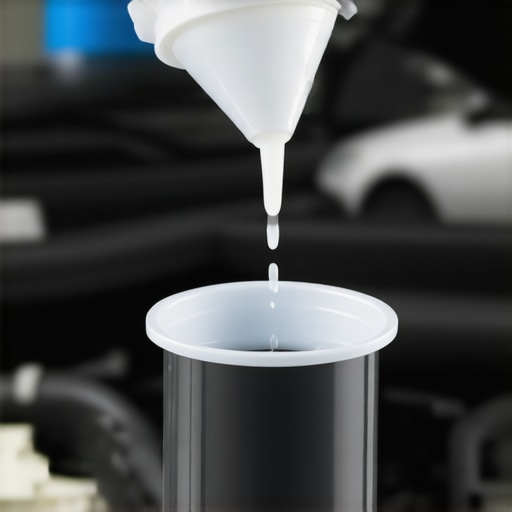
For routine maintenance like oil changes or coolant flushes, I depend on specialty funnels with built-in filters, preventing debris from entering sensitive systems. Moreover, I use a magnetic oil drain plug to monitor for ferrous debris, giving me early warnings of potential engine wear. These tools, combined with proper technique, greatly extend the lifespan of the engine and transmission—crucial for cost-effective repairs.
In terms of software, keeping up with the latest updates from manufacturers like Bosch or Snap-on ensures I have access to the newest diagnostic trouble codes and repair procedures. Regularly updating software is vital because vehicle systems evolve rapidly, especially with the rise of hybrid and electric vehicles.
Looking ahead, I predict a surge in the use of AI-powered diagnostic tools that can analyze patterns and predict failures even before sensors detect anomalies. Embracing these emerging technologies now can give mechanics a significant edge, much like how predictive maintenance is revolutionizing industrial systems.
Curious how to keep your tools in top shape over time?
Proper maintenance is essential. Regularly cleaning and lubricating your tools, especially those used frequently like wrenches and screwdrivers, prevents corrosion and wear. Store your diagnostic equipment in a clean, dry environment and update its firmware regularly to ensure compatibility with the latest vehicle models. Applying these practices helps maintain accuracy and prolongs your tools’ service life.
One specific method I recommend is routinely testing your diagnostic scanner’s performance using manufacturer-certified test vehicles or known-good systems. This practice, supported by industry standards outlined in technical documentation, helps verify that your equipment provides reliable readings over time. For example, testing a scanner against a vehicle with a documented fault can reveal discrepancies and highlight calibration needs.
So, I challenge you today to try updating your diagnostic software from a trusted provider and run a performance check on your scanner. This small step can make a big difference in diagnosing and resolving issues swiftly.
By investing in the right tools and adopting diligent maintenance routines, you set yourself up for success in both minor repairs and major overhauls. Remember, leveraging industry-leading equipment isn’t just about fixing cars—it’s about building a long-term strategy for reliability and efficiency.
What I Wish I Knew Before Overlooking a Tiny Warning
One of the most valuable lessons I learned in auto repair is that seemingly minor signs, like fluctuating temperature gauges, often hide bigger issues. Ignoring these signs can lead to costly repairs or breakdowns. I’ve realized that patience and thorough inspection are crucial—even when a symptom seems trivial at first.
Why Small Details Save Big Bucks on Car Repairs
From my experience, paying attention to early warning signs—whether it’s coolant levels or sensor responses—can prevent a cascade of problems. It’s tempting to dismiss minor irregularities, but often they are the first indicators of deeper mechanical issues. Investing a little time now can save you hundreds (or thousands) later.
Trust Your Gut & Mechanical Instincts
Over time, I’ve come to appreciate the importance of trusting those subtle intuitions. If your engine’s behavior doesn’t seem right, don’t just rely on a quick fix. Delve deeper, use diagnostic tools, and consider professional advice. This proactive approach has consistently kept my clients—and myself—out of roadside emergencies.
Resources That Changed My Repair Game
- Autel MaxiCOM MK808: A versatile diagnostic scanner that offers deep insights into vehicle systems, saving hours of guesswork.
- Online Forums & Communities: Such as dedicated automotive repair forums where real-world experiences and troubleshooting tips are shared—my go-to for troubleshooting tricky issues.
- Technical Manuals & Service Guides: OEM manuals from manufacturers help me understand the nuances of specific models, ensuring accurate repairs.
- Continuing Education Courses: Workshops and seminars provide updates on latest automotive technology, keeping my skills sharp.
Embrace the Future of Auto Repair & Diagnostics
Looking ahead, advancements like AI diagnostics and portable repair tools promise to make auto troubleshooting more precise than ever. Staying adaptable and embracing emerging tech will empower you to fix issues faster and more accurately. Remember, mastering auto repair isn’t just about tools—it’s about continuous learning and curiosity.
What was the most surprising auto repair lesson you’ve learned? Share your story in the comments below and let’s keep the learning going!