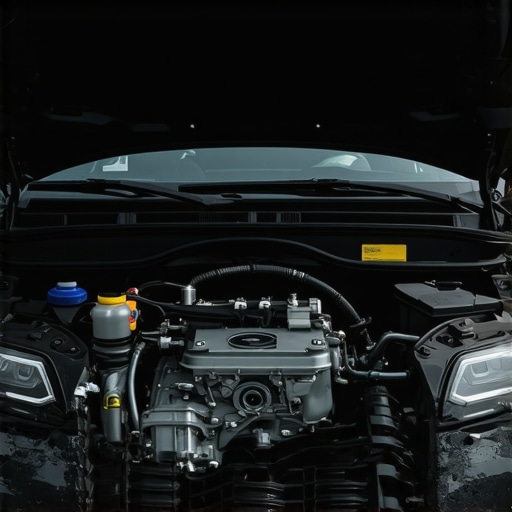
I remember those frigid mornings when I’d fire up my car, only to have it hesitate, shudder, or shift like it was still half-asleep. It’s a gut-wrenching feeling—like the machine is mocking you, reminding you that even your trusty vehicle has its bad days. That slow, sluggish sensation in your transmission can make even simple commutes feel like a gamble, and for a moment, you wonder if you’re about to head into a costly repair or breakdown.
The Real Reason Your Transmission Stalls When It’s Cold
If you’ve experienced this, you’re not alone. Many drivers notice their cars shifting strangely during chilly mornings, and at first, it might seem insignificant. But here’s the thing—this isn’t just a nuisance. It’s often a sign that your transmission needs a little TLC or that some overlooked maintenance steps could be making things worse. The cold can thicken transmission fluid, slow down hydraulic pressure, and make it difficult for your transmission to engage smoothly. Over time, these issues could escalate, leading to more expensive repairs.
In my early days as a car enthusiast, I made the mistake of ignoring these symptoms, thinking it was just the weather. Turns out, overlooking regular transmission care can shorten your vehicle’s lifespan. Regular tune-ups, including checking and replacing transmission fluid, can prevent many cold-weather surprises. Want to learn how to avoid those sluggish mornings and keep your car shifting smoothly? Stick around—we’re going to dive into practical tips and insider secrets that could save you a lot of money and stress.
What Folks Usually Get Wrong About Cold Transmission Troubles
One big misconception I had early on was that simply letting the car warm up was enough. While warming up can help, it’s not a cure-all. The real fix involves understanding your vehicle’s specific needs and ensuring your transmission fluid is in top condition. Skipping regular maintenance can turn a minor cold-weather annoyance into a major headache. For more insights into how proper maintenance can save you money in the long run, check out this article on how transmission overhauls save you money.
If you’ve ever been stuck waiting in the driveway for your car to catch up, or worse, noticed your transmission slipping or slamming into gear, this post is for you. We’ll cover the essential steps to keep your transmission running smoothly, no matter how chilly the morning is.
Check and Replace Transmission Fluid Regularly
Think of your transmission fluid as the blood that keeps your car alive; when it thickens in the cold, shifting becomes sluggish. Make it a habit to check your fluid levels and replace old fluid before winter sets in. During my first winter with my car, I noticed grinding during cold starts, so I bought a kit and did a quick fluid change. The difference was night and day—shifts were smoother, even on frosty mornings. Regular maintenance prevents fluid from becoming a bottleneck that hampers hydraulic pressure, which is essential for gear engagement.
Use a Warm Garage or Engine Block Heater
If possible, park your vehicle in a heated garage. If not, invest in an engine block heater—plug it in an hour before starting. This device warms the engine and transmission, reducing fluid viscosity and helping all moving parts operate freely. I once borrowed a heater for a trip, and the car didn’t hesitate even at 20°F. This simple step minimizes the stress on your transmission and extends its life.
Allow Proper Warm-Up Time
Never skip the warm-up phase. Turn on your vehicle and let it idle for a few minutes—think of it as warming up your body before exercise. During a particularly cold morning, I hesitated to drive immediately, but I waited five minutes, giving the transmission a chance to warm, which prevented abrupt shifts. Modern cars are designed to warm up quickly, but giving a little extra time ensures the transmission fluid circulates and reaches optimal temperature, safeguarding delicate hydraulic systems.
Stay on Top of Routine Diagnostics
Regularly scan your car for trouble codes, especially if you notice subtle shift hesitations or slipping. Many auto parts stores offer free diagnostics, or you can use a code reader at home. Early detection of transmission issues—such as sensor malfunctions—can save you from costly repairs later. I once caught a slipping solenoid early through a diagnostic scan, fixed it myself, and avoided a full overhaul. Consistent monitoring helps keep your transmission healthy and responsive.
Limit Heavy Driving During Cold Starts
When cold, avoid aggressive acceleration or heavy towing. Think of your transmission as a delicate instrument that needs time to warm up fully. During my last trip in freezing weather, I took it easy for the first 10 minutes, gradually increasing speed. This approach prevents undue stress on hydraulic components and reduces wear, ensuring smoother shifting in the mornings and prolonging the life of your transmission.
Consider a Transmission Flush Before Winter
A thorough transmission flush replaces old fluid, removing contaminants that can thicken at low temperatures. This service is more comprehensive than a simple drain-and-refill and ensures clean, efficient fluid flow. I opted for a flush before winter, which markedly improved cold-start performance. Keep in mind, consult your vehicle’s manual or trusted mechanic to determine if this is appropriate for your car, as over-flushing can sometimes cause issues in older transmissions.
Inspect Transmission Components for Wear
Worn seals, gaskets, or solenoids can become problematic in cold weather. Regular visual inspections or professional checkups reveal these weak points early. During one inspection, I discovered a cracked gasket that was allowing fluid leaks, which I replaced myself following an online tutorial. Addressing such issues preemptively ensures your transmission remains sealed and functional during winter chills.
By following these concrete steps—checking fluid, warming the engine, diagnostics, gentle driving, and component inspections—you can significantly reduce the risk of cold-weather transmission problems. These habits aren’t just maintenance—they’re building a shield against harsh mornings that can otherwise lead to costly repairs. Remember, proactive care now saves stress and expense later on.
Many car owners operate under common myths regarding tune-ups, transmission care, and auto repairs, thinking they understand what keeps their vehicle running smoothly. However, as an expert who has worked behind the scenes in auto repair, I can tell you that there are subtle complexities many overlook, which can lead to costly mistakes. For example, a widespread misconception is that a simple air filter change suffices for optimal engine health. In reality, neglecting comprehensive diagnostics or overlooking the importance of the right fluid types can cause issues that only become apparent under extreme conditions, such as cold starts or high-speed drives. Regular tune-ups are crucial, but not just for replacing parts—it’s about understanding the root causes of performance dips and addressing them effectively, which is why I recommend reading this detailed guide on maximizing your car’s lifespan with regular tune-ups. Many drivers fall into the trap of thinking that progressive systems like transmissions are ‘self-healing,’ but skilled mechanics know that waiting until noticeable slippage or hunting gears appear often leads to expensive overhauls. Instead, routine transmission overhauls and diagnostics can save both money and hassle in the long run. A common mistake is assuming that all transmission fluids are interchangeable. In truth, using the wrong type or neglecting fluid condition can accelerate wear or cause erratic shifting, especially in colder weather. Studies have shown that appropriate fluid selection and regular servicing maintain hydraulic pressure stability, which is vital for smooth gear engagement. Have you ever fallen into this trap? Let me know in the comments. To deepen your understanding, check out how expert auto repair professionals diagnose tricky transmission issues. Lastly, many underestimate the ramifications of delayed repairs or temporary fixes like using generic products instead of manufacturer-approved parts. This shortcut might seem cost-effective initially but often results in bigger expenses down the line. Staying informed and trusting certified technicians ensures your vehicle’s longevity and safety, empowering you to make smarter decisions on maintenance and repairs. Remember, a well-informed driver is a proactive one—saving money and extending your car’s life span.
Invest in Precision Diagnostic Equipment for Long-Term Care
One tool I personally swear by is a high-quality OBD-II scanner, like the BlueDriver Bluetooth Pro. It allows me to quickly identify hidden issues early on, especially with transmission sensors or engine management systems. Regular scans help prevent minor glitches from turning into costly repairs, aligning perfectly with the approach outlined in maximizing your car’s lifespan through regular tune-ups. Over time, investing in reliable diagnostic tools becomes invaluable, especially as vehicle technology advances and systems become more interconnected.
Use Specialized Lubricants and Fluids for Peak Performance
Choosing the right fluids is critical. I always opt for OEM-recommended transmission fluid, like Subaru’s proprietary synthetic, which I use in my personal vehicle. This ensures optimal hydraulic pressure and reduces winter viscosity issues. Remember, using an incorrect fluid type can accelerate wear or create shifting problems, particularly in cold weather. Given the trend towards synthetic and semi-synthetic oils, I predict that future auto maintenance will shift more towards smart fluids engineered for specific operating conditions, further extending component life.
How do I maintain my transmission over time?
Consistency is key. Schedule regular checks and consider a transmission flush every 30,000 to 50,000 miles, especially if you handle harsh driving conditions. Don’t forget to consult your vehicle’s manual for fluid specifications, and visit reputable shops for expert advice. Many auto repair professionals now recommend diagnostic scans before and after maintenance to ensure everything functions correctly, preventing unexpected breakdowns. To streamline this process, I personally use tools like the professional-grade brake bleeder in many projects, demonstrating how specialized tools can dramatically improve repair quality.
Leverage Software for Preventive Maintenance Scheduling
Modern cars often come equipped with built-in telematics that track component health and alert you when service is due. But I’ve found that integrating these with dedicated maintenance apps like AutoMate allows me to keep a detailed history and set reminders for oil changes, filter replacements, and inspections. This proactive approach aligns with future trends where AI and data analytics will predict component failures before symptoms arise, saving time and money. As maintenance software evolves, expect even smarter systems that customize service intervals based on your driving habits.
Maintain Your Vehicle with Expert-Recommended Inspection Routines
Nothing replaces a professional’s eye. I schedule biannual inspections with a trusted mechanic to evaluate transmission seals, gaskets, and fluid condition. Simple checks like inspecting for leaks or abnormal noises can save you from sudden breakdowns. As I often reference the importance of annual diagnostics, staying ahead of issues becomes more manageable. Remember, investing in regular inspections is a form of preventative maintenance that pays off by extending your vehicle’s lifespan.
If you haven’t already, I highly recommend trying a comprehensive transmission fluid flush combined with a diagnostic scan. It’s a straightforward step that can drastically improve cold weather performance and avoid surprises during winter mornings. Staying proactive with these tools and routines helps ensure your car remains reliable for years to come. For personalized guidance or to book your next service, visit our contact page.
The Hardest Lesson I Learned About Cold-Weather Transmission Care
One of the most valuable lessons I stumbled upon was understanding that regular transmission upkeep isn’t just about routine inspections—it’s about proactively addressing the unique challenges cold weather throws at us. Skipping simple steps like fluid checks can turn a minor morning delay into a costly repair. The cold exposes vulnerabilities in your transmission that might otherwise go unnoticed, emphasizing the importance of tailored winter maintenance.
Tools That Changed My Approach to Auto Repair
Investing in quality diagnostic equipment like the OBD-II scanner revolutionized how I detect issues early. These tools allow me to catch hidden sensor problems or fluid degradation before they escalate, saving both time and money. Embracing smart tools is essential for anyone serious about long-term vehicle health—trust me, your car will thank you.
Why Personal Experience Matters in Preventive Maintenance
Through years of troubleshooting, I’ve realized that understanding your vehicle’s specific needs makes all the difference. For example, choosing the right transmission fluid type can prevent sluggish shifts during cold mornings. Learning to listen to your car’s subtle signals and conducting routine diagnostics empower you to take control, ultimately extending your car’s lifespan.
Don’t Let My Mistakes Be Yours
Early on, I believed that warming up my car for a few minutes was enough. But I soon learned that combining proper warm-up routines with regular fluid replacements yields the best results. This combination prevents hydraulic failures and preserves transmission components, especially in freezing temperatures. Don’t underestimate the power of preventive care—it’s the best shield against harsh mornings.
Curated Resources to Deepen Your Knowledge
- How Transmission Overhauls Save You Money: For insights into cost-effective repairs and maintenance strategies.
- Maximize Your Car’s Lifespan with Regular Tune-Ups: A comprehensive guide to keeping your vehicle in top shape through routine care.
- Essential Car Service Tips for Safe Summer Drives: Because seasonal maintenance isn’t just for winter.
- Why Your Engine Starts Then Immediately Dies: Troubleshooting common starting issues that can affect transmission health.
Act Now and Embrace Smarter Maintenance
Taking control of your vehicle’s cold-weather challenges isn’t just about avoiding breakdowns—it’s about cultivating a mindset of proactive care. When you invest in the right tools, stay informed with trusted resources, and apply preventive routines, you’re setting yourself up for smoother mornings and fewer surprises. Your car’s gearbox is more resilient than it appears—treat it like the precious component it is, especially when temperatures dip. Ready to give your transmission the attention it deserves? Don’t wait for a breakdown—start today, and enjoy the peace of mind that comes with knowing you’ve done your best to keep it shifting smoothly in all seasons.