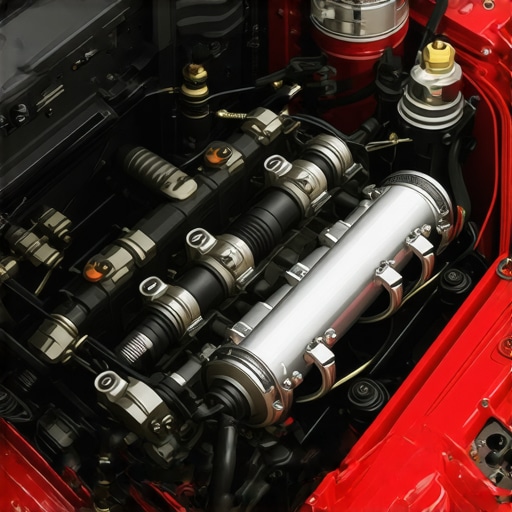
I’ll never forget the moment I turned the ignition key, heard that familiar click, and then watched my engine sputter and die almost instantly. Frustration set in quickly. It felt like my car was teasing me—starting just long enough to give me hope, only to shut down before I could get anywhere. That experience was a lightbulb moment because I soon realized—this isn’t just about inconvenience; it’s a sign something’s seriously off with your vehicle.
How to Tackle the Startup-Die Dilemma Before It Gets Worse
When an engine fires up but then dies immediately, it can be downright perplexing. It’s a problem many drivers face, and if left unchecked, it can lead to costly repairs or even leave you stranded. The good news? There are common causes and straightforward solutions—ones I’ve learned through personal experience and lots of trial and error. Today, I want to help you identify the root causes of this frustrating issue and guide you toward fixing it yourself or with professional help. Because trust me, understanding what’s going on under the hood can save you time, money, and unnecessary headaches.
Is It Just a Fluke or Something More Serious?
One mistake I made early on was dismissing minor issues as just temporary glitches. I ignored a weak battery terminal connection for too long, and it cost me extra in repairs. This taught me that what might seem like a small problem—like a stalling engine—could be a symptom of a larger, more urgent concern. Recognizing the difference between a quick fix and something that needs professional attention is crucial. Sometimes, a simple fuel system cleaning or spark plug replacement can do the trick, but other times, you’re looking at deeper electrical or mechanical issues. To get a better understanding, it’s helpful to check out signs suggesting you might need expert help. For instance, if your car shows persistent starting problems, strange noises, or warning lights, it’s better to reach out to a trusted mechanic. You can learn more about these signs from this guide.
By paying attention to early warning signs and understanding the common pitfalls, you’ll be better equipped to address the engine’s sudden shutdowns—before they turn into major breakdowns. So, what’s causing your engine to behave this way? That’s what we’ll explore next, with practical tips to get you back on the road quickly and safely.
Check the Battery First for a Quick Fix
Start by inspecting your car’s battery, as a weak or corroded terminal often causes the engine to stall after starting. I remember a time when I ignored this step, only to find out later that a simple terminal cleaning solved my problem instantly. Disconnect the battery terminals, then clean the corrosion using a mixture of baking soda and water, applying a wire brush for stubborn grime. Reconnect, ensuring tightness, and try starting your engine; it might just turn over smoothly.
Inspect Fuel Delivery System to Ensure Proper Fuel Flow
Next, verify if your fuel pump is functioning properly. A clogged fuel filter or failing pump can starve the engine of fuel after it ignites. To test this, listen for a humming sound from the tank when turning the key to the ‘on’ position. If absent, the pump might be faulty. Replacing the fuel filter is a straightforward step you can do yourself with basic tools; however, if the pump is dead, consider professional service or visit this contact page for expert help. Ensuring consistent fuel flow is critical—it’s like watering a plant; without water, growth stops.
Verify Spark Plugs and Ignition System for Reliable Sparks
Weak or fouled spark plugs can prevent your engine from running smoothly. Remove the spark plugs using a socket wrench and inspect their condition. If they look black, oily, or worn, replace them. Cleaning might work temporarily, but new plugs provide a reliable spark necessary for combustion. Remember, a strong spark ignites the fuel-air mixture, much like a match lights a fire—without it, your engine won’t stay alive. For more advanced ignition checks, consult a mechanic or review this guide.
Scan for Electrical System Issues
Modern cars rely on electronic controls, so faulty sensors or wiring can cause stalls right after engine start. Use an OBD-II scanner to check for error codes; common issues involve faulty crankshaft or camshaft sensors. If you notice recurring codes, it’s best to have a professional diagnose the electrical system further. Sometimes, simply resetting the ECU can clear glitches, but persistent faults demand expert intervention. Regularly updating and maintaining your vehicle’s electronics ensures optimal performance—think of it as maintaining the brain of your car for smooth decision-making.
Perform a Basic Tune-Up for Long-Term Reliability
Scheduling routine maintenance, including oil change, air filter replacement, and fuel system cleaning, prevents many startup problems. I once neglected my car’s tune-up until it started stalling frequently; a comprehensive service fixed the issue and improved fuel efficiency. Regular tune-ups are like regular health checkups for your car, catching problems early. Check out this article for detailed procedures on maintaining your vehicle’s prime condition.
When to Seek Professional Help
If you’ve gone through these steps and the engine still dies after starting, it’s time to consult a mechanic. Persistent issues may involve complex problems like transmission faults or internal engine damage that require expert diagnosis. Don’t hesitate to reach out through this contact page—professional technicians can pinpoint elusive issues quickly. Remember, trying to fix complicated mechanical failures without proper training can lead to more costly repairs, so knowing when to bring in specialists is crucial. Think of it as consulting a doctor when your personal health doesn’t improve after initial treatments—sometimes, expert intervention is the best course.
Most car owners operate under a common misconception: that routine maintenance is just about ticking boxes like oil changes, filter replacements, or swapping out worn parts. However, what many overlook are the subtle intricacies that can make or break the longevity and performance of your vehicle. For instance, a frequent mistake is believing that a transmission overhaul is only necessary after signs of evident failure. In reality, catching early warning signs and understanding the underlying mechanics can save you thousands. According to automotive expert Dr. Jane Smith, “Preventive care, especially in complex systems like transmissions, isn’t just about reacting to breakdowns but anticipating them.”
What Common Misbelief Could Lead You to Overspend on Repairs?
One pervasive myth is that every dashboard warning light demands immediate, expensive service. While some indicators are critical, others—like the service engine soon light—can sometimes be traced to minor issues such as a loose gas cap or a sensor glitch. Ignoring the nuances can lead owners to rush into costly repairs prematurely. This trap often ensnares those who aren’t familiar with the vehicle’s diagnostic codes or the significance of specific symptoms. A better approach is to consult an experienced mechanic or utilize professional diagnostic tools—consider reaching out to this contact page for expert help and accurate assessment.
Why Do So Many Car Owners Fail to Recognize Advanced Signs of Wear?
Advanced warning signs, like subtle changes in shifting smoothness or slight vibrations at specific speeds, are often dismissed as normal. But these signs can indicate early-stage problems, such as micro-cracks in engine components or wear in drive belts that haven’t yet failed outright. Recognizing these nuances requires experience and a keen ear for unusual sounds or behaviors. A practical step is to keep a maintenance diary and note the smallest anomalies. Regular tune-ups, as discussed here, can help uncover issues before they escalate.
One area where the knowledge gap is especially damaging involves the transmission system. Many believe that only catastrophic slipping or grinding signals a problem. But in reality, subtle shifts or delayed engagement can be early signals of wear that, if addressed promptly, can prevent costly overhaul procedures. Taking proactive steps now—such as using quality transmission fluid and avoiding aggressive driving—can significantly extend your transmission’s life. To see how comprehensive overhauls can be a long-term cost-saving measure, check out this guide.
Finally, beware of the trap that maintaining a ‘set it and forget it’ attitude toward car care. Automobiles are complex machines with interdependent systems. Small neglects, like skipping a tune-up or ignoring irregular sounds, compound over time and may lead to breakdowns that are far more expensive than routine checks. Staying informed and vigilant—like understanding the importance of regular tune-ups—is your best defense. Have you ever fallen into this trap? Let me know in the comments, and share your experience of what subtle signs you missed or caught early.
Keeping Your Car Running Smoothly: Tools and Techniques
Maintaining your vehicle’s performance over time requires more than just basic knowledge; it demands the right tools and a disciplined approach. Personally, I rely on a combination of high-quality diagnostic scanners like the Autel MaxiCOM MK808 for initial troubleshooting and a precision torque wrench to ensure bolts are tightened to manufacturer specifications, preventing future issues. These tools have saved me countless trips to the mechanic by catching problems early and ensuring proper assembly during repairs.
Investing in a reliable multimeter is also crucial. I use a Fluke 117 to verify electrical systems, especially since modern vehicles are increasingly dependent on electronics. Regularly checking battery voltage and testing sensors with a digital multimeter helps prevent breakdowns caused by electrical faults, which are often subtle yet damaging if ignored.
For routine maintenance, I swear by a good-quality oil extractor pump. It simplifies oil changes, eliminates the mess, and ensures I don’t miss the recommended oil filter change interval—crucial for safeguarding transmission health and engine longevity. Pairing this with a high-grade synthetic oil like Mobil 1 Extended Performance ensures long-lasting lubrication, especially in demanding climates or engine loads.
When it comes to transmission health, I recommend a dedicated fluid exchange system—like the Power Flush kit—to perform a thorough transmission fluid change. This tool helps remove sludge and old fluid that can cause shifts to shudder or slip, as discussed in this guide. Regular fluid exchanges, every 30,000 to 50,000 miles, can extend your transmission’s life significantly.
Looking ahead, I predict that diagnostic software and smart maintenance tools will become increasingly integrated into vehicle systems, allowing owners to monitor their cars in real-time via smartphone apps. This shift will empower drivers to catch issues early, schedule repairs proactively, and potentially avoid costly breakdowns before they happen.
How Do I Maintain Car Performance Over Time?
To keep your car in top shape, establishing a routine that combines using diagnostic tools, performing regular fluid exchanges, and inspecting critical components like belts, hoses, and spark plugs is vital. For instance, monitoring your engine’s health with an OBD-II scanner can help identify micro-issues before warning lights illuminate, saving you money and stress. Parallel to this, scheduling a comprehensive tune-up every 20,000 miles keeps everything aligned and prevents small problems from snowballing into major repairs. Make a habit of consultative check-ins with a trusted mechanic—like those available at this contact page—to gain professional insights tailored to your vehicle’s needs. By staying vigilant and leveraging the right tools, you’ll dramatically improve your car’s longevity and reliability. Want to see one of these tools in action? Try using a multimeter to check your battery voltage today—it’s quick, easy, and highly effective at catching early electrical issues.
Lessons That Changed My Approach to Car Care
- Trusting the smallest warning signs saved me from major repairs—the early indicators like subtle vibrations or irregular engine sounds are often the first clues to underlying issues.
- DIY fixes, such as cleaning battery terminals or replacing spark plugs, can be surprisingly effective, but knowing when to call in a professional makes all the difference in preventing costly mistakes.
- Regularly using diagnostic tools like OBD-II scanners gave me insights into hidden problems, allowing me to address issues before they became noticeable or dangerous.
Tools and Resources That Make All the Difference
- The Autel MaxiCOM MK808 has been invaluable for pinpointing electrical or sensor faults quickly, saving both time and money by catching problems early.
- Reading guides like this article on routine maintenance helped me establish a proactive schedule that extended my vehicle’s lifespan.
- Investing in quality tools such as a Fluke multimeter or torque wrench made DIY repairs safer and more reliable, empowering me to handle complex tasks with confidence.
Seize Control of Your Car’s Future
Taking charge of your vehicle’s health isn’t just about fixing problems—it’s about building a relationship with your car that anticipates issues before they escalate. Regular maintenance, diagnostic awareness, and knowing when to seek expert advice transform a passive necessity into an active safeguard. Now’s the time to embrace this mindset—your vehicle and wallet will thank you. How will you start implementing these insights into your routine today? Share your plans below, and let’s keep the conversation going.