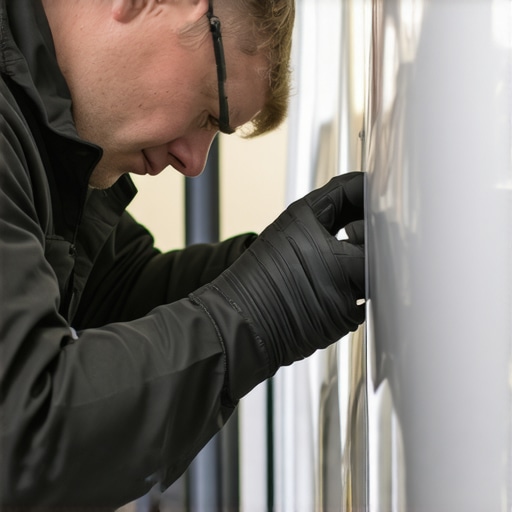
Ever pulled into your driveway, only to spot that tiny dent on your car door? It hits a little differently when it’s a stubborn door ding and you know you didn’t cause it from any major mishap. I used to get so frustrated, often resorting to quick fixes that either made things worse or left my paint scratched and worse for wear. That lightbulb moment? Recognizing that there’s a way to banish these pesky dents without harming your car’s finish.
Say Goodbye to Risky Repairs
Getting rid of door dings can feel like walking a tightrope. Every attempt I made—whether trying to push the dent out with my fingers or using cheap repair kits—ended with uneven surfaces or scratches. My car’s paint was delicate, and I learned the hard way that aggressive methods can do more harm than good. But what if I told you there’s a proven technique to safely remove those unwanted spots?
Is It Really Possible to Remove Dings Without Damaging the Paint?
Initially, I thought it was a myth—something only professional body shops could pull off. But after making my fair share of mistakes, I discovered that patience and the right tools make all the difference. Using the correct technique, you can gently coax out the dent, preserving your paint and your wallet. Curious about the step-by-step process? Stay tuned, because I’ll walk you through everything you need to know to do it yourself.
Many auto experts emphasize the importance of proper dent removal methods. For example, a recent study highlighted that improper DIY fixes can often lead to more extensive damage, costing you a lot more in the long run. So, understanding how to approach this task correctly isn’t just about saving paint—it’s about protecting your investment.
Ready to learn how to fix those pesky door dings safely and effectively? Let’s dive into the simple, proven techniques that can turn you from a rookie into a dent-removal pro, without risking your car’s pristine finish.
Gather Your Tools and Prepare
Start by collecting the right supplies: a hairdryer or heat gun, a plastic dent pulling tool, and some isopropyl alcohol or a cleaning wipe. I remember trying to fix a dent on my door without proper tools—resulting in a cracked paint surface. To prevent this, ensure your tools are clean and the area around the dent is free of dirt and grease. Testing the heat gun on a small, inconspicuous area first helps avoid overheating the paint—think of it like tuning a delicate instrument; a little care goes a long way.
Apply Heat to the Damaged Area
Heat softens the plastic at the dent site, making it more pliable. Turn on your heat gun or hairdryer and hold it about 6 inches from the surface, moving it in circles around the dent for about 2-3 minutes. This step is crucial—just like warming up a metal before straightening it, heating ensures the paint remains undamaged while the plastic becomes flexible. I once tried to straighten a dent with cold air, which was a mistake—nothing moved, and I risked cracking the paint. Proper heating makes the dent easier to manipulate.
Attach the Puller and Extract
Once heated, place the plastic pulling tab firmly over the center of the dent. Use your dent puller, pressing or vacuuming the tab to create suction. A firm pull is necessary; imagine trying to lift a stubborn sticker off a window—no gentle tug will do. As I pulled, the dent popped out unevenly—so I adjusted by repeating the heating and pulling process, which gradually restored the surface. The key here is patience—avoid jerking the pull, which can cause additional damage or paint cracks.
Refine the Surface and Check Your Work
After the dent is mostly out, move the heat gun back over the area for a few seconds to soften the plastic again. Gently push with your fingers around the edges to smooth out any remaining unevenness. If necessary, repeat heating and pulling for stubborn spots. I found that cool water sprayed onto the area immediately after the heat step causes the plastic to contract, pulling the dent further out—think of it as giving the plastic a finishing squeeze. Finally, inspect the surface from different angles to ensure it’s flush with surrounding panels. Spotting issues early prevents costly repairs down the line.
Handle Difficult Spots with Sound Advice
If the dent is in a tricky spot, like near a door handle or a crease, it might require more nuanced steps. For deep dents, adding a bit of professional-grade glue might help, but proceed with caution. Remember, forcing the dent can cause paint cracks or worse—so know when to seek expert repair, especially if your initial efforts don’t produce ideal results. Sometimes, a quick consultation with a local auto repair shop, like those detailed in auto repair insights, can save you time and money.
Many car owners enter the repair shop with preconceived notions that can hinder their understanding of the process and lead to unnecessary expenses. One prevalent myth is that all collision repairs are equally time-consuming and costly. In reality, the complexity of the damage, the quality of parts used, and the technician’s expertise significantly influence the repair duration and cost. For example, a minor fender bender may take just a few hours if handled by an experienced technician using proper techniques, whereas overlooked issues like frame damage can escalate repair times dramatically.
Another misconception is that newer cars require less maintenance or that modern technology makes repairs easier. While advancements in automotive technology have improved vehicle performance, they also introduce new complexities that require specialized knowledge and equipment. Attempting to perform DIY repairs on modern electrical systems or transmissions often results in more harm than good. Consulting experts or referring to authoritative guides such as transmission overhaul benefits can clarify what is truly needed.
Why Do People Misunderstand the Value of Routine Tune-Ups?
Many believe tune-ups are obsolete or only necessary when a vehicle is experiencing problems. However, regular tune-ups help prevent major breakdowns, improve fuel efficiency, and extend your car’s lifespan. Skipping scheduled maintenance can lead to unnoticed issues like worn spark plugs or clogged fuel injectors, which become costly repairs down the line. It’s akin to regular dental check-ups—preventive care saves money and discomfort over time.
One trap many fall into is thinking that all auto repairs are DIY-friendly. While minor fixes like replacing cabin filters or changing windshield wipers can be manageable, specialized tasks such as coolant flushes or transmission servicing often demand professional skills. Mishandling these procedures can trap air in cooling systems or cause leaks, leading to engine overheating or transmission damage. Always weigh the risks before attempting complex repairs yourself.
Advanced Insight: Are All Auto Shops Equally Trustworthy?
Not all repair shops follow the same standards, and choosing a shop based solely on price can be costly. Some facilities may cut corners, using cheap aftermarket parts or rushing repairs that jeopardize safety. To avoid this pitfall, check reviews and ask about warranties or guarantees on repairs. For instance, a reputable shop will stand behind their work and use high-quality parts, which can be verified through sources like signs your car needs expert repair. Trusting professionals with good credentials ultimately saves you money and peace of mind.
By understanding these hidden nuances and debunking common myths, you make smarter decisions about your vehicle’s maintenance. Remember, taking the time to learn the intricacies of auto repair can prevent costly mistakes and ensure your safety on the road. Have you ever fallen into this trap? Let me know in the comments.
Maintaining your vehicle’s performance over time requires more than just periodic visits to a mechanic. Having the right tools and understanding proper methods can save you money and keep your car running smoothly for years to come.
Invest in Quality Diagnostic Equipment for Long-Term Benefits
One of the most essential tools I personally rely on is a high-quality code reader that supports advanced OBD-II diagnostics. Unlike basic scanners, a professional-grade device allows me to read and clear trouble codes, monitor real-time sensor data, and even reprogram certain modules. This proactive approach helps me catch issues early—like a failing oxygen sensor—which if left unchecked, could impact fuel efficiency and emissions. Over time, owning such diagnostic tools enables quick troubleshooting, reducing dependency on auto repair shops and preventing minor issues from evolving into costly repairs. For example, mastering how to interpret sensor data can help anticipate problems in your transmission or cooling system, ultimately prolonging their lifespan.
#IMAGE_PLACEHOLDER_D#
Diagnostic tools can provide valuable insights into your vehicle’s health, helping you address problems before they escalate.
Utilize Specialty Products for Efficient Maintenance
When it comes to routine upkeep, I recommend keeping a set of specialized lubricants and cleaners designed for specific systems. For instance, using a dedicated transmission flush kit, as discussed in this guide, ensures that your transmission fluid stays clean and free of debris. Regularly performing such maintenance can prevent slipping and shuddering, which often lead to expensive repairs. Additionally, a good quality coolant flush system helps prevent engine overheating and coolant leaks, protecting components like the radiator or water pump. Employing these specialized tools and products consistently across your car’s lifespan yields better long-term results, reducing the need for major overhauls.
#IMAGE_PLACEHOLDER_D#
Using the right maintenance equipment can extend your vehicle’s life and improve performance.
How do I maintain my car’s parts over time? Achieve reliability with routine care and proper tools
Keeping your vehicle in top shape isn’t just about fixing problems as they occur. Establishing a regular maintenance routine, supported by the right tools, helps you stay ahead of wear and tear. For example, scheduling periodic transmission fluid changes with a quality flushing kit, as outlined here, can prevent costly replacements and ensure smooth shifting. Similarly, using a trusted spark plug socket and a torque wrench ensures engine components are fitted properly, avoiding premature failure. Remember, long-term reliability hinges on consistent, informed care—think of it as a health regimen for your car that pays dividends in performance and safety.
Looking ahead, innovative diagnostic software integrated with smartphone apps makes vehicle monitoring more accessible and precise. These trends promise to democratize auto maintenance, empowering owners to diagnose issues accurately and perform minor repairs confidently. So, whether you’re tuning up a transmission or sweetening your cooling system, investing in the proper tools today sets the foundation for a trouble-free driving experience tomorrow. Don’t forget—regularly reviewing your car’s health with advanced diagnostics can catch hidden problems early, saving you money and hassle in the long run. Why not try out that premium code reader or coolant flush kit and see the difference it makes? Your vehicle will thank you for it.
What I Wish I Knew About Car Repairs from the Start
One of the biggest lessons I learned is that patience truly is a virtue when it comes to auto repair. Rushing through a fix often leads to more headaches and additional costs. I also discovered that investing in quality tools and doing thorough research can make even complex repairs manageable. It’s tempting to think you need to be a professional to fix your car, but with the right guidance, anyone can learn to handle basic maintenance and repairs effectively. Lastly, I realized that understanding your vehicle’s systems helps you communicate better with repair shops, ensuring you get honest advice and fair prices.