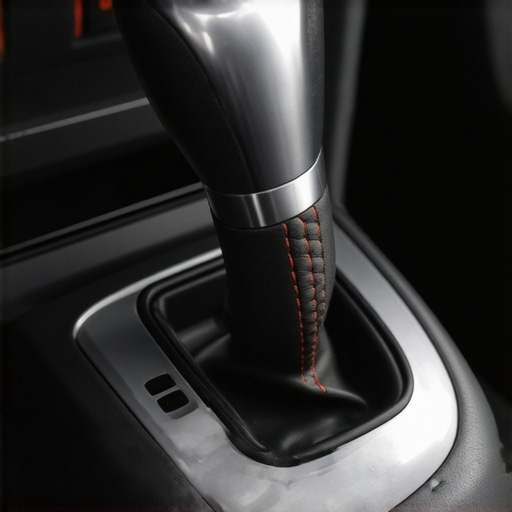
I vividly remember the first time I struggled to get my stick shift into first gear on a chilly morning. The car struggled, protested, and I felt that familiar flicker of frustration mixed with embarrassment. It wasn’t just a minor inconvenience—it felt like my car was deliberately resisting me. If you’ve ever experienced this, you’re not alone. Many drivers find their manual transmissions stubborn at times, especially when attempting to engage first gear.
Why Is Shifting Into First Sometimes Such a Battle?
Manual transmissions are mechanical marvels, but they require proper care and understanding. Your difficulty might stem from factors like clutch wear, misadjusted linkages, or transmission fluid issues. Addressing these problems isn’t just about smooth driving; neglecting them can lead to costly repairs down the line. Early on, I made the mistake of ignoring a stubborn clutch pedal, thinking it was just a minor hitch. That was a mistake, because ignoring minor inconveniences in your transmission can accelerate damage, as noted by automotive experts. According to Collision Fixer, regular maintenance can prevent the need for expensive overhaul repairs, saving you money and preventing breakdowns.
Have you faced similar issues when trying to shift into first? If so, keep reading. In this guide, I’ll walk you through the common reasons behind your transmission woes and show you practical steps to fix them yourself or know when to seek professional help.
Check Your Clutch Pedal and Cable
Begin by pressing the clutch pedal firmly and holding it down to assess its feel. If it feels spongy or sinks to the floor unexpectedly, the clutch cable or hydraulic system might need adjustment. I once took my car to a mechanic for a stubborn first gear, only to discover the clutch pedal had lost tension. Adjusting it myself using basic tools restored smooth shifting.
Inspect the Clutch Cable or Hydraulic System
Look for Visible Damage or Leaks
If your vehicle uses a cable, check for fraying or corrosion. For hydraulic systems, examine the master and slave cylinders for leaks or corrosion. A leak of brake fluid into the clutch system caused my first gear to grind, highlighting the importance of inspecting fluid levels and lines regularly. If leaking, replacing the faulty component can resolve the issue and prevent further damage.
Adjust the Clutch Free Play
Proper free play ensures the clutch fully engages and disengages. Locate the adjustment nut or screw near the pedal or transmission, and follow the manufacturer’s specifications. During my last tune-up, I adjusted the free play slightly, which made shifting into first smoother and more precise.
Examine Transmission Oil and Linkages
Low or dirty transmission fluid hampers gear engagement. Drain and replace the transmission fluid with the correct type, as specified in your owner’s manual. I once forgot to check my transmission fluid before a trip, leading to stiff shifts, but a quick change restored normal function.
Next, inspect the gear shifter linkage and bushings for wear or misalignment. Worn bushings can cause sloppy shifts, making engagement difficult. Replacing these small components is straightforward and often overlooked. During my experience, a worn linkage bushings caused a rattling noise and hard shifts, which improved immediately after replacement.
Test the Clutch and Transmission
After adjustments and inspections, perform a test drive. Engage and disengage gears at different speeds, watching for smoothness and noise. If initial gear still resists or grinds, consider professional diagnosis. Sometimes, internal transmission issues like worn synchromesh rings are to blame, requiring specialist attention.
Prevent Future Shifting Problems with Regular Maintenance
Consistent check-ups of your clutch system and transmission fluid can prevent most issues. Scheduling periodic tune-ups, as suggested by Collision Fixer, keeps everything running smoothly.
Remember, addressing shifting issues early isn’t just about comfort—it’s about avoiding costly repairs down the line. Keeping an eye on transmission health ensures a long-lasting, reliable driving experience.
Many car owners believe that vehicle maintenance is straightforward, but the reality is far more nuanced. One common misconception is that simply following a strict maintenance schedule guarantees longevity, yet neglecting the subtle signs of wear can lead to costly repairs. Professionals emphasize that understanding the complexities behind transmission health, like the importance of timely transmission fluid changes, can prevent major overhauls. For example, a study published in the Journal of Automotive Engineering highlights how neglecting minor issues such as slipping gears or delayed shifting can cause internal component damage over time, increasing repair costs. Another trap owners fall into is assuming that all service providers offer equal quality; choosing a reputable shop—like Collision Fixer—can make a significant difference. Regular tune-ups and fluid checks aren’t just about ticking boxes; they’re about catching issues early. Many technicians warn about the pitfalls of using generic or low-quality replacement parts, which may save money initially but compromise long-term reliability. To avoid these pitfalls, educate yourself on the specific needs of your vehicle’s make and model, and consider consulting trusted sources for maintenance tips. Remember, preventive care extends beyond changing oil—it’s about a holistic understanding of your car’s inner workings to ensure safety, efficiency, and durability. Do you often overlook these details? Have you ever fallen into this trap? Let me know in the comments and visit our contact page to get expert help before small issues turn into big problems.
Mastering Your Garage Arsenal: Tools I Trust
When it comes to keeping your car in top shape, having the right tools makes all the difference. I personally swear by a high-quality digital multimeter for precise electrical diagnostics—it’s invaluable when troubleshooting battery issues or sensor malfunctions. A reliable torque wrench ensures that bolts, especially on suspension or brake components, are tightened to manufacturer specifications, preventing future failures. For fluid changes, I recommend a good transmission fluid pump—these allow for effortless and mess-free refilling, which is crucial for proper transmission health. Investing in a set of quality screwdrivers, pliers, and socket sets is non-negotiable; they’re the backbone of any repair job, large or small. A digital scan tool is another game-changer, letting you read and clear engine codes with ease, and gaining insights into the vehicle’s internal systems without breaking the bank. Having these on hand not only speeds up repairs but also empowers you to address routine maintenance on your own.
Software That Transforms Your Maintenance Routine
Beyond physical tools, modern software solutions can vastly improve your car care. I prefer using dedicated automotive diagnostic apps like OBDLink or BlueDriver, which connect to your car’s OBD-II port via Bluetooth. These apps provide real-time data, live sensor readings, and in-depth diagnostics—saving you trips to the mechanic for small issues. Additionally, keeping a digital maintenance log using apps like Drivvo helps track oil changes, tire rotations, and fluid replacements, ensuring you stick to recommended schedules and spot patterns before problems escalate. As vehicle technology advances, staying updated with the latest software updates from manufacturers guarantees compatibility and ongoing support. Embracing tech not only streamlines maintenance but also extends your car’s lifespan significantly.
Long-term Care Strategies for Peace of Mind
Consistency is key when it comes to vehicle upkeep. I schedule quarterly inspections, checking vital components like brake pads, fluid levels, and belts. Regular transmission fluid changes—at intervals suggested by Collision Fixer—prevent costly overhauls down the line. Incorporating preventive measures like wheel alignment and tire balancing every six months ensures even tire wear and optimal fuel efficiency. Additionally, addressing small anomalies—such as a faint squeal when applying brakes or slight steering vibrations—promptly can save you from major repairs later. As electric and hybrid vehicles become more prevalent, future maintenance will increasingly depend on digital diagnostics and specialized tools, emphasizing the importance of staying adaptable and informed.
How do I maintain my auto repair tools and systems over time?
Proper care and calibration are vital. Keep your multimeter and scan tools clean, store them in dry, padded cases, and replace batteries regularly. Lubricate moving parts of your torque wrench and calibrate electronic tools annually to ensure accuracy. Software updates from brands like BlueDriver can often be downloaded automatically or via PC, keeping your diagnostics current with latest vehicle models. Remember, a well-maintained toolbox and up-to-date software can make the difference between a smooth repair experience and a frustrating one. For a more comprehensive approach, visit our contact page for expert advice tailored to your setup. Try integrating a diagnostic app into your routine; it’s a simple yet powerful step toward long-term vehicle health.
Lessons Here That No One Tells You
One of the toughest pills to swallow was realizing that neglecting minor transmission issues leads to major headaches later. I learned that early symptoms like grinding or stiffness aren’t just annoyances—they’re warnings. Insisting on quick fixes without understanding their root causes can snowball into costly repairs, a mistake I’ve seen too often among DIY enthusiasts. Often, the tiniest adjustments or timely fluid changes can extend your transmission’s lifespan significantly, saving money and stressing you less. If I had known earlier that regular monitoring of clutch engagement and fluid levels is crucial, I might have avoided the frustration of replacing an entire transmission down the line.
Tools and Resources I Depend On
Over time, I found that investing in quality diagnostic tools like the best torque wrench and a reliable scan tool revolutionized my approach. These tools empower you to diagnose issues promptly, often before they escalate. I also swear by specific books that delve deep into transmission mechanics—like “Auto Repair for Dummies”—which clarify complex concepts in a straightforward way. Moreover, connecting with expert communities online has provided insights that no generic tutorial can offer. These resources have become my go-to, helping me maintain my vehicle confidently and avoid unnecessary trips to the shop.
The Mindset That Keeps Me Going
Taking ownership of transmission health requires patience and curiosity. Every click, slip, or strange noise is a message from your car telling you something’s amiss. Instead of reacting out of frustration, I view each issue as an opportunity to learn and improve. This shift in perspective transformed my approach from reactive to proactive. Remember, auto repair and maintenance are as much about mindset as skills. Facing the challenge head-on builds confidence and extends the lifespan of your vehicle. If you keep this attitude, even tricky issues like clutch adjustment or fluid leaks become manageable. What’s one small step you can take today to better understand your vehicle? Drop a comment below—I’m here to help. And if you’re ready for expert guidance, don’t hesitate to visit our contact page.
**
Gear Up for Your Next Drive**
Autonomy in auto repair is empowering. Each successful fix boosts your confidence, saves money, and deepens your connection with your car. Remember, tackling transmission issues isn’t about perfection—it’s about steady progress and learning from each experience. Keep your tools sharp, stay informed, and approach challenges with curiosity. Your vehicle, and your wallet, will thank you. Now, tell me—what transmission problem are you most eager to conquer on your own? Share your story below, and let’s keep the conversation rolling!