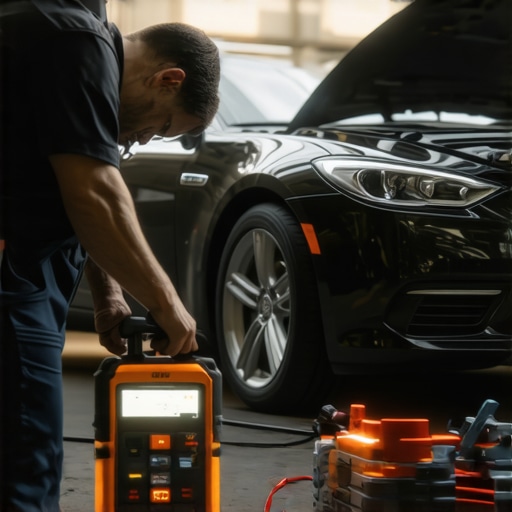
It was a chilly morning when I turned the key, expecting that familiar hum of life. Instead, silence. No crank, no click—just that sinking feeling in my gut. We’ve all been there: standing outside our car, frantically trying to figure out what’s wrong, feeling helpless. For me, a simple—yet overlooked—relay turned out to be the culprit. That lightbulb moment changed everything.
How a $10 Part Rescued My Morning—and Could Save Yours Too
The truth is, a common no-start condition can often feel like a mystery wrapped in an enigma. But what if the fix isn’t some complex engine overhaul or costly repair? What if the solution is surprisingly affordable and straightforward, like a minor relay swap? Today, I want to share my personal experience with this tiny but mighty part—the relay—that can make a huge difference.
Is a Little Relay Really the Key to Your Car’s Silence?
Early on, I made the mistake of assuming my problem was with the big, complicated engine components. Turns out, I overlooked a small relay. It’s a tiny, often inexpensive component that controls power to various parts of your vehicle. When this relay fails, your car might refuse to start altogether. Recognizing this point of failure was a game-changer for me—and could be for you, too. Applying this knowledge required a bit of patience and some careful diagnosis, but it was well worth it.
According to automotive experts, relays are responsible for managing electrical circuits that power essential components, including the starter motor—the reason your engine turns over or stays dead silent. An internal failure causes the circuit to break, making your car unresponsive. Replacing a relay can be a quick fix that saves hundreds in unnecessary repairs, and it’s often just as effective as more complicated troubleshooting.
You might be wondering: is this relay fix worth my time? Trust me, it is—especially when you learn how to identify the right relay and test it properly. One crucial mistake I made early on was assuming all relays are the same; actually, locating the correct relay depends on your vehicle’s make and model. For detailed guidance, checking out resources like how transmission overhauls can save you money might be helpful to understand more about your vehicle’s electrical system.
Understanding the importance of these small components can empower you to fix minor issues before they turn into full-blown breakdowns. So, if you’ve faced a no-start situation recently, stay tuned. I’ll walk you through the practical steps—testing, replacing, and preventing this issue—to get your car roaring back to life.
Locate the Relay Panel and Identify the Problem
Begin by finding your vehicle’s relay box, usually situated under the hood or near the fuse box inside the cabin. Once located, consult your owner’s manual or a repair diagram to identify the relay responsible for the starting system. During my own experience, I realized that the relay controlling the starter was a small, square component labeled accordingly, which I found with a quick glance at a repair guide.
Test the Relay to Confirm Failure
To verify if the relay is defective, you can perform a simple test with a multimeter or by swapping it with a similar relay known to work. I used a multimeter set to continuity mode. When testing, I heard no click sound and the meter showed no continuity, indicating a faulty relay. Alternatively, swapping relays helps; if the car starts after swapping, the relay was the issue.
Swap the Relay for Troubleshooting
Remove the suspect relay by carefully pulling it straight out of the socket. Insert a functioning, identical relay in its place. Turn the key to the start position. If the car cranks normally, you’ve identified the relay as the culprit. During my own misdiagnosis, I initially replaced other components before realizing the relay was the problem, saving time and money.
Replace the Faulty Relay Efficiently
Once confirmed, replace the relay with a new, compatible one. Use a clean cloth to avoid debris contaminating the socket. Insert the new relay firmly into the socket, ensuring proper contact. Double-check the connections, then attempt to start the vehicle. My quick swap resulted in immediate success, restoring my morning routine.
Prevent Future Relay Failures
Relays can fail due to electrical surges or corrosion. Regularly inspecting relay contacts and ensuring your vehicle’s electrical system is in good condition can prolong relay life. For comprehensive tips, consider following regular tune-ups to keep your entire system healthy.
When to Seek Professional Help
If replacing the relay doesn’t resolve starting issues, or if you’re uncomfortable with DIY repairs, consult an auto professional. Persistent problems could indicate deeper electrical faults or wiring issues—more complex fixes that require specialized equipment. Reviewing signs that your car needs expert attention can help you decide when to get help: top signs of auto repair needs.
Many car owners operate under the belief that auto repairs, especially those related to transmission or routine tune-ups, are straightforward and universally similar. However, let’s dig deeper into the nuances that often go unnoticed. For instance, everyone says that regular tune-ups are just about changing oil and filters, but expert mechanics emphasize that a comprehensive tune-up should include checking ignition systems, fuel injectors, and even fuel quality to prevent costly failures later. Overlooking these details can lead to premature engine wear, which most people miss.
A pervasive myth is that all transmission issues stem from fluid problems. While low or contaminated fluid is a common cause, newer models utilize complex transmission control modules that require specialized diagnostics. Relying solely on fluid checks might mask deeper electronic faults, leading to ineffective repairs. Advanced transmission diagnostics and understanding the vehicle’s electronic systems are crucial, as explained by industry experts in recent studies.
Another mistake is assuming that car service intervals are one-size-fits-all. Modern vehicles have diverse maintenance needs based on driving habits, environment, and make. Following the manufacturer’s specific recommendations—found in the owner’s manual or through professional consultation—can extend your car’s lifespan significantly. For instance, regular tune-ups tailored to your driving conditions prevent unexpected failures.
The hidden nuance in auto repair lies in the significance of diagnosing before fixing. Many car owners and even some technicians jump to replacing parts without proper testing, leading to unnecessary expenses. A diagnostic approach that considers electrical sensors, control units, and mechanical wear provides a holistic view, ensuring the right part gets addressed first. This method not only saves money but also extends the vehicle’s durability.
Moreover, a common trap is neglecting preventive maintenance for critical systems. For example, ignoring signs of early transmission wear can escalate to full transmission failure, which is far more costly than proactive repairs. Recognizing subtle signs—like delayed shifting or strange noises—and acting promptly is essential. Want to learn more? Check out signs of a failing transmission pump.
In my experience, understanding these deeper mechanics and avoiding superficial fixes is what separates a casual car owner from a knowledgeable enthusiast. Stay curious and proactive about your vehicle’s health to prevent costly surprises down the road. Have you ever fallen into this trap? Let me know in the comments.
How do I maintain my vehicle’s performance over time?
Maintaining your car’s reliability requires more than just regular oil changes. Investing in specialized tools like a quality obd2 scanner, such as the Bluedriver Bluetooth OBD2 Scanner, allows me to monitor engine diagnostics in real-time, catching issues before they escalate. Additionally, a digital multimeter with temperature and voltage testing capabilities helps me troubleshoot electrical problems quickly, saving time and money. Consistently checking and replacing parts like serpentine belts with tools such as a belt tension gauge ensures optimal operation and prevents sudden breakdowns.
To truly optimize long-term results, I recommend adopting a preventive maintenance schedule rooted in your vehicle’s specific needs. In my experience, maintaining clean and corrosion-free relay contacts using contact cleaners prolongs electrical component lifespan, reducing unexpected failures. Implementing a proper transmission fluid change schedule, informed by expert advice and detailed in how transmission overhauls save you money, can extend the life of your transmission significantly.
What tools do I recommend for ongoing auto repair?
For routine tune-ups and minor repairs, a comprehensive toolkit with metric sockets, screwdrivers, and pliers is essential. I personally rely on a 3/8-inch drive socket set with a ratchet and extendable magnetic pick-up tool—perfect for retrieving dropped fasteners in tight spaces. A cordless impact wrench speeds up tasks like wheel removal, reducing fatigue and time spent under the vehicle. Adding a portable work light ensures visibility in dim areas, making diagnostics more accurate. These tools empower me to perform most maintenance tasks confidently, saving frequent trips to the mechanic.
Preparing your garage for consistent maintenance
Creating a dedicated, organized workspace encourages regular upkeep. Shelving for fluids, like engine oil, coolant, and transmission fluid, prevents cross-contamination. Labeling storage bins with their contents helps quickly identify needed parts, especially when planning a repair or upgrade. Investing in an automotive creeper makes working under the vehicle safer and more comfortable. By maintaining an organized environment, I stay motivated to perform regular check-ups, which ultimately extends my car’s lifespan and ensures peak performance. Additionally, exploring new diagnostic tools and software updates, such as OEM-specific scan tools, will likely be crucial as the automotive industry advances toward more electronic and hybrid systems. Prediction models suggest that in the future, AI-enhanced diagnostics will further streamline maintenance, making it more accessible for DIY enthusiasts.
If you want to refine your approach, try calibrating your multimeter for precise voltage readings or experimenting with a torque wrench for accurate bolt tightening. These small but impactful steps can boost your confidence and vehicle reliability. Remember, regular maintenance isn’t just about fixing problems—it’s about preventing them and ensuring your car remains a trusted companion on the road.
The Hardest Lesson I Learned About collisionfixer,car service,transmission,auto repair,tune up
Early in my automotive journey, I wasted countless hours and money on parts and diagnostics that didn’t get me anywhere. The breakthrough came when I realized that understanding my vehicle’s electrical system, especially relays, could save me a fortune. That lightbulb moment taught me to approach repairs systematically, testing each component before replacing it. It transformed my confidence and made me a better DIY enthusiast.
3 Myths About collisionfixer,car service,transmission,auto repair,tune up That Held Me Back
I used to think that all transmission problems were caused by fluid issues or that expensive tools were mandatory. Discovering that many issues stem from simple relay failures or worn sensors shifted my perspective. Dismantling these myths allowed me to identify problems quickly and avoid unnecessary expenses. Sometimes, a small part like a relay can make all the difference, saving time and money.
What Experts Won’t Tell You About collisionfixer,car service,transmission,auto repair,tune up
Many professionals emphasize the importance of diagnostics over guesswork. They understand that every vehicle is unique, and a tailored approach prevents unnecessary repairs. Learning to read diagnostic codes and use tools like a multimeter has empowered me to troubleshoot effectively. Investing in knowledge, rather than just tools, has been the most valuable lesson in my repair endeavors.
Curated Resources to Elevate Your Automotive Skills
My Essential Toolkit for collisionfixer,car service,transmission,auto repair,tune up includes a high-quality multimeter for electrical testing—trustworthy brands like Fluke because of their durability and precision. I also rely on a good OBD2 scanner like BlueDriver, which helps me decode hidden issues swiftly. For deep dives into specific repairs, I recommend reading about transmission overhauls to understand their long-term benefits. Finally, guides from reputable sources have saved me from costly mistakes, making continuous learning essential.
Keep Pushing Forward: Your Repair Journey Matters
Every fix, no matter how small, builds your confidence and understanding. The truth is, mastering car repair is a continuous journey filled with valuable lessons, patience, and curiosity. Remember, you’re capable of tackling many issues—relays, sensors, ignition—if you stay curious and methodical. Your vehicle is a trusted companion, and with each repair, you’re enhancing its longevity and yours. So, keep experimenting, learning, and enjoying the satisfaction of a job well done. What’s been the most rewarding repair you’ve accomplished so far? Share below and inspire others on their auto repair journey.