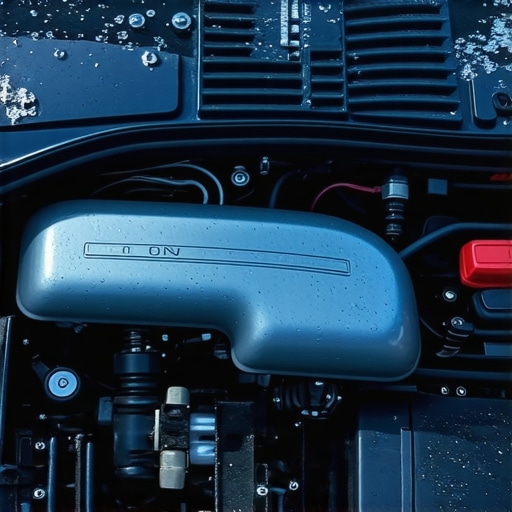
Ever been startled when your engine taps loudly on a chilly morning, only to find it quiet again after a quick drive? I remember the first time this happened to my car—my heart sank. I thought, “Great, another repair bill,” but what I discovered was way more interesting than I expected. It was a wake-up call that engines, especially in colder weather, do some unexpected tricks that can throw even seasoned car owners off guard.
That Unexpected Tap: A Wake-Up Call for Every Driver
One brisk winter morning, my car started making a rhythmic tapping noise as I turned the key. Initially, I panicked. Was it the oil? A valve? Something worse? But after some research, I realized that this seemingly alarming symptom often has a surprisingly benign cause—if you know what to look for. It’s a common issue that many drivers experience, and the key is understanding why it happens and what you can do about it.
Have You Faced This Cold-Weather Car Quirk?
If you’ve ever felt that nervous flutter when your engine starts tapping and then suddenly quiets, you’re not alone. I made a mistake early on—assuming it was a sign of severe engine trouble without checking the simple causes first. That was a rookie error, and I want to help you avoid the same. Today, we’re going to dissect why this tapping occurs, and more importantly, how to address it confidently.
Understanding this phenomenon isn’t just about peace of mind; it’s also about extending your vehicle’s lifespan. Regular tune-ups can prevent many cold-start issues [learn more about maximizing your car’s lifespan], saving you money and stress in the long run. Are you curious whether your engine’s tapping is something to worry about or just a harmless quirk? Let’s dive deeper into what causes this noise and how to tell if it needs professional attention.
Now, before jumping to conclusions or ignoring the problem, let’s explore what’s really happening under the hood when those cold morning taps start. Trust me, understanding it can save you a lot of trouble down the road.
Start with a Proper Inspection
Before diving into repairs, visually inspect your engine components for obvious issues—loose belts, worn spark plugs, or accumulated grime. Remember, a messy engine can masquerade as a mechanical problem. During my latest cold morning, I noticed my spark plug wires had shifted slightly, which could contribute to tapping noises. Carefully remove and examine each part, checking for cracks or corrosion. Investing a few minutes here can prevent unnecessary part replacements later.
Adjust and Replace Engine Oil
Cold weather thickens oil, reducing lubrication efficiency. I once faced a tapping noise that vanished after switching to a winter-grade synthetic oil. Drain the old oil, replace the filter, and refill with the right viscosity—consult your vehicle’s manual. This step is akin to giving your engine a shot of adrenaline; it ensures smoother operation and less noise. Regular tune-ups help prevent such issues.
Check Valve Clearances and Timing
Valves require precise gaps to open and close properly. Cold temperatures can cause metal parts to contract, altering clearances. Use a feeler gauge to measure these gaps according to your manual specifications. If they are off, adjust or replace shims accordingly. I once had to manually set the valve clearances on my old car—initially a messy job—but it paid off by silencing the engine and preventing long-term damage.
Examine Fuel and Ignition Systems
Misfiring ignitions or fuel mixtures can cause tapping sounds. Test the ignition coils and spark plugs; replace any that show signs of wear. Ensure a clean fuel system by adding an additive suited for cold-weather starting, which I did during a particularly harsh winter, resulting in a smoother engine start and quieter operation. For an optimal setup, regularly inspect and service these systems to avoid surprises.
Address Ignition Timing and Sensor Checks
Incorrect ignition timing can cause knocking or tapping during cold starts. Use a timing light to verify if the timing aligns with manufacturer specs. I once had to reset my distributor after noticing persistent knocking; setting the correct timing instantly reduced the noise and improved engine performance. Additionally, sensors like the crankshaft position sensor can affect timing; testing and replacing faulty ones can resolve unexplained taps.
Consider Professional Help for Persistent Issues
If after these steps the tap persists or you’re unsure about handling mechanics, it’s wise to consult specialists. Visiting experts can save you time and prevent costly damage. Remember, engines are complex machines—sometimes, a trained eye needs to diagnose hidden problems, such as low-start compression or internal wear, which aren’t obvious during a common inspection.
Applying these steps systematically will help you address most cold-start tapping issues confidently. Keep an eye on your vehicle’s behaviour, and don’t hesitate to seek professional advice when in doubt. Regular maintenance, like ensuring fresh oil and proper valve clearances, acts as your best defense against engine noises that start with a cold morning.
Many car owners operate under misconceptions about transmission, tune-ups, and general auto repair, often leading to costly mistakes. Let’s dig deeper into these assumptions, uncover hidden nuances, and help you avoid common pitfalls in vehicle maintenance. Contrary to popular belief, not every mechanic recommends a full transmission overhaul at the first sign of trouble; in fact, many issues are resolved with targeted repairs that save money and time. This misconception can trap owners into unnecessary replacements, which might not address the root problem. For example, a frequent myth is that replacing the transmission fluid alone can fix all transmission issues. However, specialists agree that in many cases, a comprehensive analysis, including fluid condition tests, reveals whether an overhaul is truly needed. Investing in regular tune-ups is often undervalued; most people think of them as optional, but they are vital for preserving vehicle health. Proper tune-ups, as detailed here, can prevent minor issues from escalating into major repairs. An advanced mistake many make involves neglecting the importance of meticulous diagnostics before repair. Rushing into part replacements without proper testing can lead to unnecessary expenses. For instance, incorrectly diagnosing engine misfires as failing spark plugs when the real cause might be vacuum leaks or sensor failures conjoins diagnostics with repair to optimize outcomes.
What advanced clues tell you that your transmission needs more than just a fluid change?
Experts suggest that subtle signs like delayed engagement, slipping during shifts, or unusual noises warrant comprehensive assessment. Regular inspections and understanding nuanced symptoms prevent premature replacements and extend your vehicle’s lifespan. If you’re curious about the full impact of these hidden factors, check out how transmission overhauls can actually save you money over time by addressing underlying issues early. Remember, knowledge is your best tool against costly mistakes; always question standard advice and seek a second opinion when in doubt. Have you ever fallen into this trap? Let me know in the comments.
Keeping It Running: Essential Tools for Auto Care
Maintaining your vehicle’s health over years requires the right set of tools. I swear by a high-quality digital multimeter; it lets me precisely test sensors, connections, and electrical components to spot issues before they escalate. A durable torque wrench is another indispensable item—it ensures I tighten bolts and nuts to manufacturer specifications, preventing future leaks or component failures. For inspecting engine compression, I use a reliable compression tester, which helps diagnose internal wear that isn’t visible externally.
Beyond hardware, software tools have revolutionized auto maintenance. I rely on diagnostic scan tools like the OBD-II scanner, which plug into the vehicle’s port and deliver real-time data on engine and transmission health. Personally, I’ve found a Bluetooth-enabled scanner paired with a smartphone app allows me to monitor critical parameters effortlessly, catching rising engine temperatures or misfires early. This proactive approach aligns with future trends, where telematics and remote diagnostics are bound to become standard for vehicle owners and repair shops alike.
How do I keep my car performing reliably over the years?
Regular preventative measures form the backbone of long-term performance. Schedule tune-ups as outlined in this guide. These are not just routine; they are strategic checks—think of them as health screenings that prevent major breakdowns. For example, inspecting and replacing spark plugs and ignition coils at recommended intervals can avert misfires that cause rough idling or worse, engine damage.
Furthermore, upgrading your maintenance regimen can be as simple as switching to synthetic oils, which resist thermal breakdown better than conventional oils. This enhances lubrication and reduces engine wear, especially in extreme weather conditions. On the transmission front, many owners overlook the importance of fluid condition. As detailed here, flushing and replacing transmission fluid at proper intervals preserves smooth shifting and prevents costly repairs.
In addition, positioning yourself with the right diagnostic skills is essential. Learning to recognize the subtle signs of wear—like a slight increase in engine temperature or shifting hesitations—can save you from costly repairs down the line. For instance, a tiny delay in gear engagement might require an inspection of solenoids and sensors, which you can assess with the right tools or professional help. Remember, investing in quality diagnostic equipment isn’t just for mechanics; as a car owner, having that knowledge keeps you ahead and saves money.
Future of Auto Maintenance: What’s Next?
The automotive realm is heading toward increased automation and AI integration. Imagine having an onboard system that not only detects issues but also predicts failures based on usage patterns—much like how some modern cars already warn drivers about impending tire or brake problems. This trend promises to make maintenance more predictive than reactive, reducing breakdowns and extending vehicle lifespan significantly. I expect future tools will combine sensors, machine learning, and cloud analytics to empower owners with insights previously accessible only to professional technicians.
To get you started today, try my preferred approach: regularly monitor your engine’s health using a Bluetooth OBD-II scanner paired with a comprehensive app. This small investment can reveal hidden issues early—saving you time and money. For ongoing advice and expert assistance, don’t hesitate to reach out via our contact page. Staying ahead with these tools and practices truly keeps your vehicle humming smoothly for years to come.
The Costly Truth I Had to Face About Engine Hesitations
One of the toughest lessons I learned was that not every strange noise indicates a catastrophic failure; sometimes, it’s a sign to check your routine maintenance habits. Overlooking simple issues like worn spark plugs or dirty filters can lead to expensive repairs down the line. This realization pushed me to adopt a more proactive approach to auto care, reminding me that knowledge and prevention go hand in hand in safeguarding my vehicle’s longevity.
Tools That Transformed My Approach to Car Troubleshooting
Having the right diagnostic tools changed my perspective on vehicle health. My trusted OBD-II scanner and quality torque wrench empower me to identify issues early and perform precise adjustments. These investments have saved me money and given peace of mind, proving that equipping yourself with essential tools is a smart move for any car owner determined to stay ahead of problems before they escalate.
Ignite Your Drive with Small Changes That Make a Big Difference
Today’s lesson is about taking action—simple tweaks like switching to winter-grade oil or inspecting your valve clearances can dramatically improve cold-start performance. Embracing a regular maintenance schedule, guided by expert advice, ensures your engine runs smoothly regardless of the weather. Remember, consistency and attentiveness are your allies in maintaining a reliable, safe, and efficient vehicle for the long haul.
What Do You Think? Share Your Cold Start Stories Below!
Have you experienced unexpected engine tapping or other cold-weather quirks? What solutions worked best for you? Drop your stories and tips in the comments; your experiences might be just what someone else needs to hear today!