
Have you ever been cruising down the highway, feeling pretty confident — until suddenly, your dashboard flickers with warning lights every time you press the gas pedal? I remember the first time this happened to me; I was just trying to enjoy a weekend drive when, out of nowhere, my speedometer and check engine light started dancing like a Disco inferno. It left me feeling uneasy and frankly a bit annoyed. That light flickering seemed tiny, but it hinted at something more serious lurking beneath the surface.
Decoding the Flickering Dashboard Lights
Why does your dashboard flicker when you accelerate? Well, from what I’ve learned over years of tinkering and talking with auto experts, this phenomenon often points to electrical issues — usually around your car’s wiring or battery system. When you hit the gas, your engine demands more power, and if your electrical system isn’t up to par, those warning lights can flicker or even turn on fully. Sometimes, it’s just a loose cable, other times, a failing alternator or battery connection is to blame. It’s like your vehicle’s way of raising a tiny red flag, warning you about potential troubles that might escalate if ignored.
Addressing this early on can save you big bucks down the line. Consider reading more about how proper maintenance might extend your vehicle’s lifespan by [getting regular tune-ups](https://collisionfixer.com/maximize-your-cars-lifespan-with-regular-tune-ups). And if you’re wondering whether this flickering is just an annoyance or something more dangerous, keep reading — I’ll be sharing some proven fixes that can get you back on the road safely.
Is Flickering Lights an Overhyped Car Problem?
I used to think that minor flickering was just a quirk, something to ignore until it worsened. Turns out, I made the mistake of dismissing it early on, which led to more costly repairs later. Trust me, acknowledging these signals early can make all the difference. Do you ever experience this flickering phenomenon? If so, don’t worry — I’ve been there, and I’ll walk you through exactly how to troubleshoot and fix it, so you can stop worrying about your car and start enjoying your drives again.
Start with a Visual Inspection of Your Electrical System
First, safely turn off your engine and open the hood to examine the battery and wiring for corrosion, loose connections, or damaged cables. Use gloves and eye protection. Remember, a loose terminal can cause fluctuating electrical signals, leading to flickering lights. I once found a corroded clamp that was barely holding on, and after cleaning and tightening, the flickering stopped immediately. Regularly inspecting your battery area can prevent future issues and is part of maximizing your car’s lifespan with routine tune-ups.
Test the Battery and Alternator Using a Multimeter
Use a multimeter to check the voltage across the battery terminals. A healthy battery at rest should read around 12.6 volts. Start your engine; voltage should increase to about 13.8–14.4 volts if the alternator is charging properly. If the voltage drops or remains too low, it may indicate a failing alternator or battery. I replaced my failing alternator after a quick test, which resolved my flickering issue and restored stable dashboard lights.
Locate and Test the Alternator’s Output
Follow the belt from the alternator to ensure it’s tight and not slipping. If you suspect a problem, have a professional perform a load test to diagnose alternator health accurately. Properly functioning alternators are like a heart pump for your electrical system, delivering necessary power to keep warning lights off. Check out how transmission overhauls save you money for more insights on vehicle system health.
Inspect and Replace Failing Relays and Fuses
Locate your vehicle’s fuse box and identify relays related to your dashboard indicators. A faulty relay can intermittently supply power, causing flickering. Swap suspect relays with known good ones or replace them altogether. This is a quick fix and often overlooked; a relay is like an electrical switch that controls the flow based on signals, and a worn-out relay can’t handle the load properly. Replacing relays is straightforward, and you can consult your owner’s manual for specifics.
Check for Software or Sensor Malfunctions
If the wiring and hardware are sound, consider a software update or sensor calibration. Modern vehicles often have electronic control units (ECUs) that manage warning lights. Sometimes, a simple reset or update through a professional scan can resolve flickering caused by sensor glitches. I once visited a mechanic who performed a quick reset using specialized tools, and the dashboard lights stabilized. This step is akin to rebooting your computer to fix a glitch.
Use a Diagnostic Scanner for Error Codes
Connect an OBD-II scanner to your vehicle’s port to read error codes. Tools like the 12-in-one diagnostic tool help identify underlying issues quickly. If codes related to the engine, battery sensors, or wiring appear, follow their guidance for precise repairs. Addressing these faults promptly can prevent minor issues from becoming costly problems.
Schedule Professional Maintenance
If all above steps fail or you’re uncomfortable performing them, consult a qualified mechanic. Regular inspections can catch electrical issues early. Remember, electrical problems can be complex, and sometimes, only a professional diagnostic will reveal the root cause. Preventative maintenance, including seasonal tune-ups, can keep your electrical system healthy and warning lights off.
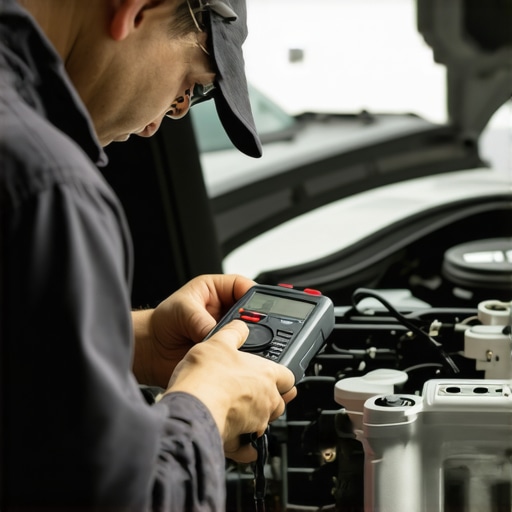 Many car owners believe that a tune-up or simple service can fix any issue on the spot, but the reality is far more nuanced. A common myth is that tuning a car involves only replacing spark plugs and changing oil, yet modern vehicles require a comprehensive diagnosis that considers the intricate interplay of sensors, ECU calibrations, and transmission systems. Relying solely on basic tune-up routines without understanding these complexities can lead to overlooked problems. In fact, skipping preventive diagnostics can cause minor issues to escalate into costly repairs, especially in transmission health, which is often misunderstood as just a replacement rather than a detailed overhaul that includes software updates and system calibrations.
An advanced mistake many make is neglecting the significance of holistic vehicle analysis during repairs. For example, when dealing with transmission concerns, it’s tempting to think that fluid changes alone will restore performance. However, experts emphasize the importance of a full system check, including transmission control module diagnostics and hydraulic system assessments, which can prevent poor shifting and gear slamming. According to automotive engineer Dr. Mark Roberts, “failure to perform comprehensive diagnostics can mask underlying problems, leading to component failures that could have been avoided with proper early detection.” This underscores the importance of partnering with experienced repair services like Collision Fixer that understand the intricacies of modern auto systems.
A hidden nuance is the role software updates play in vehicle performance. Many car owners aren’t aware that manufacturers regularly release ECU firmware updates to enhance fuel efficiency, safety, and shifting smoothness. Ignoring these updates can limit your vehicle’s potential and mask software glitches that might look like hardware failures. It’s comparable to updating your computer’s operating system—neglecting it can cause compatibility issues and security vulnerabilities, which are just as critical in automotive systems. Always insist on a diagnostic check for software updates during your service, especially if you experience unexplained warning lights or erratic transmission behavior.
Make sure not to fall into the trap of underestimating transmission health’s complexity when planning repairs. Fluid quality is essential, but so are the control solenoids, sensors, and mechanical components working behind the scenes. For instance, a transmission slamming into gear might seem like a simple fluid problem but could be caused by a failing solenoid or a sensor miscommunication. Proper diagnosis involves specialized tools like the 12-tool diagnostic platform, which can uncover hidden faults before they lead to complete transmission failure. This approach aligns with the advice to periodically review your vehicle’s system health for long-term savings, as discussed on Collision Fixer’s page about how transmission overhauls save money in the long run.
Have you ever fallen into this trap of oversimplifying auto repairs or ignoring the advanced aspects? Let me know in the comments. Remember, a well-informed approach ensures your vehicle’s longevity and optimal performance, saving you time and money over time.Maintaining your vehicle’s health over time requires more than just routine check-ups; it demands the right tools and a strategic approach to diagnostics and repairs. One of my go-to pieces of equipment is the professional-grade diagnostic scanner, like the 12-tool diagnostic platform. I personally use this device because of its comprehensive error code database and its ability to communicate with nearly all modern vehicle ECUs, making troubleshooting much faster and more accurate. This tool has saved me countless hours by pinpointing issues—whether it’s transmission problems, sensor malfunctions, or electrical glitches—before they escalate.
Over the years, I’ve discovered that many of the most crucial insights about auto repair aren’t in standard manuals or quick guides. They come from real-world experiences, conversations with seasoned mechanics, and a deep understanding of modern vehicle systems. These lessons have transformed the way I approach car maintenance, saving me time, money, and a lot of stress. If you’re tired of feeling in the dark about your car’s health, embracing these insider truths can make all the difference.
The Pitfalls No One Tells You About Basic Tune-Ups
Many car owners believe a basic tune-up is just about changing spark plugs and oil. But in reality, neglecting the deeper diagnostics can mask potential transmission or engine issues. For instance, a misdiagnosed sensor or outdated software might remain undetected without proper diagnostics, leading to costly failures down the line. I’ve learned that investing in comprehensive system checks, especially those involving ECU updates, pays off in the long run.
How Overconfidence in Simplicity Can Break Your Budget
It’s tempting to think that replacing a transmission fluid or upgrading a few parts is enough. However, these DIY fixes often overlook the interconnected nature of modern vehicle systems. In my experience, partnering with professionals who utilize advanced tools like the 12-tool diagnostic platform can uncover underlying issues before they escalate. Recognizing the limits of simple repairs is a game-changer.
Going Beyond the Obvious for Long-Term Savings
The smartest drivers I’ve met understand that maintaining a vehicle is about more than just reacting to warning lights. It involves proactive diagnostics, software updates, and system calibrations. For example, regular ECU firmware updates can enhance fuel economy and transmission performance, preventing surprises on the road. As Dr. Roberts emphasizes, a comprehensive approach to vehicle health can save hundreds, if not thousands, over the vehicle’s lifespan.
My Personal Revelation on Car Care
One of the most valuable lessons I’ve internalized is the importance of continuously educating myself about the nuances of auto systems. Relying solely on surface-level fixes without grasping their root causes often leads to recurring problems. Now, I prioritize understanding the full scope of issues, which has empowered me to make smarter decisions, from choosing the right service to knowing when to seek expert help. This mindset has changed my driving experience entirely.
Resources That Deepened My Knowledge
Over time, I’ve come to trust certain tools and sources. The 12-tool diagnostic platform is invaluable for quick, accurate error code readings. Books like “Auto Repair for Dummies” opened my eyes to foundational concepts, while websites like Collision Fixer provide timely advice tailored for modern vehicles. These resources have been indispensable in my auto maintenance journey and can be for you too.
The Next Step Is Yours
Understanding the hidden intricacies of auto repair and maintenance can dramatically extend your vehicle’s lifespan, boost safety, and save money. You don’t need to be an expert, but adopting a curious, informed attitude will serve you well. Remember, every flickering dashboard warning signals an opportunity to learn more and act wisely. Your journey toward becoming a more confident car owner starts today.
What’s one auto maintenance myth you’ve believed in until now? Share your experiences below—I’d love to hear your story!