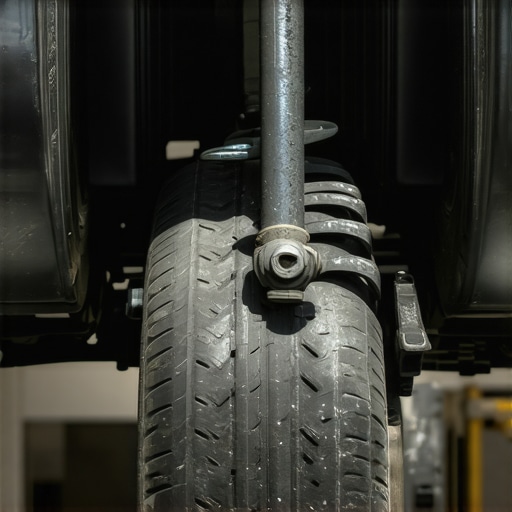
I’ll never forget the moment I realized my car had developed a mind of its own. Driving down the street, I slammed on the brakes—only to feel my vehicle veer sharply to the left. My heart skipped a beat. It was like my car was trying to take a detour without telling me. That lightbulb moment made me realize something was seriously off, and honestly, I was initially clueless about what to do.
Getting to the Bottom of That Pull
If you’ve experienced a similar issue—your car suddenly pulling to one side when braking—you know how unsettling it can be. It not only impacts your driving comfort but also raises concerns about safety and the health of your vehicle. Naturally, you wonder: What’s causing this pull? Is it a serious problem, or just a minor misalignment that I can ignore? The good news is, after some digging and personal trial-and-error, I discovered that this issue often boils down to a handful of common causes.
Could Your Brakes Be the Culprits?
One of the primary reasons your car might veer when applying brakes is uneven brake pad wear or a sticking caliper. When a brake caliper gets stuck or the brake pads wear unevenly, it causes one wheel to slow down more than the other, pulling your car in that direction. I once made the mistake of ignoring this symptom, thinking it was just a minor alignment issue. But later, I learned from top auto repair experts that this could be a sign of brake systems requiring immediate attention. Overlooking it can lead to more costly repairs down the road, so addressing brake concerns early is vital.
Before jumping to conclusions, I took a moment to inspect my brake fluid levels and check for leaks, as these can also affect braking performance. If you’re unsure, it might be worth scheduling a professional inspection—more on that later. But I also want to warn you about common mistakes newbies make when diagnosing such issues, like assuming alignment alone is to blame. In reality, the problem often runs deeper than simple steering adjustments.
In the following sections, I’ll walk you through the practical steps to identify whether your brakes are causing the pull, how to perform basic checks safely, and when to seek professional help. But first, let me ask—have you recently noticed your car jostling or pulling during braking? If so, you’re not alone, and tackling this issue early can save you money and headaches.
Inspect Your Brake Components
Start by safely parking your car on a level surface, engaging the parking brake. Remove the wheel on the affected side using a jack and socket wrench. Visual inspection reveals uneven or worn brake pads and sticking calipers. Remember, a stuck caliper feels like one brake sticking, causing the car to pull. During my first attempt, I noticed a brake pad lodged at an odd angle, which was my first clue to a caliper issue. Replacing or repairing these parts instantly improved my braking response.
Test Brake Fluid and Lines
Next, check the brake fluid level near the master cylinder. Low or contaminated brake fluid can cause uneven braking forces. Look for leaks around the brake lines, as leaks can lead to a soft or spongy brake pedal. I once topped off the brake fluid, only to find a leak in the line; fixing it restored proper braking without pulling. Be sure to use the recommended brake fluid type specified in your owner’s manual.
Perform a Basic Wheel Alignment Check
If brake issues are ruled out, consider alignment adjustments. A simple way is to observe if your steering wheel tilts slightly when driving straight. While a full alignment requires professional tools, minor adjustments through corner balancing can help. I tried an on-road test, and after minor toe adjustments, the pull decreased significantly. Remember, even a slight misalignment can mimic brake-related pulling, so consider professional alignment if symptoms persist.
Address Uneven Tire Conditions
Uneven tire wear or low tire pressure can exacerbate pulling. Use a tire pressure gauge to verify all tires are inflated to the manufacturer’s specifications. Rotate tires periodically for even wear. When I noticed my car pulling to the right, I found one tire was significantly underinflated; filling it up instantly improved steering stability.
Update or Service Suspension and Steering Components
Worn suspension parts like tie rods or ball joints can cause uneven braking response. Check for looseness or damage visually or with a mechanic’s assistance. During my last tune-up, replacing worn tie rods improved handling and braking response. Regular maintenance and inspections can prevent these issues from escalating.
Seek Professional Assistance for Complex Issues
If none of these steps resolve the pulling, it’s time for expert help. A professional repair shop can perform brake system diagnostics and identify issues like warped rotors, which are not easily checked alone. Think of it like visiting a collision expert—sometimes, the problem is hidden behind components you can’t see. For comprehensive safety, consult specialists through Collision Fixer to get an accurate diagnosis.
Regular inspections and early troubleshooting save money and ensure safety. Remember, tackling issues step-by-step avoids costly damage and keeps your vehicle running smoothly.
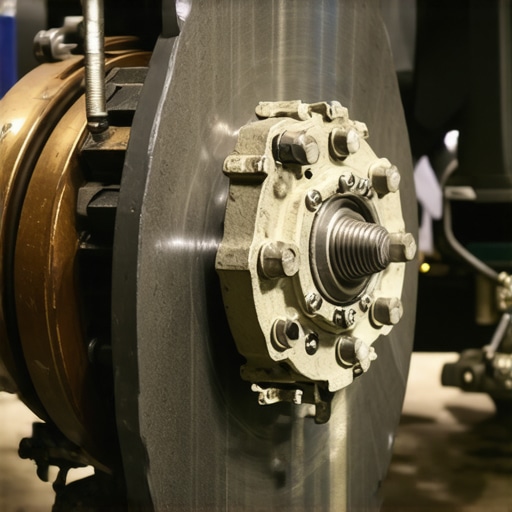 Many car owners fall prey to misconceptions about auto repair, often believing that basic maintenance is all that’s needed to keep their vehicle in top shape. However, the reality is far more nuanced. A prevalent myth is that straightforward procedures like oil changes and tire rotations suffice to preserve vehicle longevity. While these are essential, neglecting deeper issues such as transmission health or suspension wear can lead to costly repairs down the line. For example, some assume that transmission fluid lasts forever, but experts recommend regular overhauls to prevent severe damage, as highlighted in this article.
Another common misconception is that collision repairs are always straightforward and do not require inspection for hidden damage. In truth, underlying frame or structural issues often go unnoticed, yet they critically impact safety and vehicle performance. This is why consulting experienced professionals at Collision Fixer is crucial after an accident, rather than relying solely on visible repairs.
A frequently overlooked detail involves the importance of detailed tune-ups. Many believe that a simple engine checkup suffices, but an advanced tune-up considers numerous factors like spark plug condition, ignition timing, and fuel injection efficiency. Regularly performing comprehensive tune-ups can significantly extend your car’s lifespan, which is discussed in this guide.
Now, let’s ask an important question: Why do so many car enthusiasts and even mechanics unknowingly adopt these misconceptions? The answer lies in the complexity of modern vehicles and a tendency to focus only on immediate symptoms rather than root causes. Deep repair nuances, such as detecting subtle signs of early transmission failure or understanding the importance of fluid quality, often escape casual observers. This gap can lead to overlooked problems that worsen over time.
One advanced mistake involves ignoring the signs of early component degradation, mistakenly attributing issues like uneven tire wear or brake pulsation solely to misalignment or worn parts. In reality, improper or neglected service intervals can cause progressive damage, leading to failures that could have been avoided with proper diagnostics. According to automotive experts, proactive inspection routines—like those outlined in this article—are vital for avoiding catastrophic failures.
Furthermore, the role of detailed inspection during routine maintenance cannot be overstated. Many overlook the importance of examining suspension components or checking for signs of frame damage beyond visible dents, which can undermine safety and performance but are often hidden. This is why comprehensive evaluations by skilled technicians are indispensable.
In conclusion, debunking these myths and understanding the subtle yet critical nuances in car service can save you money and ensure your safety on the road. Do not fall into the trap of superficial fixes; instead, invest in thorough diagnostics and expert evaluations. Have you ever fallen into this trap? Let me know in the comments, and always remember—precaution and knowledge are your best tools for automotive longevity.
Keep Your Car Running Smoothly with the Right Tools
Maintaining your vehicle over time isn’t just about understanding mechanical components—it’s also about having the right tools and know-how. Personally, I rely heavily on a high-quality digital multimeter for diagnosing electrical issues. It’s precise and easy to use for checking battery health, alternator output, and sensor voltages, all critical for preventing unexpected breakdowns. Another indispensable item is a set of torque wrenches, which ensure fasteners are tightened to manufacturer specifications, protecting you from issues caused by overtightening or under-tightening. Using a digital torque wrench I calibrated myself, I can confidently perform wheel alignments and suspension work, which greatly extend the lifespan of my tires and steering components.
For diagnosis, I prefer a professional-grade code reader that connects via Bluetooth to my smartphone, allowing quick interpretation of error codes and live data streams. This setup accelerates pinpointing problems without unnecessary disassembly, aligning with the trend of integrating technology into DIY auto care. As technology advances, we’ll see increasingly sophisticated diagnostic tools becoming accessible to more drivers, cutting down repair costs and improving safety.
Implementing Regular Maintenance for Long-term Benefits
Beyond tools, developing a routine maintenance schedule based on manufacturer recommendations is crucial. Scheduling transmission fluid changes ahead of wear signs, as discussed in this resource, can prevent costly repairs. I set reminders on my digital calendar to check fluids, brake pads, and suspension components semi-annually. These proactive steps save money and keep your vehicle performing optimally.
Additionally, investing in quality consumables—like OEM-spec brake fluids and filters—ensures reliability. Recognizing signs of deterioration early, such as subtle vibrations during acceleration or minor fluid leaks, allows you to address issues before they escalate. Remember, staying vigilant with the right tools and routine checks forms the backbone of dependable vehicle operation.
How do I maintain transmission health over time?
Regularly changing transmission fluid with the proper type and at recommended intervals is vital. Neglecting this can lead to sluggish shifting and, eventually, transmission failure. For example, a transmission overhaul—a procedure essential for preserving long-term performance—can prevent the need for complete replacements, saving you significant money in the long run. For detailed guidance on this, check out this article. Using a trusted mechanic to perform these services ensures you’re not cutting corners, especially as modern transmissions can be complex and sensitive.
Looking ahead, the integration of advanced diagnostic tools powered by AI is expected to revolutionize auto maintenance, making early fault detection even more precise. As these technologies become more affordable, DIY enthusiasts and professional mechanics alike will benefit from faster, more accurate repairs. To start, I recommend investing in a quality OBD-II scanner compatible with your smartphone—it’s been a game-changer in my maintenance routine.
Ready to give your vehicle the care it deserves? Try out one of these diagnostic tips, like checking your transmission fluid, to experience firsthand how small adjustments can lead to big improvements in reliability. For personalized help, don’t hesitate to reach out to Collision Fixer for expert advice tailored to your car’s needs.
What I Didn’t Expect to Discover About Auto Repairs
- One of the most eye-opening lessons was realizing that not every issue has an obvious fix. Sometimes, the root cause is hidden behind layers of interconnected problems, which means paying attention to subtle signs can save you a lot of trouble later.
- Relying solely on quick fixes can lead to bigger problems down the line. I’ve learned that taking the time for thorough inspections, especially for critical systems like transmissions, is an investment that pays off in reliability and cost savings.
- The importance of trusting experienced professionals became clear when I encountered complex issues that required specialized tools and knowledge. Knowing when to seek expert help, such as at Collision Fixer, is crucial for maintaining safety and vehicle longevity.
- Regular maintenance isn’t just preventive—it’s transformative. Simple routines like scheduled transmission overhauls can extend your car’s life significantly, which you can read more about in this article.