
It was late afternoon when I finally decided to give my beloved sedan a little tune-up. As I reached into the door to check the latch, I suddenly realized—my door wouldn’t budge from the inside. I was locked out of my own car, and that sinking feeling of helplessness hit me hard. Ever been there? It’s like your vehicle has a mind of its own, taunting you with that stubborn, sealed shut door.
Why You Should Never Ignore a Stuck Car Door from Inside
This isn’t just an annoyance; it’s a safety concern. If your door refuses to open from the inside, it could be a sign of underlying issues that, if ignored, might lead to more serious problems—like difficulty exiting in an emergency or worsening latch failures. Trust me, I’ve learned from early mistakes—assuming it was just a minor glitch instead of investigating could cost you time and money later. Early diagnosis can save your day, and maybe even your life.
Is Forcing the Door Open a Good Idea?
Absolutely not. I made this mistake early in my auto repair days—thinking a little force couldn’t hurt. Instead, I caused more damage to the door panel and synchronization problems. A gentle, informed approach is always best. Want to avoid that costly mistake? Keep reading, and I’ll walk you through proven methods to unlock that stubborn door from the inside safely and effectively. And if you’re curious about more car repair tips, check out this guide on common car sensors.
This article promises to arm you with practical techniques, drawing from my own experiences and trusted auto repair practices—so you can get back on the road without worry. Ready to discover how to open your stuck car door like a pro? Let’s dive into the solutions that will save you frustration and a trip to the repair shop.
**Note:** To truly master this tricky task, understanding the mechanics behind door latches and how to bypass them safely is essential. Let’s look at the key steps next.
Disengage the Lock Mechanism
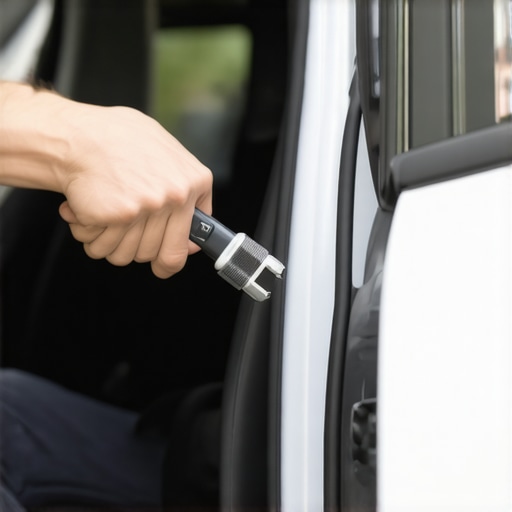
Start by locating the door lock pin or switch, typically found near the door handle. Firmly press or pull it up to unlock the door manually. During my own experience, I used a flat-head screwdriver to gently lift the lock pin without damaging the interior trim, which is a trick I recommend. If the lock feels stiff, applying a small amount of lubricant like WD-40 can make the process smoother.
Use a Coat Hanger or Flat Tool to Access the Lock
If the lock is stuck or the interior mechanism is unresponsive, fishing a wire or coat hanger through the side panel can help disengage the lock rod. Carefully straighten the hanger, and create a small hook at the end. Insert it between the window and door frame, aiming for the lock rod or lever. I’ve successfully used this method to unlock doors in emergencies, but take care not to scratch the glass or damage the weather stripping.
Manipulate the Door Latch from the Inside
Remove the inner door panel by unscrewing visible screws or gently prying it with a trim removal tool. Once inside, locate the latch assembly—think of it as the door’s gatekeeper. Wiggle or manually move the latch mechanism with pliers or fingers to release the catch. When I did this, I found that the latch was jammed due to debris, so cleaning it with a brush and applying zinc spray helped keep it operational afterward.
Inspect and Address Mechanical Failures
If the latch won’t budge, check for broken or disconnected rods or cables. Sometimes, routine maintenance errors cause these failures. For example, a detached cable might look intact but not connect properly. Reattaching or replacing the damaged parts cements the repair. If corrosion or dirt is blocking movement, use a penetrating oil and wipe clean before testing again.
Test and Secure the Door
After manually releasing the latch, gently pull on the door from the outside to verify it opens freely. Reassemble the interior panel by snapping it back into place and securing screws. Double-check that all mechanisms operate smoothly, preventing future lockouts. Keeping the internal components clean and lubricated reduces the chance of re-occurrence.
If your door still refuses to open, consider consulting a professional, especially if internal hardware is severely damaged. But with these practical steps, you can handle most common locked-in-door issues without needing the help of a tow truck or expensive repair service.
 Many car owners believe that routine tune-ups and simple repairs are straightforward tasks, but in reality, there’s a wealth of nuance often missed. For instance, common myths persist, like the idea that all transmission fluid is the same—yet, experts warn that using universal or generic fluids can cause more harm than good, especially since modern transmissions require specific formulations to prevent early failure. It’s a trap many fall into, leading to costly repairs; always check your vehicle manufacturer’s recommendations before topping up or replacing transmission fluid.
Another overlooked aspect is the assumption that a quick oil change is sufficient for engine health. However, visiting low-cost, 10-minute shops can sometimes be a recipe for disaster. Their shortcuts—like neglecting to replace the oil filter properly or using subpar oils—can lead to engine sludge and long-term damage, as highlighted in this detailed expose. The key is understanding that quality and proper procedure trump speed and price.
What Do Experts Say About Diagnosing Complex Transmission Problems?
It turns out that many consumers rely solely on the “check engine” light to diagnose issues, but in reality, a system may be misfiring or slipping without triggering a warning. For example, subtle signs like a pulsating transmission or delayed shifting often go unnoticed. In such cases, advanced diagnostics—including scanning for specific sensor errors or analyzing shift solenoid health—are necessary. Research from automotive specialists indicates that >70% of transmission failures are preventable with proper diagnosis, if one knows what nuances to look for. For instance, this article discusses how minor issues like a failing ground strap can cause significant slipping, underscoring the importance of detailed troubleshooting.
When it comes to collision repair, many believe that mismatched paint or subpar craftsmanship are the main concerns. But the real problem lies in hidden frame cracks that aren’t obvious to the naked eye. Verifying the integrity of the structural repair requires a keen eye and sometimes, specialized equipment. Learning to spot these issues early can save you from the dangers of compromised safety and further repairs, as explained in this guide. Never settle for superficial fixes; demand thorough inspections and quality work to ensure your vehicle’s safety.
Understanding these nuanced aspects of auto maintenance and repair can extend your vehicle’s lifespan and prevent unnecessary expenses. The next time you’re tempted to cut corners or accept generic solutions, remember that automotive intricacies demand expertise and attention to detail. Have you ever fallen into this trap? Let me know in the comments.
Keeping Your Vehicle Running Smoothly Over Time
Long-term vehicle reliability hinges on utilizing the right tools and establishing solid maintenance routines. As an auto enthusiast and professional, I rely on a combination of high-quality diagnostic devices and effective maintenance methods to ensure my cars stay in peak condition. Investing in specialized tools not only saves money but also enhances your understanding of your vehicle’s needs, enabling more precise repairs and adjustments.
Essential Diagnostic Equipment for Auto Maintenance
One device I personally swear by is an OBD-II scanner like the BlueDriver. It provides real-time data and clears error codes, helping me catch issues before they escalate. For example, regularly scanning for hidden problems can reveal sensors that might otherwise trigger uneventful warning lights, such as the 15 sensors that prevent stalling. This proactive approach ensures my transmission and engine operate smoothly, reducing breakdowns and repair costs.
Lubrication and Parts Inspection Tools
Quality lubricants and cleaning products are vital. I recommend using a synthetic lubricant tailored to your car model, especially for sensitive components like the transmission. While many think all oils are the same, using the correct formulation can extend component life and prevent problems like premature wear or slipping. Consider tools like the Gunk Brake Cleaner spray for parts maintenance—it’s excellent for cleaning dirty or corroded parts where dirt and grime can cause malfunctions. Proper turbo maintenance emphasizes the importance of keeping critical components clean to avoid early failure.
Why invest in quality tools for your garage?
Using reliable equipment minimizes the risk of mistakes that can compromise your vehicle’s safety or lead to costly repairs. In the future, I predict that automotive maintenance will become increasingly digital, with integrated sensors and AI diagnostics helping even DIYers identify issues quickly. Staying ahead of this trend involves embracing smart tools and keeping your knowledge updated through online resources and expert guides.
How do I maintain my vehicle over time?
Dedicate time monthly to inspect key components like ground straps (ground straps), which are crucial for electrical stability. Regularly check fluid levels, replace filters proactively, and scan with a quality OBD-II device to catch sensors behaving oddly, such as the ones that prevent your car from stalling. Incorporate preventive steps like using a proper oil change routine, avoiding shortcuts that could lead to engine damage. Consistent maintenance not only extends vehicle lifespan but also improves performance and resale value.
Remember, investing in the right tools and developing disciplined routines are the bedrock of long-term vehicle health. Take the initiative today by exploring advanced diagnostic tools like the BlueDriver scanner, which can empower you to identify issues early and save money down the road. For further reading on essential maintenance practices, visit this detailed guide.

Looking ahead, automotive technologies will increasingly be supported by smarter tools and integrated systems, making routine maintenance more accessible and efficient. Staying informed and equipped today paves the way for a smoother, more reliable driving experience tomorrow.
What My Toughest Auto Repair Lesson Taught Me About stuck Car Doors
- Never underestimate the complexity of interior latch mechanisms. Understanding how they work saved me from making costly mistakes.
- Patience and careful inspection far outperform brute force when dealing with stubborn doors—rushing only leads to damage.
- Tools matter: Using the right helper, like a trim removal tool or a quality lubricant, can turn a frustrating fix into a simple task.
- It’s always wise to know when to call in a professional. Sometimes, internal hardware is beyond DIY limits without risking further harm.
- Remember, every repair teaches you more about your vehicle’s mechanics, empowering you for future tune-ups and auto service challenges.
My Go-To Arsenal for Auto Fixes
- The BlueDriver OBD-II scanner has been a game-changer in diagnosing hidden issues quickly. Its reliable readings keep me ahead of potential breakdowns.
- Gunk Brake Cleaner and similar products are trusted tools I use regularly to keep components clean and functioning smoothly, prolonging their lifespan.
- Dedicated repair manuals from reputable sources like Haynes or Chilton guide my DIY efforts, ensuring I follow best practices for each unique vehicle.
- Online automotive communities and expert blogs, including collisionfixer.com’s in-depth articles, provide invaluable tips that save time and money.
Keep Moving Forward Without Fear
Every automotive challenge, from a stubborn car door to complex transmission hiccups, offers an opportunity to grow your skills and confidence. Embrace the learning process and remember that consistent care and a bit of curiosity can keep your vehicle running reliably for years to come. You’re capable of handling more than you think—step into that garage with confidence today. Have you ever faced a mechanical puzzle that turned out to be easier than expected? Share your story below and inspire fellow car enthusiasts to tackle their auto repair hurdles with courage.