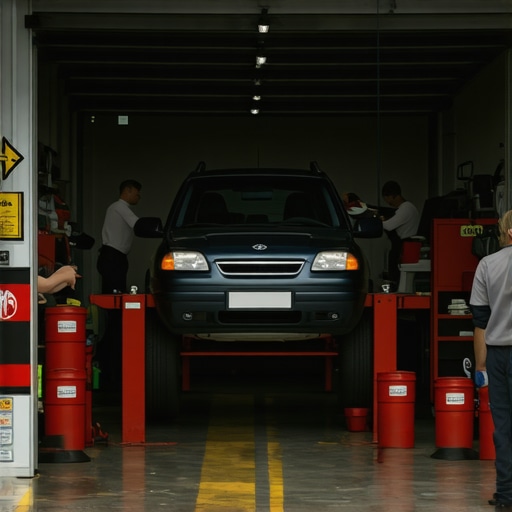
One afternoon, as I stood in my driveway, watching my engine’s oil light flicker stubbornly, I realized I had fallen for that common bait—an advertised quick oil change at a chain shop promising to get me back on the road in ten minutes. But what I didn’t know then was that behind that speedy service lurked a *hidden threat* to my car’s health. It was a frustrating moment, filled with regret and the sinking feeling that I’d been duped. That experience was my lightbulb moment—realizing that those fast oil changes might be convenient, but they often come at a hidden cost.
Why The Speedy Oil Change Promise Is Fishy
Many drivers, including myself at one point, fall for the allure of fast, inexpensive oil changes. The promise of saving time is tempting, especially when life feels overwhelming. But here’s the thing: your car’s engine needs thorough, careful attention—not a rushed job. The truth is, some quick-change shops rely on a
Start with an Honest Inspection
Before diving into repairs, visually inspect your vehicle for obvious issues like fluid leaks, worn belts, or loose hoses. During my last check, I noticed a cracked serpentine belt. Addressing it early prevented a breakdown. Use a flashlight to peer into hard-to-see areas and check for cracked or frayed components.
Learn Basic Fluid Checks and Changes
Regularly check oil, brake fluid, coolant, and transmission fluid. For oil, park on level ground, turn off the engine, and pull out the dipstick. Wipe it clean, reinsert, and remove to read the level and condition. Change your oil according to manufacturer recommendations—usually every 3,000 to 5,000 miles. I once skipped this, which led to engine hesitation. For transmission fluid, ensure it’s clean and at the correct level—if discolored or gritty, consider a flush.
Replace Filters and Spark Plugs Promptly
Filters like air and cabin air filters are easy to replace and vastly improve air quality and engine performance. Spark plugs are critical for combustion; worn plugs cause misfires and reduced efficiency. During my last tune-up, I replaced old plugs with the recommended NGK ones, resulting in smoother acceleration. Consult your manual for specific part numbers.
Perform Routine Brake and Tire Maintenance
Worn brake pads can cause dangerous stopping distances. Remove wheels periodically and inspect pad thickness. If pads are below 3mm, plan for replacement. Tire pressure affects fuel economy and safety; check monthly and inflate to manufacturer specs. I once drove on under-inflated tires, which caused a steering wobble—a clear sign to check pressures.
Address Engine Performance Issues Early
If your engine stumbles or surges, don’t ignore it. Tools like a code reader can reveal sensor faults or misfires. For example, a clogged MAF sensor might cause engine surges; cleaning it with a simple MAF sensor cleaner can restore proper airflow. Regularly cleaning sensors prevents larger issues and prolongs engine life. Learn how to clean your MAF sensor.
Keep Transmission Healthy
Shifting shudders? Check transmission fluid level and condition. If fluid smells burnt or is dark, consider a flush or replacement. Additionally, inspect the linkage for wear or misalignment—sometimes, a simple adjustment can eliminate grinding noises, as demonstrated when I adjusted my shift linkage and avoided costly repairs. For specific guidance, visit this quick fix for transmission gear clashes.
Monitor Suspension Components
Uneven tire wear or steering vibrations indicate suspension issues. Regularly inspect struts, shocks, and control arms. I replaced worn hub bearings myself, which significantly improved steering stability. Use a jack and stands for safe access, and refer to your vehicle’s manual for torque specifications.
Keep an Eye on Hidden Damage
After a collision, unseen frame damage can cause future problems. Use a professional inspection or learn to spot signs like misaligned panels or uneven gaps. For example, I checked for hidden cracks before buying a used car, preventing future headaches. Consider tools and online guides to assist your assessment, or consult experts when unsure.
Maintain Battery and Electrical Systems
Corrosion on terminals or a weak battery can leave you stranded. Regularly inspect terminals, clean corrosion with a wire brush, and ensure tight connections. If your car struggles to start or dim headlights occur, a battery test may be needed. Remember, a healthy electrical system prevents many breakdowns.
Many drivers believe that auto repair is straightforward—just follow basic maintenance tips and you’ll be fine. However, this oversimplification can lead to costly misunderstandings. A prevalent myth is the idea that all mechanics are equally trustworthy; in reality, some shops might take shortcuts, especially in areas like transmission servicing, which can cause long-term damage if not properly addressed. For example, not replacing transmission fluid at the correct intervals can lead to shuddering and premature failure, as many don’t realize that degraded fluid loses its lubricating and cooling properties, accelerating wear. It’s also a common misconception that a quick oil change is sufficient to maintain engine health; neglecting other crucial components like spark plugs and filters can compromise performance. Advanced mistakes, such as neglecting to perform a thorough inspection after collision repairs, often result in hidden frame damage that causes issues years down the line. These unseen damages can misalign suspension components or warp structural elements, emphasizing the importance of comprehensive assessments—something that many overlook. Dive deeper into preventing hidden damages with this expert guide on detecting frame issues.
Why do some technicians overlook vital signs of transmission problems?
Often, mistrust of complex diagnostics leads to delayed repairs, worsening the problem. Modern vehicles rely on an array of sensors; failing to understand their role can result in missed signals. For instance, a slipping transmission might actually be caused by a malfunctioning control module or a clogged solenoid, not just low fluid levels. Recognizing subtle cues like a slight delay during gear shifts or unusual dashboard lights requires advanced knowledge beyond basic servicing. Manufacturers recommend routine checks, but many drivers are unaware of how specific sensor failures—such as those affecting the torque converter—can be silently degrading transmission performance. Consulting detailed guides, like the one explaining how to fix shift lag, can help prevent unnecessary replacements and save money. Properly diagnosing and addressing these issues ensures longevity, which is often overlooked by those who assume auto repairs are just about replacing parts.
Have you ever fallen into this trap? Let me know in the comments.
Your Maintenance Arsenal for Reliable Auto Care
To keep your vehicle running smoothly over the years, investing in the right tools and adopting effective maintenance routines are crucial. I personally rely on a quality OBD-II scanner like the BlueDriver Pro, which provides comprehensive diagnostics—saving me time and money by catching issues early. These devices are continually evolving; in the future, expect more integration with smartphone apps and AI-driven insights, making diagnostics even more accessible.
Mastering Preventive Care with Specific Equipment
One indispensable item I use is a digital multimeter. It helps me verify electrical systems, test batteries, and diagnose sensor malfunctions accurately. For example, when the battery shows signs of weakness, I perform load tests with my multimeter, preventing unexpected breakdowns. Additionally, a good-quality torque wrench ensures components are tightened to manufacturer specifications, which is vital in preventing long-term damage, especially during suspension or brake servicing.
Keeping Systems in Check Through Routine Checks
Regularly inspecting your vehicle’s fluid levels and sensor outputs is straightforward with dedicated tools. I recommend a magnet-powered fiber optic inspection camera—it allows me to see into tight spaces like the engine bay or undercarriage without dismantling parts. This tool has saved me from costly repairs, such as realizing I had a hidden crack in a coolant hose before it caused an engine overheating incident.
Effective Methods to Extend Your Car’s Lifespan
Implement scheduled flushes for transmission and coolant systems. For instance, I follow manufacturer-recommended intervals and verify fluid condition visually and chemically. Using a refractometer helps me check coolant concentration, ensuring optimal engine temperatures and preventing corrosion. Always remember, proactive maintenance beats reactive repairs.
Scaling Up with Professional Equipment
As your skills grow, consider acquiring a professional-grade wheel alignment system or smoke machine for leak detection. My shop uses a four-wheel laser alignment setup, which guarantees precise adjustments—crucial after suspension repairs or when changing worn tires. Additionally, a dedicated vacuum leak tester has helped me pinpoint intake manifold leaks quickly, restoring engine performance and efficiency.
How do I maintain those systems over time?
Routine calibration and cleaning are key. For sensor calibration, I use specialized software compatible with my diagnostic scanner—calibrating sensors like the MAF or MAP ensures continued accuracy. Regularly cleaning sensors and connections with electrical contact cleaner prevents false readings and prolongs their lifespan. For example, cleaning my MAF sensor with a dedicated cleaner (rather than generic cleaning sprays) has significantly reduced engine hesitation issues. Consider revisiting your tools and maintenance schedule quarterly, and try out a sensor cleaning recipe to maintain optimal engine performance. Remember, staying on top of these details can make a world of difference in your vehicle’s long-term reliability. For a detailed guide on maintaining sensors, check out this article.
What I Wish I Knew Before Trusting Quick Fixes
One of the biggest lightbulb moments in my auto repair experience was realizing that shortcuts like fast oil changes can hide more than they reveal. I learned that a comprehensive inspection and proper maintenance are essential, not just quick fixes. Skipping detailed checks often leads to costly repairs down the line, and I’ve seen how neglecting small signs—like worn filters or low fluid levels—can snowball into major engine problems.
Tools That Made My Vehicle Last Longer
Investing in tools like a reliable OBD-II scanner and a quality torque wrench transformed my approach to car care. These tools enabled me to spot issues early—saving hundreds—and gave me confidence during DIY repairs. Trusted sources like the BlueDriver Pro and reputable YouTube channels helped me understand how to interpret readings and execute repairs safely, making maintenance a regular, stress-free routine.
Encouragement for Fellow Car Enthusiasts
Remember, maintaining your vehicle isn’t just about fixing problems—it’s about empowering yourself to prevent them. Even if you’re new to auto repair, small steps like checking fluid levels or inspecting belts can have a big impact. With patience, consistent learning, and the right tools, you can extend your car’s lifespan and enjoy safer, smoother rides. Take control today and keep your vehicle in top shape for years to come.
Comments are closed.