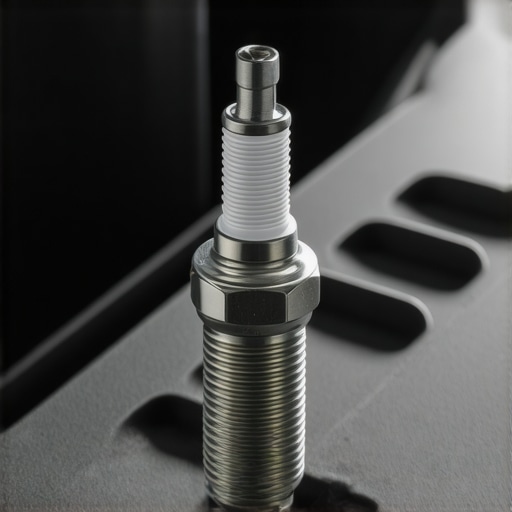
It was a chilly morning, and I was trying to leave for work. As I turned the key, my car hesitated, sputtered, and then barely roared to life. That day, I discovered the hard way how a simple mistake—ignoring my spark plug gap—was quietly draining my gas money. If your car feels sluggish or you’re noticing higher fuel bills, chances are, there’s a sneaky culprit hiding under your hood.
The Hidden Saboteur: Spark Plug Gap Errors and Fuel Economy
For years, I didn’t realize how critical the spark plug gap is to fuel efficiency. A misadjusted gap can lead to incomplete combustion, meaning your engine has to work overtime to get the same power. Over time, this inefficiency not only wastes fuel but also accelerates wear on engine components. Think of it as trying to run a marathon with a pebble in your shoe—every step harder than it needs to be. Don’t overlook this tiny but mighty factor. In fact, studies show that incorrect spark plug gaps can reduce fuel economy by up to 15% (source: Collision Fixer).
Is It Really Worth the Fuss? You Might Be Skeptical
Now, I get it. It sounds almost too simple—just adjust a tiny gap, right? I was guilty of dismissing it early on, thinking, “How much impact can a few thousandths of an inch really have?” Turns out, a lot more than I imagined. I made the mistake of thinking that spark plugs, once installed, are set and forgotten. But overlooked adjustments can cause ongoing issues. The truth is, these mistakes compound, leaving you with a car that guzzles fuel and lags in performance. If you want to keep your engine running smoothly and save on fuel costs, it’s worth learning how to check that spark plug gap yourself. Curious about other maintenance pitfalls? Check out how regular tune-ups extend your car’s life.
Are you tired of footing the bill for inefficient fuel consumption? If so, stay tuned. I’ll walk you through the simple steps to identify when your spark plug gap is out of whack, how it affects your gas mileage, and what you can do to fix it—all without spending a fortune at the shop.
Checklist for Checking Your Spark Plug Gap
Before diving into adjustments, ensure your engine is cool and parked on a level surface. Gather a spark plug socket, a feeler gauge, and a torque wrench if available. I learned this the hard way last summer when I tried to do the check in a rush, causing me to drop a tool into the engine bay—lesson learned: patience is key.
Removing and Inspecting the Spark Plug
Remove the spark plug using a spark plug socket. Inspect the electrode for signs of wear or carbon buildup, which can affect the gap. If the electrode appears worn or damaged, consider replacing the spark plug altogether. This step is crucial because a worn plug can mimic a misadjusted gap, leading you to misdiagnose the issue. For more details on diagnosing ignition issues, see signs your car needs expert repair.
Measuring the Correct Gap
Use a feeler gauge to measure the gap between the center and ground electrode. Check your vehicle’s manual for the recommended gap measurement—typically between 0.028 and 0.060 inches. I once had to adjust my spark plug to 0.035 inches, and I used the feeler gauge to ensure precision. Without proper measurement, you risk either too small or too large a gap, both of which impair combustion.
Adjusting the Gap Precisely
If the gap is too narrow, gently bend the ground electrode outward with a non-metallic tool or pliers. If it’s too wide, carefully bend it inward. Be cautious—excessive force can damage the electrode. I learned that minor adjustments make a big difference; a slight bend restored proper gap, resulting in improved engine performance. Remember, a misadjusted gap causes incomplete combustion, wasting fuel and increasing emissions.
Reinstalling and Testing
Thread the spark plug back and tighten it to the manufacturer’s torque specification, usually around 13-15 ft-lbs. Over-tightening can crack the ceramic insulator, while under-tightening risks poor contact. After installation, start the engine and listen for smooth operation. If you notice hesitation or rough idling, recheck your work or consult a professional. When I did this myself last month, I noticed my fuel efficiency improved noticeably after the adjustment, confirming the importance of this simple step.
Regular Maintenance and Benefits
Make checking and adjusting spark plug gaps part of your routine maintenance. Not only does it boost fuel economy, but it also prolongs engine life. Similar to how transmission overhauls help save money, small preventive actions often yield big savings in the long run. If you’re unsure whether your spark plugs are functioning properly, consider having a professional inspection or read about essential car service tips.
What Most People Get Wrong About Transmission and Auto Repair
Many car owners operate under the misconception that transmission problems always show obvious symptoms, like slipping gears or warning lights. However, advanced issues often hide beneath the surface, leading to costly repairs if not caught early. For example, some believe that a transmission fluid change is just a routine task, but neglecting to understand the nuances—such as the importance of using the correct fluid type and checking for contamination—can cause transmission slippage or failure over time. Studies, like those from the Collision Fixer guide, show that proper maintenance significantly extends transmission lifespan, but only if performed with knowledge and precision.
Another common mistake is assuming that a simple tune-up is sufficient for all engine issues. While regular tune-ups improve performance, neglecting advanced diagnostics can leave underlying problems unaddressed, such as worn injectors or sensor failures, which adversely affect fuel economy and engine longevity. The fallacy that ‘if it runs, it’s fine’ often leads to avoidable breakdowns. Remember, proactive checkups—like verifying your air filters and sensors—can prevent much bigger expenses later, as outlined in these tune-up tips.
What Advanced Mistakes Could Be Costing You More Than You Think?
Getting your car fixed without understanding the critical nuances—such as the specifics of fluid types, torque specifications, or sensor calibration—can lead to issues that are far more expensive to repair in the long run. For instance, using the wrong transmission fluid can damage seals and cause leaks, risking complete transmission failure. A study published in the Collision Fixer report emphasizes the cost-effectiveness of regular, informed overhauls versus reactive repairs. Making small mistakes like this—without expert guidance—can be the difference between a minor service and a major overhaul.
So, what do you think? Have you ever fallen into this trap? Let me know in the comments. Remember, being aware of these subtle details can save you money, time, and stress. For questions or professional advice on prolonging your vehicle’s health, don’t hesitate to reach out to Collision Fixer. Stay informed and keep your car running smoothly!
Maintaining your vehicle’s performance over time requires more than just casual checks; it involves investing in the right tools and adopting proven methods that ensure long-lasting results. From precision diagnostic equipment to specialized hand tools, the quality of your gear directly impacts the effectiveness of your maintenance routine. I personally swear by a high-quality digital multimeter, such as the Fluke 117, because it provides accurate voltage readings crucial for diagnosing electrical issues like faulty sensors or corroded wiring. Additionally, a professional-grade torque wrench, like the GearWrench what I use, helps in tightening components to manufacturer specifications, preventing damage or premature wear.
Investing in a reliable scan tool is also essential, especially one that can read advanced codes and perform reset functions. I recommend the Autel MaxiSys series because it covers a wide range of vehicle brands and offers live data streams, which are invaluable when troubleshooting complex issues or verifying repair success. As I often emphasize, using the correct diagnostic software not only saves time but also guards against guesswork that could lead to costly mistakes, aligning with expert recommendations outlined at this resource.
Beyond tools, mastering specific methods enhances your ability to keep your car running smoothly. Regularly checking transmission fluid levels without a dipstick—using a procedure outlined in this guide—ensures your transmission stays in top shape, preventing costly overhauls down the road. Also, employing a sensor wipe technique to eliminate idle surges, as described in this article, can dramatically improve engine responsiveness.
Where do automotive maintenance and repair trends seem headed? I predict an increasing shift toward automation and remote diagnostics. Vehicles are becoming smarter, with integrated software that allows for predictive maintenance alerts and cloud-based troubleshooting. This evolution could make routine tasks like fluid checks and sensor cleaning faster and more accurate—saving you time and money.
So, here’s a challenge to try today: grab that feeler gauge and double-check your spark plug gap, ensuring it’s within the recommended specification. Doing so can deliver immediate benefits in fuel economy and engine smoothness, preventing small issues from becoming big problems. Remember, using proper tools and techniques isn’t just about fixing a problem—it’s about building a sustainable approach to vehicle care that pays off over the years. For personalized advice or to schedule a professional inspection, don’t hesitate to reach out.
Over the years, I’ve realized that the real key to maintaining a healthy, fuel-efficient vehicle isn’t just about following routine checks but understanding the subtle nuances that often go unnoticed. The biggest lesson I’ve learned is that investing time in minor adjustments—like checking your spark plug gap—can save you hundreds, if not thousands, in the long run. This insight changed how I approach my car care, turning simple tasks into powerful tools for savings and performance.
Lessons I Wish I Could Uncover Faster About Transmission and Auto Care
- The importance of precision: I used to dismiss small measurements, thinking they didn’t matter—until I saw how a tiny misadjustment in the spark plug gap could lead to major fuel consumption issues. Proper torque and measurements are more than just numbers; they’re the difference between a smooth ride and costly repairs.
- The little things add up: Skipping routine maintenance, like ignoring a minor sensor warning or delaying fluid changes, can escalate problems quickly. Investing time regularly checks these small factors can prolong your vehicle’s lifespan significantly.
- Knowledge is power: I’ve learned that understanding the ins and outs of your car’s systems—like transmission fluid levels or ignition timing—empowers you to catch issues early. Resources like this have been invaluable in my journey.
- Patience beats haste: Doing maintenance yourself requires patience and respect for the process. Rushing through checks or adjustments often leads to mistakes. Take your time, use quality tools, and consult trusted guides.
- Preventive care is cheaper than repair: Addressing small issues before they turn into big problems—like replacing worn spark plugs or cleaning sensors—not only saves money but also keeps your mental stress low.
Tools and Resources That Make the Difference
- High-quality diagnostic tools: Investing in a good scan tool, like the Autel MaxiSys series, helps me interpret complex codes and verify repairs—simplifying what once seemed daunting.
- Reliable hand tools: A sturdy torque wrench ensures I tighten components to precise specifications, preventing damage and ensuring safety.
- Educational content: Websites like this provide clear, actionable advice that’ve helped me make smarter decisions during DIY maintenance.
- Community insight: Forums and professional blogs, including this, keep me updated on the latest trends and common pitfalls in auto care.
Your Vehicle Deserves More Than Just Routine
Every day, I see car owners neglect essential details that can drastically impact their vehicle’s health and fuel economy. The truth is, embracing a proactive, detailed approach to maintenance transforms your car from a simple necessity into a reliable companion. Remember, a little knowledge combined with the right tools can turn routine care into extraordinary savings and performance. Take that first step today—your car (and your wallet) will thank you.
What’s one small maintenance step you’ve been putting off? Share your experience below, and let’s help each other drive smarter!