Have you ever been behind the wheel, only to be met with that relentless whine from your power steering pump? It’s like that obnoxious mosquito buzzing in your ear, and honestly, it can turn a simple drive into a test of patience. I remember the first time my steering started making that high-pitched squeal—my first thought was, “Great, now I need a whole new pump!” But after some digging and a bit of trial and error, I discovered a simple trick that made all the noise vanish. And let me tell you, it was a small victory that felt like regaining my sanity on the road.
Why a Quiet Power Steering Pump Matters More Than You Think
Is the Noise Really a Big Deal?
That loud, whining sound isn’t just an annoyance—it’s often a warning sign that your power steering system is under stress. Over time, persistent noise can lead to more severe issues, like Pump failure or steering fluid leaks. According to Collision Fixer, ignoring early signs of power steering problems can escalate repair costs significantly. I’ve made the mistake early on of dismissing the noise as just a quirk, only to end up with a costly pump replacement. That was a tough lesson in paying attention to the little things before they become big, expensive problems.
If you’ve been frustrated by that constant whine or worried about potential damage, you’re not alone. But here’s the good news—it’s often a simple fix, and today I’ll guide you through it with my personal tips and tricks. So, if you’ve faced this annoying problem, stick around. You’re about to learn a straightforward way to silence that pump and extend its life, saving you money and the headache of unexpected breakdowns.
Start with a Thorough Inspection of the Power Steering System
Check the Fluid Level and Condition
Before diving into complex fixes, verify the power steering fluid level. Locate the reservoir, usually near the engine bay, and ensure it’s filled to the recommended mark. If the fluid is low or dark brown, contaminated, top it off or consider a flush. Remember, a simple fluid top-up can often reduce whining noises significantly. I once had a squealing pump on my old sedan, and after just replacing the fluid with fresh, the noise disappeared, saving me from costly replacements.
Inspect the Power Steering Belt
Loose or worn belts cause slippage, leading to whining sounds. Visually assess the belt tension and cracks. If it’s too loose or frayed, tighten or replace it. I replaced my belt following a tutorial on Collision Fixer’s troubleshooting guides, which made the pump run smoother and eliminated the noise.
Identify and Address Common Causes of Pump Noise
Look for Leaks and Damaged Hoses
Leaks in hoses or the pump itself can cause cavitation, leading to noise. Use a flashlight to examine the surroundings for fluid leaks or residue. Replace damaged hoses immediately. I once found a cracked return line, which when fixed, stopped the whine and prevented steering issues.
Test the Power Steering Pump Directly
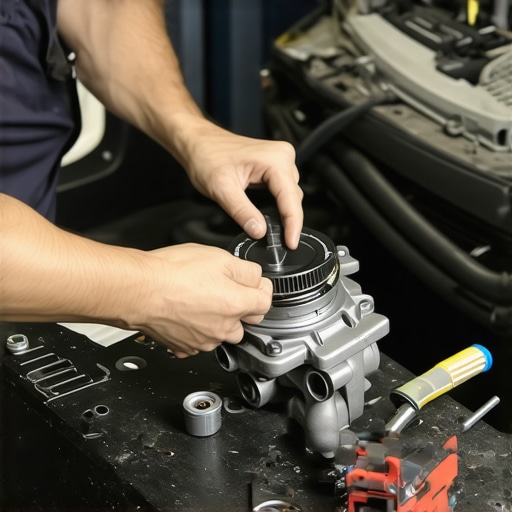
If the fluid and belts are fine, the pump might be faulty. With the engine off, remove the pump pulley carefully, then manually rotate the pump that is mounted. It should spin smoothly without grinding or wobbling. If it feels gritty or resistant, the pump may need replacing. I learned this the hard way when my pump seized suddenly, but proactive testing could have flagged the problem earlier.
Flush and Replace Power Steering Fluid
Old or contaminated fluid can cause noise and wear. Use a fluid pump or a dedicated flushing kit to drain the old fluid from the system. Follow the procedure outlined in Collision Fixer’s guide on fluid flushes, ensuring you remove all old fluid and air pockets. After refilling with manufacturer-recommended fluid, turn the steering wheel lock-to-lock several times to bleed air. This simple step transformed my noisy pump into a silent one, extending its lifespan and ensuring smooth steering.
Consider Replacing the Pump if All Else Fails
If after these steps the whining persists, the pump likely has internal wear. Replacing it involves draining the fluid, disconnecting hoses, removing mounting bolts, and installing a new unit. For a real-world example, I replaced my pump by following detailed video tutorials, which made the task manageable even for a DIYer. Always dispose of old fluid responsibly—your local service center or Collision Fixer contact page can guide you on proper disposal procedures.
Many car enthusiasts and everyday drivers believe they understand the essentials of transmission repairs, tune-ups, and general car servicing. However, the truth is that most people often fall prey to misconceptions that can lead to costly mistakes. For instance, a common myth is that all transmission issues are best addressed with a complete overhaul. While overhaul procedures like those explained in [how transmission overhauls save money in the long run](https://collisionfixer.com/how-transmission-overhauls-save-you-money-in-the-long-run) are effective, many drivers jump to this expensive solution prematurely, ignoring simpler diagnostics that could save hundreds.
Another frequently misunderstood aspect is the role of regular tune-ups. Many assume that modern vehicles require minimal maintenance due to advances in technology. Yet, according to [maximize your car’s lifespan with regular tune-ups](https://collisionfixer.com/maximize-your-cars-lifespan-with-regular-tune-ups), neglecting minor tune-ups can accelerate engine wear and reduce fuel efficiency, especially in extreme climates.
Beware the trap of underestimating the importance of precise diagnostics. Unique issues, such as subtle irregularities in shifting or engine response, often signal underlying problems that generic fixes can’t address. Advanced contributors to drivetrain performance, for example, include sensor calibration and electrical system health—details covered extensively in expert guides like [the 12 tool that diagnoses most check engine lights](https://collisionfixer.com/the-12-tool-that-diagnoses-most-check-engine-lights). Skipping these nuances may lead to temporary fixes but ultimately causes long-term damage.
One element that many overlook is the significance of detailed inspections for collision repair quality. It’s not just about fixing the visible dents or paint but ensuring that internal structures and systems like airbags or frame alignment are correctly restored. Resources like [how to verify your airbags were actually replaced after a crash](https://collisionfixer.com/how-to-verify-your-airbags-were-actually-replaced-after-a-crash) highlight the importance of scrutinizing repair longevity to prevent future safety hazards.
And let’s not forget the importance of following expert preventive advice. Routine inspections, fluid replacements, and system tests—like those recommended in [expert car service tips for safe summer drives](https://collisionfixer.com/essential-car-service-tips-for-safe-summer-drives)—are vital for avoiding surprises. Yet, the human factor often leads to neglect or misdiagnosis, precipitating breakdowns that could have been averted.
In summary, developing an intricate understanding of your vehicle’s systems, beyond the basic maintenance procedures, can save money, extend lifespan, and enhance safety. Advanced knowledge, combined with vigilance against common misconceptions, is key. So next time you’re faced with a mysterious noise or a warning light, remember: most issues hide behind seemingly simple symptoms. Have you ever fallen into this trap? Let me know in the comments, and stay tuned for more insights to keep your vehicle in top shape.
Investing in the Right Equipment: My Personal Approach
Maintaining your vehicle over time requires more than just basic knowledge; it demands quality tools that ensure precision and safety. I personally rely on a combination of professional-grade equipment and smart diagnostic software to keep my cars running smoothly. For example, I use an OBD-II scanner like the BlueDriver because of its extensive code database and real-time data logging—features that have saved me from unnecessary parts replacements and helped pinpoint issues early. This scanner integrates with a mobile app, making diagnostics accessible even in tight spaces, which is a game-changer for DIY enthusiasts.
Additionally, I recommend investing in a sturdy digital multimeter. When troubleshooting electrical issues—like strange sensor errors or warning lights—it’s essential to measure voltage, resistance, and continuity accurately. My preferred model is the Fluke 117 because of its durability and ease of use. Correct measurements prevent guesswork, helping you verify if a problem is with a sensor, wiring, or relay, avoiding costly misdiagnoses.
Tools That Save Time and Prevent Errors
One of my go-to tools for fluid maintenance is a fluid pump with a long hose. Replacing fluids like transmission or coolant becomes clean and straightforward, especially when combined with a special drain plug. Using this tool, I’ve significantly reduced mess and ensured thorough fluid exchanges—crucial for long-term transmission health.
For suspension and brake work, nothing beats a well-calibrated torque wrench. I prefer a digital torque wrench because it provides precise readings, ensuring nuts and bolts are tightened to manufacturer specs. Proper torque application prevents component failures—like a loose wheel or over-tightened brake calipers—which can be dangerous and costly.
Incorporating Software and Diagnostics into Your Routine
Regular diagnostics are vital for early problem detection. I use auto repair software like the TechStream for Toyota or the OBDeleven app for VW vehicles. These tools allow me to read and clear error codes, monitor live sensor data, and even reset service intervals. Over time, this proactive approach reduces emergency repairs and extends vehicle lifespan. Going forward, I predict that AI-powered diagnostics will become standard, making complex troubleshooting accessible even for amateurs. Embracing these technologies now gives you a head start in maintaining your vehicle and avoiding unnecessary repairs.
How do I keep my tools and techniques effective over time?
Consistent maintenance of your equipment is key. Regularly calibrate your torque wrenches, update your diagnostic software, and replace worn-out tools. Proper storage and cleaning also extend the lifespan of your gear, ensuring reliable performance when you need it most. For example, I inspect and recalibrate my multimeter monthly, following the manufacturer’s guidelines, which keeps readings accurate and trustworthy. Staying on top of maintenance not only saves money but also boosts your confidence when performing auto repairs or routine service. For comprehensive maintenance tips, check out this resource.
One advanced tip I advise trying today is to integrate a professional-grade OBD-II scanner with your smartphone. This combo provides immediate insights, top-down problem-solving, and can prevent minor issues from turning into costly repairs. As auto repair trends evolve, staying equipped with the right tools ensures your vehicle remains reliable and safe for years to come. Ready to upgrade your toolkit? Visit Collision Fixer for expert recommendations and support to get started.
Looking back, one of the most enlightening moments I had was realizing that many power steering issues, especially whining noises, actually stem from minor, fixable causes rather than system failures. The hardest lesson I learned was that rushing to replace parts without proper diagnostics often led to unnecessary expenses. Taking the time to understand your vehicle’s specific symptoms, using the right tools, and trusting reliable sources like this guide on regular tune-ups can make all the difference.
Another false belief I once held was that noises always indicate imminent failure. Instead, I discovered that many sound issues can be remedied with simple maintenance. For example, flushing the power steering fluid, as detailed here, often restores smooth operation without costly repairs. Embracing continuous learning and trusting expert advice has saved me from premature replacements and kept my vehicle running quietly and reliably.
Finally, I realized the importance of proactive inspection—catching small issues before they escalate. Regularly checking belts, hoses, and fluid conditions, with guidance from trusted sources like this troubleshooting resource, ensures longevity and peace of mind. Remember, knowledge paired with attention to detail is your best tool in vehicle maintenance and repair journey.
My Personal Arsenal of Auto Repair Wisdom
Over the years, I’ve curated a collection of tools and resources that empower me to tackle maintenance confidently. My go-to gadgets include a dependable OBD-II scanner that works seamlessly with my smartphone, giving me instant insights into engine health. A trusty digital multimeter helps verify electrical issues without guesswork. These tools, combined with my favorite repair guides, make complex diagnostics manageable and often cost-effective.
Equipment is only half the story. I also rely on specific resources such as tips for quick fixes, and advice on cold-weather challenges. Learning from experts and testimonials helps me stay ahead of problems, ensuring my cars stay safe and reliable. Incorporating the right tools and knowledge into your routine will save you time, money, and stress in the long run.
Step Into the Driver’s Seat of Your Car’s Future
Taking charge of your vehicle’s health isn’t just about fixing problems; it’s about fostering confidence and peace of mind. By understanding common signs of power steering stress, using smart diagnostics, and investing in quality tools, you set yourself apart from the average driver. Remember, every squeal or wobble is a message waiting to be understood. Are you ready to listen, learn, and keep your vehicle running smoothly? Your journey starts now.
What’s the one auto repair skill you’re eager to master next? Share your thoughts below, and let’s grow together in this automotive adventure!