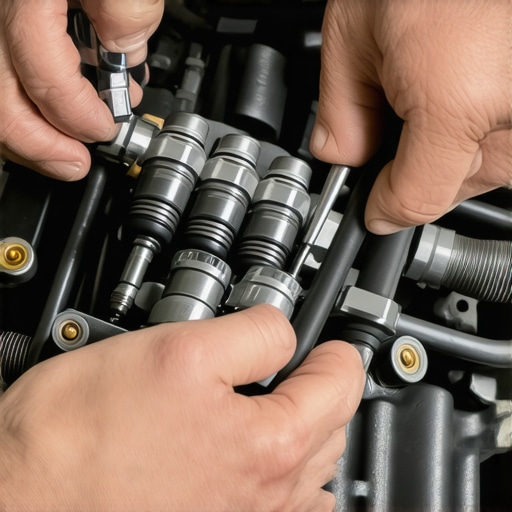
If you’ve ever experienced that nagging sluggishness, rough idling, or the unmistakable smell of fuel when you start your car, chances are your fuel injectors might be in trouble. I remember the first time I noticed my engine hesitating during acceleration — I was convinced I needed a costly visit to the mechanic. Turns out, a little DIY magic could have saved me quite a bit of time and money. That lightbulb moment led me down a rabbit hole of research, testing, and finally, success in cleaning my fuel injectors at home.
Why Dirty Fuel Injectors Are Your Car’s Silent Saboteurs
Fuel injectors play a vital role in delivering the right amount of fuel into your engine. When they become clogged or dirty, your engine can’t run efficiently. This results in poor acceleration, increased fuel consumption, and even engine misfires. According to a study published by the Society of Automotive Engineers, fuel injector deposits can reduce fuel efficiency by up to 20%. That’s a significant chunk of savings lost without you realizing it. Plus, ignoring these symptoms often leads to more serious issues like catalyst damage or transmission strain, which are far more expensive to repair.
Early on, I made the mistake of ignoring engine hesitation, thinking it was just bad gas or a simple fix. But what I didn’t realize was that neglecting to clean my fuel injectors could cause long-term damage. Now, I always recommend fellow car owners to inspect and maintain their injectors before problems escalate.
Ever faced that feeling of your car just not running right, even after a quick fill-up? You’re not alone. Let’s explore how you can tackle this common issue without breaking the bank.Get Ready to Clean Your Fuel Injectors
Before diving into the cleaning process, ensure your engine is cool and parked on a flat surface. Gather your supplies: a fuel injector cleaner spray, safety gloves, eye protection, and access tools like wrenches or screwdrivers. Think of cleaning your injectors like giving a coffee machine a deep clean—removing the buildup ensures it brews efficiently. Remember, safety first: wear gloves and goggles to protect against any fumes or splashes.
Access the Fuel Injectors Carefully
Start by removing your engine cover if necessary. Locate the fuel rail, which runs along the top of the engine, typically holding the fuel injectors in place. Use your tools to disconnect any electrical connectors and fuel lines attached to the injectors. A helpful analogy is like unplugging a series of plugs from a power strip, one by one. Take your time to avoid damaging delicate parts. For specific guidance, you can check this auto repair tips.
Ensure You Have Proper Ventilation
As you work, make sure you’re in a well-ventilated area. Fuel fumes are flammable and unpleasant—think of it as airing out a room before painting. Gather rags and containers to catch any spills, and keep a fire extinguisher nearby just in case.
Applying Cleaner and Flushing the Injectors
Attach the spray nozzle of the fuel injector cleaner to the fuel rail’s fuel line or inlet—this is like fitting a straw into a juice box. Turn on your engine and spray the cleaner into the fuel system according to the product instructions. Keep the engine running as the cleaner cycles through, helping dislodge deposits. I once tried this method myself; the engine idle became smoother, and acceleration felt snappier afterward. For a more detailed process, see this exhaust repair guide.
Revving Up and Final Checks
After spraying, gently rev the engine to circulate the cleaner thoroughly. Once done, disconnect the spray tool, reconnect your fuel lines and electrical connectors, and secure everything back in place. Start the engine and observe its behavior—listen for smooth idling and note improved response. If the engine still hesitates or runs rough, consider consulting a professional. To keep your car performing at its best, check out regular tune-up tips.
Prevent Future Injector Problems
Regular maintenance is key. Using high-quality fuel and fuel system cleaners periodically can prevent buildup. Think of it like brushing your teeth—consistent care keeps everything running smoothly. Also, get your fuel injectors inspected during scheduled annual services to catch issues early. Remember, professional diagnostics can spot hidden problems before they escalate, saving you money in the long run.
Debunking the Myths About Routine Maintenance
Many car owners believe that sticking to manufacturer-recommended schedules guarantees longevity and reliability. However, in my experience, this isn’t always the case. Overemphasizing routine checks without understanding the specific needs of your vehicle can lead to unnecessary expenses. For example, some believe that a transmission flush is always beneficial; yet, according to experts like those at Collision Fixer, unnecessary flushing can sometimes accelerate wear, especially in high-mileage transmissions. It’s essential to tailor maintenance to your car’s actual condition rather than blindly following generic advice.
Where Most People Go Wrong During Collision Repairs
A common misconception is that all body shops deliver the same quality. The reality involves significant differences in how repairs are executed. Many overlook the importance of verifying if body shops use proper primer layers or quality replacement parts. Subpar repairs might seem cost-effective initially but can lead to further issues down the line. Always check reviews and inquire about the materials used—insist on certified parts for durability and safety. For complex repairs, consulting a trusted professional like Collision Fixer can make all the difference.
Are Premium Repairs Just a Waste of Money?
Some think that paying extra for premium parts or services offers little real benefit. However, high-quality components often withstand wear longer and maintain safety standards better. A study from the SAE suggests that investing in superior parts can reduce the frequency of repairs and improve overall vehicle performance. Skimping on quality might save money upfront but can cost significantly more through repeated repairs. Always weigh the long-term benefits over initial savings.
Myth of the One-Size-Fits-All Tune-Ups
Many assume that every tune-up is identical, but in reality, tuning should consider the specific engine type, driving habits, and even regional climate. For instance, modern vehicles with direct-injection systems require different maintenance approaches compared to older carbureted engines. Overlooking these nuances can lead to ineffective tune-ups or even damage. Working with a technician who understands your particular vehicle profile is vital. Regularly consulting expert advice, such as at Collision Fixer, can help optimize your car’s performance.
The Downside of Ignoring Transmission Precursors
There’s a dangerous myth that if a transmission isn’t acting up now, it never will. In fact, neglecting subtle warning signs like slipping gears or delayed engagement is a recipe for costly overhauls. Advanced diagnostics can detect early issues that are invisible to the untrained eye. Investing in preventative checks can save you big money and prevent breakdowns. For detailed insights into how overhaul strategies can be cost-effective long-term, check this comprehensive article about transmission overhauls.
Equip Yourself for Long-Term Success
Maintaining your vehicle over time requires not just knowledge, but the right set of tools that make the job safer and more effective. One of my personal favorites is a high-quality diagnostic scan tool. I personally use the OBD2 scanner because it provides real-time data and trouble code clearing, which is invaluable during routine tune-ups or when catching sneaky issues early. For delicate work like changing sensors or cleaning injectors, a precision ratchet set with various socket sizes is essential—these tools give you the leverage needed without damaging components.
Another indispensable item is a magnetic pick-up tool. This might sound simple, but when I dropped a small screw into a tight engine bay crevice, the magnetic pick-up saved me hours of frustration. For fluid checks and gentle refills, a clear, calibrated funnel is worth its weight in gold—helping prevent spills and ensuring accurate fluid top-offs.
Embracing Smart Maintenance Strategies
Beyond physical tools, I rely heavily on reputable software-based maintenance schedules. These digital reminders keep me disciplined, ensuring I don’t overlook crucial intervals like transmission fluid changes or coolant flushes. As technology advances, newer vehicles increasingly benefit from cloud-integrated diagnostic apps that can analyze data remotely and offer tailored advice based on your car’s make and model.
Future Trends in Car Upkeep
Looking ahead, I believe we’re moving towards more automation in vehicle maintenance. Vehicles equipped with self-diagnostic systems will alert owners about issues well before symptoms appear, creating a proactive maintenance culture. For example, transmission monitoring systems that track fluid condition and shifting patterns can predict failures, saving hundreds on repairs. I encourage every car owner to stay informed about these innovations and consider integrating them into their routine care.
How do I maintain my auto repair tools and software over time?
Regularly cleaning and calibrating your diagnostic tools ensures accuracy—dirt or misalignment can lead to misreads that cause unnecessary repairs. Keep your tools stored in a clean, dry place, and run calibration checks periodically, especially after updates. For software, always use the latest versions, and back up your data before updates to prevent loss of valuable diagnostic history. This practice guarantees your systems stay reliable, ultimately ensuring your vehicle remains in top shape.
If you haven’t already, consider trying the advanced tip of pairing your diagnostic scanner with cloud-based maintenance apps that analyze data trends over time. This approach can preempt many issues before they become serious, saving you money and downtime. For expert guidance or if you suspect a complex problem, don’t hesitate to reach out for professional assistance. Staying proactive today positions your car for fewer surprises tomorrow.
Over the years, I’ve realized that the most valuable lessons in auto care often come from personal experiences and a willingness to look beyond surface fixes. These insights not only save me money but also deepen my understanding of my vehicle’s true needs. If you’re eager to take your car maintenance to the next level, these lessons might reshape how you approach repairs and upkeep.
The Hardest Lesson I Learned About Auto Repair, Transmission, and Collision Fixing
- Patience beats rushing to a conclusion: Jumping to repair a symptom without understanding the root cause often leads to wasted time and expense. Taking the time to diagnose properly—using tools like an OBD2 scanner—has saved me from unnecessary replacements and appointments.
- Quality parts matter more than you think: Investing in certified or OEM parts ensures longevity and safety, even if it costs a bit extra upfront. Cheap alternatives may seem tempting but often lead to more repairs down the line.
- Regular maintenance isn’t optional: Following a tailored tune-up schedule based on my vehicle’s usage and conditions—rather than a generic timeline—has extended my car’s lifespan and performance.
- Trustworthy professionals make a difference: Finding a shop with honest reviews and transparency prevents me from falling victim to subpar repairs. Never hesitate to ask for detailed explanations and warranties.
- Staying curious fosters better auto health: Continuously educating myself about systems like the cooling or transmission helps me spot issues early and avoid costly breakdowns.
Where to Turn for More Knowledge and Tools
- My Essential Toolkit for Car Troubleshooting: An OBD2 scanner like the diagnostic scan tool has been a game-changer for catching problems early. Pair it with quality hand tools such as a versatile ratchet set to handle most DIY repairs.
- Books That Changed How I View Car Maintenance: Titles like “Automotive Repair for Dummies” offer clear, step-by-step guidance that boost confidence and safety when working on your vehicle.
- Online Resources for Real-World Fixes: Trusted websites like Collision Fixer provide practical advice and troubleshooting tips tailored to modern cars, making complex issues more approachable.
- Learning from Hands-On Courses: Local community college workshops or online classes can give you the skills to perform routine maintenance and minor repairs, saving money and building confidence.
Embrace a Future of Confident Car Care
Your journey into deeper auto repair knowledge is a smart move. The more you understand your vehicle, the more empowered you’ll feel to keep it running smoothly and safely. Remember, every repair or maintenance session is an opportunity to learn and grow—a step toward becoming your own car’s best advocate.
What small maintenance trick has made the biggest difference in your car’s performance? Share your experiences below—your story might inspire someone else to tackle that stubborn issue!