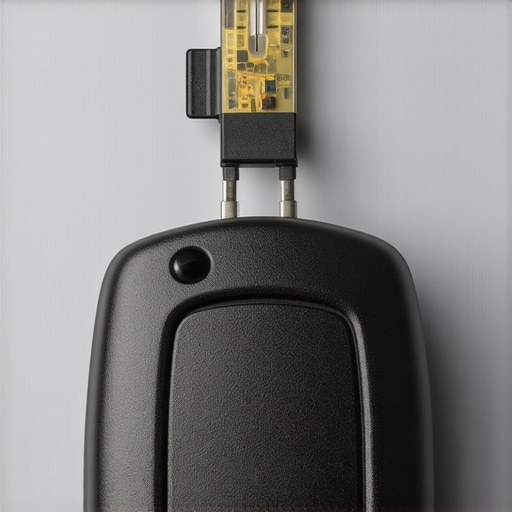
Ever been locked out of your car because your keyless entry just decided to stop working? That frustrating moment when you press the lock or unlock button, and nothing happens—it’s like your ride has a mind of its own. I remember the first time it happened to me; I stood there, hitting the button repeatedly, wondering if I’d pressed it wrong or if technology finally gave up on me. Turns out, a tiny, inexpensive fuse was to blame, and it cost me way more time and money than it should have.
How a Small Fuse Causes Big Headaches
That lightbulb moment led me down a rabbit hole. I discovered that the culprit was a $5 fuse, easily overlooked but critical for the operation of your keyless entry system. When this fuse blows, the system loses power, rendering your remote useless—no matter how expensive or high-tech your key fob is. The frustrating part? This fuse is tucked away in your vehicle’s fuse box, hidden behind glove compartments or under the hood, and the damage can be so subtle that you might never suspect it.
Have you faced similar issues with your car’s remote locking features? If so, you’re not alone. Many car owners, unaware of this tiny fuse, suffer the inconvenience and sometimes even get misled to replace entire systems or pay hefty repair bills. The good news is, once I identified this simple fix, my problems disappeared, and I learned how to prevent future headaches. In the next sections, I’ll guide you through the crucial steps to diagnose and replace that little fuse yourself—saving you time, money, and the frustration of being locked out.
Is the Keyless System Really Worth the Hype? The Common Skepticism
Early on, I made the mistake of assuming that my keyless entry system was malfunctioning because I’d heard stories of complicated electronic issues. I thought maybe I needed a whole new control module or professional repair, which can be expensive. But, after some research and a bit of trial-and-error, I realized that basic maintenance like checking fuses can solve many of these problems without breaking the bank. Remember, sometimes the simplest solution is right in front of you—it’s what I always tell my friends to keep from overpaying for unnecessary repairs.
Check the Fuse Location Carefully
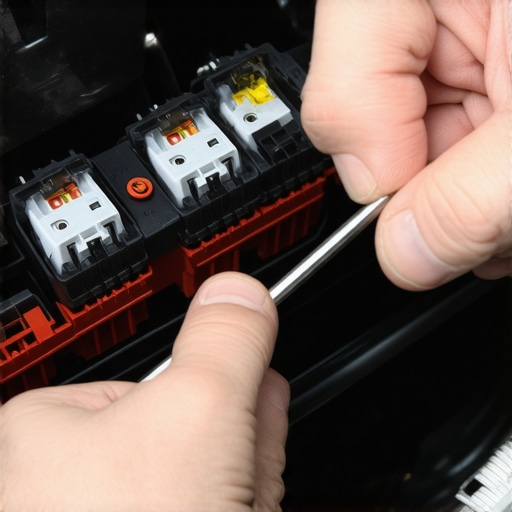
Start by locating your vehicle’s fuse box, which is often behind the glove compartment or under the hood. Use your owner’s manual or a fuse diagram sticker usually found on the box lid to identify the fuse corresponding to the keyless entry system. Pull out the fuse with a fuse puller or a pair of tweezers—be gentle to avoid damaging the holder.
Inspect the Fuse for Damage
Hold the fuse up to the light; a blown fuse will have a broken filament or a blackened appearance. If it’s blown, replace it with one of the same amperage rating. Micro-story: I once replaced a blown fuse in my car, which took just a few minutes, and suddenly my remote started working again. It’s a simple fix that can save hours of troubleshooting.
Replace the Fuse Correctly
Insert the new fuse firmly into the slot, making sure it sits properly. Don’t force it—precision is key. It’s advisable to buy spare fuses of various ratings for future issues. After replacing, test the remote to ensure the system responds reliably.
Test the System and Confirm Functionality
Close all doors and press the key fob buttons. If the system activates, you’ve successfully fixed the issue. If not, check other fuses or consider that the problem might be deeper, like a faulty control module. Remember, electrical issues can sometimes mimic mechanical failures, so it’s essential to troubleshoot thoroughly.
Prevent Future Fuse Problems
Regularly inspect your fuse box for signs of corrosion or damage and replace any suspect fuses promptly. For a comprehensive vehicle maintenance approach, consider scheduling routine tune-ups to keep all systems in check. Also, if you notice recurring fuse blows, it might indicate an underlying electrical drain or short—a situation worth consulting with a professional mechanic. This proactive step can prevent inconvenient lockouts and keep your car operating smoothly.
 Many car owners hold onto misconceptions about transmission maintenance, tune-ups, and auto repair that can lead to costly mistakes. One common myth is that once your vehicle runs smoothly, neglecting regular transmission checks won’t hurt. In reality, skipping necessary overhauls can cause minor issues to snowball into expensive repairs. Another misinformation is that tune-ups are outdated; however, they are vital for maintaining optimal performance, especially in high-mileage vehicles. Regular tune-ups not only extend your engine’s life but also prevent transmission strain caused by poorly maintained components. Many believe that all auto repair shops are the same, but understanding the difference between a quick fix and a comprehensive diagnosis is crucial. Choosing a shop that offers detailed inspections helps you avoid temporary patches that may lead to recurring problems or even safety hazards. A common trap is trusting self-diagnosis based solely on code readers, which can overlook underlying issues like vacuum leaks or faulty sensors—problems that require expert evaluation to prevent unnecessary repairs. For instance, a misdiagnosed transmission shudder could be mistaken for wheel imbalance, but a professional assessment reveals a worn-out clutch or fluid contamination—details only an experienced technician can identify. Advanced car care involves nuanced knowledge of how systems interact; for example, a failing transmission cooler might cause overheating without obvious symptoms until significant damage occurs. Making assumptions without consulting specialists can cost hundreds, or even thousands, in the long run. To truly understand your vehicle’s health, consider scheduled maintenance and trusted diagnostics rather than reactive repairs. Have you ever fallen into this trap? Let me know in the comments. For more insights on safeguarding your vehicle’s longevity, visit essential car service tips for safe summer drives or reach out to professional experts today.
Stay Ahead with the Right Equipment
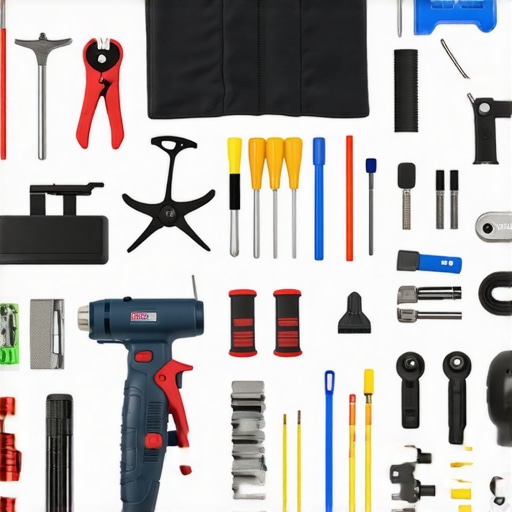
When it comes to maintaining your vehicle efficiently, having the right tools makes all the difference. I personally rely on a quality digital multimeter because it allows me to quickly diagnose electrical issues, such as faulty fuses or bad sensors, without guesswork. An automotive scan tool is also invaluable; I use an OBD-II scanner that connects via Bluetooth to my smartphone, enabling me to read engine codes, clear faults, and monitor real-time data. These tools save me time and money by identifying problems early, preventing minor issues from escalating into costly repairs.
The Power of Diagnostic Software
Beyond hardware, software solutions are transforming auto maintenance. I recommend programs like Torque Pro or FIXD, which interface with your vehicle’s OBD-II port. They provide detailed insights into engine performance and can alert you to pending failures, allowing you to schedule repairs proactively. As vehicle systems become more complex, embracing these digital tools is essential for DIY enthusiasts aiming to keep their cars running smoothly for the long haul.
Effective Maintenance Methods
Regularly inspecting and replacing consumables like air filters and spark plugs is fundamental. I personally schedule semi-annual checkups and keep a maintenance log—this helps me stay on top of upcoming tune-ups and fluid changes. For example, using a high-quality synthetic oil like Mobil 1 or Amsoil can reduce engine wear over time, especially in high-mileage vehicles. Additionally, flushing the transmission fluid every 30,000 miles, as recommended in expert guides, can extend the lifespan of your transmission and improve shifting performance. Consistent upkeep helps avoid unexpected breakdowns and ensures your vehicle remains reliable on the road.
How do I maintain transmission health over time?
Transmission maintenance involves more than just fluid changes; I also pay attention to signs of slippage or unusual noises, which may indicate internal wear. Investing in a transmission cooler or installing a transmission flush system can further protect this vital component. Looking ahead, advancements in diagnostic technology—such as AI-driven fault prediction—may soon allow us to prevent transmission issues before they become noticeable. Staying proactive with routine checks and partnering with qualified mechanics when needed will keep your transmission working seamlessly for years to come.
Tools and Techniques for Long-Term Results
Using high-quality diagnostic and repair equipment isn’t just about fixing problems—they’re investments in your vehicle’s future. I recommend a torque wrench to ensure correct torque on critical bolts, preventing over-tightening that can cause damage. Additionally, a good set of battery testers helps avoid unexpected breakdowns caused by weak batteries, especially during winter months. Combining these tools with scheduled tune-ups creates a comprehensive approach to vehicle longevity.
Scaling Your Maintenance Routine
As your vehicle ages, expanding your toolkit and routine becomes essential. Consider investing in specialized tools like a power steering pump tester or brake caliper piston compressors for DIY brake jobs. Regularly reviewing manufacturer maintenance schedules and adapting your tools accordingly will ensure your vehicle remains dependable. In the future, automation and smart diagnostic systems will make maintenance even more accessible, allowing you to prevent issues before they impact your daily driving experience. Embracing these innovations now positions you ahead of the curve, ready to tackle anything your car throws at you.
< >
>
The Hardest Lesson I Learned About Keeping My Car Running Smoothly
Early in my car ownership journey, I believed that neglecting routine maintenance wouldn’t hurt as long as the vehicle looked and drove fine. That misconception led to unexpected breakdowns and costly repairs, especially in the transmission system. I eventually realized that paying attention to small issues—like odd noises or sluggish shifting—could prevent major failures and save me money in the long run. It taught me that consistency in maintenance isn’t just about avoiding repairs; it’s about extending the life of my vehicle.
Simple Fixes That Made a World of Difference
One revelation was how a blown fuse for the keyless entry system was a quick fix—once I knew where to look. Replacing that tiny fuse restored my remote’s functionality and prevented me from being locked out. This experience emphasized that many car problems are solvable with basic tools and knowledge, avoiding unnecessary trips to the mechanic and unnecessary expenses. Investing in the right diagnostic tools and learning the basics can empower you to handle common issues confidently.
The Power of Routine and Preparedness
Maintaining a scheduled tune-up routine has become my secret weapon against unexpected breakdowns. Whether replacing spark plugs or flushing transmission fluid, these steps keep systems functioning optimally. I’ve also found that understanding your vehicle’s specific needs—based on the manufacturer’s recommendations—can make maintenance more effective and less costly. Building a proactive approach not only improves safety but also helps you spot potential problems before they escalate.
Curated Recommendations to Keep Your Car in Top Shape
For anyone serious about vehicle longevity, I highly recommend investing in a quality OBD-II scanner. It provides real-time data and fault codes, helping diagnose issues early. Additionally, books like “Automotive Technology” by Jack Erjavec offer in-depth insights into car systems, which can be invaluable for DIY enthusiasts. Lastly, trusting reputable auto repair shops that emphasize transparent diagnostics ensures you’re not overpaying or receiving unnecessary repairs. Combining tools, knowledge, and expert support creates a comprehensive vehicle care strategy.
Your Next Step Toward Automotive Confidence
Embracing these lessons and tools makes auto maintenance less intimidating and more manageable. By incorporating regular tune-ups, quick fuse checks, and understanding your vehicle’s signals, you turn yourself into your car’s best advocate. Remember, the goal is not just to fix problems but to enjoy the journey confidently, knowing you can handle minor issues before they become costly emergencies.
What’s one small maintenance step you’re planning to start this month? Share your plans below—I’d love to hear how you’re taking charge of your car’s longevity!