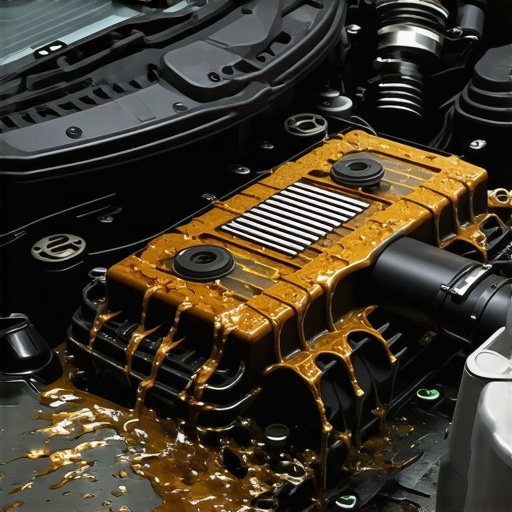
Have you ever gotten into your car and immediately thought, “Why does it smell like breakfast in here?” I remember the day I first noticed that strange, sweet aroma lingering in my vehicle. It was a cold morning, and I just wanted to get to work without any surprises. But as I slid into my seat, a peculiar smell hit me—like pancakes, syrup, or some kind of sticky sweetness. Turns out, that scent was more than just odd; it was a warning sign of a hidden issue lurking in my car.
The Unexpected Reason Behind the Sugary Smell
Many drivers dismiss their car’s odd odors as trivial, but when it comes to a smell like syrup, it’s worth paying attention. I learned the hard way that this sweet scent could be caused by a coolant leak or even mold growth due to trapped moisture. Early on, I made the mistake of ignoring the smell, hoping it would fade away. Spoiler: it didn’t. Instead, the problem worsened, risking my engine’s health and my comfort.
One common culprit is a radiator or heater core leak, which may release coolant with a sweet aroma. Coolant typically contains ethylene glycol, which has a distinctive syrupy smell—something that, if you notice it, shouldn’t be ignored. According to a study by the National Institute for Automotive Service Excellence, coolant leaks account for a significant number of vehicle odors that lead to engine overheating and expensive repairs if not addressed promptly. So, if your car is smelling sweet, it’s likely more than just a scent—it’s a red flag.
Have you experienced this kind of smell in your vehicle? If so, you’re not alone—and more importantly, there’s a fix. But before we dive into the troubleshooting steps, let’s tackle a common concern: is this problem time-sensitive, or can you ignore it?
Is Ignoring a Syrup-Like Smell a Major Risk?
Many car owners worry that addressing such issues might be complicated or costly. Early on, I thought, “It’s probably just a passing smell. I’ll check it out during my next service.” Big mistake. What I didn’t realize was that delays could lead to more severe engine damage or health hazards from mold growth, especially if moisture is involved. If you’re thinking, “Is this really worth fixing now?” remember that small leaks can quickly turn into major repairs.
So, if you’ve been ignoring that unmistakable sweet smell in your car, ask yourself: Have I noticed any other signs, like overheating, sweet-tasting antifreeze, or foggy windows? Recognizing the clues early makes all the difference.
As we move forward, I’ll share the practical steps I used to identify and fix the source of my car’s syrup smell. Trust me—getting to the bottom of this is easier than you think, and it can save you a lot of money and frustration in the long run.
Start with a Visual Inspection
Park your car on a level surface and open the hood. Look for any visible puddles or stains around the radiator, hoses, and engine bay that could indicate a coolant leak. Use a flashlight to inspect hard-to-see areas. If you notice green, orange, or pinkish fluid residue, you’ve likely found the source. Remember, coolant leaks often occur at hose connections or the radiator itself, so check for cracks or loose clamps.
Check the Coolant Level and Quality
Locate the coolant reservoir, typically translucent with marked minimum and maximum lines. Ensure the engine is cool before opening it. If the coolant level is below the minimum, top it off with the recommended type for your vehicle. If the coolant appears rusty, cloudy, or has debris, it’s time for a flush—learn how to do this without making a mess here. This simple step helps remove old, contaminated fluid that could be causing your engine to overheat or develop odors.
Perform a Pressure Test to Detect Hidden Leaks
Use a radiator pressure tester, available at auto parts stores, to pressurize the system. Attach the tester to the radiator cap or coolant reservoir to apply pressure gradually. Observe if the pressure drops over time, which indicates a leak. You might notice small cracks forming only under pressure, so this step is crucial. Consider taking your vehicle to a mechanic if you’re unsure about performing this test—diagnosing hidden rust or pinholes here can reveal concealed damage.
Inspect and Replace Faulty Hoses and Clamps
Flex hoses connected to the radiator or heater core are common failure points. Feel for soft or swollen hoses, and check clamps for corrosion or looseness. Tighten or replace any compromised hoses. When replacing, ensure you use the correct size and type to prevent future leaks. A quick tip: use a hose clamp pliers for a secure fit, avoiding leaks that can lead to that unpleasant sweet smell.
Addressing the Source of Mold or Moisture
If the smell persists after fixing leaks, moisture may be trapped inside the HVAC system or cabin filters. Remove and replace cabin air filters regularly; a clogged filter can harbor mold and bacteria. For mold growth, clean the air vents with an automotive disinfectant here. Additionally, consider running the AC on max with fresh air intake to dry out the system and eliminate odors effectively.
Prevent Future Leaks and Odors
Schedule regular maintenance, including coolant flushes, typically every 30,000 miles or as recommended. Keep an eye on coolant levels and signs of leaks during routine checks. Using high-quality coolant compatible with your vehicle’s specifications reduces corrosion. Implementing these steps not only removes foul smells but also prolongs your engine’s life, saving you from costly repairs.
Many car owners believe that selecting a repair shop or scheduling a tune-up is as simple as trusting high-volume franchises or the most affordable options. However, in my experience, there’s a profound nuance that most people overlook—especially regarding transmission repairs and specialized diagnostics. A common myth is that all auto repair shops are equally equipped and knowledgeable, but this couldn’t be further from the truth. For example, some shops lack the advanced diagnostic tools necessary to identify hidden rust or electrical issues, which can be hidden beneath layers of paint or wiring harnesses. This oversight can lead to costly rework, and worse, safety hazards. Did you know that an undetected rust spot under a seemingly pristine paint job can compromise your vehicle’s structural integrity? Advanced diagnostics are essential for uncovering such hidden dangers. Another common pitfall is assuming that a simple tune-up or fluid change will fix all performance issues without addressing underlying problems like faulty sensors or worn-out transmission components. Rushing into a quick fix without understanding the root cause may provide temporary relief but often leads to recurring problems and expensive repairs. For example, a rough cold start might seem trivial, yet it can indicate deeper issues like failing glow plugs or clogged injectors, which require precise diagnostic procedures.
How can advanced diagnostics prevent costly misdiagnoses?
Using professional-grade tools and experience allows technicians to detect subtle electrical glitches, sensor failures, or corrosion build-up before they escalate. Investing in a shop that emphasizes thorough evaluations—like knowing how to spot a bad ground wire or testing for hidden rust—can save you thousands. Don’t forget that sometimes the most effective repair is preventive: regular inspections tailored to your vehicle’s specific needs can uncover issues early on. Have you ever fallen into this trap? Let me know in the comments.
Investing in the Right Equipment for Ongoing Maintenance
Maintaining your vehicle over the years requires more than just routine oil changes—it demands the proper tools that allow you to diagnose and fix issues proactively. I personally rely on a high-quality automotive code scanner, like the Autel MaxiCOM, because it provides comprehensive diagnostics without the need for expensive trips to the mechanic. This device helps me quickly identify sensor faults or pending check engine lights, saving time and money. Additionally, a reliable multimeter, such as the Fluke 117, is invaluable for testing electrical systems, verifying battery health, and pinpointing faulty ground connections that can cause myriad issues. Regularly assessing your vehicle’s electrical integrity with these tools can prevent problems before they escalate, such as misdiagnosed transmission codes or failing alternators.
Embracing Advanced Diagnostic Techniques
Beyond basic tools, employing techniques like performing a pressure test on your cooling system or inspecting for corrosion beneath paint layers ensures longevity. For example, using a radiator pressure tester, which I prefer using from brands like Lisle, allows me to spot hidden leaks that could cause long-term damage. Similarly, inspecting for rust or rust-starter spots with a borescope lets me catch issues that aren’t visible on the surface. When detecting concealed rust under paint, I consult detailed guides like this resource. These steps help me prevent costly repairs and ensure my vehicle remains safe and reliable over time.
Embracing Technology for Long-Term Success
Smart vehicle maintenance is evolving with technology. I use specialized software like the Car Scanner ELM OBD2 app, which connects seamlessly to my smartphone and provides instant feedback on health status and error codes. This integration helps me stay on top of scheduled interventions, such as timely transmission fluid changes or tune-ups, which are crucial for long-term performance. Renowned industry experts predict that the future of auto repair will revolve around more accessible diagnostics, leading to faster troubleshooting and longer vehicle lifespans. By staying updated with the latest tools and techniques, you can reduce reliance on expensive repairs and extend the life of your vehicle significantly.
How do I maintain the health of my vehicle’s transmission beyond basic service?
One effective way is to use specialized transmission additive fluids or conditioners, which help reduce wear and smooth out shifting issues. Practicing regular inspections with a scan tool to monitor transmission temperature and sensor data can alert you to problems early. Additionally, consulting professional diagnostics providers, like those experienced at CollisionFixer, can uncover hidden rust or electrical problems that influence transmission performance here. I recommend trying advanced diagnostic methods periodically, such as inspecting for electrical impedance changes, to preserve your transmission’s health long-term. Consistent attention now prevents costly rebuilds later, so incorporate these techniques into your maintenance routine.
After tackling riddles like the sweet, pancake-like aroma in your vehicle, you realize that these odors aren’t just nuisances—they’re storytellers revealing hidden issues. The lesson? Never dismiss a smell that doesn’t belong, especially when it hints at coolant leaks or mold growth. Addressing these problems early not only preserves your car’s health but also keeps you safe on the road.
The Unexpected Truth About Car Odors That Save You Money
Many drivers learn this lesson the hard way—ignoring a sweet smell can lead to costly engine repairs or health hazards from mold. Recognizing subtle clues, like foggy windows or overheating signs, empowers you to take immediate action. Think of odors as your vehicle’s way of communicating—heed them before they turn into mechanical misfortunes.
Unveiling Hidden Problems Before They Escalate
Steps like inspecting for coolant leaks, checking the coolant level and quality, and performing pressure tests are practical ways to catch issues early. Regularly replacing worn hoses and cleaning out mold-filled cabin filters also go a long way. These proactive measures serve as your personal diagnostic toolkit, preventing minor annoyances from blossoming into major repairs.
Expert Techniques That Make a Difference
Employing advanced diagnostics, like pressure testing the cooling system or inspecting for concealed rust, elevates your maintenance game. Tools such as radiator pressure testers or inspection borescopes uncover problems invisible to the naked eye. By investing in these methods, you’re safeguarding your vehicle’s longevity and your peace of mind.
The Value of Smarter Maintenance Tools
Devices like high-quality code scanners or multimeters transform your approach from reactive to preventive. They enable you to spot irregularities early—saving money and avoiding roadside surprises. Staying updated with diagnostic tech empowers you to keep your car in top shape, year after year.
The Future of Auto Care Lies in Knowledge and Technology
Embracing innovative diagnostic techniques and understanding your vehicle’s unique needs elevate your maintenance routine. Regular inspections for rust or electrical issues are investments that prevent costly breakdowns. Remember, a well-maintained vehicle isn’t just about performance—it’s about ensuring your safety and confidence on every journey.
Insider Wisdom on CollisionFixer Experience
- One of the toughest lessons I learned was how hidden rust beneath fresh paint can silently undermine safety. Using resources like advanced diagnostic methods, I discovered that quick fixes often overlook these threats, leading to costly repairs later.
- I used to think that regular oil changes were enough—until I realized that electrical and rust examinations are equally vital. Regularly inspecting grounds and connectors with proper tools prevents mysteries like engine stalling or vibration issues.
- The most eye-opening insight was how a simple pressure test could reveal leaks hiding in plain sight. Investing in the right diagnostic tools honestly saved me thousands in potential repairs.
Tools and Resources for Your Maintenance Arsenal
- Autel MaxiCOM Scanner: My go-to device for comprehensive diagnostics without leaving home. Helps identify sensor faults and pending alerts swiftly.
- Fluke 117 Multimeter: Essential for electrical system checks, ensuring that ground wires and battery health are optimal.
- Radiator Pressure Tester: Critical for uncovering hidden leaks, preventing overheating and engine damage.
- Online Guides and Forums: Resources like CollisionFixer’s rust detection articles keep me informed about hidden dangers under the paint.
Your Next Step Toward Smarter Car Care
By embracing advanced diagnostics, investing in quality tools, and staying curious about your car’s condition, you’re transforming maintenance from a chore into a proactive safeguard. The road ahead is safer and longer-lasting when you act on what your vehicle whispers—keeping that sweet smell as a distant memory and your engine purring smoothly. What’s the first diagnostic step you’re planning to try? Let me know below!