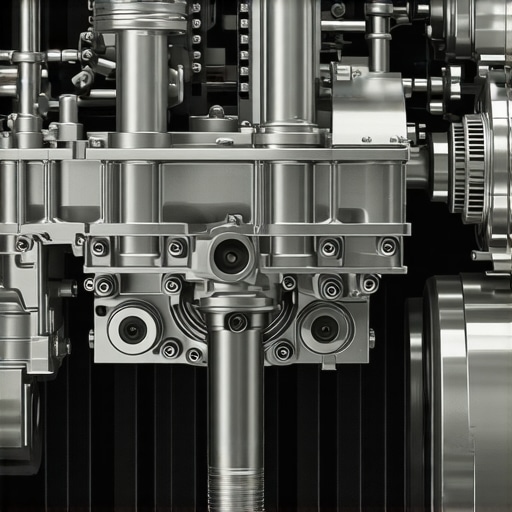
One morning, I fired up my car, expecting a smooth start, only to notice the oil light flickering on briefly. That sinking feeling hit me—my engine was losing oil, but I couldn’t find any visible leaks under the hood or on the ground. It felt almost like a magic trick gone wrong, and I wondered: where is all this oil going?
Why Your Engine Might Be Burning Oil Without a Leak
This was a lightbulb moment for me. I realized that oil loss doesn’t always mean a puddle on the driveway or a drippy gasket. Sometimes, the oil gets burned inside the engine itself, especially when certain components go awry. It’s a sneaky issue that can lead to engine damage if left unchecked, and many car owners—myself included—miss the signs thanks to assumptions or misinformation.
So, what’s really happening? Well, engines rely on piston rings and valve seals to keep oil from entering the combustion chamber. If these seals wear out or become damaged, oil slips past and burns along with the fuel-air mixture. This isn’t a leak that drips out; it’s a loss that’s less obvious but just as dangerous.
The good news? Once I understood the root cause, I was able to address it before it turned into a costly repair. Today, I want to share the insights I gained and help you diagnose whether your oil loss fits this pattern. By the end, you’ll know how to spot the telltale signs of internal oil burning and what steps to take to keep your engine healthy and running smoothly.
Recognizing the Signs of Internal Oil Consumption
Is your car showing other symptoms besides oil level drops? Smoke from the exhaust, especially bluish tint, can be a strong indicator of oil burning inside the engine. You might also notice a drop in fuel efficiency or a strange smell during drives. These clues point to the same internal issue.
Early detection is vital. According to automotive experts, ignoring the problem can lead to severe engine damage, including piston failure or worn-out valves, which are far more expensive to repair than catching the issue early. One mistake I made at first was relying solely on visual inspections—don’t fall into the same trap! It’s essential to perform thorough checks, including a compression test or using an oil consumption diagnostic test, to understand the real culprit.
If you’re curious about preventive measures, proper maintenance and regular tune-ups can go a long way. Check out how routine tune-ups protect your engine from internal failures.
But before diving into repairs, let’s explore the common causes behind this mysterious oil loss—and how you can address them effectively. Trust me, understanding the why is half the battle won.
Start with a Comprehensive Inspection
Begin by checking your oil levels regularly using the dipstick. If you notice consistent drops without external leaks, your engine might be burning oil internally. Keep a log of oil consumption to help identify patterns.
Perform a Compression Test for Clues
This test measures the pressure in each cylinder, revealing worn piston rings or valve seals. I once borrowed a compression tester from a local parts store, carefully following the instructions. The first cylinder showed significantly lower pressure, pointing to internal seal failure. Repeating the test multiple times ensured accuracy, and the results guided my next steps.
Use Diagnostic Tools for Precision
Oil consumption diagnostics, like a leak-down tester, help pinpoint where oil loss occurs. These tools act like a detective’s magnifying glass for your engine’s inner workings. I rented a leak-down tester and attached it to each cylinder, observing the gauges. A tight, consistent reading indicated seal issues rather than head gasket problems.
Inspect with Visual Checks
Remove the valve cover to examine piston rings and valve seals for wear or damage. While doing this is more advanced, I found that discoloration or cracks pointed toward the need for replacements. Always ensure the engine is cool before disassembly.
Addressing the Problem Set
Replacing piston rings or valve seals is the core solution, often requiring professional help but sometimes doable as a DIY project if you’re experienced. I chose to consult a mechanic for this step, given the complexity involved. Routine maintenance, like using high-quality oil and regular oil changes, can prolong the life of these seals. Check out routine tune-ups to prevent further issues.
Follow Up and Prevent Future Problems
After repairs, monitor oil consumption closely. Schedule regular checkups to catch early signs of internal issues. Don’t forget, transmission health directly influences overall engine performance—consider reading about how transmission overhauls save money.
 Many car owners believe that all auto repairs and maintenance procedures are straightforward, but in reality, there’s a lot of nuance and common misconceptions that can lead to costly mistakes. For instance, a widespread myth is that regular oil changes are all you need to keep your engine healthy. While they are essential, neglecting other vital aspects like transmission service or detailed diagnostics can cause long-term damage. Understanding the complexities behind how different systems interact—such as the transmission’s sensitivity to fluid quality—can save you money and prevent breakdowns. Additionally, many assume that certain repairs are purely mechanical, when in fact, electronic components like sensors and control modules play a crucial role and require specialized diagnostic tools for accurate trouble-shooting. Overlooking these details often results in temporary fixes rather than permanent solutions, emphasizing the need for a comprehensive approach to maintenance. Don’t fall into the trap of generic advice—consult professionals who understand the intricate mechanics and electronics involved in modern vehicles. For example, knowing the difference between routine tune-ups and major overhauls can influence how often you should schedule service. Experts also warn against delaying inspections, as small issues like a minor transmission fluid leak can escalate into expensive repairs if ignored. To truly optimize your vehicle’s lifespan, consider routine inspections that go beyond the basics, such as checking for hidden flood damage or internal corrosion, which many overlook. Curious about the advanced pitfalls that even seasoned DIYers often miss? Read more on how expert diagnostics can uncover hidden problems before they become emergencies, saving you money in the long run. Remember, a well-maintained car is not just about reacting to problems but proactively preventing them. Have you ever fallen into this trap? Let me know in the comments.
Investing in the Right Equipment for Longevity
Maintaining your vehicle over time demands precision and the right tools. Personally, I rely heavily on a digital OBD-II scanner, like the BlueDriver, because it provides real-time diagnostic data that can pinpoint issues before they escalate. Unlike standard code readers, this device offers detailed freeze-frame data and live sensor readings, making troubleshooting faster and more accurate. I also keep a magnetic engine oil drain pan, which simplifies oil changes by preventing spills, especially in tight engine bays. Using high-quality, durable tools ensures that every repair or maintenance task is performed efficiently and safely, reducing the risk of causing further damage.
Why I Recommend a Professional-Grade Torque Wrench
A torque wrench is indispensable for tasks such as tightening wheel lug nuts or spark plugs to specification. I prefer a digital torque wrench because it provides precise measurements and stores data for future reference. Proper torque application is crucial; over-tightening can strip threads, while under-tightening leads to component failure. Investing in a reliable torque wrench has saved me from costly future repairs — ensuring bolts are tightened to manufacturer specifications. This small but impactful tool is a game-changer for DIYers committed to quality work.
Leveraging Advanced Software for Maintenance Scheduling
Modern vehicles often come with built-in telematics and connectivity features. I use manufacturer-specific diagnostic software, such as OBDLink’s platform, for deep system analysis. These tools help schedule proactive maintenance—like fluid replacements or component inspections—before problems develop. For example, monitoring transmission fluid temperature and quality through software can prevent sludging and extend service intervals, saving money and avoiding unexpected breakdowns. As automotive technology advances, integrating these tools into your maintenance routine becomes essential for long-term reliability.
Future Trends in Auto Maintenance Technology
Looking ahead, vehicle diagnostics and maintenance will become increasingly automated. AI-powered diagnostic tools can analyze vast datasets to predict failures accurately, enabling preemptive repairs. Portable, wireless tools will make comprehensive diagnostics accessible for everyday users, not just professionals. Embracing these innovations today can streamline maintenance and reduce downtime. If you’re interested, exploring professional diagnostic software like routine tune-ups can significantly improve your vehicle’s lifespan and performance.
How do I maintain my tools and equipment over time?
Proper maintenance of your tools ensures they remain reliable. Keep hand tools clean and lubricate moving parts regularly. Calibrate electronic devices like torque wrenches and diagnostic scanners annually, similar to how auto shops perform routine calibrations to maintain accuracy. Store delicate electronics in anti-static containers and protect sensitive equipment from dust and moisture. Regularly inspecting and servicing your tools not only prolongs their lifespan but also guarantees consistency and precision in your repairs. For complex diagnostics or transmission work, consulting a professional at Collision Fixer can provide additional guidance, especially when handling sophisticated electronic systems.
What I Wish I Knew Before Ignoring the Signs
- Trust your instincts—if the oil light flickers, it’s an early warning, not just a reminder for an oil change. Ignoring subtle signs can cost you thousands in repairs.
- Understanding that internal oil burning isn’t always obvious made me realize the importance of proactive diagnostics and not relying solely on visible leaks or smoke.
- Investing in quality diagnostic tools, like a compression tester, turned out to be a game-changer in identifying hidden issues early on, saving me both money and stress.
- Regular maintenance routines, tailored to catch internal problems, are vital. They can extend your engine’s lifespan far beyond conventional oil changes.
Tools and Resources That Elevated My Engine Care Game
- My trusty BlueDriver OBD-II scanner provides real-time insights into my engine’s health, helping me spot potential issues before they escalate.
- The detailed guides at Collision Fixer have empowered me to perform routine checks and understand when professional intervention is needed.
- High-quality compression and leak-down testers have become indispensable, especially when diagnosing internal seal wear, which standard inspections can’t reveal.
- Books like