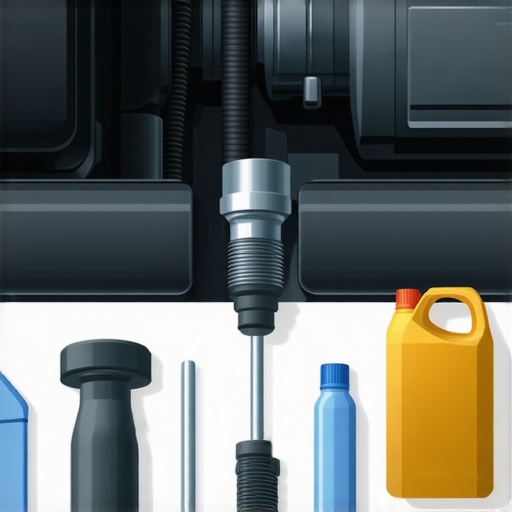
It was a typical Saturday morning, but I had that sinking feeling something was off with my car. I was under it, draining the oil, and suddenly realized—how much mess did I just make again? Oil everywhere, all over my driveway, and me looking like I’d just fought a mini oil war. I remember thinking, “There has to be a better way.” That was my lightbulb moment: discovering a hidden drain plug that transforms oil changes from messy chaos into a clean, easy task.
Say Goodbye to the Oil-Drain Disaster
In my years of working on cars, I’ve done my fair share of oil changes. But the worst part? The drips, spills, and smears that seemed inevitable. I’d always end up with more oil on my hands, tools, and driveway than in the engine. It’s frustrating, time-consuming, and honestly, kind of embarrassing.
Then I found out about a little trick—an overlooked drain plug tucked away out of plain sight. This isn’t your typical drain hole. It’s a purpose-built innovation that minimizes mess by controlling flow and making the entire process cleaner. Trust me, once I started using it, oil changes became a breeze.
But here’s the thing: many car owners don’t even know it exists. They’re still battling spilled oil and endless cleanup. That’s why I’m here—to share this simple, effective tip that can save you time, mess, and even your patience.
Is the New Drain Plug Worth the Hype?
I know what you’re thinking—‘Is this really something that makes a noticeable difference?’ Early on, I made a mistake: rushing my oil change without fully understanding the process, which led to more mess. Learning from that, I realized that the right drain plug design can genuinely change how you approach routine maintenance.
Experiencing less cleanup and more efficiency has kept me coming back to this trick, and now I can’t imagine oil changes any other way. Curious to see if this can work for you? Keep reading, and I’ll walk you through exactly how this hidden drain plug can make your oil changes cleaner, safer, and easier. For more detailed insights on how to keep your car in top shape, check out our guide on how transmission overhauls save you money.
Locate the Concealed Drain Plug
First, familiarize yourself with your vehicle’s oil pan by consulting your owner’s manual or service guide. Unlike the visible drain bolt, this hidden plug is often situated on the side or underside of the oil pan, tucked away behind other components. During my last oil change, I used a flashlight and a mirror to spot it without removing anything unnecessarily. This step avoids the usual mess of oil spills and speeds up the process significantly.
Gather the Right Tools and Equipment
Use a high-quality socket wrench compatible with your drain plug size. Have a catch basin ready directly beneath the plug. Wearing gloves and old rags will keep your hands clean and contain any splashes. When I applied this method, I realized that investing in a flexible extension socket allowed me to reach the plug comfortably, especially in tight spaces. Precise tools prevent stripping the plug head and reduce the risk of leaks afterward.
Prepare for a Clean and Efficient Oil Drain
Before loosening the plug, warm up your engine for a few minutes to thin the oil — it flows out faster and cleaner. Turn off the engine, put on safety goggles, and position your catch basin underneath the drain plug. As I loosened the plug, I cracked it slowly, controlling the flow to avoid splashes. When the oil started dripping steadily, I carefully unscrewed it completely, letting the oil flow directly into the basin without drips or splashes escaping.
Control the Flow with a Specialized Drain Plug
Some vehicle owners upgrade to a drain plug with a built-in valve or quick-release mechanism. This innovation allows you to open and close the drain without fully removing the plug, drastically reducing mess. During my last upgrade, I installed such a plug, which meant I could drain the oil, close the valve, and then dispose of the oil cleanly. This simple modification can be installed easily and has a huge impact on cleanliness and convenience.
Manage the Oil and Seal the Plug Properly
Once the oil has drained completely, wipe the plug and its seat clean. Screw the plug back in by hand initially to avoid cross-threading. Use a torque wrench to tighten it to your vehicle’s specified torque—over-tightening risks stripping threads; under-tightening causes leaks. I once overtightened mine, which led to a costly repair. Following the correct torque makes for a reliable seal and prolongs the life of your oil pan.
Verify and Finish the Job
After replacing the drain plug, add fresh oil through the filler cap, respecting the manufacturer’s recommended quantity. Start the engine briefly and let it idle for a few minutes, then turn off and check for leaks around the plug. Use the dipstick to verify the oil level matches the specified range. When I did my last oil change this way, the entire process took less time and was substantially cleaner, giving me peace of mind that I performed maintenance correctly and efficiently.
Many car owners operate under false assumptions when it comes to transmissions, collision repairs, and general maintenance. One prevalent myth is that transmission problems are always costly and unavoidable. In reality, regular maintenance and understanding the nuances can extend the lifespan of your transmission significantly. For instance, instead of waiting for a noticeable shift issue, proactive steps like timely fluid changes can prevent major failures; learn more about how [transmission overhauls save you money in the long run](https://collisionfixer.com/how-transmission-overhauls-save-you-money-in-the-long-run).
A common mistake is neglecting subtle transmission symptoms that many dismiss as minor glitches—such as shuddering or slipping—which actually hint at deeper issues that, if addressed early, can be fixed more affordably. Overlooking these signs can lead to higher repair costs or complete transmission failure. Experts warn that ignoring early warning signs can reduce your car’s resale value and reliability.
In collision and auto repair, there’s a misconception that all body shops produce the same results. But quality varies greatly depending on the shop’s adherence to proper techniques. For example, some shops skip critical steps like using a primer, which can lead to paint peeling or rust down the line. To avoid shoddy work, it’s wise to consult a reputable body shop—learn how to spot if a shop didn’t use quality materials by reading [these signs your body shop didn’t.use a primer](https://collisionfixer.com/3-signs-your-body-shop-didnt-use-a-primer).
When it comes to car tune-ups, many think they’re only necessary when a check engine light appears. The truth is, routine tune-ups are crucial to maintain optimal engine performance and prevent costly repairs. Regularly scheduled tune-ups include inspecting spark plugs, filters, and fluids—elements that directly affect your vehicle’s efficiency. For insights on how to maximize your car’s lifespan with scheduled tune-ups, visit [this detailed guide](https://collisionfixer.com/maximize-your-cars-lifespan-with-regular-tune-ups).
One advanced aspect many overlook is the impact of outdated or incorrect fluids, seals, and filters on transmission and engine health. Mixing or neglecting these can cause uneven wear, overheating, or catastrophic damage. Keeping these components up-to-date is essential, and consulting a qualified technician can help you avoid common pitfalls.
Finally, be wary of quick fixes or ‘cheap’ repairs that seem tempting. Cutting corners often results in repeat visits and higher expenses down the road. Investing in proper diagnostics and professional service might cost more upfront but ensures safety, reliability, and long-term savings.
Have you ever fallen into this trap? Let me know in the comments. Proper knowledge of these nuances can save you money and prevent headaches, so stay vigilant and proactive with your vehicle maintenance.Maintaining your vehicle’s performance over time requires more than just basic knowledge; it demands the right tools and methods that ensure accuracy and longevity. As someone deeply involved in auto repair and car service, I favor specific equipment that streamlines maintenance tasks and guarantees professional results. For instance, I always recommend investing in a high-quality torque wrench, like the CDI 2503MFRPH, because precise torque application is crucial to avoid overtightening or under-tightening, which can lead to leaks or damaged threads. Additionally, a cordless impact wrench is invaluable for quickly removing stubborn fasteners without causing damage, especially during tasks such as replacing a transmission cooler or working on suspension components.
Why a Digital Inspection Camera is a Game-Changer
In my experience, a digital inspection camera, such as the Depstech Wireless Endoscope, allows you to reach into tight spaces—like behind the dash or inside the engine bay—to identify issues like rust, blockages, or wiring problems. This tool saves time and prevents unnecessary disassembly, making long-term maintenance more manageable. Looking ahead, I predict that these devices will become more integrated with smartphone apps, offering real-time diagnostics and high-resolution imaging, further simplifying vehicle upkeep.
How do I maintain tools and methods for the long haul?
Regular calibration and cleaning are key. For example, torque wrenches should be calibrated annually to maintain accuracy, and impact wrenches need lubrication and inspection for wear. Storing tools properly—such as hanging them on wall racks—prevents unnecessary damage. Moreover, keeping a digital repair log helps track which parts have been serviced or replaced, reducing the risk of overlooking maintenance intervals. Adopting a disciplined routine with quality tools not only preserves their lifespan but also ensures your vehicle remains in excellent condition over the years. If you’re interested in other proven strategies, take a look at our guide on essential car service tips for safe summer drives.
Set Yourself Up for Success with Proper Maintenance
Remember, consistent use of specific tools combined with methodical approaches can drastically reduce repair costs and downtime. For example, tightening your engine’s drain plugs to the appropriate torque guarantees a reliable seal, preventing costly leaks down the road. Try incorporating a digital torque wrench into your routine as a practical step—it’s a game-changing investment in ensuring maintenance precision. Always double-check the manufacturer’s specifications and consult the relevant repair guides for your vehicle model, which can be more accurate than generic advice. Want to improve your DIY skills even further? Reach out to professionals through our contact page for personalized advice.
How I Learned to Never Spill Oil Again
One of the most valuable lessons I’ve discovered in auto maintenance is that small details, like a hidden drain plug, can make a huge difference. I used to dread oil changes due to the mess they created, but uncovering the existence of an overlooked drain plug revealed a new world of clean, efficient maintenance. Trust me, investing time to locate and utilize these hidden features transforms your DIY experience from frustrating to satisfying.
The Secret That Saved My Garage from Oil Disaster
Realizing that a specialized drain plug could control oil flow had a profound impact. It’s a simple upgrade, but it drastically reduces cleanup time and prevents environmental spills. This is a classic example of how paying attention to the little details—like upgrading to a drain plug with a built-in valve—can elevate your mechanic skills and keep your space tidy. Remember, sometimes the smallest innovations bring about the biggest improvements.
What I Wish I Knew Before Starting
- Never underestimate the value of your vehicle’s service manual; it’s your map to locate those hidden components.
- Using the right tools, like a flexible socket extension, can reach concealed drain plugs more easily and safely.
- Upgrading to a drain plug with a quick-release valve can turn a messy job into a clean, quick task—highly recommended for DIYers.
- Properly torquing your drain plug after draining ensures a perfect seal and avoids future leaks.
Tools and Resources That Make a Difference
My favorite tools for this job include a high-quality torque wrench, flexible impact socket set, and a digital inspection camera. The torque wrench guarantees correct tightness, preventing damage or leaks, while the inspection camera helps identify hidden drain plugs without unnecessary disassembly. For deeper insights, I recommend checking out our comprehensive guide on preventing transmission slips, which ties into overall vehicle health and maintenance tactics.
Keep Your Momentum Going with Strategic Maintenance
Remember, mastering tasks like locating hidden drain plugs not only improves your skill set but also prolongs your vehicle’s lifespan and saves money. Regularly scheduled tune-ups, as discussed in these tips for maximizing your car’s lifespan, combined with attention to everyday details, ensure smooth performance. Take proactive steps today—your car will thank you for it!
What’s Your Next Fix?
Have you ever discovered a hidden feature that changed how you maintain your vehicle? Share your experiences below, and let’s learn together how small insights lead to big savings and satisfaction in auto care.