Ever been caught in a rainstorm, desperately trying to clean your windshield, only to realize the washer nozzle isn’t spraying at all? That frustrating moment when your wiper fluid just won’t come out can turn a minor inconvenience into a major glare on the road. I remember the first time it happened to me on a foggy morning, and I thought I’d have to replace the entire system. Turns out, most of the time, it’s a simple clog that you can fix yourself — no mechanic required.
Why a Blocked Windshield Washer Nozzle Can Be a Real Hazard
Living in an area with unpredictable weather, I rely heavily on my windshield washer system. When the nozzles clog, not only does visibility suffer, but it also forces you to manually scrape or wipe the glass — definitely not ideal while driving. The good news is, clearing that pesky clog is often quick and straightforward. Having experienced this firsthand, I want to share some tried-and-true tips so you won’t get caught off guard next time. Often, clogs are caused by dirt, calcium deposits from hard water, or even leaves and bugs blocking the tiny apertures. Regular maintenance can keep these issues at bay and ensure your windshield stays crystal clear.
Is Clearing the Nozzle Really Worth the Hassle?
Early on, I made the mistake of ignoring minor spray issues, thinking they’d resolve on their own. That was a mistake. It cost me precious seconds during a sudden downpour and almost compromised my safety. According to auto experts, simple maintenance like cleaning the nozzles can prevent bigger problems down the road, ensuring your safety and saving you money. Why endure foggy views or streaks on your windshield when a quick fix can do the trick? Curious how to do it? Keep reading, because I’ll walk you through the fastest way to get those nozzles spraying again, step by step. If you want to maximize your car’s lifespan and prevent inopportune breakdowns, check out [regular tune-ups](https://collisionfixer.com/maximize-your-cars-lifespan-with-regular-tune-ups) for ongoing care.
Remove the Nozzle Cover Carefully
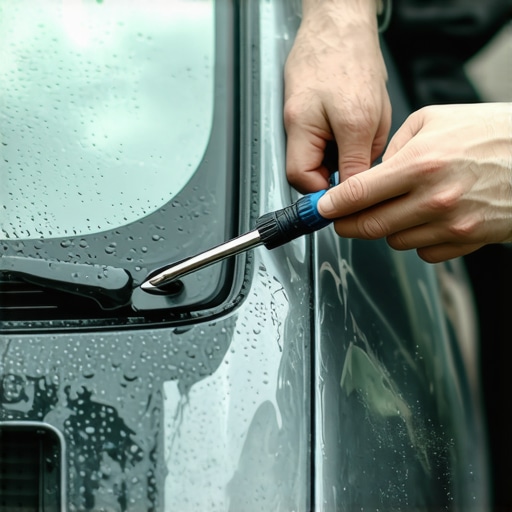
Start by opening your car’s hood and locating the windshield washer nozzles, usually positioned at the base of the windshield. To avoid damaging surrounding components, gently pry off the nozzles using a plastic tool or a flat-head screwdriver wrapped in cloth. I once used a butter knife and accidentally cracked my hood liner; after that, I learned to be gentle with plastic parts.
Inspect the Nozzles for Obstructions
Look closely at the tiny apertures; debris like dirt, bugs, or calcium deposits often cause clogs. If the nozzles are visibly dirty, use a pin or needle to carefully clear the blockage. I remember struggling with stubborn deposits on my truck, spending several minutes working with a needle—eventually, the spray was restored, and my visibility improved instantly.
Use Compressed Air or a Needle to Clear the Clog
Attach compressed air to blow out any debris lodged inside the nozzle. If you don’t have compressed air, a fine needle or safety pin works just as well. Insert it into the nozzle and gently wiggle to dislodge stubborn obstructions. I once used a straw to direct a burst of air from my compressor, which cleared the clog faster than I expected.
Flush the System if Needed
Sometimes, mineral buildup is inside the lines, not just at the nozzles. Disconnect the hose from the nozzle and flush it with water or a vinegar solution to dissolve deposits. Reconnect the hose and activate the washers to see if the spray pattern improves. During my last repair, I flushed the entire line, which not only fixed the clog but prevented future blockages.
Test the Nozzles Before Reassembly
Turn on your windshield washer to verify spray uniformity and range. Properly functioning nozzles should spray a wide, even arc. If the spray remains weak or uneven, repeat the cleaning process or check for leaks in the hose. A quick test saved me from having to reassemble everything only to find it still didn’t work.
Reattach the Nozzle Cover Securely
Once everything is clear and working, snap the nozzles back into place and replace the cover carefully. Ensure no clips or tabs are broken to prevent future issues. I once forgot to clip the cover tightly, which caused the nozzle to pop out at the worst moment—so double-check everything before closing the hood.
Remember, regular maintenance can prevent stubborn clogs. Consider applying a windshield washer solution with anti-deposit properties or using filtered water to extend the life of your nozzles. For more tips on maintaining your vehicle’s systems, visit this guide on car longevity. Proper upkeep ensures clear visibility and a safer driving experience whenever weather conditions turn sour.
When it comes to vehicle maintenance, a common misconception is that sticking to the basics suffices for long-term reliability. But in my experience, understanding the nuanced details can make all the difference. Many assume that a simple oil change or tire rotation is enough, overlooking critical aspects like transmission health or proper tune-ups that prevent costly breakdowns. For example, regular transmission overhauls, as discussed in [this detailed guide](https://collisionfixer.com/how-transmission-overhauls-save-you-money-in-the-long-run), can save you significant money and stress down the line. One prevalent myth is that all auto repairs are equal—nothing could be further from the truth. Quality, precision, and timing matter immensely, especially when dealing with complex systems like the drivetrain or braking mechanisms. An advanced mistake many make is neglecting minor symptoms that seem insignificant: a slight delay in shifting, unusual noises during acceleration, or inconsistent braking responses. Addressing these early signs with expert auto repair can prevent total system failure.
Is a quick fix ever sufficient, or does it just mask underlying issues?
Experts warn against quick fixes that don’t address root causes. For example, using cheap transmission fluid might seem to solve slipping momentarily but can cause long-term damage, emphasizing why quality products and proper diagnosis are critical. Studies, such as those from the Automotive Service Association, highlight that overlooking small warning signs often leads to expensive repairs or replacements later. So, next time you consider postponing a tune-up or dismissing a strange noise, remember that proactive maintenance, aligned with expert advice, is your best strategy for vehicle longevity. For ongoing vehicle health tips, visit [this essential guide](https://collisionfixer.com/essential-car-service-tips-for-safe-summer-drives) to keep your car running smoothly for years to come. Have you ever fallen into this trap? Let me know in the comments.Maintaining your vehicle’s longevity and performance requires the right tools and a bit of know-how. Investing in quality equipment not only makes repairs easier but also ensures safety and precision. One essential item I personally swear by is a digital multimeter. It’s invaluable for diagnosing electrical issues, testing battery health, and verifying sensor outputs. For example, when troubleshooting a wiring problem, a multimeter allows me to quickly identify voltage drops or shorts, saving hours of guesswork.
Why Trust a Digital Multimeter Over a Basic Tester?
Unlike simple test lights, a multimeter provides detailed readings, helping me pinpoint the exact problem area. Additionally, I recommend a set of precision screwdrivers and a plastic pry tool kit. These tools prevent damage to delicate panels and clips, especially when working on interior components or accessing engine bays. For more troubleshooting tips, check out this guide on transmission diagnostics.
Keeping Your Tools in Top Shape
Regularly cleaning and calibrating your equipment prolongs its lifespan and maintains accuracy. For example, storing your multimeter with fresh batteries and avoiding exposure to moisture keeps it ready for urgent repairs. I also recommend a set of quality socket wrenches and ratchets—these make removing stubborn bolts much easier. Over time, investing in a reliable socket set has saved me from multiple breakdowns, especially during remote trips.
Future of Car Maintenance Tools
With advancements in automotive technology, digital diagnostic devices are becoming more sophisticated. Portable OBD-II scanners with Bluetooth capabilities and smartphone apps simplify complex diagnostics. As vehicles incorporate more electronic systems, having a robust toolkit that includes these modern gadgets will be indispensable. To stay ahead, consider investing in these devices now.
How Do I Maintain Tools Over Time?
The key is consistent care: clean tools after every use, store them properly, and calibrate electronic testers regularly. Doing so ensures accuracy and readiness when repairs or troubleshooting are needed. If you’re interested in streamlining your car maintenance routine, try incorporating a quality multimeter into your toolkit. It’s a small investment that pays off by speeding up diagnostics and preventing costly breakdowns. For detailed advice on car longevity and preventive maintenance, visit this comprehensive guide. Remember, the right tools coupled with proper maintenance can keep your vehicle running smoothly for years to come.Throughout my years of working on vehicles, I’ve learned that many of the most effective fixes are surprisingly straightforward once you know the insider secrets. For instance, clear communication with your mechanic or understanding your car’s specific needs can make all the difference in avoiding costly repairs. I remember a time when I ignored a small transmission delay, only to face a much bigger, more expensive issue later—lesson learned: don’t overlook the little signs. Diving into regular tune-ups and being proactive about diagnosing problems early can extend your car’s lifespan significantly and keep it running smoothly.
What I Wish I Knew Before My First Big Auto Repair
- Always keep a well-stocked toolkit and a reliable multimeter—I promise, diagnosing electrical glitches yourself is easier than you think and saves time and money.
- Never ignore those small sounds or vibrations; they’re often telling you exactly what’s about to go wrong. Catching issues early through proper diagnostics can prevent expensive overhaul needs.
- Regularly inspecting and cleaning essential components like your transmission fluid and brake system keeps your vehicle performing at its best and helps you avoid emergency breakdowns.
Reliable Resources That Changed My Approach to Car Care
- Essential Car Service Tips for Safe Summer Drives: This comprehensive guide keeps me updated on seasonal maintenance, ensuring my car is ready for whatever weather throws at me.
- Maximize Your Car’s Lifespan with Regular Tune-Ups: Consistent tune-ups, as highlighted here, have helped me prevent many breakdowns and extend the life of my engine significantly.
- How to Check for Internal Transmission Damage Without a Teardown: This resource taught me simple diagnostic tricks that I now use regularly to monitor my transmission health without costly visits.
- Top Signs Your Car Needs Expert Auto Repair Now: Recognizing early warning signs from this guide has helped me avoid road emergencies and keep my car in peak condition.
Your Next Step to a Safer, Smarter Drive
Armed with these insights and trusted resources, you’re now better prepared to handle your vehicle’s little challenges before they turn into big problems. Regular maintenance, proactive diagnostics, and choosing quality repair advice can make your driving experience safer, more economical, and more enjoyable. Remember, your car is an extension of yourself—taking care of it pays off in peace of mind and savings. Whether you’re fixing a clogged windshield nozzle or planning a full transmission overhaul, the effort you invest now will reward you on every trip ahead.
Are you ready to put these tips into action? What small maintenance fix has saved you the most money or stress? Drop your stories below—I’d love to hear how you keep your vehicle in top shape.
,