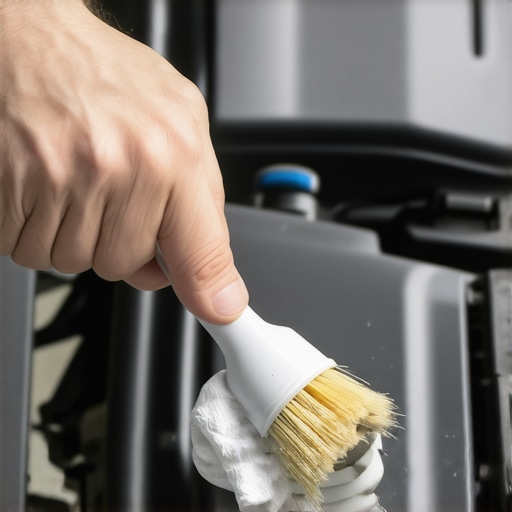
Ever been behind the wheel, expecting a smooth acceleration, only to be met with a sluggish response? Maybe you’ve pushed the gas pedal, and instead of the eager surge you’re used to, the engine seems to hesitate, coughing a bit before finally delivering power. I’ve been there—frustrated in traffic, feeling like my car was holding back just when I needed it most. That lightbulb moment hit me: maybe my throttle body was dirty, choking the engine’s ability to breathe. Suddenly, I realized how many drivers overlook this tiny but vital component, and how a quick cleaning could transform their driving experience.
Why Ignoring Your Throttle Body Could Cost You More Than Just Power
Over time, carbon deposits and grime can accumulate on the throttle body, especially if you neglect regular maintenance. This build-up can cause irregular idling, poor acceleration, and even increased fuel consumption. But here’s the catch—many people fear that cleaning the throttle body is a complex, expensive task best left to professionals. Honestly, I used to think so too, until I discovered how simple it is to do it myself with just a few supplies and some guidance. Taking control of this small maintenance step not only saves money but also keeps your engine responsive and healthy. Want to keep your car running smoothly without the hassle of visiting the shop every few months? Keep reading, because I’ll walk you through my proven approach to cleaning your throttle body easily at home.
Can Throttle Body Cleaning Really Make a Difference? That’s My Biggest Skepticism
I used to dismiss throttle body cleaning as just another mechanical fad—something that technicians push to up their bills. I made the mistake early on of assuming my car was just getting old and everything would worsen over time. But I learned that by ignoring this tiny component, I was actually accelerating the need for more costly repairs down the line. According to a study by the EPA, regular maintenance, including throttle body cleaning, can improve engine efficiency and reduce emissions—saving you money and helping the environment. So, if you’ve been skeptical about whether it’s worth the effort, trust me when I say that a clean throttle body is a game-changer. It might be the quick fix your car needs to feel new again, and the best part? You don’t need a mechanic to do it.
Next, I’ll share the step-by-step process I used to get my throttle body squeaky clean and boost my throttle response. Believe me, once you try it, you’ll wonder why you ever hesitated. Before diving in, make sure you haven’t faced this problem before—are your engine’s idle and acceleration not behaving like they used to? If so, your throttle body might be the culprit. Ready to take matters into your own hands? Let’s get started and bring that engine back to life!
Gather Your Supplies and Prepare Your Workspace
First, gather necessary tools: a flat-head screwdriver, throttle body cleaner (avoid harsh solvents), lint-free cloths, and gloves. Find a clean, well-lit area with engine off and cooled down to prevent burns. I once made the mistake of working immediately after a long drive, only to scald my hand on hot components—lesson learned: wait for the engine to cool.
Locate and Access the Throttle Body
Open your hood and locate the throttle body—generally situated between the air filter and intake manifold. Disconnect the air intake hose by loosening clamps with your screwdriver. Remember, this part is like the lungs of your engine; keeping it clean helps your car breathe easier. I remember struggling initially, but marking connections with tape made reassembly a breeze.
Initial Inspection and Carbon Removal
Visually inspect for heavy carbon deposits or grime. Use a cloth to gently wipe away loose dirt. For stubborn build-up, spray throttle body cleaner directly onto a cloth, not inside the tube, to prevent damage. I once tried spraying directly, and some cleaner dripped into sensitive parts—so be cautious and avoid oversaturating.
Cleaning the Throttle Plate and Bore
Hold the throttle plate open with the screwdriver or a small stick, then spray cleaner onto the plate and bore. Wipe the surfaces with the cloth until shiny. This process is like cleaning a coffee pot filter—removing the blockages allows smoother airflow. During my first attempt, I kept twisting the throttle plate and inadvertently damaged a diaphragm, so gentle movements are key.
Ensure No Debris Remains
Double-check for any leftover debris or residue. A clean throttle body enhances acceleration and idle stability. After cleaning, reattach the air intake hose and tighten clamps securely. Think of it as sealing a bottle—no leaks to let dirt or unmetered air in.
Start the Engine and Test Drive
Reconnect the battery if disconnected, start the engine, and let it idle for a few minutes. Observe any irregular revving or stalling. Take the car for a short drive to test responsiveness. I noticed immediate improvement—like my engine was revitalized, running smoother and more responsive. If issues persist, it could signal deeper trouble, prompting a visit to your mechanic, which you can schedule through our contact page.
Regular Maintenance for Long-Term Benefits
Make throttle body cleaning part of your routine maintenance schedule—usually every 30,000 miles or as needed. This simple step can extend your engine’s lifespan and improve fuel efficiency. To stay ahead of other potential issues, check out tips on maximizing your car’s lifespan and ensure your vehicle continues to perform at its best.
 ‘ alt=’Person cleaning car throttle body with spray and cloth’ title=’Carthrottle body cleaning process with spray and cloth’/>Many car owners believe they understand the essentials of vehicle care, but several misconceptions persist that can lead to costly mistakes. A prevalent myth is that a quick oil change or routine tune-up alone guarantees long-term engine health. In reality, neglecting comprehensive inspections, especially of critical components like the transmission or cooling system, can result in more severe damage over time. For instance, some assume that transmission repairs are always expensive and avoid prompt attention; however, routine checks and timely overhauls, as discussed in our article on [how transmission overhauls save you money in the long run](https://collisionfixer.com/how-transmission-overhauls-save-you-money-in-the-long-run), can extend your vehicle’s lifespan and reduce expenses. The key is understanding the hidden nuances that differentiate a superficial fix from a thorough repair—overlooking these can turn minor issues into major repair bills. Additionally, many overlook how factors like uneven tire wear or delayed brake service might signal underlying problems that worsen without intervention, emphasizing the importance of regular comprehensive inspections. A common trap is relying solely on warning lights or dashboard signals, but these indicators often illuminate only after damage occurs; proactive testing and diagnostics are far more effective. For example, an early sign of transmission trouble might be subtle shifts or unusual noises, which are better caught through detailed diagnostics rather than waiting for a breakdown. This proactive approach aligns with insights from automotive experts who advocate for regular, in-depth maintenance routines for optimal safety and durability. To avoid these pitfalls, establish a maintenance schedule tailored to your vehicle’s specifics—consult your trusted mechanic or review our proactive car care tips for safe and economical driving. Remember, addressing problems early not only saves money but also ensures your safety on the road. Implementing a comprehensive maintenance mindset is especially crucial since advanced issues, such as those involving your vehicle’s computer systems or transmission internals, often mimic simpler symptoms but require specialist intervention. Wondering if your car needs an expert checkup? Visit [our contact page](https://collisionfixer.com/contact-us) to schedule an inspection or get professional advice. Don’t fall prey to common pitfalls—being informed can make all the difference in preserving your vehicle’s value and performance. Have you ever fallen into this trap? Let me know in the comments.
Maintaining your vehicle’s performance over the long term requires more than just basic knowledge and routine oil changes. Investing in the right tools and adopting systematic maintenance practices can significantly extend your car’s lifespan and ensure it remains reliable. One of my favorite investments is a quality code scanner like the Ancel AD310. It’s affordable, easy to use, and provides comprehensive diagnostics, enabling me to catch potential issues early before they escalate. I also rely on a high-grade torque wrench, such as the TEKTON 1/2 Inch Drive, which ensures that nuts and bolts—particularly those on your engine components and suspension—are torqued to manufacturer specifications, preventing damage or safety hazards.
Beyond hardware, modern software tools can elevate your maintenance game. For instance, using an app like OBDLink paired with your smartphone allows real-time monitoring of vital engine parameters. This proactive approach helps in tracking the health of your transmission, coolant temperature, and even your transmission fluid conditions. According to automotive diagnostic expert this detailed guide, understanding early warning signs through diagnostics can save hundreds—or even thousands—by preventing major repairs.
How do I maintain my vehicle over time?
This involves scheduling regular tune-ups aligned with your car’s specific needs, which you can track using digital maintenance logs or apps. Additionally, paying close attention to fluid levels, tire condition, and brake performance is essential. For transmission health, regularly inspecting and replacing fluid based on manufacturer recommendations helps avoid costly overhauls, as outlined in our article on transmission overhauls. Incorporating these tools and practices collectively ensures your vehicle remains dependable, safe, and efficient for years to come.
Looking ahead, I predict that DIY auto maintenance will continue to benefit from advancing technology, making it easier and more affordable for owners to diagnose and address issues early. From smart sensors to comprehensive software diagnostics, the future holds great promise for proactive car care. So, why not start with one of these tools today? Try calibrating your transmission cooler or checking your coolant’s condition with a simple test kit—taking that first step can make a significant difference in your car’s health. For personalized advice or a professional inspection, don’t hesitate to reach out to us.

Throughout my years of maintaining vehicles, I’ve realized that the seemingly insignificant details often make the biggest difference in preserving your car’s health and your wallet. One lightbulb moment was discovering how overlooked components like the throttle body can silently degrade engine performance and lead to costly repairs if neglected. Learning these insider lessons has transformed my approach and can do the same for you—saving money, time, and frustration in the long run.
The Surprising Truth About Neglected Maintenance Things I Wish I Knew
- I underestimated the power of simple DIY tasks: Regular throttle body cleaning, for example, can significantly boost responsiveness without professional help. A task I once thought required a mechanic turned out to be straightforward with just some guidance and common tools.
- Preventive measures beat reactive fixes: Catching issues early—like early signs of transmission wear—can prevent expensive overhauls. Regular diagnostics and attentive inspection save you money and stress over time.
- Knowledge is empowering: Understanding your vehicle beyond the basics—such as how to read diagnostic codes—makes you more confident and reduces dependency on costly repairs. Tools like a quality code scanner are investments that pay for themselves.
- Myth of the ‘quick fix’: Many assume that superficial repairs suffice, but comprehensive maintenance—like fluid changes and component inspections—ensures longevity and safety.
- Proactive care saves more than just money: Regular tune-ups and component checks keep your car performing optimally, but they also provide peace of mind that you’re safe on the road.
Tools and Resources That Elevated My Car Care
- OBDLink Diagnostics App: This real-time engine monitoring tool helps detect potential issues early, making diagnostics accessible and simple.
- Torque Wrench by TEKTON: Ensures bolts and nuts are tightened to the proper specifications, preventing future problems stemming from improper assembly.
- Online Repair Guides and Forums: Platforms like Collision Fixer provide invaluable tips, tutorials, and community support, filling the gap between professional mechanics and DIY enthusiasts.
- Quality Throttle Body Cleaner: Specifically formulated cleaners make cleaning effective without damaging sensitive components—trust me, chemical choice matters.
Take Action and Drive Smarter
Remember, the journey to better vehicle maintenance doesn’t require a mechanic’s appointment every time. Embracing a proactive mindset, equipped with the right tools and knowledge, empowers you to keep your car in top shape and avoid unnecessary expenses. The future of auto care is leaning heavily toward smart diagnostics and DIY-friendly solutions—are you ready to become one of those informed drivers? Start small, stay consistent, and watch how your vehicle rewards your efforts.
What’s the most surprising maintenance tip you’ve learned or tried that changed your driving experience? Share below—I’d love to hear your stories!