Have you ever been stranded because your car refused to start, especially after a cold night or a long day? I remember one chilly winter morning, fumbling with my keys, only to find my car’s engine clicking weakly before going completely dead. That lightbulb moment hit me—my battery was draining overnight, and I had no idea why. It was frustrating and costly, and I realized I wasn’t alone in this struggle.
Discovering the Hidden Culprit Behind Battery Drain
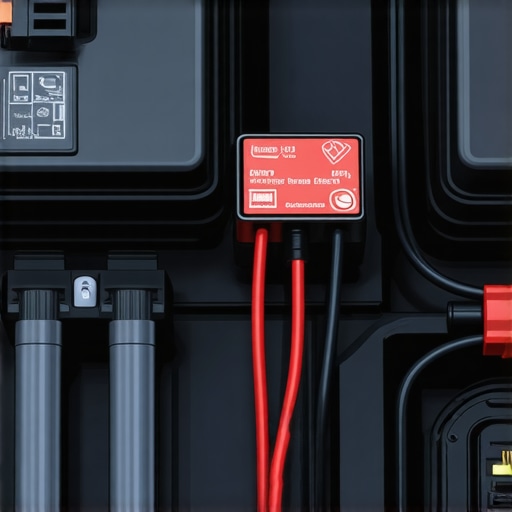
After some research and a few car troubleshooting sessions, I learned about an inexpensive but powerful device called the $8 relay. This tiny component acts as a gatekeeper, preventing parasitic drains that can quietly sap your battery while your car sits unused. Integrating this relay into your car’s electrical system can be a game-changer, keeping your battery alive and well, even when you forget to turn off your accessories or leave your lights on.
Are You Skeptical? Is a $8 Relay Actually Worth the Hype?
Early on, I made the mistake of assuming that a simple relay couldn’t possibly make a big difference. I thought, “How much can a few dollars’ worth of parts really prevent a dead battery?” Turns out, quite a lot. In fact, neglecting small electrical quirks is a common mistake; especially when many drivers overlook how parasitic draws can cause significant headaches. For more details on signs your car needs urgent attention, check out this guide.
Installing this relay is not only affordable but also surprisingly straightforward, making it an accessible fix for most DIY enthusiasts. If you’ve faced the frustration of unexpected battery failure, you’ll want to keep reading. Next, I’ll walk you through how this tiny device can save your mornings and your wallet, turning a costly repair into a simple, effective upgrade.
Start with Safety and Preparation
Before diving into the wiring, disconnect the negative terminal of your car battery to prevent electrical shorts. Gather your tools: a multimeter, wire strippers, crimpers, and the relay itself. Think of this step like shutting off power before fixing an appliance—safety first.
Locate the Parasitic Drain Point
Identify the small fuse or wire connected to accessories that may stay powered when the car is off. Use your multimeter set to current mode to check for ongoing draws—connect it in series with a fuse or wire, and observe readings. This process is akin to finding a leak in a water pipe; pinpointing the exact source is key.
Decide Where to Install the Relay
Choose a spot close to the battery or fuse box for minimal wiring. Think of this like placing a gatekeeper that controls power flow; it needs to be accessible and connected to the affected circuit.
Wire the Relay Correctly
Connect the relay’s coil terminals to the ignition switch or accessory circuit so it energizes only when the car is on. The common (COM) terminal should connect to the affected accessory line, and the normally open (NO) contact to the power source. Imagine this as installing a switch that opens and closes a pathway—making sure electricity flows only when you want it to.
Use Quality Connectors
Crimp or solder the wires securely, then insulate with electrical tape or heat shrink. Proper connections prevent shorts and ensure durability, much like sealing a pipe joint to prevent leaks.
Test Your Work
Reconnect the battery’s negative terminal and turn on the ignition. Use your multimeter to verify the circuit is powered only when intended. Turn off the car and confirm the parasitic drain has stopped. Think of this as testing a bridge’s strength before trusting it with traffic—validation is crucial.
Monitor and Adjust
Observe your battery’s performance over the following days. If the drain persists, revisit your connections, ensuring the relay wiring aligns with your circuit. Remember, troubleshooting is iterative—sometimes, a tiny adjustment makes all the difference.
By following these concrete steps, you’ll transform an electrical mystery into a straightforward fix, saving money and extending your battery’s lifespan. If unsure, consult a professional or check contact us for expert advice.
 Many car owners believe that auto repair is straightforward, but in reality, there are nuanced pitfalls that can cost you time and money. A widespread misconception is that all mechanics are equally trustworthy and that every repair shop offers the same quality of service. However, reputable shops like CollisionFixer emphasize the importance of understanding the intricacies of proper maintenance, such as a well-executed tune-up, which involves more than just replacing spark plugs—it requires syncing the fuel system, checking ignition timing, and inspecting the air and fuel filters to optimize engine performance. Overlooking these details can lead to decreased fuel efficiency and engine longevity.
Another misunderstood aspect is transmission service. Many drivers think that simply changing transmission fluid is sufficient, but neglecting the delicate process of inspection and understanding whether a transmission overhaul is actually needed can cause severe damage over time. Advanced issues, like worn-out valve bodies or damaged solenoids, are often overlooked due to their subtle symptoms—such as delayed shifts or slipping gears—that many mistake as normal aging.
In the realm of collision repairs, a common myth is that aftermarket parts are as reliable as original equipment manufacturer (OEM) parts. This false belief can lead to subpar repairs that compromise safety and durability. Always consider the importance of high-quality parts, especially for critical components like suspension and braking systems.
Let’s discuss an advanced question: How can improper diagnostic procedures lead to misdiagnosis and unnecessary repairs? Experts emphasize that utilizing outdated or incomplete diagnostic tools can cause mechanics to overlook underlying issues, leading to repeat repairs and increased costs. For example, a vehicle experiencing erratic shifting may be misattributed to a faulty transmission when, in fact, a software update or sensor recalibration might resolve the problem. According to the Society of Automotive Engineers, precise diagnostics are vital to effective repairs, especially with increasingly sophisticated vehicle electronics.
Avoiding these common traps and understanding the hidden nuances can significantly extend your vehicle’s lifespan and safety. Regularly consulting expert sources and reputable service providers like CollisionFixer can help you stay ahead of costly mistakes. For comprehensive tips on current car maintenance practices, check out this guide.
Have you ever fallen into this trap? Let me know in the comments.
Investing in Quality Tools for Long-Term Success
When it comes to keeping your vehicle in top shape, high-quality tools are an investment that pays off in durability and precision. I personally rely on a set of professional-grade wrenches and sockets from brands like Snap-on and Craftsman because their durability minimizes slips and damage during complex repairs. These tools withstand the rigors of frequent use, ensuring your work remains accurate and safe, especially when working on critical components like transmissions or suspension systems.
How do I maintain these tools over time?
Proper maintenance involves regular cleaning, lubrication, and correct storage. After each use, wipe tools with a clean cloth to remove grease or grime, and apply a light coat of oil to prevent rust, especially in humid environments. Using an organized tool chest or wall rack helps prevent damage and makes your work more efficient, saving time during repairs or tune-ups. I also keep a dedicated toolbox with labeled sections for different tools, which significantly reduces the chance of losing essential items. For instance, a well-maintained torque wrench, calibrated periodically, is crucial when working on transmissions to ensure proper assembly and torque specifications—neglecting calibration can lead to issues like uneven gear engagement, as highlighted in this detailed guide.
Selecting the Right Diagnostic Software
Modern vehicles are equipped with complex electronic systems, making diagnostic tools indispensable. I prefer to use OBD-II scan tools like the Autel MaxiCOM or BlueDriver because they connect easily via Bluetooth and provide comprehensive data, including live sensor readings and Trouble Code information. These tools enable rapid diagnosis of issues such as faulty sensors or electronic control unit (ECU) errors, allowing precise repairs and tune-ups. Regular use prevents small issues from escalating into costly transmission or engine failures, in line with expert advice from this resource. Consistently updating software firmware ensures access to the latest diagnostic protocols, which is essential for high-mileage or complex systems. Investing in a quality scanner streamlines repairs, saving both time and money over the long term.
Pneumatic Tools for Efficiency
At the top of my toolkit is a reliable pneumatic impact wrench, which greatly reduces the effort needed for tasks like removing stubborn lug nuts or rusted bolts. For example, I’ve found the Ingersoll Rand impact wrench to deliver consistent torque without over-tightening, thanks to its adjustable settings. This is particularly valuable when servicing transmissions or performing suspension work, where precise torque control is crucial. To ensure longevity, I maintain the compressor system—draining moisture regularly and checking for air leaks—to keep the tools operating at peak performance. Proper maintenance of pneumatic tools prevents unexpected breakdowns and ensures safety during high-stress repairs. In the future, I predict the integration of smart sensors into pneumatic tools will further enhance precision, providing real-time feedback on torque and usage statistics—making DIY repairs even safer and more reliable. For now, though, diligent maintenance and calibration of your existing tools are the best practices. For more detailed procedures, consider reviewing this article about maintaining the tools for optimal performance.
Remember, equipping yourself with the right tools and maintaining them properly can significantly extend the lifespan of your vehicle’s components and improve repair quality. Don’t hesitate to try out one advanced tip—like calibrating your torque wrench quarterly—and see the difference it makes in your auto maintenance consistency. Visit our contact page if you’re ready to upgrade your toolkit or need expert advice for specialized repairs.
Lessons That Changed My Approach to Auto Repair
- One of the biggest lightbulb moments I had was realizing that a small, inexpensive relay can drastically reduce parasitic battery drains. It’s a simple solution that packs a punch and saves money in the long run.
- Working on cars taught me that patience and proper troubleshooting techniques often reveal hidden issues—diving deep into electrical systems is more rewarding than just replacing parts randomly.
- I’ve learned that trusting reputable sources and professional guidance prevents costly mistakes—sometimes, what seems like a quick fix needs a comprehensive approach for real durability.
- My experience emphasized that maintenance isn’t just about fixing what’s broken but about understanding your vehicle’s unique needs—regular tune-ups and diagnostics keep it running smoothly for miles ahead.
- Finally, I discovered that investing in quality tools and staying up-to-date with the latest diagnostic technology empower DIY enthusiasts and professionals alike—precision makes all the difference, especially on complex systems like transmissions.
Tools and Resources I Rely On for Better Auto Care
- Autel MaxiCOM Scanner: This diagnostic tool has saved me countless hours by providing comprehensive vehicle data and accurate trouble codes, making repairs more precise—and I trust it because of its consistent reliability.
- SNAP-ON Hand Tools: Investing in high-quality wrenches and sockets ensures durability and safer repairs, especially when working on critical components like the transmission or suspension.
- CollisionFixer’s Expert Guides: Their detailed articles, such as this guide, have been invaluable for understanding complex repair processes and avoiding common pitfalls.
- Maintenance Scheduling Apps: Staying organized with apps helps me track service intervals and spot early signs of issues—preventative care saves money and extends vehicle lifespan.
Ignite Your Drive to Maintain and Repair with Confidence
Embracing the right tools, trusted resources, and a proactive mindset transforms auto repair from a daunting task into a rewarding journey. Whether you’re tackling a simple relay fix or planning a full transmission overhaul, remember that every step you take builds your expertise and confidence. Start today, and watch your vehicle serve you better for miles to come. What’s one auto repair skill you’re eager to master next? Share your goals below, and let’s grow together in this automotive adventure.