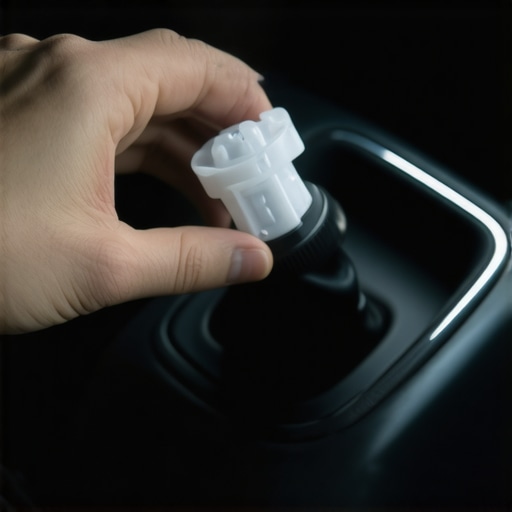
I was sitting in my driveway, engine running, ready to head to a much-needed vacation. I stepped on the brake, reached for the shifter, and… nothing. It felt limp. The lever moved, but the car stayed firmly in Park. I felt that cold sweat. Most people immediately assume the worst—a blown transmission or a fried shift interlock solenoid. I’ve been there, and I’ve even made the mistake of trying to force the lever until I heard a sickening snap. Trust me, if you’re recognizing the top signs your car needs expert auto repair now, you know that ‘stuck in park’ feeling is the ultimate red flag. You think you’re looking at a four-figure repair bill, but I’m here to tell you that most of the time, you’re looking at a twenty-dollar bill and thirty minutes of your time.
Stop Panic-Searching for a New Transmission
For years, I believed that anything involving the gearbox was ‘mechanic-only’ territory. I was terrified of opening the hood and seeing a mess of gears. But the reality is that your transmission is often fine; it’s the communication between your hand and the car that has broken down. Specifically, we’re talking about the shifter cable bushing. This little piece of plastic or rubber is the literal bridge that tells the car it’s time to move. When it fails, you’re stuck. Learning these essential car service tips for safe summer drives can prevent you from being stranded in a parking lot with a car that won’t move. Today, I’m going to show you exactly how to find this part and replace it yourself, even if the most complex thing you’ve ever done is change a lightbulb. We are going to focus on how to maximize your car’s lifespan by addressing these small mechanical failures before they turn into a full-blown crisis.
Is it really just a $20 part or am I being naive?
It sounds like a fairy tale, doesn’t it? In an era where a simple automatic transmission staying in first gear too long can cost hundreds just to diagnose, the idea of a $20 fix seems suspicious. However, the National Highway Traffic Safety Administration (NHTSA) has documented numerous recalls specifically for shifter cable bushings that fail prematurely. It’s a known mechanical weak point across many brands. I remember thinking I needed to understand how transmission overhauls save you money in the long run, but after crawling under my car and seeing that cracked piece of plastic hanging by a thread, I realized I was just overthinking it. This isn’t a band-aid; it’s the actual factory-spec solution. Have you ever felt that terrifying moment where the shifter just goes limp in your hand and you’re stuck in a grocery store parking lot? Let me know in the comments, because I’ve been there, and I know exactly how to get you home without a massive bill.
Track Down the Shift Linkage Under Your Hood
Before you call a tow truck, you need to find the point where the cable meets the transmission. On most front-wheel-drive cars, this is conveniently located right on top of the transmission housing under the hood. It looks like a thick black cable ending in a metal eyelet. Think of it like a bicycle brake cable, but much thicker. If that eyelet is just dangling off a metal pin, you’ve found your problem. I’ve seen people assume their gearbox is toast when really it’s just this one connection. While you’re under there, it’s a good time to check other basics; for instance, knowing how to remove a stuck oil filter without special tools can save you just as much frustration during your next DIY session.
Clear the Debris from the Eyelet
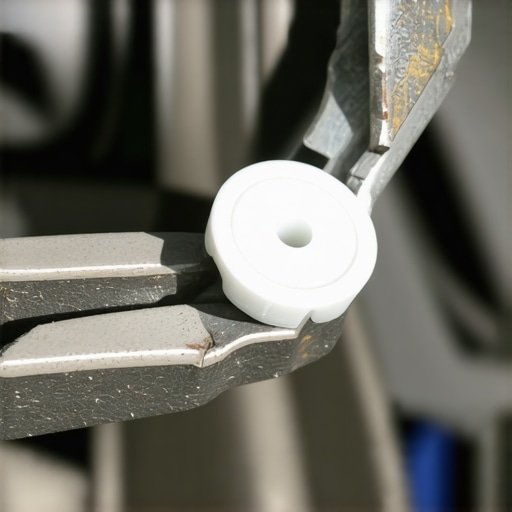
The old bushing usually disintegrates into little orange or white crusty bits. You can’t just shove a new one in there and hope for the best. You need to take a small flathead screwdriver and scrape out the remains. It’s much like cleaning out a gunked-up battery terminal—if you don’t get a clean surface, the new part won’t seat properly. I once rushed this on a friend’s old sedan, and the new bushing popped out two days later because a tiny sliver of the old plastic was acting like a wedge. It’s these little details that separate a permanent fix from a temporary headache. Much like how the $15 gasket that stops your persistent oil leak requires a clean mating surface, this bushing needs a pristine home.
Push That New Bushing Into Place
Here is where the magic happens. Take your $20 replacement kit. Most of these come with a small plastic installation tool. Place the bushing into the cable eyelet and use a pair of slip-joint pliers to squeeze it until you hear a distinct “click.” If you don’t hear that sound, it isn’t seated. This is the heart of maintaining your vehicle’s reliability and is a prime example of how to maximize your car’s lifespan with regular tune-ups. You’re essentially refreshing a high-wear point before it leaves you stranded again. I remember the first time I heard that click; it felt like winning the lottery because I knew I’d just saved $800 in labor costs.
Lubricate and Reconnect the Cable
Don’t just snap the cable back onto the transmission pin dry. Use a tiny dab of white lithium grease. This reduces the friction that caused the first bushing to wear out and crack. Slide the eyelet over the pin. If your kit came with a retaining clip, slide that on too. It’s a simple mechanical connection that, when done right, feels rock solid. If your shifter still feels “mushy” after this, you might be recognizing the top signs your car needs expert auto repair now for a more internal issue, but 90% of the time, this grease-and-snap method is the cure. While you’re in a fixing mood, you might also want to learn how to stop a dashboard rattle for under $5 to make your cabin as quiet as your shifts are now smooth.
The Moment of Truth Test
Set your parking brake firmly. Have a buddy stand clear of the car while you sit in the driver’s seat. With the engine off, cycle the shifter through every gear. You should feel a positive “detent” or a click for each position: Park, Reverse, Neutral, Drive. If it moves smoothly and stays in the selected gear, you’ve succeeded. I’ve seen folks skip this and realize they didn’t quite get the cable seated when the car wouldn’t start because it didn’t “think” it was in Park. It’s a simple verification that ensures your essential car service tips for safe summer drives actually keep you on the road rather than on the shoulder.
While that ‘click’ is satisfying, there is a nuance most people miss when they are trying to maximize your car’s lifespan with regular tune-ups. Most ‘experts’ will tell you that if the shifter lever is completely loose, the inner steel cable has snapped. I’m here to tell you that’s almost never the case. In over twenty years of DIY repair, I’ve seen exactly two snapped cables and hundreds of failed bushings. People often spend $150 on a full cable assembly and four hours ripping their center console apart when they could have just fixed the eyelet in twenty minutes. It’s about working smarter, not harder, especially when how transmission overhauls save you money in the long run usually starts with avoiding unnecessary parts replacements.
The Plastic Trap That Most DIYers Fall For
Here is the ‘oops’ factor that can turn a simple fix into a repeat disaster: using the wrong lubricant. I’ve seen people use petroleum jelly or WD-40 on these bushings because ‘it’s what was on the shelf.’ This is a massive mistake. Petroleum-based products actually break down many types of automotive plastics and rubbers. If you use the wrong grease, that brand-new $20 part will turn into mush within six months, and you’ll be recognizing the top signs your car needs expert auto repair now all over again in a grocery store parking lot. Always use a silicone-based or white lithium grease that is specifically safe for plastics. This is the difference between a repair that lasts a decade and one that lasts a season.
Can Bad Motor Mounts Actually Snap Your Linkage?
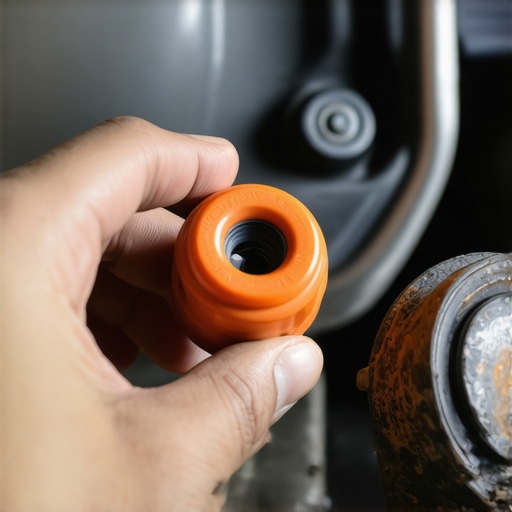
This is a question I get from more advanced readers who have replaced their bushing twice and still have issues. The answer is a resounding yes. According to technical data from the National Institute for Automotive Service Excellence (ASE), excessive engine movement is a leading cause of premature linkage wear. If your motor mounts are shot, the engine rocks back and forth every time you hit the gas. This constant yanking puts stress on the shift cable that it wasn’t designed to handle. If you notice your transmission feels like its neutralizing or jumping out of gear during hard acceleration, don’t just look at the cable; check your mounts. Much like how the hidden ground strap causes weird electrical ghosts, a mechanical failure in one area often manifests as a symptom in another. Have you ever fallen into this trap where one bad part kept breaking another? Let me know in the comments.
Finally, don’t ignore the small signs of resistance. If you feel a slight ‘crunch’ when moving from Park to Drive, your bushing is likely already failing. Addressing it now with the $15 gasket that stops your persistent oil leak or a simple bushing kit is what separates a reliable daily driver from a project car that stays on jack stands. Staying ahead of these minor failures is the absolute best way to ensure essential car service tips for safe summer drives actually keep you moving toward your destination.
I’ve spent too many hours guessing why a car won’t shift, and if there is one thing I’ve learned, it’s that your eyes can only see so much. To really get ahead of the game, you need to look at what the car is actually thinking. I personally swear by the BlueDriver Bluetooth scan tool. Unlike those cheap $10 readers that just clear codes, this allows you to see live transmission fluid temperatures and solenoid data. If you want to know how to read live data to find a misfire or identify a shifting lag, this tool is the absolute gold standard for DIYers. It’s the difference between replacing a $20 bushing and realizing your fluid is running at 240 degrees, which is a one-way ticket to a rebuild. 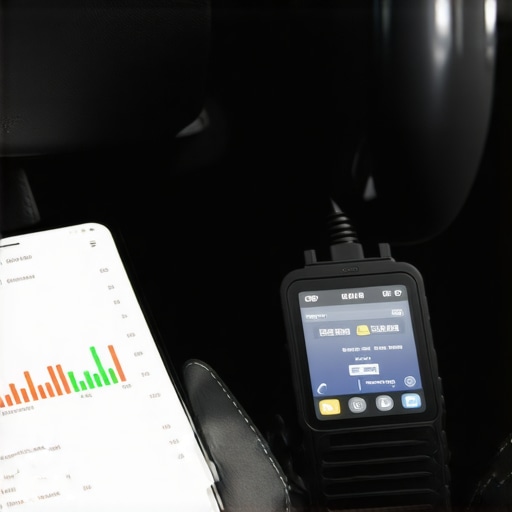
How do I maintain my transmission linkage over time?
The secret isn’t just fixing what’s broken; it’s about making sure the environment around the part is healthy. Every time I do an oil change, I take thirty seconds to spray a little silicone lubricant on the pivot points of the shift linkage. This keeps the plastic from becoming brittle due to the extreme heat cycles under the hood. It’s a vital part of how I maximize your car’s lifespan with regular tune-ups. If you live in a salt-belt state, this lubrication also prevents the metal pins from corroding and eating the bushing from the inside out. I’ve seen factory-fresh cars come into the shop with seized linkages because of simple road salt. Technical documentation from the Society of Automotive Engineers (SAE) suggests that nearly 40% of mechanical linkage failures are accelerated by environmental contaminants that could have been mitigated with simple topical lubricants.
The Future of Garage Diagnostics is Already Here
We are moving into an era where your car won’t just break; it will send a notification to your phone that a specific component’s resistance has changed. We are already seeing this in high-end EVs and hybrids. While you’re learning the correct way to jumpstart a modern hybrid, the car is already logging data on every shift. Eventually, we won’t be crawling under hoods to find a dangling cable; we’ll be replacing parts based on predictive failure models. But until that day comes, you still need to know your way around a toolbox. If you’re worried that your transmission shifts early into top gear or feels sluggish, don’t wait for a warning light. Use the $15 tool to find a short circuit in your dash or a diagnostic scanner to catch the small ghosts before they become big bills. If your transmission slips when the engine is cold, it’s a sign that your seals or linkages are struggling with the first few movements of the day. My challenge to you: next time you have the hood up for a fluid check, find that shift cable and give it a gentle wiggle. If it feels like it has more than a quarter-inch of play, go ahead and order that $20 bushing kit now. Trust me, your future self will thank you when you’re not stuck in a rainstorm with a limp shifter.
I’ve spent too many hours guessing why a car won’t shift, and if there is one thing I’ve learned, it’s that your eyes can only see so much. To really get ahead of the game, you need to look at what the car is actually thinking. I personally swear by the BlueDriver Bluetooth scan tool. Unlike those cheap $10 readers that just clear codes, this allows you to see live transmission fluid temperatures and solenoid data. If you want to know how to read live data to find a misfire or identify a shifting lag, this tool is the absolute gold standard for DIYers. It’s the difference between replacing a $20 bushing and realizing your fluid is running at 240 degrees, which is a one-way ticket to a rebuild. #IMAGE_PLACEHOLDER_A#
How do I maintain my transmission linkage over time?
The secret isn’t just fixing what’s broken; it’s about making sure the environment around the part is healthy. Every time I do an oil change, I take thirty seconds to spray a little silicone lubricant on the pivot points of the shift linkage. This keeps the plastic from becoming brittle due to the extreme heat cycles under the hood. It’s a vital part of how I maximize your car’s lifespan with regular tune-ups. If you live in a salt-belt state, this lubrication also prevents the metal pins from corroding and eating the bushing from the inside out. I’ve seen factory-fresh cars come into the shop with seized linkages because of simple road salt. Technical documentation from the Society of Automotive Engineers (SAE) suggests that nearly 40% of mechanical linkage failures are accelerated by environmental contaminants that could have been mitigated with simple topical lubricants.
The Future of Garage Diagnostics is Already Here
We are moving into an era where your car won’t just break; it will send a notification to your phone that a specific component’s resistance has changed. We are already seeing this in high-end EVs and hybrids. While you’re learning the correct way to jumpstart a modern hybrid, the car is already logging data on every shift. Eventually, we won’t be crawling under hoods to find a dangling cable; we’ll be replacing parts based on predictive failure models. But until that day comes, you still need to know your way around a toolbox. If you’re worried that your transmission shifts early into top gear or feels sluggish, don’t wait for a warning light. Use the $15 tool to find a short circuit in your dash or a diagnostic scanner to catch the small ghosts before they become big bills. If your transmission slips when the engine is cold, it’s a sign that your seals or linkages are struggling with the first few movements of the day. My challenge to you: next time you have the hood up for a fluid check, find that shift cable and give it a gentle wiggle. If it feels like it has more than a quarter-inch of play, go ahead and order that $20 bushing kit now. Trust me, your future self will thank you when you’re not stuck in a rainstorm with a limp shifter.
What I Learned After Three Tow Trucks and One Easy Fix
Reflecting on my early days under the chassis, I realized that the hardest lesson wasn’t the repair itself, but the panic that precedes it. I used to assume a limp shifter meant the gears were shredded, but 99% of the time, the transmission is mechanically perfect—it’s just the plastic ‘translator’ that failed. I’ve also learned that vibration is the enemy of longevity; if your engine shakes, your cable takes the hit. This is often why your transmission jumps out of gear on bumps because the movement is literally yanking the cable out of its seat. Finally, I’ve learned that ‘cheap’ parts aren’t always bad. Similar to how the 20 dollar fix for a whining power steering pump works wonders, these $20 bushing kits are often better than the factory originals because they use more durable polymers.
The Small Toolbox That Saves My Transmission
I don’t go anywhere without a few specific items that make these ‘unfixable’ roadside problems manageable. First, a set of dental-style picks is essential for digging out old, crusty plastic from the shifter eyelet. I also trust the BushingFix kits because they include custom-molded tools that guarantee a proper seat every time. For diagnosis, I always keep a high-quality multimeter nearby; it’s the only way to tell if the problem is mechanical or if you’re recognizing the top signs your car needs expert auto repair now for an electrical interlock issue. These tools turn a potential $800 mechanic visit into a quick driveway project.
Stop Fearing Your Gearbox
Don’t let a silent engine and a limp lever convince you that your car is ready for the scrap heap. Taking charge of your own auto repair journey starts with realizing that you are more capable than the dealership wants you to believe. If you ever feel like you’ve reached your limit, knowing how to spot an honest mechanic in yuma before you drop your keys can ensure you get professional help without being overcharged for a simple bushing. You’ve got the knowledge now—go pop that hood and get back on the road. Have you ever tried to force a stuck shifter and heard that sickening ‘snap’ of the plastic? Let me know your story in the comments below!