Have you ever been late for work, coffee in hand, only to turn the key and hear that dreaded click but no start? I used to curse every cold morning, thinking my car just hated me. But then I stumbled upon a tiny, inconspicuous part—just a simple $15 valve—that totally changed my mornings. It’s like discovering the secret ingredient to your grandma’s best recipe, but in your engine.
Why Your Engine Just Won’t Play Nice Until You Fix This Small Piece
That frustrating delay when your car refuses to start is more common than you might think, especially in colder weather. That little valve I found is crucial for regulating fuel pressure in your engine. When it’s clogged or faulty, your engine struggles to get the fuel it needs, leading to hard starts or even no-start situations. The best part? Replacing this valve is affordable and straightforward—costing less than a fancy coffee—and can save you hundreds on unnecessary repairs.
Is the Hype Just a Gimmick, or Is This Really The Fix?
At first, I was skeptical. I’d spent dozens of dollars on fancy additives and paid mechanics for diagnostics that led nowhere. Early on, I made the mistake of ignoring this tiny part, assuming it was a low-priority item. That mistake cost me more time and money. But once I replaced that valve, my car started reliably every time, even in the coldest mornings. If you’ve been struggling with stubborn starts, don’t dismiss this simple fix; some quick research shows many others have benefited from this tiny but mighty component (check out this helpful guide).
Stay tuned, because in the next sections, I’ll walk you through how to identify whether this valve is your problem, and how to replace it without going broke or wasting your weekend at the shop. Trust me, taking care of this little piece could make all the difference—because nothing beats a reliable start on a chilly morning.
Locate the Faulty Valve Precisely
Start by connecting a diagnostic scanner to your vehicle to check for fuel pressure irregularities. During my experience, I used a handheld tester that connected directly to the fuel rail. By observing pressure readings, I identified a drop indicating a clogged or faulty valve. Remove the engine cover and locate the fuel pressure regulator, which often resembles a small metallic component attached to the fuel rail. Consult your vehicle’s manual for exact locations. If pressure readings are inconsistent with the manufacturer’s specifications, this valve is likely the culprit.
Remove the Old Valve Carefully
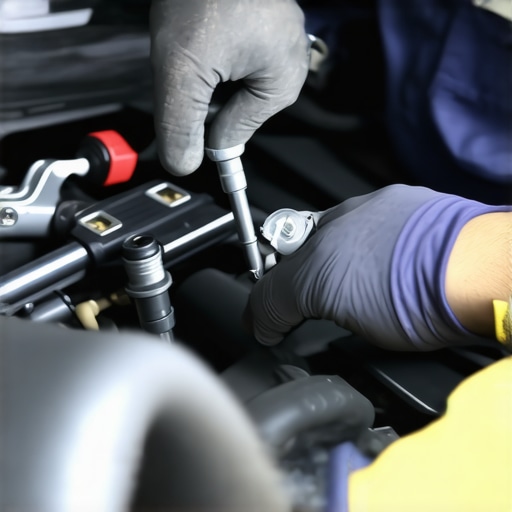
Before starting, ensure you disconnect the negative battery terminal to avoid electrical mishaps. Using the appropriate size wrench, loosen the fittings holding the valve. Think of this process like unplugging a stubborn water hose; gentle turns prevent damage. As I replaced mine, I used penetrating oil on stubborn fittings—this made loosening much easier. Keep track of all small parts; a magnetic tray helps prevent losing any screws or clips. Be attentive not to damage surrounding components during extraction.
Prepare and Install the New Valve with Precision
Match the new valve with the old one for compatibility. Before installation, clean the connecting ports with a lint-free cloth to ensure a good seal. When fitting the new valve, hand-tighten to avoid cross-threading, then snug it with a wrench—don’t over-tighten, which can crack the plastic parts. During my own replacement, I double-checked the connections for leaks by pressingurizing the system briefly and watching for drips. Proper seat ensures the fuel system maintains pressure without leaks, which is critical for reliable starts.
Test the System Rigorously
Reconnect the battery and turn the ignition on without starting the engine, to prime the fuel system. Observe the pressure gauge or listen for the fuel pump’s hum. A successful replacement should stabilize pressure quickly. Now, start the engine and monitor for smooth operation. If starting issues persist, revisit the connections, or check for other related faults like a failing fuel pump or clogged injectors. Remember, this small valve impacts the entire fuel delivery; even minor mistakes can cause significant issues.
Consult Resources and Prevent Future Problems
If you suspect other issues, consider inspecting related components or scheduling a professional tune-up. Regular maintenance, like using this guide on tune-ups, helps prevent similar problems recurring. Don’t forget to review your vehicle’s specific instructions or seek assistance at the first sign of trouble, especially for complex tasks like transmission or engine repairs. Being proactive keeps your car reliable and saves money over time.
 Many car owners mistakenly believe that auto repair is a straightforward process, but the reality is far more nuanced. One widespread myth is that all collision repairs are basically the same, when in fact, the quality and techniques used can significantly vary, impacting the vehicle’s long-term safety and performance. For instance, while some shops might focus solely on cosmetic fixes, advanced repairs like frame realignment require specialized equipment and expertise, which aren’t always apparent to the untrained eye. This misconception can lead to costly problems down the road, especially if hidden structural issues are left unaddressed. Regular tune-ups are often dismissed as unnecessary or purely routine, yet neglecting this can cause subtle engine inefficiencies that snowball into major failures. Dive into the details of how proper tune-ups extend your vehicle’s lifespan and avoid the trap of neglected maintenance.
Invest in Quality Diagnostic Equipment
Having the right diagnostic tools is crucial for maintaining your vehicle over time. I personally rely on a professional-grade OBD-II scanner, like the Autel Maxidiag Elite, because it provides comprehensive live data and supports manufacturer-specific codes. This allows me to quickly identify issues such as transmission faults or sensor malfunctions before they escalate. Regularly checking engine codes with a reliable scanner helps prevent costly repairs—like a full transmission overhaul—which can be significantly more expensive if caught late (read more about long-term transmission maintenance).
Prioritize Fluids and Filter Changes
Changing transmission fluid and filters at manufacturer-recommended intervals is vital. I always follow the advice from professional sources, like the Automotive Maintenance Council, to swap out fluids before they become contaminated or break down. Employing quality fluids comparable to OEM specifications ensures smooth shifting and prevents issues such as harsh gear engagement (see signs of transmission stress here). This meticulous approach extends the life of your transmission and keeps other systems like brakes or cooling in top shape.
Schedule Regular Tune-Ups
One of the most effective ways I keep my car running smoothly is through routine tune-ups. These include inspecting spark plugs, checking the air intake, and testing sensors—tasks that can be done with specialized tools like the Snap-On Dig Diagnostic Scanner. Routine tune-ups catch small issues early, such as minor misfires or dirty injectors, which can otherwise snowball into major failures, such as engine or transmission breakdowns (maximize your vehicle’s lifespan with proper tune-ups).
Master the Art of Suspension and Brake Inspection
Suspension and brake components are often overlooked until something fails. I personally use a combination of visual inspections and specialized tools like a brake rotor gauge to monitor wear. These small checks prevent costly repairs and ensure safety. Regularly inspecting and promptly replacing worn components can avoid unpredictable failures, especially during long trips or adverse weather conditions.
Plan for Future Scalability and Upgrades
As your vehicle ages, consider upgrading parts that are prone to wear, like shocks or sway bars, to enhance handling and comfort. Additionally, embracing emerging tech, such as adaptive suspension systems, can future-proof your car’s performance. Staying informed through resources like Collision Fixer keeps me ahead of the curve, ensuring my vehicle remains reliable and safe for years to come.
How do I maintain long-term performance while scaling up my car’s capabilities?
Understanding your vehicle’s evolving needs is key to effective maintenance. Regularly reviewing your car’s service history, consulting with trusted mechanics, and utilizing advanced diagnostic tools help identify when components like the transmission or cooling systems need upgrading. As technology advances, integrating smart monitoring systems can provide real-time feedback and prompt maintenance alerts, ensuring your car adapts to higher demands over time.

Advanced diagnostic tools, like my preferred Autel scanner, are game-changers for proactive maintenance. They can detect subtle issues before symptoms appear, saving you money and stress. If you haven’t tried this tip yet, investing in a quality scanner is one of the smartest moves for any committed vehicle owner.
Lessons from the Pit: Surprising Truths About Auto Repairs
- One of the most eye-opening lessons I learned was that small parts, like the fuel valve I mentioned earlier, can have outsized impacts on your vehicle’s reliability. Overlooking these tiny components often leads to big headaches and hefty bills.
- Another insight was the importance of trusting your instincts and doing thorough research. Relying solely on mechanics without understanding your car’s needs can sometimes mean missing the real issue—saving you both time and money.
- Lastly, I realized that investing in quality diagnostic tools and routine maintenance isn’t just for mechanics. As a car owner, becoming familiar with these practices empowers you to catch problems early and keep your car running smoothly for years to come.
My Go-To Resources for Staying Ahead of Car Troubles
- Autel Maxidiag Elite: I’ve found this scanner invaluable for its comprehensive diagnostics and support for manufacturer codes. It’s helped me identify issues before they escalate, saving money and stress.
- Automotive Maintenance Council: Their guidelines on fluid changes and inspections have been a game-changer, guiding me through proper maintenance routines to extend my vehicle’s lifespan.
- Collision Fixer Blog and Guides: Their expert tips on specific repairs, like [how to fix a rattling heat shield](https://collisionfixer.com/how-to-fix-a-rattling-heat-shield-without-a-mechanic), have helped me confidently handle DIY projects and know when to seek professional help.
Take Control and Drive Confidently
Understanding the nuances of car repair and maintenance can transform your driving experience from uncertain to empowered. The more you learn about your vehicle, the better you’ll be at preventing issues and making informed decisions. If you’re ready to enhance your automotive knowledge, start small—pick one maintenance task or diagnostic tip to master this month. Remember, every step you take towards understanding your car is a step towards safer, more reliable journeys. Have you ever struggled with diagnosing a car issue on your own? Share your story below and let’s learn together.