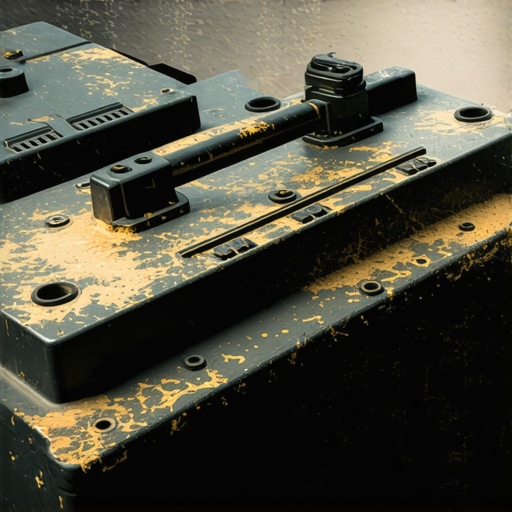
Ever been stranded in your driveway, jiggling the keys in frustration, only to discover your car’s battery refusing to cooperate? I remember the exact moment I realized my trusty old ride was more stubborn than I thought. The symptoms started subtly—dimmed headlights, a slow crank, and a peculiar corrosion spot on the battery that I initially brushed off as just harmless grime. But that small corrosion spot was actually a red flag, mimicking the signs of a dead alternator, and I was close to getting ripped off by a mechanic who didn’t look deeper.
Spotting the Real Culprit Behind Battery Woes
What I didn’t know back then is that corrosion on your battery can often be a trickster, making you think the alternator has given up. The truth is, that corrosion—tiny, flaky, and usually white or bluish—can interfere with your battery’s connection, causing misguided symptoms that mimic a failing alternator. Recognizing this early can save you time, money, and roadside stress. Today, we’re going to peel back the curtain and learn how that corrosion can deceive even seasoned car owners, and how to confirm if your battery or your alternator is the real problem.
Is Battery Corrosion Actually Worth the Hype?
This was my biggest mistake early on—thinking the corrosion was just surface-level and brushing it aside. I learned the hard way that corrosion can act like a silent assassin, deteriorating the connection and causing electrical issues. A professional once told me, “Regular inspection and cleaning of your battery terminals can prolong your battery’s life and prevent unnecessary replacements.” For more practical advice on maintaining your vehicle’s health, check out how tune-ups can extend your car’s lifespan.
So, if you’ve noticed similar signs or just want to prevent a roadside surprise, understanding the difference between battery corrosion and genuine alternator failure is crucial. In the next sections, we’ll walk through the telltale signs, simple tests you can do yourself, and when it’s time to call in the pros—without getting scammed or ending up on the side of the road.
Confirm the Signs of Battery Corrosion
Before diving into cleaning, locate the battery and inspect the terminals. Look for white, bluish, or flaky buildup, which indicates corrosion. I once found massive white crust on my battery after noticing dim headlights and sluggish starts, confirming corrosion as the culprit.
Gather Your Necessary Tools and Supplies
Get a pair of safety gloves, safety goggles, a wire brush or battery terminal cleaner, baking soda, water, and a clean rag. These are essential for safe and effective cleaning. I learned this firsthand when I attempted cleaning with just a rag—results were ineffective and messy.
Safely Disconnect the Battery
Turn off your vehicle and remove the keys. Use a wrench to loosen the negative (black) terminal first, then the positive (red). This order prevents sparks. Remember, safety first—wear gloves and goggles to avoid acid exposure or shocks.
Prepare the Cleaning Solution
Mix a tablespoon of baking soda with a cup of water to create a neutralizing solution. Think of it as a natural acid neutralizer, turning stubborn corrosion into manageable grime. I once used straight vinegar, which caused excessive foaming—baking soda works more predictably.
Apply and Scrub the Terminals
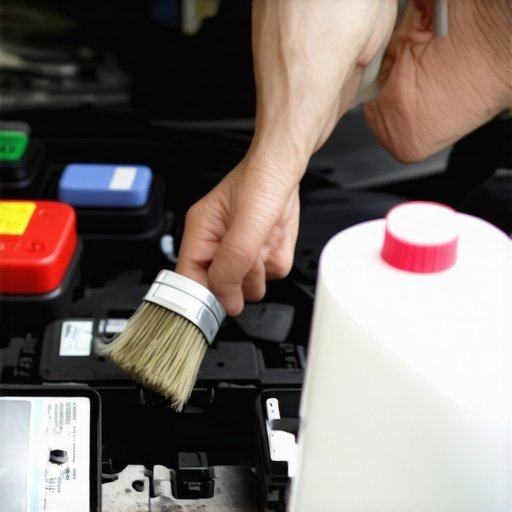
Dip the wire brush into the baking soda solution and scrub both the battery terminals and cable connectors thoroughly. Work in small circular motions, removing all corrosion. I vividly remember the satisfying sound of scrubbing away the white deposits, revealing clean metal underneath.
< >
>
Rinse and Dry the Connections
Use a clean, damp cloth to wipe away residual baking soda and debris. Dry the terminals completely with a clean rag to prevent water from causing future corrosion or electrical issues. I once neglected thorough drying, which led to quick re-corrosion—so take your time.
Reconnect and Test
Attach the positive terminal first, then the negative. Tighten securely but avoid over-tightening, which can damage the terminals. Once connected, start your vehicle to ensure your electrical system functions smoothly. I found that after cleaning, my car started instantly, and the headlights regained their brightness.
Prevent Future Corrosion
Regularly inspect battery terminals and clean them at least once a year—especially before winter. Applying a terminal protectant spray can also create a barrier against moisture. For ongoing vehicle health, consider routine tune-ups to prevent electrical issues from escalating.
Many car owners believe that routine maintenance and repairs are straightforward tasks that can be effectively handled with basic knowledge. However, this oversimplification often leads to costly mistakes and overlooked nuances. For example, a widespread myth suggests that simply replacing parts like spark plugs or transmission fluid guarantees a vehicle will run smoothly. In reality, the underlying issues are frequently related to complex system interactions and sensor calibrations that casual DIYers might miss. As an expert in auto diagnostics, I can tell you that understanding the subtle signs of wear, such as irregular shifting patterns or engine hesitation, requires more than just following a checklist.
One common trap is neglecting the importance of precise fluid changes. For instance, using the wrong type of transmission fluid or failing to perform a proper flush can accelerate wear and cause unexpected malfunctions. The significance of these details is supported by studies indicating that incorrect maintenance accounts for a significant percentage of long-term transmissions issues (see https://collisionfixer.com/how-transmission-overhauls-save-you-money-in-the-long-run).
Another misconception revolves around collision repair work—many assume that a fresh paint job or superficial fixes resolve underlying structural problems. This is risky because hidden rust, frame misalignments, or compromised welds can jeopardize safety and vehicle longevity. For example, undercoating or repainting without proper inspection can mask rust damage, leading to costly repairs down the line. I always recommend getting a thorough diagnostic to spot these hidden issues; check out how to detect hidden structural rust for detailed guidance.
In addition, a frequent mistake is underestimating the complexity of transmissions. A simple fluid replacement might seem sufficient, but without addressing potential internal wear or sensor calibration, symptoms like hard shifting or slipping persist. As described in specialized guides, comprehensive transmission overhauls can not only restore performance but also prevent future breakdowns—it’s an investment that pays off.
For advanced car enthusiasts and seasoned DIYers, asking the right questions makes a difference. For example, “Are my repair practices considering system interdependencies?” or “Am I accurately diagnosing the root cause before replacing parts?” These questions highlight the importance of a nuanced approach to auto service. If you want to ensure your vehicle gets the best care, consider seeking professional advice; you can always contact a trusted expert through CollisionFixer for personalized assistance.
Remember, quality auto repair isn’t just about fixing symptoms but understanding the intricate mechanics involved. Recognizing the common myths and avoiding basic pitfalls can save you time and money, while also ensuring your safety on the road. Have you ever fallen into this trap? Let me know in the comments.
Investing in Quality Equipment Pays Off
To keep your vehicle running smoothly over the years, using the right tools is paramount. I personally swear by a high-quality digital multimeter like the Fluke 115, which allows me to diagnose electrical issues accurately. This device helps me measure voltage, current, and resistance with precision, ensuring that my battery, alternator, and sensors are all functioning correctly. Investing in a reliable multimeter means I can catch minor problems before they escalate, saving me money and avoiding breakdowns.
Another essential tool I rely on is a cordless impact wrench, such as the Milwaukee M18 Fuel. It’s perfect for quickly removing and installing bolts during routine maintenance like changing brakes or suspension components. Its power and portability drastically cut down service time, making DIY repairs more feasible and less daunting.
Software That Keeps the Diagnosis Accurate
While physical tools are vital, software diagnostics are equally important. I use an OBD-II scanner like the BlueDriver, which connects to my smartphone via Bluetooth. It provides real-time data, includes manufacturer-specific codes, and offers guided repair advice. This software has changed the way I approach troubleshooting, allowing me to pinpoint issues such as transmission sensor faults or engine misfires more efficiently. Regularly updating the scanner’s firmware ensures compatibility with new vehicle models, which is crucial as automotive tech evolves rapidly.
Mastering Preventive Maintenance Methods
Routine inspections combined with the right tools enable me to maintain my car effectively. I recommend performing a visual inspection of belts, hoses, and fluid levels every few months using a sturdy flashlight and a mirror. For cleaning and minor repairs, I rely on a set of precision screwdrivers and ratcheting wrenches. These allow for unambiguous access to tight spots, making tasks like replacing spark plugs or securing loose clamps straightforward.
Furthermore, I advocate for oil analysis kits, which can detect abnormal wear metals, indicating engine health. Sending a sample to an analytical service can foresee potential engine issues, providing an opportunity for proactive repairs. As the industry moves toward smarter, more connected cars, tools like tire pressure monitoring app integrations or remote diagnostic kits are set to become standard in long-term vehicle care.
Where Is This Heading?
Looking ahead, the integration of artificial intelligence with diagnostic tools promises to revolutionize auto maintenance. Advanced sensors and machine learning algorithms will assist in predicting failures before they happen, turning maintenance into a proactive rather than reactive process. For those eager to adopt these innovations, starting with an online diagnostic subscription service can provide a glimpse into the future of vehicle care.
How do I maintain my car’s performance consistently?
Maintaining your car over the long term involves not just quick fixes but a strategic approach rooted in quality tools and informed practices. Regularly scheduled tune-ups, like those detailed on maximizing your car’s lifespan with tune-ups, combined with accurate diagnostics and preventive care, can preserve your vehicle’s performance. Remember, investing in your tools—whether it’s a top-tier multimeter or a reliable diagnostic app—is essential for early problem detection and consistent performance. Don’t forget to test these methods yourself; for example, regularly check your battery’s health with a multimeter, and see how early diagnosis can prevent costly repairs. To get personalized advice or professional assistance, contact a trusted expert through CollisionFixer.
Over the years, I’ve discovered that auto repair is as much about mindset as it is about tools and techniques. Each challenge, from diagnosing a mysterious shake to cleaning corroded terminals, has taught me lessons that no manual can fully capture. Today, I want to share some of these insider lessons that transformed the way I approach vehicle care—lessons that can help you save money, avoid scams, and truly understand your car.
The Hardest Lesson I Learned About car service,tune up,collisionfixer,transmission,auto repair
- Never underestimate minor signs: A small corrosion spot or slight engine hesitation often hints at bigger issues. Addressing these early is far cheaper than waiting for a breakdown.
- DIY isn’t always better: I once tried to bypass professional diagnosis with online tutorials. Turning out, some problems require specialized tools and expertise—know your limits.
- Rely on trusted resources: Having a go-to mechanic or trusted resource like CollisionFixer has saved me from costly misdiagnoses and scams.
My Essential Toolkit for Car Care and Precision Diagnosis
- High-quality multimeter: Tools like the Fluke 115 help me detect electrical issues accurately, saving me hours and guesswork.
- Reliable OBD-II scanner: Using devices such as BlueDriver keeps me informed about hidden engine issues and sensor faults.
- Basic repair tools: Impact wrenches and precision screwdrivers make routine maintenance manageable, reducing trips to costly repair shops.
Your Journey Toward Safer Driving Starts Now
Every car enthusiast and everyday driver can benefit from adopting smarter maintenance habits and understanding common pitfalls. Remember, proactive care—like regular tune-ups and early corrosion checks—can dramatically extend your vehicle’s lifespan and safety. Take the first step today by inspecting your battery terminals or scheduling a professional tune-up through routine tune-ups. Have you ever caught a small issue before it became a costly repair? Share your experiences below, and let’s learn together!
,