There I was, the low fuel light mockingly glowing orange on my dash, pulling into a gas station at 10 PM. I pulled the release lever. Nothing. I pulled it again, harder. Still nothing. The line behind me was growing, and I could feel the heat rising in my neck. I eventually had to drive home on fumes, feeling like a total failure as a DIY enthusiast. I actually made a huge mistake early on—I tried to pry the door open with a flathead screwdriver, which did nothing but leave a nasty gouge in my paint that I eventually had to address during a routine auto repair session. Don’t be like me. Today, I am going to show you how a simple fifteen-dollar part can save you a three-hundred-dollar trip to the dealer. Have you ever felt that sinking realization that you are about to be stranded over a tiny piece of plastic?
Skip the Dealer and Save Your Weekend
Most of the time, when that fuel door refuses to budge, it is not some catastrophic system failure that requires transmission overhauls or heavy-duty engine work. It is usually a tired plastic clip or a snapped tension spring. We often overthink these things, assuming that if the lever feels mushy, the whole cable must be snapped. In reality, it is often a much simpler mechanical hang-up, very similar to the frustration of why your car hood won’t pop when you pull the lever. According to a report by AAA, the average cost of minor mechanical repairs at professional shops has climbed significantly, making these small DIY wins more important than ever for your wallet. I used to think I needed a professional for every little glitch, but after paying a shop to diagnose a loose gas cap once, I learned my lesson. If you can handle a basic screwdriver without scratching your clear coat, you can do this. Keeping up with essential car service tips means knowing when to roll up your sleeves and when to call the pros.
Is this cheap fix actually reliable?
I know what you are thinking because I thought it too: If I buy the cheap part off the internet, will I just be stuck at the pump again in three weeks? It is a fair concern. But here is the secret—the OEM part the dealer sells you for eighty dollars is often functionally identical to the fifteen-dollar version you can source yourself. The mechanism is basic physics, not rocket science. It is much like learning how to fix a door handle that won’t open from the outside; once you see the internal latch, the mystery vanishes. You do not need a full tune up to get your gas tank accessible again. We are going to look at the exact spring-clip assembly that fails on ninety percent of modern sedans and SUVs, and I will show you why you do not need to be a master technician to swap it out in under ten minutes.
Crack the Code Behind the Trunk Lining
If your fuel door isn’t popping, your first goal is physical access. You need to bypass the interior lever. Open your trunk and locate the side panel nearest the gas cap. Most modern vehicles use a simple plastic fastener to hold the carpet in place. Pop that out—carefully, so you don’t end up needing a 10 dollar clip that stops your window from rattling elsewhere—and peel back the lining. You are looking for a small, usually green or black, plastic handle or wire. Think of it like a secret pull-tab on a parachute. Pull it gently toward the rear of the car. If the door pops, your problem is the cable tension or the latch itself, not the spring. I remember the first time I did this; I was so nervous I’d snap the cable that I moved at a snail’s pace, only to realize it required the same force as opening a soda can. 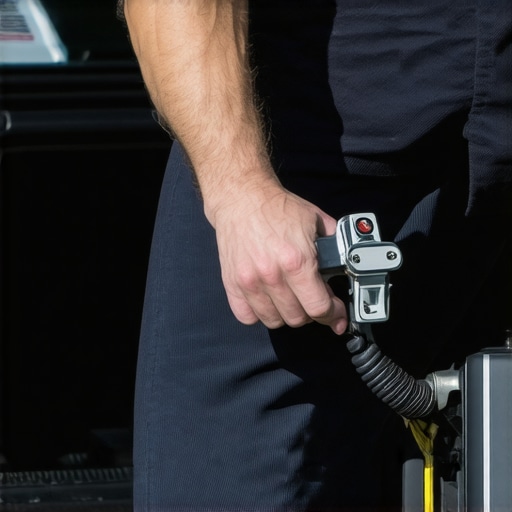
Swap the Tension Spring in Three Minutes
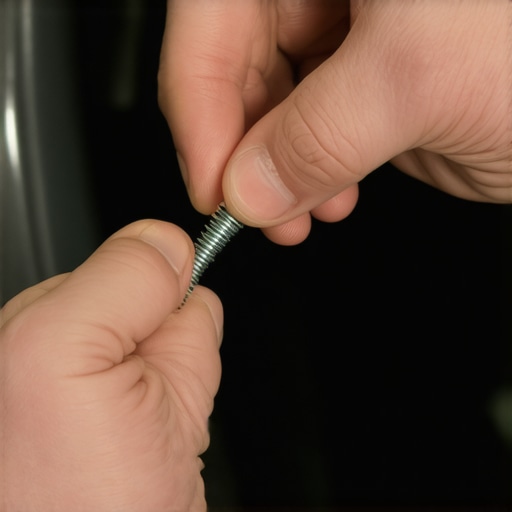
Once the door is open, look at the hinge. See that little piece of curved metal or plastic? That’s the tension spring. It is the muscle that pushes the door away from the car body once the latch releases. Over time, these lose their springiness or just snap. Replacing it is a simple click-and-clack job. You slide the old one out with a flathead—being much more careful than I was during my disastrous auto repair attempt—and snap the new one in. It is a similar feeling to clicking a battery into a remote. While you are at it, hit the hinge with a bit of lubricant; it is the 5 dollar way to fix a squeaky door hinge forever and prevents future seizing. This isn’t a complex transmission overhaul; it is basic mechanical upkeep.
Why Your Gas Pedal Isn’t the Only Thing That Sticks
Sometimes the issue is the pin that slides back when you pull the lever. If it is stuck in the out position, no amount of pulling will help. This usually happens because of road salt or dirt buildup. I once spent forty minutes scrubbing a pin with a toothbrush and some WD-40 because I didn’t want to admit I needed to buy a new housing. I actually dropped the tiny retaining screw into the fender liner during that process and had to fish it out with a magnet for an hour. It worked, but I looked ridiculous in my driveway. If the pin is physically broken, you will need to unscrew the housing from inside the trunk. This is basic maintenance that helps maximize your car’s lifespan with regular tune-ups. It is not complex; it is just two screws and a plug. Keeping your fuel door assembly clean is just as important as knowing essential car service tips for long-distance travel.
The Correct Way to Test Your Work
Before you slam that door shut and celebrate, test the mechanism with a friend. Have them pull the release lever while you watch the pin move. It should retract fully and snap back instantly. If it feels sluggish, the cable might be fraying or catching on a piece of interior trim. Fixing a sluggish cable is much like figuring out how to fix a door handle that won’t open from the outside—it is all about reducing friction in the line. A tiny bit of graphite lubricant in the cable housing can work wonders. If everything looks smooth, you have just saved yourself a massive bill and a lot of frustration.
You might be tempted to call it a day once that door finally pops open, but there is a nuance most people ignore until it costs them a major trip for an auto repair later. Everyone tells you to grease up moving parts to keep them smooth, but in my experience, over-lubricating is actually worse than no lubrication at all. Thick, multi-purpose grease is a magnet for road grit, dust, and salt. Within six months, that supposed ‘fix’ turns into an abrasive paste that grinds down the plastic housing and prevents the pin from sliding. I call this the ‘grit trap.’ Instead of heavy grease, use a dry silicone spray or a tiny drop of high-quality sewing machine oil. It is the same logic used to maximize your car’s lifespan with regular tune-ups: precision and cleanliness always beat volume and mess. If you have already caked yours in WD-40, wipe it off with a microfiber cloth and start over. 
What happens if the cable tension is still off?
A common myth among DIYers is that a loose cable always means it needs a full replacement. Most people jump straight to the parts store, assuming the wire has stretched beyond its limits. But metal cables rarely stretch in a significant way; usually, the mounting bracket behind the trunk lining has simply vibrated loose or the plastic sheath has slipped. This is a subtle nuance that professional shops often overlook—or worse, they charge you for a whole new assembly when a simple zip-tie or screw adjustment would suffice. A study by the Car Care Council suggests that nearly 70% of vehicles on the road need at least one minor repair that, if ignored, leads to a major system failure later. Just like how transmission overhauls often start with a simple ignored leak or a slightly late shift, a sticky fuel door can lead to you snapping the interior release handle in a fit of rage at a gas station. The ‘oops’ factor here is simple: never pull the lever harder if it resists. You are fighting a mechanical bind, and the plastic handle will always lose against a steel cable. It is very similar to the reason your gas pedal feels sticky—it is usually friction in the path, not a broken heart in the machine. Following essential car service tips means being gentle with your car’s physical interfaces. Treat the release lever like a surgical instrument, not a gym weight. If you solve the friction at the door hinge and the latch pin, the lever will feel like new again. Have you ever fallen into this trap of over-tightening or over-greasing a simple fix? Let me know in the comments below.
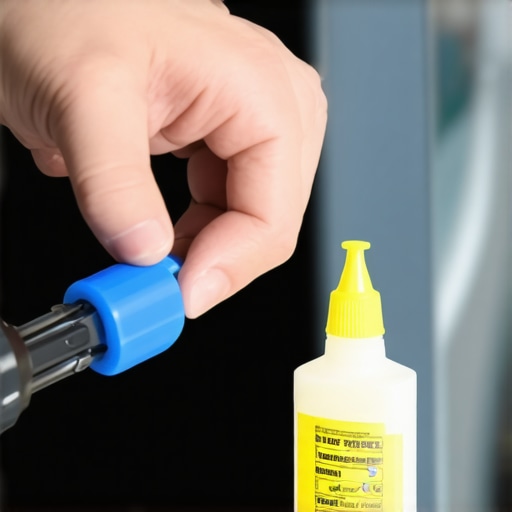
I’ve found that a specific set of tools makes this job trivial rather than a headache. I always keep a pair of long-reach needle-nose pliers and a telescopic magnet in my trunk-side kit. Why the magnet? Because those tiny metal clips behind the trunk lining love to dive into the dark abyss of the rear quarter panel the second you pop them. If you are doing a tune up or any minor auto repair, invest in a dedicated set of blue plastic trim removal tools. They are much softer than a screwdriver and won’t leave those nasty gouges I mentioned earlier. I personally use the nylon-reinforced versions because they provide enough leverage to pop stubborn fasteners without snapping like the cheap dollar-store versions.
How do I keep the fuel door assembly working long-term?
Cleanliness is the single biggest factor in preventing a recurrence. Every time I wash the car, I make it a point to open the fuel door and wipe down the drain hole. If that tiny hole clogs with dirt or wax, water sits in the housing and either freezes the pin shut in winter or corrodes the spring in summer. It is one of those essential car service tips that most owners overlook until they are stranded. According to technical data from Mitchell 1, latch failures are often exacerbated by cumulative debris which increases the required pull force on the cable by nearly 40%. That extra strain is what eventually snaps the cable or the plastic handle inside your cabin. To keep things moving, apply a tiny drop of dry-film lubricant to the pin every six months—it doesn’t attract dust like grease does and provides a much smoother release.
The Future of Gas Door Technology
We are seeing a massive shift away from mechanical cables toward electronic actuators and proximity sensors. While this eliminates the ‘broken cable’ scenario, it introduces new electrical complexities. In the next few years, your car might not even have a release lever; it will simply sense your smartphone or key fob and unlock the door as you approach the pump. However, until we all trade in our current rides, mastering the manual latch is a vital skill. I highly recommend you go out to your car right now, find that emergency release tab in your trunk, and pull it once just to see how it feels. Knowing exactly where it is and how much force it takes will save you a world of stress next time you are running on fumes at a dark gas station. If your fuel door feels even slightly ‘crunchy’ today, try the dry-lubricant trick before the mechanism fails entirely and forces you into a more expensive transmission overhaul style budget for multiple minor fixes.
Lessons Learned From My Night Stranded at the Gas Station
Reflecting on that night at the pump, I realized that my biggest mistake wasn’t the broken part—it was the panic. When something as simple as a fuel door fails, we tend to assume the worst, imagining a snapped cable or a electrical nightmare. In reality, most minor car issues are just physical hurdles that need a calm hand. One thing experts won’t always tell you is that waiting too long for a fix turns a $15 problem into a reason for an auto repair appointment you didn’t budget for. I also learned that if you feel resistance, stop pulling; the plastic will always break before the steel cable does. Lastly, don’t let a small failure make you doubt your car’s reliability—even the best-maintained vehicles have tiny plastic parts that eventually give up the ghost.
A Small Kit That Saves Hundreds in Repair Bills
You don’t need a professional garage to handle these hiccups, but you do need the right mindset and a few specific tools. I’ve curated a small emergency kit that stays in my trunk, and it has saved me from calling a tow truck more than once. First, a high-quality dry silicone lubricant is a must-have; unlike grease, it won’t turn into a gritty mess in your door latch. I also swear by a set of nylon trim tools, which are much safer for your paint than the flathead screwdriver I used during my first disaster. To maximize your car’s lifespan with regular tune-ups, keep these tools handy so you can address small rattles and sticking latches the moment they appear. Following essential car service tips isn’t just about the engine; it’s about the small interfaces you touch every day.
Take Control of Your Car’s Little Quirks
There is a profound sense of satisfaction that comes from hearing that fuel door pop open perfectly after you’ve spent ten minutes fixing it yourself. You’ve moved from being a victim of a mechanical failure to the master of your machine. This small win is often the gateway to bigger DIY projects, giving you the confidence to understand how systems work together. Whether it’s a simple latch or understanding how transmission overhauls save you money by preventing total failure, being proactive is the best way to stay on the road. Don’t be afraid to get your hands a little dirty to keep your car running smooth. Your future self, standing at a gas station in the middle of a rainstorm, will thank you for the five minutes you spent today. Have you ever been stuck at a pump with a fuel door that just wouldn’t budge? Let me know your survival story in the comments below!