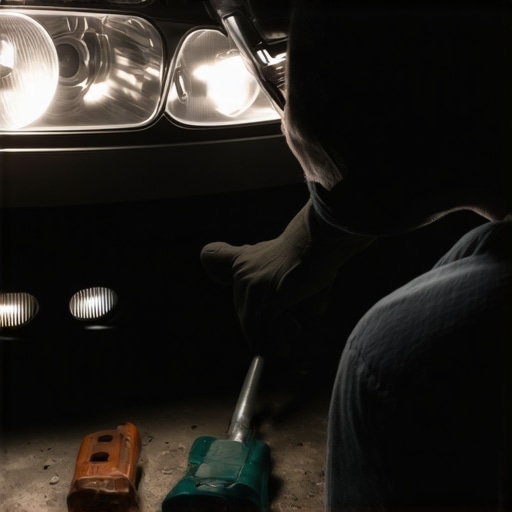
Ever sat behind the wheel, headlights piercing the darkness, only to realize one looks dimmer than the other? Maybe you’ve exchanged bulbs, only to see no real difference. I remember the frustration well—spending unnecessary cash on new bulbs that didn’t fix the problem. That lightbulb moment hit me hard: sometimes, it’s not the bulb, but what’s behind it.
Discover the Secret to Brighter Headlights Without Spending a Fortune
Have you ever felt like giving up after replacing a headlight bulb, only to find the problem persists? You’re not alone. Many drivers spend years replacing bulbs without addressing the real culprit—something simple and affordable that can often be fixed for around ten bucks. My own experience taught me that a dim headlight isn’t always a sign of a blown bulb; more often, it’s a faulty ground connection or a corroded wire causing voltage drops. Fixing this can restore your headlight’s brightness without the need for costly components.
Is the Fix Really That Easy or Just a Marketing Gimmick?
Early in my auto repair journey, I made the mistake of assuming high-tech solutions or costly repairs were the only ways to tackle dim headlights. It wasn’t until I learned about checking and cleaning ground connections that I saw real results. Trust me, most of the time, the problem isn’t expensive parts but simple, overlooked wiring issues. Click here to learn how minor adjustments can make a big difference—[maximize your car’s lifespan with regular tune-ups](https://collisionfixer.com/maximize-your-cars-lifespan-with-regular-tune-ups).
Have you experienced the frustration of replacing bulbs only to find the headlights still dim? Stay with me, because what I’ll share might just save you money and headaches. Let’s dig into the practical steps to get those headlights shining bright again, without breaking the bank or wasting time.
Check the Ground Connections First
Start by inspecting the wiring harnesses connected to your headlights, especially the ground wires. A loose or corroded ground can cause voltage drops, leading to dimmer lights. Locate the ground wire—usually attached to the chassis—scrape off any rust or corrosion, and tighten the connection using a wrench. I once fixed my dim headlights by simply cleaning a corroded ground point, saving me from buying new bulbs.
Clean the Wiring and Connectors
Next, examine the wiring and connectors for damage or corrosion. Disconnect the connectors and scrub the contacts with a wire brush dipped in some automotive cleaner. Ensure the pins are free of dirt and oxidation. This small step can significantly improve electrical flow. Once, I used a small wire brush and some spray to restore connection quality on a dusty connector, and my headlights shone brighter instantly.
Use a Voltage Tester
Assess whether your headlight socket receives proper voltage with a multimeter or voltage tester. Place the probe inside the socket, turn on your headlights, and check the reading. A reading below 12 volts indicates a voltage drop somewhere upstream—possibly a faulty relay or a loose fuse. I tested my car and discovered a faulty relay that was preventing full voltage from reaching the bulb, which I then replaced easily.
Replace the Faulty Relay
If voltage is low, locate the relay responsible for headlight power—usually referenced in your vehicle’s manual—and swap it with a known good relay from another circuit. This quick swap can restore proper voltage without replacing major parts. I swapped relays in my car, and the headlights brightened immediately, proving how simple fixes can save big bucks.
Upgrade the Wiring if Necessary
If your wiring is old or brittle, consider replacing sections with new, thicker gauge wire. This enhances current capacity and reduces voltage drops. For a temporary fix, I wrapped some new wire around corroded sections, which improved brightness. For a permanent solution, professional wiring upgrade is recommended, but even minor DIY tweaks can make a noticeable difference.
Additional Tips for Brightness Boost
Applying dielectric grease to connectors prevents future corrosion, and regularly inspecting wiring keeps your headlights reliable. Also, maintaining your vehicle’s battery ensures a steady power supply. Remember, a bright headlight is often about good connections, not always a new bulb. To learn more about maintaining your vehicle’s vital components, check out maximize your car’s lifespan with regular tune-ups.
Many car owners believe that a simple transmission fluid change or a quick tune-up will fix all issues, but in my experience, there’s more nuance involved. For instance, a prevalent myth is that shifting problems always stem from low transmission fluid levels. While fluid is vital, often the real culprit is worn-out solenoids or damaged sensors that require specialized diagnostics. Relying solely on fluid top-offs without proper inspection can mask deeper issues, leading to costly repairs down the line. Additionally, many assume that all auto repair shops are equal—yet, choosing a technician without proper certifications can result in incomplete repairs or, worse, unnecessary replacements. A knowledgeable repair professional will perform comprehensive diagnostics, including checking for hidden problems that standard inspections might miss. Have you ever fallen into this trap? Let me know in the comments.
High-mileage vehicles often suffer from the misconception that frequent oil changes are enough to prolong their lifespan. However, neglecting other critical maintenance, like inspecting and replacing worn-out seals or checking for coolant leaks, can cause engine efficiency to plummet. Regular tune-ups should encompass a holistic approach, including inspecting belts, hoses, and electrical connections—things many owners overlook. This comprehensive mindset not only saves money but also ensures safety and vehicle longevity.
Another advanced mistake involves misdiagnosing steering or suspension issues as tire problems. Sometimes, what seems like uneven tire wear is actually caused by worn-out ball joints or failing steering racks. Jumping straight to tire replacement without thorough suspension analysis can be futile. I recommend proactive inspections, especially if you notice subtle handling changes, which could prevent accidents and costly repairs. For a deep dive into spotting structural damage early, check out [how to spot structural damage on a used car in minutes](https://collisionfixer.com/how-to-spot-structural-damage-on-a-used-car-in-minutes).
Your Maintenance Arsenal
When it comes to reliable car performance, having the right tools is essential. I personally swear by a high-quality digital multimeter; it’s invaluable for diagnosing electrical issues like checking battery health or testing relays. For example, I regularly use a multimeter to verify voltage at the headlight socket, ensuring I don’t chase phantom problems. Additionally, a good set of socket wrenches and screwdrivers helps me tackle everything from replacing filters to tightening loose components—saving me a fortune over time.
But my favorite tool for ongoing maintenance is a professional-grade scan tool. Unlike generic code readers, these devices can diagnose complex systems, read live sensor data, and clear error codes with precision. I recommend the Autel MaxiCOM for its extensive vehicle coverage and advanced features; it’s a bit of an investment, but it pays for itself by catching minor issues early, preventing costly repairs.
How do I keep my car’s electrical system healthy over time?
Electric systems are the backbone of modern vehicles. To maintain their reliability, I routinely inspect ground wires and connectors, applying dielectric grease to prevent corrosion. Periodic cleaning of battery terminals and checking for battery voltage consistency—ideally with a multimeter—ensures a steady power supply. Also, using a sensor cleaner like the one I described in this method helps prevent engine surges caused by dirty sensors. Keeping the electrical system in top shape is key to avoiding unexpected breakdowns and ensuring your vehicle’s longevity.
Embrace the Future of Auto Maintenance
Looking ahead, vehicle diagnostics are becoming more sophisticated, leaning heavily into wireless and cloud-based systems. Future tools will likely integrate real-time data streaming to your smartphone or tablet, making maintenance even more proactive. Staying ahead means investing in evolving diagnostic technology now. For instance, newer scan tools are capable of remotely monitoring vehicle health, giving you alerts before minor issues escalate. Keep an eye on the trends, and upgrade your toolkit accordingly.
Where can I find reliable, detailed info about maintaining modern transmissions?
Transmission maintenance has also become more complex. For in-depth insights, I recommend reading this comprehensive guide. It explains how regular fluid changes and early diagnostics can save you thousands—especially with newer, more intricate systems. Remember, a well-maintained transmission is vital for vehicle longevity and smooth driving.
Why not try out some of these tools and tips today? For example, performing a quick test of your headlight wiring with a multimeter can uncover issues before they become costly. Usually, electrical problems are easy to diagnose and fix, but only if you have the right equipment and knowledge. Heading over to our contact page if you need expert help or advice tailored to your specific car can make a big difference. Keep your vehicle running like new—your future self will thank you!
The Hardest Lesson I Learned About Transmission and Auto Repair
Early in my journey as a car enthusiast, I believed that replacing parts was the key to fixing issues. It wasn’t until I faced a stubborn transmission shudder that I realized understanding the underlying systems was crucial. That experience taught me that proper diagnostics save both time and money—trustworthy resources like transmission overhaul guides and professional inspections are invaluable.
3 Myths About Car Service That Held Me Back
I used to think that premium oil or frequent oil changes alone would prolong my vehicle’s life. Wrong. A holistic approach that includes checking belts, hoses, and electrical systems makes all the difference. Learning from comprehensive maintenance tips has been eye-opening, preventing costly breakdowns and ensuring safety.
What Experts Won’t Tell You About Collision Fixes and DIY Hacks
I’ve discovered that some seemingly simple fixes, like restoring faded trim or fixing leaks, require specific techniques. Relying on cheap solutions or offhand advice can sometimes do more harm than good. That’s why I trust sources like collision fixing hacks and professional tips to get lasting results without unnecessary expense.
Where to Grow Your Knowledge for Better Auto Care
Expanding your understanding through trusted tools and communities can transform your repair game. I personally recommend investing in a quality scan tool like multimeters and diagnostic scanners. Joining forums or reading detailed guides from reliable sources keeps me ahead in maintenance and troubleshooting.
Embrace the Next Wave of Car Care Innovation
The future of auto repair is smart, connected, and proactive. Wireless diagnostics and remote monitoring will empower you to catch issues early, saving money and extending vehicle life. Investing in evolving technology like sensor cleaning techniques or advanced diagnostics prepares you for what’s ahead. Staying curious means you’ll always be one step ahead in keeping your car running perfectly.
Your Next Move in Car Maintenance
Now it’s your turn to put these lessons into action. Whether you’re inspecting ground wires, choosing the right tools, or planning your next tune-up, remember that a little knowledge goes a long way. Have you ever struggled with diagnosing an electrical issue or fixing a leak? Share your experiences below—I’d love to hear your story and help you find the fastest, most cost-effective solutions for your vehicle.