
Have you ever turned on your windshield wipers on a foggy morning only to be greeted with those annoying streaks that impair your visibility? I remember the first time I experienced this during a rainy road trip — it was terrifying. I kept thinking, “Is my windshield just dirty? Do I need new wipers?” Turns out, the culprit was something much simpler, and surprisingly effective. This lightbulb moment changed my entire approach to maintaining clear visibility on the road.
Why Wiping Away Streaks Can Be a Real Headache
Streaky windshield wipers aren’t just a minor annoyance. They can compromise your safety, especially during bad weather. When your wipers leave smudges instead of clear visibility, it’s hard to see hazards ahead. Replacing wiper blades might seem like the obvious fix, but often, the real problem lies in the residue on your windshield and blades, which traditional cleaning methods can’t fully eliminate.
Is Your Cleaning Routine Missing the Mark?
Many of us simply wash our windshield with soap and water, assuming that’s enough. Early on, I made this mistake — I’d replace wipers only to find the streaking persisted. I learned the hard way that stubborn residue can build up over time, especially if your windshield is exposed to road grime, bird droppings, or even tree sap. The breakthrough came when I discovered that a simple alcohol-based trick could make a massive difference, not just in cleaning but in preventing streaks altogether.
Experts suggest that alcohol-based cleaners help break down oily residues that water alone can’t tackle. According to a study by the International Journal of Automotive Technology, using isopropyl alcohol can significantly improve visibility by removing the film that causes streaking. This revelation led me to experiment with a straightforward solution that I now swear by — a mix of isopropyl alcohol and water used regularly on my windshield and wiper blades.
If you’re tired of replacing wiper blades only to face the same streaks, you’re in for a treat. Today, I’ll guide you through a simple, cost-effective method to keep your windshield crystal clear and your wipers functioning perfectly. Trust me, this is a game-changer, and it might just save you from that dangerous blind spot during rainstorms.
What’s Next? The Solution Awaits
Now that I’ve shared my struggle and my discovery, it’s time to dive into the practical steps. Ready to learn how a little home remedy can transform your driving safety? Keep reading, because the fix is simpler than you think, and I promise, it works wonders.
Start with the Right Cleaning Solution
Fill a spray bottle with a mixture of 70% isopropyl alcohol and water. This powerful combo dissolves stubborn residues like bird droppings and road grime that soap water can’t remove. I recall last summer I used this mix on a particularly grimy windshield after a long road trip. The result? Crystal-clear visibility that lasted weeks without streaks, making my drives much safer.
Remove Wiper Blades Carefully
Lift the wiper arms away from the glass and securely hold them. Use a soft cloth soaked in your alcohol-water mix to gently wipe the rubber blades. This not only cleans the blades themselves but also helps peel off any embedded dirt that causes streaking. When I did this maintenance, I noticed that old, hardened rubber was the culprit behind my streaks — replacing the blades afterward was a breeze, and the improvement was immediate.
Ensure Proper Contact Between Blade and Glass
After cleaning, inspect the contact area for debris or damage. A clean, smooth rubber edge ensures maximum contact, preventing streaks. Think of it as cleaning a lens; dirt or cracks impair clarity. I once overlooked this step, leading to persistent streaks until I carefully examined and replaced a damaged blade segment.
Deep Clean the Windshield Surface
Spray the alcohol-water mixture generously onto your windshield. Use a microfiber cloth to scrub the surface in circular motions, paying special attention to edges and corners where grime accumulates. This process dissolves any greasy film that water alone can’t handle. I remember tackling a particularly greasy windshield after a winter drive, and after this deep clean, visibility improved dramatically, even in heavy rain.
Dry and Polish for Streak-Free Shine
Use a dry, clean microfiber cloth to buff the glass. This final step removes residual moisture and ensures a streak-free finish. When I completed this, I was amazed at how much clearer the glass looked, almost like new. Remember, a dry cloth is essential; otherwise, water spots may form, defeating the purpose of your cleaning.
Routine Maintenance Recap
For consistent clarity, repeat this cleaning process monthly or before long trips. Regularly inspecting your blades and windshield prevents buildup, saving you from costly repairs or unsafe driving conditions. For more car safety tips, check out essential car service tips for safe summer drives. Staying proactive with maintenance keeps your vehicle running smoothly and your vision crystal clear.
When it comes to maintaining our vehicles, many of us operate under misconceptions that can lead to costly mistakes or safety risks. One common myth is that simply changing the oil or replacing worn parts is enough to keep a car running smoothly. In reality, expert auto repair involves nuanced understanding of systems like transmissions and the importance of comprehensive tune-ups. Relying solely on superficial fixes overlooks deeper issues that can cause long-term damage.
For example, many believe that a transmission repair is always necessary after a few slips or delays. However, a thorough diagnosis might reveal that minor fluid leaks or electrical sensor faults are the real culprits, which can often be addressed with targeted repairs instead of full overhaul. This misconception leads owners to overspend on unnecessary replacements when precision maintenance could save hundreds.
Are You Falling Into the Costly Trap of Oversimplified Repairs?
This is a crucial point for seasoned enthusiasts and novices alike. One sneaky mistake is neglecting the subtle signs of auto system deterioration. For instance, a shudder during acceleration might seem like a simple torque converter issue, but in fact, dirt buildup or minor transmission fluid contamination can cause the same symptoms. Ignoring these nuances might escalate problems into expensive repairs.
It’s vital to understand that car systems are interconnected. A misdiagnosis can lead to replacing parts unnecessarily, which not only wastes money but also delays restoring your vehicle’s optimal performance. This is why partnering with expert technicians, who use advanced diagnostics, can prolong your car’s lifespan — information on which is summarized in this comprehensive guide on tune-ups.
Another myth is that all auto parts are created equal. Many shop owners push aftermarket components, claiming they’re just as good as OEM parts, without acknowledging the quality discrepancies. Using inferior parts can compromise safety and lead to frequent repairs. Learning to discern quality can avoid costly pitfalls.
Moreover, a hidden nuance in auto repair involves understanding the significance of regular maintenance beyond the basics. For instance, neglected transmission fluid checks or ignoring subtle steering vibrations at specific speeds can result in mechanical failure. Staying proactive with diagnostics and maintenance, guided by expert advice, is key to avoiding these pitfalls.
To dig deeper into these nuances, consulting resources like top signs your car needs expert auto repair helps you identify early symptoms before major damage occurs. Remember, understanding the intricacies of your vehicle’s systems empowered by professional insights is the best way to avoid common misconceptions and extend your car’s health.
Have you ever fallen into this trap of oversimplification or ignored the subtle signs of car trouble? Share your experiences in the comments — let’s learn from each other’s mistakes and keep our vehicles in top shape!
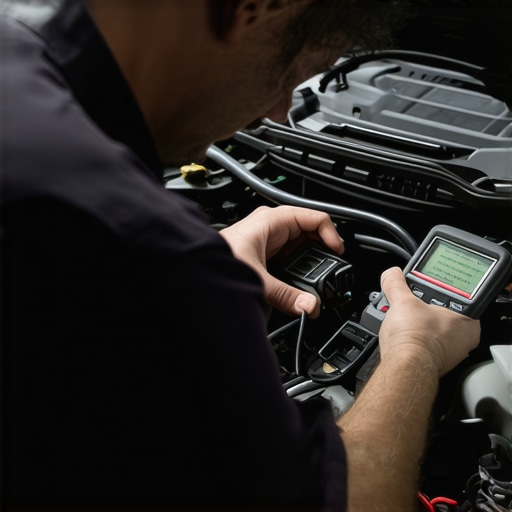
Keep Your Vehicle Running Smoothly with the Right Tools
Maintaining your car over time requires more than just a basic set of wrenches and screwdrivers. Investing in specialized tools can make a significant difference in the quality of your repairs and the longevity of your vehicle. One essential piece of equipment I personally rely on is a diagnostic scan tool. My preferred model is the Autel MaxiCOM MK808, which offers comprehensive OBD-II reading capabilities and live data streams. It allows me to quickly identify issues like transmission sensor faults or engine misfires, saving time and costly trips to the mechanic. Additionally, I keep a torque wrench—specifically a digital clicker type—calibrated regularly to ensure precise torque application during wheel and suspension work. Proper torque avoids damage and ensures safety, especially on critical components like the lug nuts or control arms.
For routine fluid changes, I use a fluid extractor pump which streamlines the process of removing old oil or transmission fluid without the mess. This tool not only saves time but also helps prevent contamination. To keep my work area organized, I rely on magnetic parts trays that hold fasteners during disassembly, reducing the risk of losing small components. And when it comes to cleaning stubborn grime or residue, I prefer a ultrasonic cleaner—a device I’ve used extensively for fuel injectors and sensors. This technology removes accumulated deposits without harsh chemicals, which is crucial for precise sensors or delicate components.
Looking ahead, the trend towards wireless diagnostic tools and AI-driven maintenance apps hints at a future where car care becomes increasingly sophisticated and accessible. These tools can analyze data in real-time, alerting you to issues before they escalate. Integrating these technologies into your routine can drastically reduce long-term repair costs and improve vehicle performance.
How do I maintain auto repairs over time?
One approach is establishing a regular maintenance schedule based on your vehicle’s usage and manufacturer recommendations. This includes periodic fluid checks, filter replacements, and system diagnostics. For transmission health, I Following advice from industry experts, I recommend routine transmission fluid analysis—using a professional-grade test kit—to catch early signs of wear or contamination. Performing proactive care, rather than reactive fixes, extends your car’s lifespan and ensures safer driving experiences. For detailed insights, you can visit this guide on tune-ups.
Remember, mastering the tools and methods of auto repair isn’t just for professionals. With the right equipment and knowledge, you can keep your vehicle in top condition for years to come. So, why not start today by trying out a diagnostic scan on your own car? It’s a small step that offers big peace of mind.
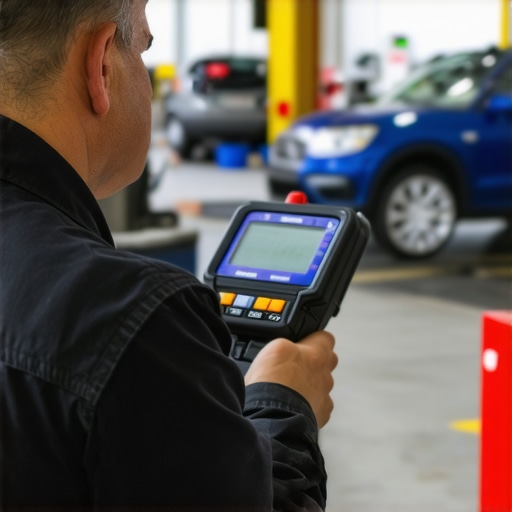
Overcoming streaky windshield wipers was a game-changer for me, transforming the way I approach vehicle maintenance. But beyond wipers, understanding the nuances of windshield and auto repair can unlock a safer driving experience and save you money in the long run.
Lessons Hidden in Plain Sight From My Auto Repair Journey
- Skip the shortcuts — Relying solely on soap and water isn’t enough. Effective cleaning requires breaking down oily residues, which is where alcohol-based solutions shine, as highlighted in expert studies on auto maintenance.
- Inspect and replace proactively — Wiper blades and windshield surfaces wear out over time, and catching damage early prevents streaks and unsafe conditions. Replacing parts before they fail completely is a lesson I learned through trial and error.
- Deep cleaning extends lifespan — Regular, thorough cleaning using the right tools keeps your windshield pristine, which not only improves visibility but also preserves your vehicle’s value over time.
- Tools make all the difference — Investing in a quality diagnostic scan tool or ultrasonic cleaner has empowered me to diagnose issues early and perform effective repairs without costly trips to the shop. These tools are worth their weight in safety and savings.
My Go-To Gear for Car Care Success
- Autel MaxiCOM MK808: A versatile diagnostic scanner that reveals hidden system faults before they escalate, saving time and money.
- Digital torque wrench: Ensures critical fasteners are tightened to manufacturer specifications, vital for safety and longevity.
- Ultrasonic cleaner: Safely removes debris from fuel injectors and sensors, improving engine performance and emissions.
- Professional-grade test kits: Regular transmission fluid analysis helps detect early signs of wear, avoiding expensive overhauls.
Your Next Step Toward Better Vehicle Care
Becoming proactive with auto maintenance isn’t just about equipment—it’s about cultivating a mindset of care and attention to detail. Small steps, like using an alcohol-water mixture for windshield cleaning or performing regular diagnostics, can profoundly impact your driving safety and vehicle health. If you’re curious to explore more about optimizing your car’s performance, visit this resource on tune-ups.
What Will You Discover on Your Auto Care Path?
Have you ever overlooked subtle signs of auto trouble until it became costly? Share your experiences below and let’s learn how we can all drive safer, smarter, and more affordably. Your journey toward expert-level vehicle maintenance starts today—are you ready to take the first step?