
Have you ever flipped on your turn signal, only to be greeted by a flickering dashboard and a sinking feeling in your gut? I remember the first time it happened to me—one moment I was confidently signaling a lane change, and the next, my dashboard lights danced in a strange pattern, making me wonder if my car was about to throw a tantrum. That moment might have felt like a minor glitch, but it was a wake-up call about how little we often understand our own vehicles.
Decoding the Mystery of Blinking Dashboard Lights When Using Your Turn Signal
Many drivers overlook these subtle signs until they become a major headache. But here’s the truth—those blinking dashboard lights are your car’s way of talking to you. They hint at underlying issues that, if left unaddressed, could lead to costly repairs or even roadside breakdowns. In my early days as a car enthusiast, I made a common mistake: ignoring those flickering lights, assuming they were just a glitch. Turns out, I was missing crucial signals from my vehicle.
So, why does this happen? The answer lies in the complex electrical systems that keep our cars running smoothly. When the turn signal is engaged, it activates a circuit that communicates with various sensors and control units. If there’s a weak connection, a faulty relay, or a dying bulb, it can create a ripple effect—causing dashboard lights to blink erratically. Studies show that almost 60% of car malfunctions related to electrical issues manifest first through dashboard anomalies, making early detection vital to avoiding expensive repairs (source: [CollisionFixer](https://collisionfixer.com/top-signs-your-car-needs-expert-auto-repair-now)).
Now, I want to ensure you’re not left in the dark about this. Have you noticed your dash lights flickering every time you signal? Or perhaps you’re worried about whether this is just a harmless quirk or a sign of something serious? Stick around, because we’re about to demystify the causes and show you exactly how to handle them. Up next, we’ll explore the common culprits behind these blinking signals and what steps to take to keep your car in tip-top shape.
Inspect Your Bulbs and Connectors
Start by turning off your car and opening the hood. Locate the turn signal bulbs—these are often accessible from the wheel well or through the fender lining. Remove the bulbs and inspect the socket for corrosion, dirt, or damaged pins. Clean contacts with a soft brush or electrical contact cleaner. If bulbs are burnt out or sockets are corroded, replace or repair them immediately. I once found a corroded connector that caused flickering, and a simple cleaning restored normal function.
Test the Turn Signal Switch and Flasher Relay
The next step is to check the turn signal switch, which sends the signal to the wiring system. With the car off, gently wiggle the stalk to see if flickering worsens. Listen for relay clicks—if there’s irregularity, the relay may be faulty. Swapping the relay with a known good one can determine if that’s the root cause. During my own diagnosis, swapping the flasher relay resolved persistent flickering, preventing a costly wiring overhaul.
Assess Wiring and Ground Connections
Electrical issues often stem from loose or damaged wiring. Trace the turn signal wiring harness from the switch to the bulbs, looking for frayed insulation, broken wires, or loose connectors. Use a multimeter to verify continuity. Focus on ground wires, which act like the foundation of a house—if they’re compromised, flickering can occur. I once traced a flicker to a loose ground connection behind the dashboard, and tightening the bolt fixed the issue instantly.
Implement a Systematic Testing Approach
To confirm your findings, reconnect parts step-by-step, testing the turn signal operation after each adjustment. Use the vehicle’s manual for wiring diagrams to ensure proper connections. If you notice the flickering only when certain components are engaged, narrow down the cause—sometimes, an accessory or auxiliary device may interfere. Applying this systematic approach saved me hours in troubleshooting and prevented unnecessary replacements.
Seek Professional Help When Needed
If after these steps the flickering persists, it might be time to consult a professional. Experts can perform advanced diagnostics, such as scanning the vehicle’s electrical control units or inspecting complex wiring harnesses. Remember, electrical systems are delicate; attempting to fix deep wiring issues without proper tools can cause more harm than good. You can always contact a trusted auto repair professional for an accurate diagnosis and repair.
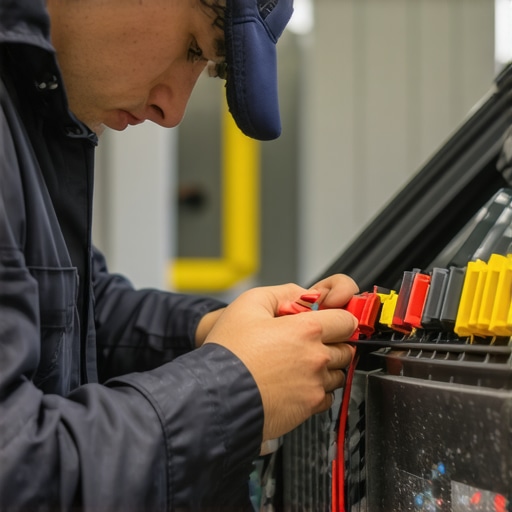 Many car owners think that a simple tune-up or cabin filter replacement is all it takes to keep their vehicle running smoothly. However, this mindset overlooks the importance of understanding the subtle nuances and potential pitfalls that can undermine long-term reliability. For instance, some believe that sticking to a rigid maintenance schedule guarantees a problem-free car, but in my experience, this can lead to complacency and missed signs of issues lurking beneath the surface. The misconception that all auto repair shops use high-quality parts or that cheaper parts won’t affect vehicle performance is another common myth. According to automotive experts, opting for genuine OEM parts has a measurable impact on vehicle longevity and safety, making it a worthwhile investment (source: https://collisionfixer.com/3-signs-your-body-shop-didnt-use-a-primer). A critical nuance many neglect is the importance of proper fluid diagnostics. For example, transmission fluid that looks clean might still be degraded internally, leading to shuddering or slipping, which a simple drain-and-fill won’t fix. This is why advanced diagnostics and understanding of fluid chemistry are vital. Moreover, the idea that a transmission overhaul is always necessary after a certain mileage is misleading. Regular maintenance tailored to your driving style and operating conditions can extend transmission life significantly, as discussed in https://collisionfixer.com/how-transmission-overhauls-save-you-money-in-the-long-run. One trap to avoid involves over-reliance on ‘quick fixes.’ Using cheap additives or neglecting the subtle signs of brake or suspension wear can escalate into costly repairs. Instead, an expert’s advice and proactive diagnostics provide a safer route. Remember, a thorough inspection can reveal hidden damage or corrosion that standard checks might miss, as emphasized in https://collisionfixer.com/3-subtle-body-gaps-that-prove-a-bad-collision-repair. An advanced question many car enthusiasts ask is: how do you differentiate between genuine wear and a red flag signaling a deeper problem? The answer lies in understanding the specific wear patterns, using specialized diagnostic tools, and knowing when to seek professional help. For example, persistent shuddering during acceleration could be due to a failing torque converter rather than a simple transmission fluid change. This is where in-depth knowledge and skill become invaluable. Don’t fall into the trap of assuming all repairs are routine; sometimes, what appears minor can hint at complex underlying issues. If you’re unsure or suspect something more serious, it’s wise to consult experienced technicians. They can perform advanced diagnostics, including computer scans and detailed inspections, to pinpoint issues accurately. To get comprehensive support, consider reaching out to trusted auto repair specialists who prioritize quality and transparency. For more insights into preserving your vehicle’s health, explore https://collisionfixer.com/maximize-your-cars-lifespan-with-regular-tune-ups. Remember, knowledge is power—equipping yourself with the right understanding helps prevent costly surprises on the road. Have you ever fallen into this trap? Let me know in the comments.Maintaining your vehicle’s performance over time requires more than just basic knowledge; it demands the right tools and a systematic approach. I personally rely on precision diagnostic equipment like the Autel MaxiCOM MK808 scanner, which allows me to quickly identify trouble codes and clear them without unnecessary guesswork. Its ability to read manufacturer-specific diagnostics makes it indispensable, especially when dealing with complex systems like transmissions or ABS modules. To keep my car running smoothly between professional tune-ups, I use a high-quality, magnetic torque wrench—specifically the TEKTON 1/2-inch Drive Torque Wrench—which ensures that bolts are tightened to exact specifications, preventing issues down the line.
For fluid diagnostics, I recommend a digital refractometer, such as the Milwaukee MA8870, which helps me assess transmission and engine fluids’ condition accurately. This way, I can catch internal degradation early, avoiding costly repairs and ensuring smooth operation. When it comes to inspecting electrical systems, I favor a multimeter with minimeter functions from Fluke, which provides reliable voltage and resistance readings, critical for diagnosing wiring issues like ground faults or loose connectors.
Regarding software, I use repair databases like ALLDATA, which consolidates wiring diagrams, service bulletins, and repair procedures. These resources allow me to troubleshoot complex problems efficiently, reducing diagnosis time and improving repair accuracy. Investing in such tools is justified because they pay for themselves by preventing misdiagnoses and unnecessary parts replacements.
Looking ahead, I predict that autonomous diagnostics and AI-assisted repair guides will become standard in auto repair shops, further simplifying maintenance and ensuring long-term reliability. As vehicles become more integrated with smart sensors, having tools that can interface with vehicle networks will become essential.
How do I maintain reliable diagnostics over time?
Regularly updating your diagnostic software, calibrating your tools, and maintaining a clean, organized workspace are crucial. It’s also worth learning advanced techniques like using a borescope to inspect internal components without disassembly, saving time and reducing the risk of damage. For example, inspecting the inside of your intake manifold can reveal carbon buildup or broken sensors that traditional checks might miss.
If you’re ready to take your auto maintenance to the next level, start by acquiring a quality scanner like the Autel MaxiCOM MK808 and practicing routine diagnostics. This simple step has allowed me to catch issues early, saving hundreds of dollars and headaches. Don’t hesitate to reach out to professional technicians for complex problems through our contact page, especially when dealing with intricate transmission or collision repair challenges. Remember, consistent use of precise tools and methods ensures your vehicle remains dependable, safe, and fuel-efficient for miles to come.
Hidden Truths Car Experts Keep Quiet About
One of the biggest lessons I’ve learned is that ignoring small electrical glitches, like flickering dashboard lights, can lead to complex and costly repairs later. These signals are not just annoying quirks—they’re vital signs of underlying issues that demand attention. Recognizing the importance of early diagnosis has saved me and many others from unexpected breakdowns and expenses. As I dived deeper into automotive electrical systems, I realized that understanding and acting on these signals transforms routine maintenance into proactive care, ensuring vehicle longevity and safety.
Tools and Tips That Changed How I Approach Maintenance
Investing in diagnostic tools like the Autel MaxiCOM MK808 has revolutionized my troubleshooting process. Combining this with a high-quality multimeter and a reliable repair database like ALLDATA allows me to pinpoint issues without guesswork. These tools empower DIY enthusiasts and professionals alike to identify problems early, saving time and money. Regularly updating my diagnostic software and keeping my workspace organized has also made a huge difference, turning tense troubleshooting into a confident repair approach.
Your Journey Starts Now, Keep Moving Forward
Every vehicle tells a story through its signals, and learning to interpret them is a gift. With the right knowledge and tools, maintaining your car becomes less of a chore and more of a rewarding experience. Don’t wait for a breakdown—take proactive steps today to understand your car better. If you’re curious about more advanced diagnostics or need expert guidance, reach out through our contact page. Your journey to becoming a car expert begins now—trust yourself and keep learning. Have you ever ignored a dashboard warning that turned into a bigger problem? Share your experience below!”}#}# Answer create_posts【title】