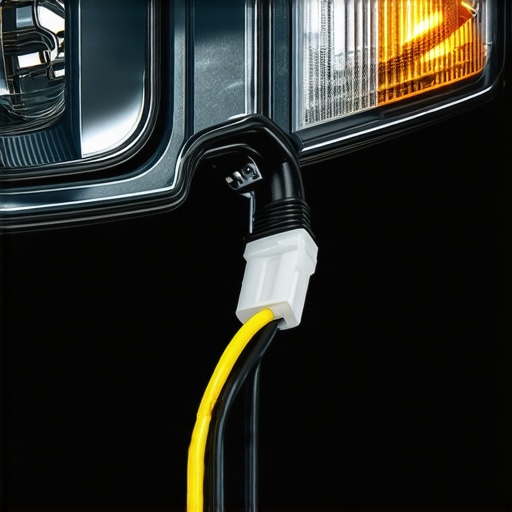
Have you ever been cruising at night, only to notice your headlights flickering like a heartbeat? It’s a small issue that feels insignificant—until it happens again and again. I remember the first time it flared up in my car. I was already annoyed after a long day, and suddenly, my headlights dimmed and brightened with every bump. Frustration set in. I had no idea that a tiny, $10 part could be the culprit, or that fixing it would be so straightforward.
Knowing what causes those flickering headlights can save you hours of frustration, unnecessary repairs, and maybe even a dangerous situation on the road. Today, I want to share with you the secret weapon I discovered—an inexpensive connector that can completely eliminate Headlight flickering—and how you can identify if you’re suffering from the same problem.
The Common Culprit Behind Flickering Headlights
Headlights flickering isn’t just an annoyance; it’s often a sign that your electrical system is stressed or your connections are bad. Many drivers overlook the simple causes—corrosion, loose wires, or a worn-out connector. In my case, I initially blamed the bulbs or the alternator, but those turned out to be red herrings. The real issue was a tiny connector, often overlooked, that acts as a bridge for power. When it gets corroded or loose, it causes intermittent power flow, resulting in flickering.
What’s fascinating is that this little connector, often priced under $10, can be swapped out in less than 15 minutes if you know where to look. It’s a game-changer. Plus, I learned that many of these connectors are common across different car models, making it a universal fix.
To learn more about how your car’s electrical system affects performance, check out [this guide on how transmission overhauls can save money in the long run](https://collisionfixer.com/how-transmission-overhauls-save-you-money-in-the-long-run). Understanding your vehicle’s overall health makes these issues less intimidating.
Have you experienced flickering headlights? Or do you want to get ahead of potential electrical issues? Stick with me, because next, we’ll uncover how to identify and replace that critical connector yourself. Armed with this knowledge, you can save time, money, and the stress of car trouble.
Locate the Problematic Connector
Start by turning on your headlights and observing their flickering. Crawl under the front of your car and identify the wiring harnesses connected to the headlight assembly. Look for the connector that shows signs of corrosion, looseness, or discoloration. In my experience, it’s often found on the ground or near the fuse box. Use a flashlight for better visibility. Once located, disconnect the connector carefully to inspect its condition.
Disconnect and Prepare for Replacement
Before touching any wires, ensure the ignition is off and the keys are removed to prevent any electrical shocks or shorts. Gently unplug the connector by pressing the tab and pulling straight out. If the connector is stuck, wiggle it gently—forcing can damage the wiring. Prepare a new connector by verifying its compatibility with your vehicle, and gather necessary tools like pliers, wire cutters, and electrical contact cleaner.
Clean and Inspect the Connection
 regular car tune-ups.
Many drivers believe that taking their car to the mechanic for a quick check-up is all they need to keep their vehicle running smoothly. However, this seemingly simple mindset often leads to misconceptions that can cost you time and money. One common myth is that only major repairs matter, and routine maintenance is optional. Experts, however, emphasize that neglecting regular tune-ups and minor inspections can accelerate wear and tear, ultimately leading to costly breakdowns. For example, failing to replace a failing transmission fluid early on can cause internal damage that isn’t immediately apparent, but significantly shortens your transmission’s lifespan. A study by the Automotive Service Association highlights that preventive maintenance can extend vehicle life by up to 50%, underscoring the importance of understanding these nuances.
Another often overlooked detail is how some car owners dismiss the significance of proper diagnostic procedures. Rushing to replace parts based solely on symptoms without proper testing can lead to wasted resources. Advanced diagnostic tools and experienced technicians can differentiate between symptoms caused by a failing sensor, wiring issue, or a mechanical fault. For instance, a misdiagnosed problem with the clutch or a defective solenoid can cause similar symptoms but require entirely different repairs. Therefore, trusting comprehensive diagnostics rather than surface-level clues is a nuanced approach that separates amateur fixes from professional solutions.
Make sure to consult credible sources and experts—like those at CollisionFixer—for guidance on when to seek specialized help. Regular tune-ups aren’t just about changing oil; they include inspecting filters, belts, fluids, and electrical connections that often go unnoticed. Remember, catching issues early through expert inspections can save you more than just money—it can prevent dangerous breakdowns on the road. Do you think neglecting routine maintenance is a common mistake? Share your experiences or questions in the comments!
Why is it a mistake to ignore subtle signs of transmission trouble before a major failure?
Many car owners overlook minor transmission symptoms such as slipping gears, delayed engagement, or unusual noises, assuming they are insignificant. However, these signs often indicate deeper issues, like failing solenoids or worn clutch packs, which can deteriorate quickly if unaddressed. According to research by automotive engineers, early intervention can prevent costly transmission rebuilds or replacements. Recognizing and acting on these subtle hints is a nuanced skill that separates seasoned car enthusiasts from casual drivers. Regular diagnostics and maintenance visits are essential, especially as your vehicle ages. For more insights, visit this guide on transmission overhauls and discover how early detection saves money in the long run.
Keeping your vehicle in optimal condition requires more than just regular visits to the mechanic; it demands a set of reliable tools and consistent maintenance practices. As someone who’s deeply involved in auto repair, I can attest that investing in quality equipment and adopting a disciplined routine can save you significant time and money down the road.
The Power of a Good Digital Multimeter
For any DIY car enthusiast or prudent vehicle owner, a high-quality digital multimeter is indispensable. I personally prefer the Fluke 115 because of its durability, accuracy, and ease of use. It helps me quickly diagnose electrical issues, such as testing the alternator’s output or verifying battery health, without resorting to guesswork. Accurate readings prevent unnecessary part replacements and give confidence during troubleshooting, especially when dealing with complex systems like the transmission or electrical wiring.
Regular Use of Engine and Transmission Scanners
Modern vehicles come equipped with numerous sensors, and many problems are silently logged in the onboard computer. I recommend investing in an advanced OBD-II scanner like the BlueDriver. It not only reads generic trouble codes but also provides live data and repair suggestions, making it easier to identify issues early. Scheduling routine diagnostics using such tools, combined with expert guidance from trusted resources like this article on transmission overhauls, prolongs your vehicle’s lifespan and ensures smoother operation.
 the link above can prevent catastrophic failures, especially in transmission and engine components. For example, timely transmission fluid changes using high-quality lubricants reduce wear and avoid costly rebuilds. The key lies in establishing a schedule and sticking to it—think of it as a regimen that keeps your car running like new.
Anticipating Future Trends in Car Maintenance
Looking ahead, the integration of smart sensors and AI-based diagnostic systems will make maintenance even more intuitive. Vehicles will proactively alert you to potential problems, and predictive analytics will suggest precise interventions—saving you money and reducing downtime. Staying abreast of these innovations will empower you to adapt quickly and maintain your vehicle efficiently.
How do I maintain car systems over time?
The best way to sustain your vehicle’s health is through a combination of reliable diagnostics, quality tools, and disciplined maintenance habits. Regularly checking vital components, keeping detailed records, and consulting expert resources like CollisionFixer ensures you’re in control of your car’s longevity. Remember, a well-maintained vehicle not only saves money but also keeps you safe on the road. So, try starting with an advanced diagnostic scan this month—you might be surprised at what you discover and how much you can prevent.
My journey with flickering headlights taught me an invaluable lesson about not overlooking the small details. Often, we fixate on the big components like bulbs or alternators, but the real breakthroughs come from inspecting those tiny, often ignored connectors that hold critical connections together. Recognizing the importance of these small but vital parts has transformed how I approach vehicle troubleshooting, saving time and money while ensuring safety on the road.
Trust me—investing a little time in understanding and maintaining these connectors can make a significant difference, especially since they’re universal across many models. Staying vigilant and proactive about such nuances keeps your vehicle running smoothly and prevents minor issues from turning into major repairs. Remember, in auto repair, the devil truly is in the details, and mastering these can turn a frustrating flicker into a quick fix.
The Hidden Wisdom of Small Connectors You’re Likely Missing
- One of the most enlightening lessons I’ve learned is that many electrical issues stem from corrosion or loose contacts in these tiny connectors, not the more obvious parts. Understanding your car’s wiring nuances helps in diagnosing problems more effectively.
- Another insight is the power of cleaning and properly reseating these connectors. It’s a simple step that can restore perfect function without expensive replacements, reinforcing the importance of regular inspections.
- Finally, I realized that preventive maintenance on these connectors—like applying dielectric grease—can prolong their lifespan, saving future headaches and expenses. Such small habits pay big dividends over time.
Tools and Resources That Changed My Approach
- High-quality multimeter: A trusted tool like the Fluke 115 helps me verify electrical flow accurately, avoiding unnecessary part swaps. Trust is built through reliable readings.
- Diagnostic scan tools: Using advanced scanners like BlueDriver provides insights into hidden issues and guides targeted repairs, making diagnostics more efficient.
- Educational content: Reliable sources such as regular tune-up tips and tutorials empower me to tackle problems confidently and proactively.
- Protective maintenance products: Applying dielectric grease and electrical contact cleaner regularly preserves connections and prevents corrosion.
Take Charge of Your Vehicle’s Future Today
Don’t let small issues linger and turn into costly repairs or safety hazards. Embracing the knowledge of how a tiny connector can impact your headlights—and your entire driving experience—puts you in control. Regular inspections, investing in quality tools, and staying educated will keep your vehicle reliable and safe for years to come.
So, what’s your next step in mastering vehicle maintenance? Start by checking your connectors; you might be surprised how a quick clean and reseat can brighten your driving days. Remember, every small effort contributes to a safer, smoother ride—your car deserves that attention.
Have you noticed a subtle electrical glitch in your car that was caused by a tiny connection? Share your experience below—I’d love to hear how you tackled it or any questions you have about DIY fixes!