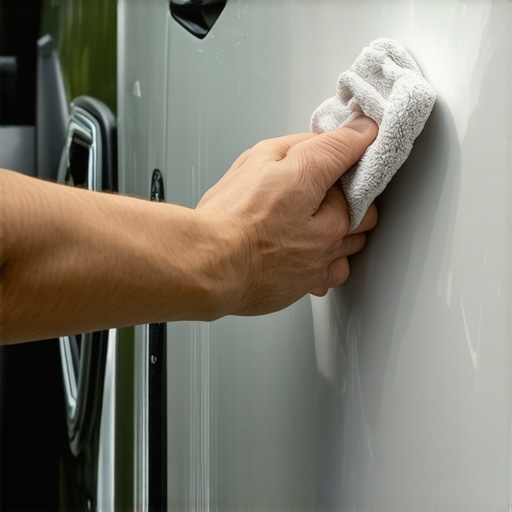
I remember the moment clearly—driving back home after a weekend in the woods, my windows steamed up from the heat. Suddenly, I noticed those glistening sticky spots on my car’s hood—tree sap that had somehow found its way onto my pristine paint. Frustration bubbled up. I had heard stories of folks scratching their paint trying to scrub off sap, ending up with even worse damage. It hit me then: I needed a better way.
The Hidden Damage of Ignoring Tree Sap on Your Car
Sometimes, we think a quick wipe with a cloth is enough. But here’s the thing—tree sap isn’t just a sticky nuisance; if left untreated, it can eat into your clearcoat, causing long-term damage and costly repairs. The key is to remove it properly, without jeopardizing your car’s protective layer. Trust me, I learned this the hard way, making my initial mistake of scraping with harsh tools, which only marred the finish. Now, I’ve figured out how to handle it safely and effectively.
Is It Really Worth the Hype to Use Special Products or DIY Methods?
Here’s the reality—many early attempts involved rubbing alcohol or household solvents, thinking they’d dissolve the sap. While they sometimes work, they can also soften your paint or strip away your clearcoat if you’re not careful. The trick is to understand what your paint can tolerate and to use gentle, proven techniques. My advice? Avoid rushing and never use abrasive tools. Instead, opt for methods that respect the integrity of your paintwork.
Reminding myself of one early mistake—applying WD-40 directly and scrubbing vigorously—serves as a cautionary tale. It temporarily loosened the sap but also left a greasy residue that was just as stubborn to clean. The takeaway? Patience and the right approach are essential.
Next, I’ll share the step-by-step process that finally helped me remove stubborn tree sap without scratching my clearcoat, keeping my car looking showroom fresh. Whether you face this problem now or in the future, mastering this technique will save you time and money—and keep your vehicle’s finish intact.
Prepare Your Workspace and Gather Supplies
Start by parking your car in a shaded area to prevent the cleaning agents from drying too quickly. Gather soft microfiber cloths, a spray bottle with warm water, specialized automotive sap remover or isopropyl alcohol, car wash soap, detailing clay, and a gentle polish. I once tried to remove sap in direct sunlight with household solvents, which caused streaking—that taught me the importance of preparation.
Soften the Sap First
Spray warm water mixed with a few drops of car wash soap onto the affected area. This softens the sap, making it easier to remove without scratching. Let it sit for a few minutes. I remember a scorching summer day when I skipped this step; the sap was stubborn, and I ended up scrubbing harder, risking damage. Moistening helps to lift the sap naturally.
Apply the Sap Remover Carefully
Pour a small amount of automotive sap remover or isopropyl alcohol onto a microfiber cloth. Gently hold the cloth against the sap spot for about 30 seconds. Don’t rub aggressively; let the solvent do its work. I learned that pressing gently avoids damaging the clearcoat, especially on older paint. Use another clean cloth to wipe away the loosened sap, repeating as necessary.
Remove Residue with Detailing Clay
After the sap is dissolved, use a detailing clay bar lubricated with a clay lubricant or soapy water. Gently glide the clay over the area in a back-and-forth motion. This method is like erasing the stubborn stains without abrasives. I once skipped this step and noticed remaining residue, which affected the shine, showing the importance of thorough cleaning.
Polish and Protect the Surface
Once the sap is fully removed, apply a small amount of car polish or wax to restore the gloss and add a protective layer. This seals the paint against future damage. I include this step every time I clean sap, ensuring my car remains glossy and protected. Regular polishing prolongs the paint’s lifespan and keeps your vehicle looking fresh.
Final Inspection and Additional Tips
Inspect the area carefully. If any sap remains, repeat the process. Avoid harsh household chemicals like gasoline or kitchen cleaners—they can strip your clearcoat. Remember, patience is key: rushing can cause scratches or paint etching. For more expert car maintenance tips, check out this guide.
 Many car owners believe that servicing their vehicle is just a routine maintenance task, but this oversimplification masks several nuanced realities. One widespread myth is that all vehicle issues can be fixed with a quick visit to the mechanic, ignoring the importance of diagnosing underlying problems accurately. In my experience, rushing into repairs without understanding the root cause often leads to repetitive, costly fixes, especially with complex components like transmissions. For example, some think that regular oil changes alone preserve engine health, but neglecting transmission fluid maintenance or ignoring subtle signs of wear can accelerate component failure. Ironically, many owners overlook the fact that a properly performed transmission overhaul could save thousands over time—something well-documented by experts in the field.
Are Transmission Repairs Worth the Cost or Just a Money Pit?
Transmission issues are frequently misunderstood; many believe replacing or overhauling a transmission is excessively expensive and unnecessary. However, failing to address early signs of transmission trouble—like slipping or strange noises—can cause more severe damage, resulting in even higher expenses. Regular diagnostics and preventative overhauls ensure longevity and smoother driving, as explained by this expert guide. A common trap is ignoring subtle symptoms, which often resemble minor glitches but are symptoms of deeper problems. To avoid this, monitor for intermittent shifting issues or delayed engagement, and seek professional advice promptly. Remember, many auto repair shops might offer a quick fix but miss the nuanced causes behind these symptoms. Mastering this knowledge can prevent costly breakdowns—saving you money and frustration in the long run. Don’t assume that all repairs are straightforward; understanding the complexity of systems like your vehicle’s transmission underscores why regular, expert tune-ups and diagnostics are vital. For comprehensive insights, check out this resource. Finally, always question the common belief that bigger repairs are unnecessary if the vehicle seems to run okay temporarily. In reality, proactive maintenance based on expert advice extends your vehicle’s lifespan. Have you ever fallen into this trap? Let me know in the comments.Maintaining your vehicle’s performance requires not only understanding common issues but also having the right tools and methods to diagnose and address problems proactively. One essential piece of equipment I swear by is a high-quality OBD-II scanner. Unlike generic code readers, a professional-grade scanner like the Autel MaxiCOM MK808 allows me to dive deeper into engine diagnostics, transmission tests, and ABS brake system checks. This detailed insight helps me catch issues early before they escalate into costly repairs. Regularly updating the scanner’s firmware ensures compatibility with new vehicle models and helps keep diagnostics accurate, extending its usefulness over years of use.
In addition to diagnostic tools, I rely heavily on premium quality lubricants and cleaning agents. For instance, using a dedicated throttle body cleaner improves throttle response by removing carbon buildup, especially after long road trips or heavy city driving. I recommend brands like Berryman’s for their proven effectiveness and gentleness on sensitive components.
To keep the transmission in prime condition, I perform periodic fluid checks and changes using specialized equipment like a transmission fluid pump and flush machine. This prevents common issues like shuddering or delayed engagement, which can otherwise lead to expensive overhauls. According to a detailed guide by this expert resource, regular maintenance can significantly extend the lifespan of your transmission—saving you thousands.
**Smart maintenance doesn’t just rely on physical tools but also software solutions.** I use reputable maintenance tracking apps, such as CarMD or FIXD, which monitor your car’s health through OBD-II interfaces and send timely alerts for upcoming services or detected issues. This integrated approach allows me to plan repairs efficiently, avoiding surprises and ensuring long-term performance.
Looking ahead, the trend in auto maintenance points toward greater integration of IoT devices and remote diagnostics. Vehicles increasingly come equipped with built-in sensors that communicate with mobile apps, making real-time health monitoring accessible to everyday drivers. This evolution will likely lower repair costs and improve reliability, changing how we approach vehicle longevity.
**How do I maintain my car’s systems over time?** The key lies in consistent diagnosis, regular fluid changes, and leveraging advanced tools—like high-quality scanners—paired with software solutions for comprehensive oversight. Incorporate disciplined routines such as checking transmission fluid levels using an [expert guide](https://collisionfixer.com/how-to-check-your-transmission-fluid-without-a-dipstick) and staying ahead of potential issues before they become emergencies.
If you haven’t already, I suggest trying out a professional-grade scanner or maintenance app, like FIXD, to optimize your vehicle’s lifespan. Remember, proactive care with the right tools makes all the difference in keeping your car running smoothly for years to come.
Throughout my experience with vehicle care, I’ve learned that patience and the right knowledge are your best allies. One of the most valuable lessons was realizing that shortcuts often lead to costly repairs. Instead of rushing to fix issues like tree sap stains or transmission quirks, taking the time to apply correct techniques—like using a detailing clay or regular diagnostic scans—saves time and money in the long run. It’s also clear that proactive maintenance, guided by experts and quality tools, can dramatically extend your car’s lifespan. My personal growth came from embracing continuous learning and trusting tried-and-true methods, transforming frustrating problems into manageable tasks that keep my vehicle running smoothly.