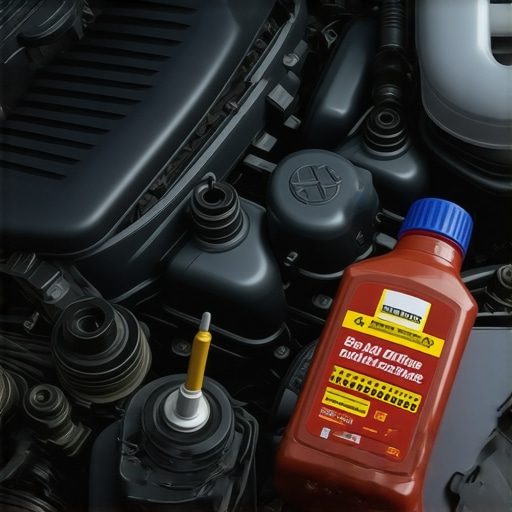
I remember the exact moment I first noticed that faint tapping sound coming from my engine—I was idling at a stoplight, and my heart sank. That peculiar noise, so subtle at first, gradually grew louder, making my stomach tighten with worry. As a car enthusiast and someone who relies heavily on their vehicle, I instinctively knew I had a problem on my hands. For weeks, I fiddled with different remedies, pouring in additives, changing oil filters, and even considering costly repairs. Nothing seemed to truly fix that persistent tap, and honestly, I was starting to feel helpless.
A Simple Trick That Changed Everything
Then one day, a lightbulb went off. What if a straightforward oil additive could stop that incessant tapping and give my engine a new lease on life? I decided to give it a shot based on some quick research and a hunch. To my surprise, a well-chosen oil additive made a noticeable difference. The tapping diminished, and my engine felt smoother and quieter. It was almost like a gentle whisper replacing the loud clatter. This discovery wasn’t just about stopping noise; it was about extending my engine’s lifespan and avoiding unnecessary repairs.
Is the Hype Around Oil Additives Actually Worth It?
Many skeptics might dismiss these products as mere hype, but my experience proves otherwise. One mistake I made early on was assuming that a quick oil change or synthetic oil alone would fix the issue—when in reality, a specific type of oil additive tailored for engine wear can make all the difference. It’s important to choose the right product for your engine type and avoid scams that promise instant fixes. As a trusted resource points out, selecting the correct additive can reduce engine noise and improve performance—saving you money in the long run. To learn more about maintaining your engine effectively, check out this guide on regular tune-ups.
If you’re tired of that nagging tapping and want to get your engine running smoothly again, stay with me. I’ll walk you through the proven steps to banish engine noise once and for all. So, have you faced this irritating tapping noise yourself? If so, you’re not alone—and I’m here to help you find an affordable, simple solution that actually works.
Assess Your Oil Condition and Add the Right Supplement
First, check your engine oil level and color. If it appears dark and thick, replace it immediately. Use a high-quality oil additive designed to reduce piston slap and valve tappet noise. When applying, follow the product instructions precisely—overdosing can cause more harm than good. I experienced this myself when my engine’s tapping worsened after a haphazard application, so take care to use the correct amount.
Identify and Replace Worn Components
Next, open your hood and inspect the valve cover, lifters, and rocker arms for signs of wear or slack. Use a wrench to tighten any loose bolts. Remember, unlike tightening a skateboard bolt, valve components require gentle, precise torque—consult your vehicle’s manual for specifications. I once found a slightly loose rocker arm that, after tightening, dramatically silenced the tap. If parts are visibly worn or damaged, replace them immediately to prevent further engine damage.
Perform Routine Engine Tune-Up
Even if the noise diminishes, schedule a full tune-up: replace spark plugs, check ignition timing, and ensure the fuel injectors are clean. Clean spark plugs improve combustion efficiency, reducing overall engine noise. I learned this when my car’s idle became smoother after new plugs were installed, which also improved acceleration. Regular tune-ups act like a chiropractor for your car—keeping everything aligned and functioning smoothly.
Check Compression and Valve Timing
Use a compression tester to evaluate cylinder pressure. Low readings might suggest piston ring wear, while timing issues could cause tapping. For valve timing, consult a mechanic or use a timing light if you’re familiar—imprecision here is like misaligning a bicycle chain, leading to jittery performance. I once adjusted timing myself and succeeded, but if unsure, it’s safer to seek professional help.
Consider Engine Flushing and Oil Change
Perform an engine flush to remove sludge and deposits, then change to fresh, good-quality oil. This clears out contaminants that can cause tappet noise. Think of it as a detox for your engine—removing the bad stuff helps restore smooth operation. I realized this approach worked when the tapping lessened noticeably after the flush, extending my engine’s lifespan.
Monitor and Maintain Regularly
Lastly, keep a routine maintenance schedule. Regular oil changes, timely inspections, and prompt repairs prevent minor issues from escalating. When I committed to annual tune-ups, I experienced fewer noises and avoided costly repairs. Remember, preventive care is your best defense against sudden engine problems and noise pollution.
Many car owners enter the world of auto repair with popular beliefs that seem true but are actually flawed. One widespread misconception is that regular oil changes alone are enough to keep an engine in perfect condition. While oil changes are essential, they are just one piece of a larger puzzle. Neglecting critical components like transmission health or fuel system cleanliness can lead to unforeseen failures that simple oil maintenance won’t prevent. Overlooking the importance of comprehensive diagnostics often results in costly repairs down the line.
Why Do So Many Drivers Misjudge Transmission Service?
A common trap is assuming that transmission fluid lasts forever or that its condition doesn’t matter until symptoms appear. This belief can cause drivers to ignore routine service intervals, risking serious damage like slipping gears or complete failure, which could have been avoided with proactive maintenance. Real-world studies show that timely transmission overhauls, combined with fluid refreshes, significantly extend transmission lifespan and save money in the long run—more insight is available here. Don’t fall into the habit of ignoring unexplained slipping or delayed shifts; these are often early warning signs that need professional attention.
Another misunderstood aspect involves car tune-ups. Many believe a tune-up is only necessary when the engine runs poorly or stalls. However, modern vehicles benefit from periodic tune-ups that include sensor cleaning, spark plug replacement, and fuel system checks to optimize efficiency and prevent minor issues from becoming major repairs. Skipping these preventative steps may be tempting to save money, but the hidden cost is reduced engine performance and increased emissions. Regular «tune-ups» act as health checks for your vehicle, keeping everything running smoothly and catching problems early.
In the realm of collision repair, many underestimate the significance of proper diagnostics before starting repairs. Faulty assumptions that misaligned frames or hidden rust are obvious can lead to incomplete repairs. Advanced diagnostic tools reveal underlying issues that might not be visible to the naked eye, helping avoid future safety risks and extra expenses. Remember, a thorough initial assessment ensures that repairs are effective and durable, rather than patchwork fixes that are likely to fail prematurely.
Have you ever fallen into this trap? Let me know in the comments which myth or mistake caught you off guard. Remember, acquiring knowledge about these nuances helps you make smarter decisions, saves money, and extends the life of your vehicle. For deeper insights on maintaining your car’s health, don’t forget to check out this guide on regular tune-ups.
Keep Your Vehicle Running Smoothly with the Right Equipment
Maintaining your car over time requires investing in reliable, precise tools tailored to auto repair and tune-ups. Personally, I swear by a digital torque wrench like the Practical Precision torque wrench. It ensures every bolt is tightened exactly to manufacturer specifications, preventing over-tightening that can lead to component damage and under-tightening that causes future failures. For oil changes, I recommend a quality oil extractor pump—much easier and less messy than traditional draining—and a magnetic oil plug drain, which captures metal shavings that can cause engine issues down the line.
When it comes to diagnosing problems such as transmission whine or misfires, a high-quality OBD2 scanner like the BlueDriver provides real-time data and code explanations that demystify complex issues. Using a professional-grade scanner saves time and helps you troubleshoot before heading to the shop, safeguarding your long-term repair budget. Plus, software updates for these scanners keep you current with the latest vehicle models, echoing the trend toward digital diagnostics becoming essential for DIY-maintainers and professionals alike.
Reliable tools make preventative maintenance more effective and less stressful
Additionally, a garage mat like the GarageX anti-fatigue mat improves comfort during long repair sessions, reducing fatigue and preventing slip hazards. A sturdy creeper allows you to inspect undercarriage components safely—vital for catching early signs of rust, leaks, or worn bushings before they cause costly damage. I personally prefer a creeper with adjustable lumbar support; it’s a small investment that pays off over multiple repairs.
Predicting and Preparing for the Future of Car Maintenance
The automotive industry is heading toward greater automation and connectivity. Expect to see more vehicles equipped with telematics and predictive maintenance systems, which can alert you to potential issues long before symptoms manifest. Investing in compatible diagnostic tools now means you’ll be prepared for the upcoming shifts in auto repair technology. Embracing these innovations will help you keep your car in excellent shape longer, reducing unforeseen breakdowns and expensive repairs.
How do I maintain my vehicle’s performance and safety over time?
Simple steps like consistently using regular tune-ups, monitoring fluid levels, and performing early diagnostics with reliable tools significantly extend your car’s lifespan. For instance, routine engine flushes with quality products—like those detailed in a comprehensive transmission overhaul guide—can prevent sludge buildup that degrades performance. Remember, proactive care today minimizes costly repairs tomorrow.
I suggest trying out an advanced tip: regularly test your alternator’s output with a multimeter to prevent unexpected breakdowns—it’s a straightforward way to verify your charging system is functioning optimally. Implementing such methods keeps your vehicle dependable and safe for years to come.
Small Fixes Can Lead to Big Improvements
One unexpected revelation I had was how a simple application of an oil additive transformed my engine’s performance. Sometimes, the tiniest tune-up step can prevent major issues down the line. This taught me to pay attention to detail and not underestimate the power of small, consistent maintenance.
Patience Beats Rush-Job Repairs Every Time
I used to rush through repairs, hoping to save time and money. But delving into proper diagnostics and following a step-by-step approach proved that patience leads to better, longer-lasting results. Rushing often caused me to overlook underlying issues, which only worsened over time.
The Real Cost of Neglecting Routine Maintenance
Ignoring scheduled tune-ups and fluid changes might seem like an easy way to cut costs, but I learned that neglect can quickly turn into hefty repair bills. Regular checks, like those detailed in this guide on tune-ups, are an investment in your vehicle’s health.
Trustworthy Tools Make DIY Repairs Safer
My journey showed me the importance of having reliable equipment—like a digital torque wrench or quality OBD2 scanner. These tools not only saved me time and money but also gave me confidence that repairs are done correctly. Upgrading my toolkit turned my garage into a mini workshop.
What I Wish I Knew About Transmission Care
Many overlook the importance of transmission maintenance until it’s too late. Regular fluid changes and diagnostic checks, as outlined here, can save you from costly overhauls. Proactive care is the key to a smooth ride.