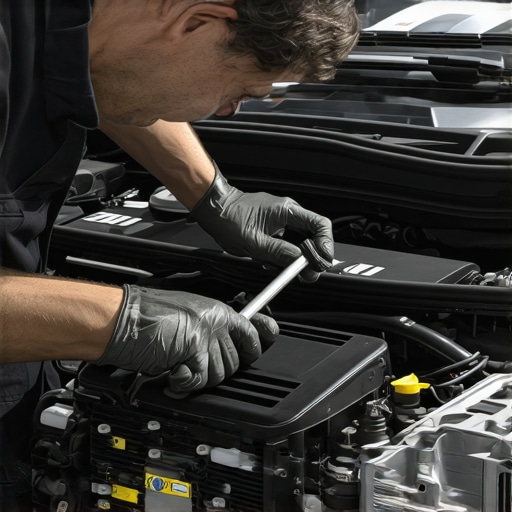
It was one of those mornings when I turned the key to start my car, and instead of the smooth roar I was expecting, my engine lurched, surged, and then sputtered like it was struggling to wake up. I knew that feeling all too well—dread creeping in as I realized I was probably dealing with another stubborn engine surge. You’ve been there too, haven’t you?
Waiting for the mechanic to find the culprit can take days and drain your wallet. But what if I told you there’s a quick, almost effortless fix that you can do in five minutes—yes, just five!—that might just solve your engine surge problem? That’s exactly what I discovered after some trial, error, and a lot of frustration.
In this post, I’m going to walk you through this simple sensor cleaning hack that can smooth out your engine’s idle and restore that silky drive we all love. No fancy tools, no expensive parts, and definitely no hour-long garage appointments.
Stop Engine Surges in Their Tracks With This Quick Fix
Engine surging? It’s one of the most annoying problems that can turn a routine drive into a shaking nightmare. I used to think it was a sign that my car needed a costly overhaul—like a full transmission rebuild or a new fuel pump. But every time I dismissed that idea, I kept running into the same issue.
Eventually, I learned that a lot of engine surges originate from a tiny but crucial part called the Mass Air Flow (MAF) sensor. If this sensor gets dirty or clogged, it sends faulty signals to your car’s computer, causing erratic engine behavior. The good news? Cleaning this sensor is a straightforward fix that I now swear by—something you can probably do in less time than it takes to grab a coffee.
By following a simple cleaning routine, I managed to get my engine running smoothly again. And guess what? It’s a tip you can try too, even if you’re not a seasoned mechanic. It’s a game-changer, and most importantly, it saves you money.
But hold on—what if you’re skeptical? Believe me, I was too, initially. I made the mistake of thinking any car problem had to be complex or costly. I remember just resetting my ECU without cleaning, only to see the surging come back a few days later—classic rookie mistake. That’s why I want you to learn from my blunders and get right to the solution.
If your car has been acting up, not only does this cleaning routine help with engine surges, but it also can improve fuel efficiency and overall performance. Basically, it’s like giving your car a quick health check and reboot.
Ready to see how a five-minute sensor cleaning can make a big difference? Stick around—I’ll guide you step-by-step through the process, and trust me, there’s no need to be a professional to do this right. Plus, I’ll share some tips to avoid common mistakes that can waste your time and money. Want to know more about maintaining your car’s health? Check out how regular tune-ups can extend your vehicle’s lifespan, or explore the warning signs that suggest your car needs professional attention.
Locate the Sensor and Prepare Your Tools
First, find the MAF sensor, typically situated between your air filter and intake manifold. It resembles a small box with an electrical connector. Gather your supplies: a clean cloth, a specialty sensor cleaner (avoid carb or brake cleaner), and safety gloves. I remember the first time I tackled this, feeling like defusing a bomb—precise and cautious, but straightforward.
Disconnect the Battery and Remove the Sensor
To prevent electrical shorts, disconnect the negative terminal of your battery. Carefully unplug the wiring harness from the sensor. Then, unscrew or unclip the sensor from the air intake. Think of it like removing a tiny, delicate piece from a puzzle; gentle work pays off.
Clean the Sensor Elements Effectively
Spray the sensor cleaner generously onto the sensing elements—avoid touching them with your fingers or any tools that could damage the delicate wires. This is where many amateurs slip up by using inappropriate cleaners or scrubbing hard, which can ruin the sensor. I once tried to clean mine with a rag, only to realize I was leaving residue and dirt behind. Following the instructions on the cleaner and being gentle saved me from replacing the sensor prematurely.
Air Dry and Reinstall the Sensor
Allow the sensor to air dry for at least 10 minutes, ensuring all traces of cleaner evaporate. Do not use compressed air or cloth, as static or fibers can harm the sensitive parts. Once dry, reattach it to the intake, secure it properly, and reconnect the wiring harness. Then, reconnect your battery. It’s like giving your engine a spa day—clean, refreshed, and ready to perform better.
Test and Observe Your Results
Start your car and observe its idle and acceleration. The difference might be subtle initially, but you should notice smoother operation and improved responsiveness. If surging persists, repeat the cleaning process or consider professional diagnostics. Remember, a dirty sensor acts like a clogged filter—blocking crucial airflow signals to your engine control unit (ECU). Think of it as trying to breathe through a straw; clearing it out restores normal airflow and performance. For a comprehensive tune-up that extends your vehicle’s lifespan, check out these tune-up tips.
Many car owners assume they understand auto repair basics, but there are nuanced pitfalls and misconceptions that can hinder effective maintenance. One common myth is that frequent oil changes alone will keep an engine in perfect condition; however, neglecting the quality of the oil or the condition of related components like filters and seals can lead to accelerated wear despite regular oil changes. Additionally, many believe that all car services are interchangeable, but a minor tune-up differs significantly from a full transmission overhaul—skipping the appropriate service at the right time can cause costly damages.
An often-overlooked mistake is dismissing subtle warning signs, such as slight vibrations or delayed engagement, which can indicate deeper issues like worn-out bushings or transmission problems. Failing to address these early can escalate repairs into major overhauls, impacting your budget.
How about the myths surrounding transmission repairs? Many think a simple fluid change can fix all shifting issues. While beneficial, transmission rejuvenation might require a comprehensive overhaul to avoid future failures. Dive into [how transmission overhauls save you money in the long run](https://collisionfixer.com/how-transmission-overhauls-save-you-money-in-the-long-run) to see why patience and professional diagnostics matter.
Beware of the trap where car owners trust quick fixes such as cheap diagnostic tools instead of professional evaluations. This shortcut might seem economical but often results in misdiagnosis, leading to unnecessary parts replacement or overlooking critical problems. For instance, a false sense of security from a faulty code reader could delay necessary repairs, worsening the vehicle’s condition.
Furthermore, many underestimate the value of regular [tune-ups](https://collisionfixer.com/maximize-your-cars-lifespan-with-regular-tune-ups), which go beyond changing spark plugs—covering critical aspects like inspecting and replacing timing belts, cleaning sensors, and checking fluid lines. Skipping these steps may cause your engine to underperform or fail prematurely.
### Are You Falling for Oversimplified Auto Repair Solutions?
The truth is, automotive systems are intricate, and tackling issues without expert insight risks compounding problems. Relying solely on online tutorials or generic advice can lead to misdiagnosis and costly mistakes—know that a deep understanding of nuances sets apart a seasoned mechanic from a DIY enthusiast.
It’s worth noting that even experienced technicians can fall into traps, such as misinterpreting diagnostic codes or overlooking underlying issues masquerading as minor faults. Regular professional [car service](https://collisionfixer.com/essential-car-service-tips-for-safe-summer-drives) ensures a comprehensive approach, catching hidden problems before they become emergencies.
Have you ever fallen into this trap? Let me know in the comments. Remember, mastering the nuances of auto repair empowers you to make smarter decisions, prolong your vehicle’s lifespan, and save money in the long run.
Keep Your Vehicle Running Smoothly with the Right Tools
Maintaining your car’s performance over time requires more than just knowledge; it demands reliable tools that can make diagnostics and repairs more precise and less stressful. One tool I personally swear by is a high-quality OBD-II scanner. Unlike basic code readers, my experienced-grade scanner provides depth—showing live sensor data, freeze frames, and even allowing me to clear complex fault codes. For example, when diagnosing a transmission issue, having instant access to transmission fluid temperature and shift data helped me pinpoint a solenoid problem before it became a bigger concern.
Another indispensable item is a digital multimeter. I use mine to verify sensor voltages, check relays, or test for electrical shorts—skills essential for diagnosing everything from faulty alternators to weak batteries. I prefer a multimeter with auto-ranging capabilities, which simplifies testing without fiddling with multiple settings, especially in tight spaces like under the dashboard.
Adopt Proven Maintenance Methods to Extend Your Car’s Life
Regular preventive maintenance is a game-changer. Beyond simple oil changes, I recommend scheduling comprehensive inspections that include checking your tune-up components like spark plugs, air filters, and fluids. Using a sound diagnostic approach combined with your tools helps catch minor issues before they snowball into costly repairs. For instance, noticing irregular idle smoothness with your own senses—weakening engine response, subtle vibrations—can be early signs of sensor or transmission issues.
Future Trends in Auto Maintenance
Looking ahead, vehicle diagnostics are rapidly evolving. The integration of AI-powered diagnostic tools and ultra-connected sensors promises even faster troubleshooting—imagine your car alerting you to component wear before any symptoms appear. As technology advances, mastering the latest software and hardware will become essential for enthusiasts and professionals alike.
How do I maintain my car’s health as systems become more complex?
Staying updated with manufacturer service bulletins, investing in multi-functional diagnostic kits, and regularly consulting trusted resources like expert articles are key. I also recommend integrating remote monitoring devices that track your vehicle’s vital signs—an investment that can save you a lot of headaches later.
Ready to take your auto maintenance to the next level? Try using an advanced OBD-II scanner to read live data during a test drive. It’s surprising how much you can learn about your vehicle’s inner workings with just a few clicks, potentially preventing breakdowns before they happen.
Remember, investing in quality tools and staying educated is how you keep your car reliably on the road for years to come.
Over the years, I’ve realized that the most valuable auto repair insights often come from firsthand experiences and mistakes. For instance, I once underestimated the power of regular sensor cleaning, thinking it was unnecessary until a stubborn engine surge taught me otherwise. That lightbulb moment underscored the importance of paying close attention to the little details—like sensor health—that can dramatically influence your vehicle’s performance.
- The toughest lessons are often the most personal: Learning to trust in the value of maintaining sensors and electrical components transformed how I approach vehicle care.
- Routine checks outperform quick fixes: Skipping regular tune-ups or sensor inspections can lead to compounding issues, costing more in the long run.
- Knowledge empowers decisions: Understanding the nuanced roles of components like the MAF sensor helps avoid unnecessary repairs and downtime.
- Every vehicle tells a story: Listening to subtle signs—strange vibrations, inconsistent idling—can prevent major breakdowns.
My Toolkit for Auto Wisdom
Using the right tools makes all the difference. A professional-grade OBD-II scanner provides real-time insights, revealing hidden faults before they turn into costly repairs. A quality mass air flow sensor cleaner and a reliable multimeter have become my go-to essentials, enabling me to diagnose issues swiftly and accurately without guesswork.
Putting Knowledge into Action
The road to reliable vehicle performance is paved with proactive habits. Regular tune-ups, timely sensor inspections, and attentive listening to your car’s signals transform your auto maintenance from reactive to preventative. As vehicle technology grows more sophisticated, staying educated and equipped is vital to keeping your car performing at its best.
Let Your Car Tell Its Story
Now, it’s your turn. Observe your vehicle carefully, learn its language, and develop a routine that respects its needs. Small, consistent actions—like cleaning a sensor or checking fluid levels—can save you from big headaches later. Remember, your car’s health reflects your attention and care. So, what simple step will you take today to ensure your vehicle runs smoothly tomorrow?
Share your experiences or ask questions below. Together, we can navigate the journey of auto care with confidence and expertise!