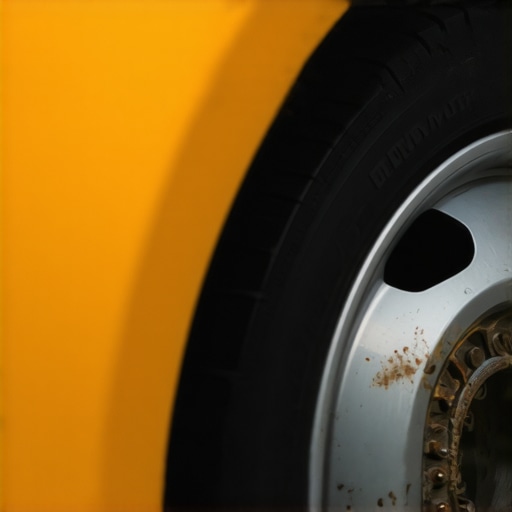
I remember the moment vividly—driving through a rainy weekend, feeling that little twinge of dread when I noticed a strange bubbling under my fender flare. At first, I thought it was just mud, or maybe a bubble in the paint. But soon, I realized it was something far more sinister: hidden rust quietly eating away at my truck. That lightbulb moment taught me a vital lesson: rust isn’t always obvious. Sometimes, it hides right under your nose, camouflaged beneath your fender flares, waiting to cause costly damage if you ignore it.
Why Spotting Rust Early Can Save You Big Bucks
Let me be upfront—rust can be sneaky. It often starts beneath layers of paint and the protective coatings we can’t see without a proper look. If not caught early, that rust can compromise the structural integrity of your vehicle, leading to expensive repairs or even safety issues. I made the mistake early on of only noticing rust when it became a major problem, and trust me, the repair costs were shocking. That’s why I want to help you prevent that nightmare by teaching you how to look for rust hiding under your fender flares.
Is Rust Detection Actually Worth the Hype?
Some folks scoff at the idea of inspecting for rust—thinking it’s just a cosmetic issue. But did you know that rust can weaken critical components like your frame and suspension? According to automotive experts, early rust detection can extend your vehicle’s lifespan significantly. I used to ignore minor bubbling in my fenders, assuming it was nothing. But that was a costly mistake. Learning how to identify the signs early on can save you money and keep your vehicle safer.
Inspect Your Fenders and Undercarriage Regularly
Begin with a hands-on approach—grab a flashlight and a mirror, and examine areas beneath the fenders, especially near wheel wells and along the chassis. Push aside dirt and mud to reveal hidden rust spots. I once used an old toothbrush to scrub away surface debris around my truck’s wheel arches, uncovering a layer of rust that was hiding beneath the paint, which I promptly treated before it spread.
Focus on High-Risk Zones
Prioritize inspecting the lower edges of doors, rocker panels, and cab corners, as these spots are prone to moisture accumulation and salt exposure. During my last check, I noticed bubbling paint at the junction of the door and the rocker panel. Addressing this early saved me from costly repairs later.
Utilize Proper Tools and Techniques for Detection
Use a plastic or wooden scraper to gently probe suspicious areas; if the paint flakes or the metal feels soft, rust has likely begun to develop underneath. An old trick I learned was tapping these spots with a small hammer—hollow sounds indicated deeper corrosion. Remember, surface rust is manageable if caught early, but penetrating rust requires professional intervention.
Check for Color and Texture Changes
Visible signs like reddish-brown stains, blisters, or rough patches signal oxidation. Feel around suspected areas for roughness or sponginess, which indicate rust beneath the surface. Once, I found a tiny blister in my fender’s paint, and upon drilling a small hole, I confirmed rust inside. Treating it immediately prevented it from worsening.
Perform Preventative Measures After Detection
If you discover rust, sand the affected area down to bare metal, then apply rust converter to neutralize the corrosion. Follow with a primer and paint for a cosmetic fix, or better yet, apply an undercoating or rust-proofing spray to prevent future issues. I used a spray-on rubberized undercoat after cleaning my wheel wells, which dramatically reduced rust formation over the next year.
Maintain a Clean Environment
Washing your vehicle regularly, especially after winter or salty conditions, helps remove the corrosive agents that accelerate rust. Be thorough, paying attention to hidden spots. Consider scheduling professional inspections if your vehicle is exposed to harsh environments frequently. For more detailed guidance on vehicle maintenance, visit essential car service tips.
Keep an Eye on Common Problem Areas
Stay proactive by inspecting your vehicle monthly. Focus on areas like the wheel arches, door sills, and undercarriage. Early detection not only extends your vehicle’s lifespan but also saves money on repairs. When I noticed a small rust patch on my rear wheel well, I treated and sealed it immediately, avoiding a much larger repair down the road.
 Many car owners believe that finding the most affordable auto repair shop guarantees quality service, but in reality, cheap prices often conceal hidden pitfalls. Everyone seems to focus on surface-level fixes like quick paint jobs or inexpensive oil changes, yet overlook the importance of comprehensive diagnostics for transmission or engine issues. For example, a common myth is that a slipping transmission is always due to low fluid; however, experienced mechanics understand that internal wear or damaged seals can cause similar symptoms and require specific solutions, as detailed in expert resources. Rushing into cheap repairs without proper inspection can lead to costly breakdowns down the line. Have you ever fallen into this trap? Let me know in the comments.
Equip Yourself with the Right Tools for Long-Term Maintenance
Maintaining your vehicle’s performance over time demands more than just basic instinct; it requires specialized tools that help identify issues early and implement effective repairs. Personally, I rely on a high-quality digital multimeter to monitor electrical systems accurately, ensuring that components like the alternator or batteries are functioning correctly—this tool has saved me from costly surprises and is a must-have in my garage. Additionally, a precision torque wrench is indispensable when working on critical fasteners like wheel lug nuts or transmission components, allowing me to apply the perfect amount of force and prevent damage.
The Power of Diagnostic Software in Auto Repairs
In today’s automotive landscape, OBD-II scan tools have become essential for diagnosing engine codes, transmission issues, or sensor malfunctions. I prefer Bluetooth-enabled diagnostic adapters that connect to my smartphone, facilitating quick and comprehensive scans without lugging around bulky equipment. Apps like Torque Pro or AutoEnginuity offer detailed insights and real-time data, enabling me to spot potential problems before they escalate. This proactive approach aligns with future trends that emphasize smart diagnostics and predictive maintenance, making these tools an investment in your vehicle’s longevity.
Regular Fluid Analysis to Prevent Wear and Tear
Beyond tools, implementing periodic fluid analysis can reveal hidden problems before they affect overall performance. I send samples of my transmission fluid to specialized labs, which test for metal particles and chemical breakdown—all critical indicators of internal wear. This practice, supported by experts in automotive maintenance, helps plan timely interventions such as [transmission overhauls](https://collisionfixer.com/how-transmission-overhauls-save-you-money-in-the-long-run) and tune-ups, ultimately saving money and extending vehicle lifespan. As technology advances, I expect in-house spectroscopic tools to become more accessible, making regular fluid health checks even easier.
How do I keep my repairs effective over time?
Consistency in maintenance and using high-quality products are fundamental. Applying rust-proofing sprays after inspections, replacing worn-out parts promptly, and maintaining a clean environment to prevent corrosion form the backbone of my long-term strategy. Moreover, I recommend utilizing professional-grade lubricants and sealants—like dielectric grease for electrical connectors—to ensure longevity. Routine inspections, as discussed in my essential car service tips, and embracing diagnostic technology help catch issues early, preserving both safety and value.
Looking Ahead: The Future of Car Maintenance Tools
With advancements in AI and machine learning, predictive maintenance is poised to revolutionize the auto industry. Imagine tools that not only alert you to current problems but also forecast future failures based on driving patterns and sensor data. This shift will empower car owners to take preventive actions, minimizing downtime and repair costs. Staying updated with emerging tech—like integrated vehicle health monitors—will be key to mastering maintenance in the years to come. For now, incorporating precise diagnostic tools and regular fluid checks remains the most effective way to keep your vehicle running smoothly.
The Sneaky Lessons that Changed My Approach to Car Care
One of the most valuable lessons I learned is that rust doesn’t always declare itself upfront; it often hides beneath surface layers, silently compromising your vehicle’s safety and longevity. Recognizing subtle signs like tiny bubbles or rough patches can be your first line of defense, saving you from costly repairs down the line. Another insight is that regular inspections and preventive maintenance, such as applying rust-proof coatings, are not optional but essential practices that pay off in the long run. Also, understanding that tools and techniques, like probing with a scraper or tapping with a hammer, can reveal hidden corrosion transformed the way I approach vehicle upkeep. These lessons underscore the importance of paying close attention and acting early—skills that can save your vehicle and your wallet.’ ,