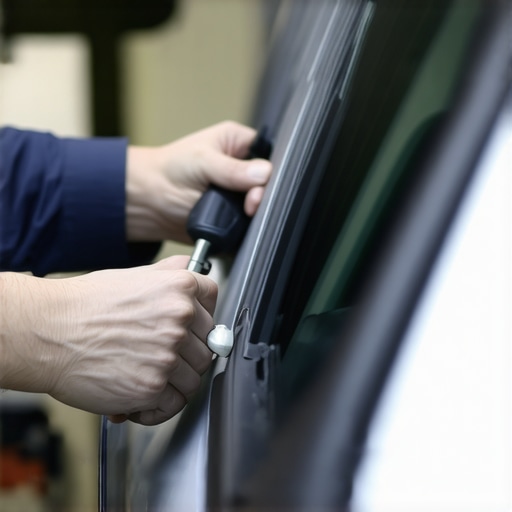
I remember the day my power window refused to work right when I was in a rush. The window was stuck halfway down, and I could almost feel my frustration climbing as I fumbled with the door controls, thinking, “Not today!” It was one of those small but maddening moments that make you realize just how much we rely on these little conveniences. When your power window jams, it’s more than just an annoyance; it’s a disruption to your daily routines, a potential security risk, and a sign something’s amiss with your car’s electrical system.
Why Fixing a Stuck Power Window Matters More Than You Think
Power windows are supposed to make your life easier. A quick press of a button, and up or down—the convenience is undeniable. But when they get stuck, especially unexpectedly, it can leave you feeling helpless and frustrated. Whether it’s rain pouring down or you’re in a hurry to leave, a stuck window can turn into a serious headache.
Understanding the common causes behind power window failures can save you time, money, and a lot of annoyance. Often, the issue isn’t as complex as it might seem; sometimes, a simple tweak or fix is all that’s needed. Plus, taking matters into your own hands can be surprisingly rewarding and cost-effective. In fact, regular auto maintenance—including quick repairs like fixing a stuck window—has been shown to prolong your vehicle’s lifespan. You can learn more about boosting your car’s longevity by visiting this guide on regular tune-ups.
Have you ever experienced that frustrating moment where the window just won’t budge? If so, you’re not alone. Many drivers face this issue at some point or another. The good news is that most are fixable with a simple trick I’ll share below, plus a few easy steps you can do yourself. Keep reading—your window’s new life might be just a few minutes away.
Before diving into the solution, let’s clear up a common misconception. Some folks think you need to replace an entire motor or regulator right away. While that can be necessary in extreme cases, more often than not, a quick fix is all that’s needed. And trust me, I’ve made mistakes early on, like assuming I’d need to shell out hundreds for a replacement when all it needed was a little push in the right direction. It’s a mistake I don’t want you to make.
Ready to get that stubborn window moving again? Let’s walk through the simple trick that could save you time and money.
Remove the Door Panel Carefully
Start by disconnecting the car battery to ensure safety. Use a screwdriver to gently pry off the door panel clips, working from the bottom to avoid breaking them. Once loose, carefully lift the panel away, exposing the window regulator and motor assembly. Remember, patience is key to avoid damaging clips or wiring.
Locate the Power Window Motor and Regulator
Identify the small motor attached to the window’s metal track. This motor controls the movement of the window glass. Check for disconnected or broken wiring harnesses. If wiring looks intact, proceed to test the motor with a multimeter to see if it’s receiving power during operation.
Test the Motor’s Power Supply
Reconnect the battery temporarily and toggle the window switch. Use a multimeter to check if the motor’s terminals receive voltage. If voltage is present but the motor doesn’t turn, the motor may be faulty. If no voltage arrives, the problem could be with the switch or fuse, which you should inspect next.
Manually Realign the Window Glass
Once access is gained, gently push the window glass upward if it’s stuck. Apply even pressure to avoid cracking. If the glass is misaligned in the track, it can cause jamming. Carefully realign it, ensuring it moves smoothly along the track. Sometimes, the window gets caught due to debris or corrosion, which you can clean with a suitable lubricant.
Lubricate the Regulator Components
Spray a silicone-based lubricant onto the window tracks and regulator joints. This reduces friction and prevents future sticking. Avoid petroleum-based lubricants as they can attract dirt and cause buildup, leading to more jams over time.
Check and Replace Faulty Components
If the motor isn’t functioning despite power, replace it with a new or tested used motor. Also, examine the regulator for signs of wear or damage. Replacing a broken regulator can be challenging but is often necessary if the track mechanism is bent or broken. Consider outsourcing this step if you’re unsure—many auto parts stores offer replacement services or tutorials for reference.
Reassemble the Door and Test
Carefully reposition the door panel, securing it with clips and screws. Reconnect any wiring and reinstall the trim. Reconnect the car battery and test the window operation. Ensure it moves smoothly and stops at the desired position without resistance or noise. Repeat the test several times to confirm the fix.
Prevent Future Issues with Regular Maintenance
Keep window tracks clean and lubricated periodically. Avoid forcing the switch if the window is stuck; instead, troubleshoot early to prevent motor burnout. Regular checkups, like those in tune-ups, can help identify electrical faults before they turn into costly repairs.
Many car owners believe that auto repair shops like CollisionFixer are simply places to fix broken parts, but in reality, there’s a lot of nuance that often goes unnoticed. One common myth is that all repairs, especially complex ones like transmission overhauls, are costly and unavoidable. However, understanding the intricacies behind these processes reveals that informed maintenance can significantly prolong your vehicle’s lifespan and save money in the long run. For example, regular tune-ups, which many overlook, prevent minor issues from becoming major headaches
Contrary to popular belief, not every transmission problem warrants a full overhaul; many cases can be resolved with targeted repairs or fluid refreshes, which are more cost-effective and less invasive. Knowing when to opt for a simple fix versus a complete replacement is critical—this is where expert guidance makes a difference. Studies show that proactive maintenance, such as timely transmission fluid changes, reduces the risk of catastrophic failures, proving that prevention beats costly repairs later. To delve deeper into maintaining your vehicle efficiently, check out these tips on maximizing your car’s lifespan with regular tune-ups.
One trap many fall into is assuming that a quick visual inspection suffices before a repair. While visual cues are helpful, a thorough diagnostic is essential. Overlooking subtle signs like uneven tire wear or slight engine vibrations can lead to overlooked issues that escalate. For instance, a failing engine mount can cause vibrations and alignments to go out of spec, mimicking more severe problems. An advanced understanding reveals that sometimes, the root cause is a minor component wearing out, which, if caught early, can be easily replaced. Don’t fall into the trap of assuming all repairs are black and white; diagnostics are key.
Here’s a question for the seasoned DIYer: How can understanding the vehicle’s electronic control systems improve repair outcomes? Advanced systems continually adapt, and recognizing their signals can lead to more accurate fixes. For example, modern cars have sensors that communicate with the engine control module, detecting issues before they manifest as symptoms. Learning to interpret these signals allows for targeted repairs rather than unnecessary parts replacements. Experts suggest that familiarity with these systems can significantly reduce diagnostic time and improve repair success rates. To explore this further, see this resource on interpreting check engine lights and sensor data.
Another common misconception is that car maintenance isn’t necessary if the vehicle seems fine. In reality, neglecting minor tune-ups can lead to severe damage, increased fuel consumption, and hidden safety risks. Routine services like inspecting belts, fluids, and filters, help catch issues early. As noted by automotive experts, regular maintenance reduces the likelihood of unexpected breakdowns by up to 80%, emphasizing the importance of proactive care. For comprehensive advice on staying ahead of potential problems, visit these essential car service tips.Remember, understanding the deeper layers of auto repair enables you to make smarter decisions and avoid costly mistakes. Have you ever fallen into this trap? Let me know in the comments.
Investing in the Right Equipment Makes All the Difference
Keeping your vehicle in peak condition over time requires more than just the basic tools; it demands equipment that ensures precision, safety, and efficiency. I personally rely on a high-quality digital multimeter for diagnosing electrical issues quickly and accurately, which often helps me identify problems before they escalate. Similarly, a reliable torque wrench allows me to tighten bolts—especially critical when working on transmission components or suspension parts—without risking over-tightening or causing damage. These tools have proven invaluable in my ongoing auto maintenance routine, saving me money and time in the long run.
Why I Switched to an OBD-II Scanner
Modern vehicles are equipped with complex electronic systems that communicate diagnostic trouble codes via the On-Board Diagnostics (OBD-II) port. I recommend investing in a professional-grade OBD-II scanner, like the BlueDriver, because it provides comprehensive data—something basic code readers can’t match. From live sensor data to freeze frame information, this device helps me understand underlying issues, facilitate effective repairs, and even clear fault codes with ease. As technology advances, staying updated with such diagnostic tools becomes essential for anyone serious about maintaining their car’s health.
Maintaining Tools for Longevity
Proper storage and regular calibration of your diagnostic equipment prevent inaccuracies and extend their lifespan. I keep my tools in a dedicated toolkit, away from moisture and extreme temperatures, and perform routine calibration checks as recommended by the manufacturer. Additionally, I periodically update my software and firmware, ensuring compatibility with the latest vehicle models and diagnostic protocols. Maintaining these devices properly is a small effort that yields significant benefits over time, especially when dealing with complex systems like transmissions or electrical wiring.
Future Trends: Smarter Tech for Smarter Maintenance
As vehicle electronics become even more integrated and sophisticated, diagnostic tools will evolve toward AI-powered systems capable of predictive maintenance. Imagine software that analyzes your vehicle’s data continuously, alerting you to potential issues before they manifest—saving you from costly repairs and breakdowns. This trend points toward an era where auto repair shifts from reactive to proactive, making regular tune-ups and maintenance not just advisable but essential. To maximize your vehicle’s lifespan, leveraging advanced tools and staying ahead of emerging technology trends is crucial. Check out these insights on regular tune-ups to learn how proactive maintenance benefits your car over time.
How do I maintain my tools so they deliver accurate results year after year?
Regular calibration, proper storage, and updating software ensure your diagnostic tools remain precise and reliable. This investment in your equipment pays off by providing trustworthy diagnostics, especially crucial when inspecting transmission systems or electrical wiring. Remember, tools are an extension of your expertise; keeping them in top condition enhances your ability to perform effective and safe repairs. For detailed guidance on caring for your tools, visit this resource on essential maintenance tips.
Ready to elevate your auto maintenance routine? Try upgrading to a professional-grade OBD-II scanner today and experience the difference it makes in diagnosing and preventing issues before they become costly repairs.
The Hidden Wisdom I Gained About CollisionFixer, Car Service, and Preventive Maintenance
- One key lesson I discovered is that regular attention to minor issues, like a stuck power window, can prevent costly repairs down the line. Addressing these quirks early with simple fixes can save you both time and money, reinforcing the importance of staying proactive with vehicle maintenance.
- Another insight is the value of investing in quality diagnostic tools, such as an advanced OBD-II scanner. These devices empower you to understand your car’s real-time health, allowing for smarter repairs and avoiding unnecessary part replacements—trusting reliable sources has always made a difference in my decision-making process.
- Lastly, learning to interpret the subtle signals your vehicle gives—like unusual vibrations or fluid leaks—can be the difference between a minor fix and a major breakdown. Paying close attention to these signs fosters a deeper connection with your car, making maintenance less of a chore and more of a care routine.
Tools and Resources That Elevate My Auto Care Game
- BlueDriver OBD-II Scanner: This tool’s comprehensive data access and user-friendly interface have transformed how I diagnose issues, enabling me to pinpoint problems quickly and accurately without guesswork.
- Maintenance Schedule Apps: Using apps to track oil changes, inspections, and repairs keeps me organized and ensures I never overlook essential service intervals, which contributes significantly to vehicle longevity.
- Renewable Automotive Knowledge: I regularly consult trusted websites and guides, like CollisionFixer’s advice on maximizing your car’s lifespan with routine tune-ups, which provide insights that keep my understanding fresh and relevant.
- Personal Workshop Toolkit: Investing in quality tools such as torque wrenches and silicone lubricants has made DIY repairs safer and more effective. Proper tools are an investment that pays off over years of dependable vehicle maintenance.
Your Next Move Towards a Smarter Car Maintenance Journey
Remember, maintaining your vehicle isn’t just about fixing what’s broken—it’s about building a relationship with your car through consistent care and informed decisions. Dive into that DIY repair, explore new diagnostic tools, or schedule your next tune-up today—your vehicle’s future depends on it. Are you ready to take control and become your own auto repair champion? Share your experiences or ask questions below—let’s keep the conversation going!