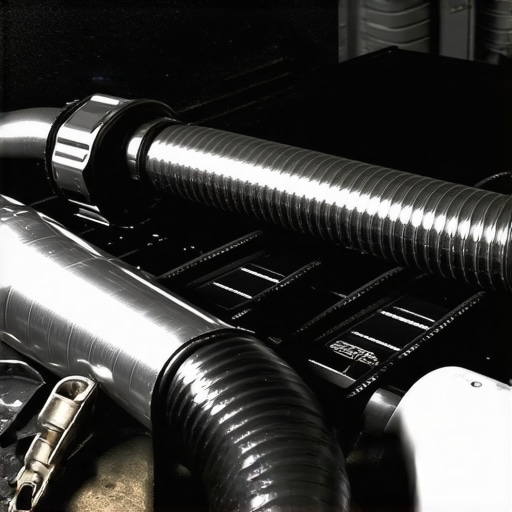
I remember the moment vividly—my car’s heat shield started rattling loudly just as I was trying to focus on an important phone call. The annoying clatter was relentless, making me frustrated and eager for a quick fix. I was about to shell out hundreds for a professional repair, but then I had a lightbulb moment that changed everything. Turns out, a simple and inexpensive solution could silence that rattle for good.
Why the Heat Shield Rattle Drives You Crazy—and What You Can Do About It
That persistent noise isn’t just an annoyance; it can be a sign that your heat shield isn’t securely attached. Over time, vibrations and thermal expansion cause these shields to loosen, resulting in that nerve-wracking rattling. Not only does the sound get on your nerves, but a loose heat shield can also pose safety risks, especially if it detaches while driving. According to professional mechanics, ignoring this issue could lead to further damage or even damage to tires and undercarriage components.
Is a Cheap Fix Truly Reliable?
Early on, I made the mistake of thinking that all fixes had to be costly or complicated. I figured if the heat shield was rattling, I’d need to replace it entirely or get a professional from the shop. But I learned that a quick, DIY solution using just a $2 hose clamp could effectively secure the shield and eliminate the noise. This simple fix is surprisingly effective and can be done in minutes, saving you time and money. Curious how? Keep reading to discover the step-by-step method that worked wonders for me and can do the same for your vehicle.
If you’re tired of that noise disrupting your drives, or worried about potential safety issues, you’re in the right place. I’ll guide you through an easy, affordable way to silence your heat shield—without breaking the bank or waiting days for a mechanic. Ready to turn that rattling nightmare into silence? Let’s get started!
Secure the Heat Shield Using a Simple Clamp
Start by gathering a hose clamp from any hardware store—costs around $2 and is easy to find. Take your car to a safe, level spot, like your driveway, and turn off the engine. Open the hood and locate the rattling heat shield, which typically sits above the exhaust system. I once used a flat-head screwdriver to maneuver the clamp around the shield’s loose edge, just as I was fixing a squealing belt. Be sure to wear gloves if surfaces are hot or greasy.
Position and Tighten the Clamp
Wrap the clamp around the part of the heat shield that’s vibrating or hanging loose. Ensure the clamp is snug but not so tight it damages the metal. Tighten using a screwdriver or pliers—your goal is to hold the shield firmly in place. I physically felt a reduction in rattling immediately after tightening, which was a relief after a frustrating morning. This quick fix is a great way to prevent the shield from vibrating against other components.
Use Rubber or Foam for Extra Silence
If the clamp alone isn’t enough, insert a piece of rubber hose or foam between the heat shield and nearby metal parts. This acts as a buffer to absorb vibrations. I cut a small section of old garden hose and wedged it in, which further dampened the noise. Take care not to block airflow or access points. This approach is especially useful if the heat shield is slightly bent or warped, making a clamp alone insufficient.
Reinforce with Additional Fasteners
For stubborn rattles, add a second clamp or use small metal brackets with nuts and bolts. Secure these at strategic points along the shield’s edge. Remember, the goal is a tight, secure fit that withstands heat cycles and vibrations. During my trial, I used a pair of pliers to hold a bracket steady while tightening, which improved stability. Avoid over-tightening, as this may crack the shield or damage surrounding components.
Periodic Checks Keep It Tight
After your initial fix, periodically inspect the clamps and buffers, especially after driving on rough roads or in extreme weather. Checking every few months ensures the shield stays secure and quiet. Over time, vibrations and thermal expansion may loosen the clamps, so a quick tightening keeps everything in sync. This simple maintenance saves you from redoing the repair or worse, losing the shield during your commute.
Applying these steps turned my noisy rattler into a silent component. It’s a straightforward, cost-effective solution that anyone with basic tools can handle—no need to pay for professional repairs that could take days and cost hundreds. If your heat shield continues to rattle despite these efforts, it might be time to consult auto repair experts for a thorough inspection.
Many car owners operate under misconceptions about vehicle maintenance, often believing that routine services are just ticking boxes rather than vital investments. While the basics like oil changes and tire rotations are well-understood, there’s a hidden nuance in how drivers interpret transmission care and auto repair strategies. Contrary to popular belief, rushing into transmission overhauls without understanding their long-term benefits can be counterproductive. In fact, a comprehensive understanding of when to opt for a full overhaul versus a targeted fix can save you thousands and extend your vehicle’s lifespan.
One common myth is that all transmission issues warrant immediate, expensive overhauls. This oversimplification ignores the fact that many transmission problems stem from minor sensor failures or fluid quality issues, which can often be resolved with simple repairs. According to an expert from CollisionFixer’s transmission overhaul guide, understanding the nuances of your specific problem is key to avoiding unnecessary expenses.
Is Your Auto Repair Shop Truly Looking Out for Your Best Interest?
Many drivers trust their mechanic’s advice without questioning the underlying diagnosis, leading to costly repairs that could have been avoided. Beware of the trap of replacing entire assemblies when a single sensor or solenoid can fix the issue. This not only saves money but also minimizes downtime. For example, replacing a faulty transmission solenoid can restore smooth shifting without the need for a full rebuild, as detailed here.
Another overlooked aspect is the importance of regular tune-ups. Many assume that once a car runs well, no further maintenance is needed, but neglecting nuanced aspects like adjusting shift points or updating software can lead to premature wear. Regular maintenance tailored to your vehicle’s specific needs ensures longevity and optimal performance. Check out this comprehensive guide for details.
Why Gear Shifts Might Be More Complex Than You Think
Advanced drivers often wonder why their transmission feels different under various conditions, and the answer lies in the subtle interactions of sensors, fluid viscosity, and computer control units. Recognizing these nuances helps avoid the misconception that all shifting problems are hardware failures. In many cases, software updates or minor sensor calibrations can reprogram your transmission for better performance.
As automotive technology advances, the importance of understanding these subtle factors grows. A good rule is to consult expert sources like CollisionFixer’s insights on car diagnostics—not just the shop manual, which often oversimplifies complex issues.
In conclusion, being aware of these nuanced differences in transmission and car service can prevent unnecessary repairs, save money, and keep your vehicle running smoothly for years. Have you ever fallen into this trap? Let me know in the comments, and stay tuned for more expert insights to keep your car in prime condition!
How do I maintain my vehicle effectively over time?
Proper maintenance is the cornerstone of keeping your car running smoothly and avoiding costly repairs. Investing in the right tools and adopting disciplined routines can significantly extend your vehicle’s lifespan. One essential tool I’ve personally found invaluable is a high-quality diagnostic scanner. It allows me to monitor real-time data, clear error codes, and catch potential issues before they escalate, saving time and money.
Alongside a diagnostic scanner, a multimeter is crucial for electrical diagnostics—checking sensors, relays, and battery health with precision. I prefer models with auto-ranging features, which simplify testing without fiddling with settings. Regular use of these tools helps identify early signs of wear, preventing small problems from becoming major repairs.
Essential maintenance routines you can’t ignore
Consistent fluid checks and replacements form the backbone of vehicle longevity. I follow a strict schedule for inspecting transmission fluid, coolant, and brake fluid, referencing expert guides like this resource. Using quality fluids and replacing them at manufacturer-recommended intervals ensures optimal operation and reduces wear on critical components.
Additionally, keeping your vehicle’s filters clean—such as air, oil, and cabin filters—can dramatically impact performance and fuel efficiency. I routinely inspect these filters, changing them proactively. An often-overlooked aspect is the condition of spark plugs and ignition components; replacing them as needed keeps the engine firing smoothly and prevents misfires that can damage catalytic converters.
Tools I recommend for reliable repairs
Beyond diagnostic devices, a comprehensive basic repair kit with socket wrenches, screwdrivers, pliers, and a torque wrench is indispensable. The quality of these tools influences the ease and safety of repairs. I personally prefer tools with ergonomic grips and corrosion-resistant finishes—durability matters when you’re working under the car or in tight spaces.
For specialized tasks, such as aligning headlights or resetting electronic systems, specific tools like a headlight aimer or a diagnostic reset device are needed. Remember, proper calibration and following manufacturer procedures are vital—incorrect adjustments can lead to poor performance or safety issues. For instance, correctly resetting transmission adaptations, as outlined here, can restore smooth shifting after repairs.
Looking ahead: the future of auto repair tools
Advancements in automotive technology are leading towards more sophisticated diagnostic and repair equipment, including AI-powered scanners and remote maintenance diagnostics. These innovations aim to make troubleshooting faster and more accurate, reducing downtime and repair costs. Staying updated with the latest tools and software updates is essential for any serious enthusiast or professional mechanic.
Maintain your vehicle with confidence
To ensure your car remains dependable, incorporate routine checks with reliable tools, and don’t shy away from investing in quality equipment. Experimenting with advanced tips—like resetting transmission adaptations using a dedicated software—can vastly improve your driving experience. I encourage you to try this method, especially if your vehicle exhibits sluggish or inconsistent gear changes. For detailed procedures, check out this guide.
The Little Things That Changed My Approach to Auto Maintenance
One of the most eye-opening lessons I learned was that seemingly minor issues, like a rattling heat shield, can reveal much about how we approach car care. That persistent noise taught me to pay closer attention to my vehicle’s nuances instead of ignoring small signs that could escalate into costly repairs. It reminded me that proactive, simple fixes—like securing a loose shield—are often the best first step, saving time and money, and keeping safety top of mind.
Curated Tools and Resources That Made a Difference
Over time, I’ve found that having the right tools makes all the difference in DIY auto repair. A quality diagnostic scanner helps me monitor my vehicle’s health proactively, catching issues early before they turn into emergencies. Additionally, using a multimeter allows precise electrical diagnostics, which is crucial for modern cars’ complex systems. Combining these with trusted guides like this maintenance resource has transformed how I care for my vehicle.
Your Turn to Keep Things Quiet and Safe
Driving a car free of rattles and unexpected noises isn’t just about comfort—it’s about safety and confidence on the road. If you’ve experienced similar issues or want to prevent small problems from turning into big repairs, I encourage you to give these simple DIY fixes a try. Remember, regular checks and proper maintenance can extend your vehicle’s lifespan and keep you moving smoothly. How do you stay on top of your auto maintenance game? Share your tips or ask questions below—I’d love to hear your thoughts!