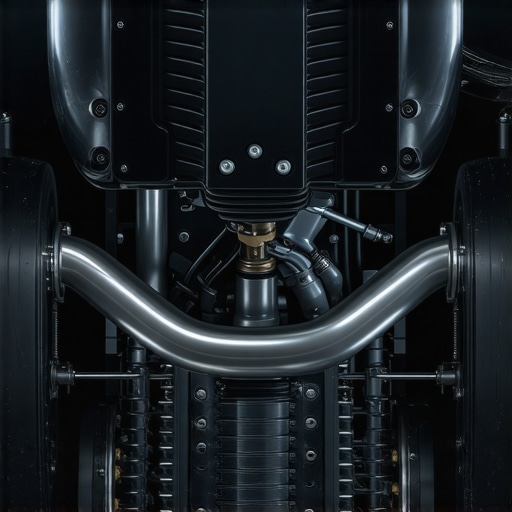
It happened to me on a scorching summer afternoon, stuck in traffic with my AC blasting, when suddenly a dreadful smell hit me—like rotten eggs, sulfurous and overwhelming. At first, I thought it was just some weird odor from outside, but as I accelerated uphill, the foul stench intensified. It was a lightbulb moment—my car was telling me something was seriously wrong. If you’ve ever been ripped out of your driving groove by that sulfurous smell under load, you’re not alone. Today, I want to share exactly what causes this issue, how I finally diagnosed and fixed it, and more importantly, how you can prevent it from ruining your drives.
Understanding the Sulfur Smell When Your Car Is Under Stress
Why Does My Car Smell Like Rotten Eggs When I Push It Hard?
Imagine you’re cruising along, enjoying your favorite playlist, when suddenly, this pungent odor hits you—especially noticeable when you’re climbing a hill or carrying a heavy load. That smell is usually linked to the catalytic converter, a vital part of your exhaust system. When the converter isn’t functioning properly, it doesn’t convert harmful gases into less noxious fumes efficiently. This inefficiency leads to the accumulation of hydrogen sulfide—think of it as rotten egg gas—being released into the atmosphere and, unpleasantly, into your car’s cabin.
In my early days of auto repair, I made a common mistake—ignoring the signs and assuming it was just a quirky smell. That was a rookie error. Over time, I learned that a failing catalytic converter can cause this odor especially when stressed because high exhaust temperatures can exacerbate its malfunction. Interestingly, according to automotive experts, this smell can also indicate that your engine is running rich, meaning fuel isn’t burning properly, which puts extra strain on your catalytic system.
If you’ve noticed this issue, don’t dismiss it as a minor annoyance. It can point to underlying problems that, if left unaddressed, may lead to more severe damage or even emissions failure. The good news? Many causes are fixable with the right diagnostics and attention.
Before jumping into repairs, let’s clarify some doubts you might have, especially if you’re wary about the authenticity of this diagnosis or worried about the cost. But first, are you experiencing this sulfurous smell when your vehicle is under load? If so, keep reading. I’ll guide you through the next steps to pinpoint and resolve the problem efficiently, saving you money and preserving your car’s health.
Now, let’s explore what specific issues could be behind that rotten egg smell and how you can tell if it’s time to see a professional.
Test Your Exhaust System Carefully
Start by performing a visual inspection of your catalytic converter and exhaust pipes. Look for obvious damage, soot buildup, or loose fittings. I once spotted a cracked converter after a quick roadside inspection, which was causing the smell. To be thorough, run your engine and listen for unusual noises or rattles that might indicate internal damage. If you notice cracks or leaks, replacing the catalytic converter is necessary. For detailed guidance, visit https://collisionfixer.com/essential-car-service-tips-for-safe-summer-drives.
Use a Scan Tool to Detect Errors
Connect an OBD-II scanner to identify trouble codes related to your engine or emissions system. Codes like P0420 or P0430 often indicate catalytic converter issues. I borrowed a scanner from a local auto parts store and found a pending code suggesting inefficiency. Clearing these error codes after repairs confirms the fix is effective. For purchasing or renting a scanner, visit https://collisionfixer.com/contact-us.
Inspect and Replace Oxygen Sensors
Oxygen sensors upstream and downstream of the converter monitor exhaust gases. Faulty sensors can cause improper fuel mixture, leading to excessive sulfur smell. I replaced a failing sensor, which immediately improved engine performance and reduced the odor. Follow the manufacturer’s instructions for sensor replacement, and use anti-seize compound on the threads. More details can be found at https://collisionfixer.com/how-to-clean-a-dirty-mass-air-flow-sensor-in-minutes.
Adjust Fuel Mixture and Engine Settings
If your engine runs rich—meaning too much fuel is entering—you’ll notice the smell worsening under load. A tune-up can optimize fuel injectors, air filters, and spark plugs. I performed a basic tune-up, replacing plugs and cleaning injectors, which lessened the sulfur smell during hills. Regular maintenance like this not only prevents odors but extends your engine’s lifespan. Check https://collisionfixer.com/maximize-your-cars-lifespan-with-regular-tune-ups for detailed tune-up protocols.
Consider Professional Exhaust System Service
If DIY diagnostics and tweaks don’t solve the problem, visiting a trusted mechanic is wise. Professionals can perform smoke tests to locate leaks and ensure your catalytic system functions correctly. Based on my experience, a professional overhaul of the exhaust system cost less in the long run than multiple band-aid fixes. Keep your vehicle in top shape by scheduling regular inspections, especially before long summer drives. For insights on car care, see https://collisionfixer.com/essential-car-service-tips-for-safe-summer-drives.
Many car owners believe that following basic maintenance schedules is enough to keep their vehicle running smoothly, but this common misconception often leads to overlooked nuances that can cause serious issues down the line. For example, a frequent mistake I see is assuming that all repairs and tune-ups are created equal—when, in reality, the quality of service and the technician’s expertise play critical roles in your car’s longevity. Skipping advanced diagnostics or neglecting transmission health can be costly, especially since many drivers aren’t aware of the subtle signs that indicate deeper problems. A well-executed transmission overhaul, for instance, can actually save you money over multiple smaller repairs, a fact supported by industry expert insights. Instead of just sticking to routine oil changes, investing in comprehensive diagnostics ensures that hidden issues, such as sensor failures or internal component wear, are addressed before they escalate. Curious about how to identify the signs of transmission trouble early? Dive into the details at https://collisionfixer.com/how-transmission-overhauls-save-you-money-in-the-long-run. Also, many assume that a mechanic is only necessary for major repairs, but regular checkups by qualified professionals help catch issues like early transmission shudder or slipping that you might otherwise miss, prolonging your vehicle’s lifespan. Be wary of inexpensive quick fixes that may only mask symptoms, as these can often lead to more severe damage—you’re better off trusting expert diagnostics to ensure lasting repairs. In the realm of collision repair and regular auto maintenance, understanding these nuances ensures your car remains reliable and safe, especially before planning those summer road trips. For a detailed guide on maximizing your vehicle’s lifespan, visit https://collisionfixer.com/maximize-your-cars-lifespan-with-regular-tune-ups. Remember, getting the right advice and expert service helps prevent costly mistakes and keeps your car performing at its best. Have you ever fallen into this trap? Let me know in the comments.Maintaining a vehicle’s optimal performance requires more than just routine oil changes; it involves investing in the right tools and understanding practical maintenance methods. I personally rely on a set of highly specific equipment to diagnose and resolve car issues efficiently, ensuring that my auto repair process is effective and cost-efficient.
Essential Diagnostic Tools for Auto Enthusiasts
One of my go-to instruments is an OBD-II scanner, like the Autel MaxiCOM MK808. It’s invaluable for quickly identifying trouble codes related to emissions, transmission, or engine troubles. I choose this model because of its comprehensive diagnostic capabilities and user-friendly interface, which allows me to pinpoint issues without guesswork. For example, if you’re dealing with a sulfur smell under load, the scanner can reveal if oxygen sensors are faulty or if the catalytic converter is failing—saving hours of guesswork.
High-Quality Hand Tools Make the Difference
When tackling repairs like a transmission overhaul or tune-up, using durable, quality hand tools is non-negotiable. I prefer a set of Craftsman metric sockets and ratchets because of their reliability and ergonomic design. These tools allow for precise work on tight spaces, such as replacing sensors or servicing fluid lines. Investing in a hydraulic jack and proper safety stands is also critical for working safely underneath the vehicle. Remember, a safe workspace enhances efficiency and prevents accidents.
Long-Term Maintenance with Precision Equipment
For ongoing maintenance, tools like digital oil analyzers help monitor oil quality, indicating when a fluid change is truly needed—beyond the regular intervals. Such proactive monitoring extends the lifespan of sensitive components like your transmission and engine. Additionally, I use ultrasonic leak detectors to find elusive exhaust or vacuum leaks, especially when diagnosing sulfur smells that change with load—preventing minor issues from evolving into costly repairs.
Forecasting the Future of Car Maintenance Tools
Looking ahead, the trend is moving toward smarter diagnostic systems integrated with vehicle telematics, enabling remote health monitoring and predictive maintenance. These innovations promise to make car upkeep more proactive, minimizing downtime and repair costs.
How Do I Maintain Tools and Keep Them Functional Over Time?
Proper storage and regular calibration are key. I dedicate time monthly to cleaning and organizing my diagnostic and repair equipment, ensuring accuracy and longevity. Using protective cases for sensitive electronics and replacing worn-out hand tools prevents malfunctioning when you need them most. Regular calibration ensures that diagnostic tools provide reliable readings—crucial when diagnosing complex issues like transaxle problems or sensor failures. For in-depth maintenance guidance, visit https://collisionfixer.com/maximize-your-cars-lifespan-with-regular-tune-ups. Remember, investing in quality tools and diligent upkeep can save you significant time and money, especially when dealing with critical components like transmission or ignition systems. Want to take your auto maintenance game to the next level? Try upgrading to an ultrasonic leak detector—it’s a game-changer for diagnosing hard-to-spot exhaust or vacuum leaks efficiently.
Lessons the Road Taught Me That No Workshop Will Share
One of the deepest insights I gained from diagnosing my sulfur smell is the importance of listening closely to your vehicle’s subtle signs. Sometimes, it’s not about replacing parts but understanding how everything connects — like how a faulty oxygen sensor or a clogged catalytic converter can give warning signals if you pay attention.
Another revelation was realizing that DIY diagnostics, like using an OBD-II scanner, can be incredibly empowering. They not only save money but also deepen your appreciation for your car’s intricate systems. Yet, I also learned that some issues demand professional expertise, especially when exhaust leaks or internal converter damage are involved, emphasizing the balance between DIY and professional help.
Lastly, consistent maintenance isn’t just routine; it’s a proactive shield against unexpected breakdowns. Regularly inspecting, cleaning, and updating components can prevent minor issues from escalating into costly repairs, prolonging your vehicle’s health and your driving joy.