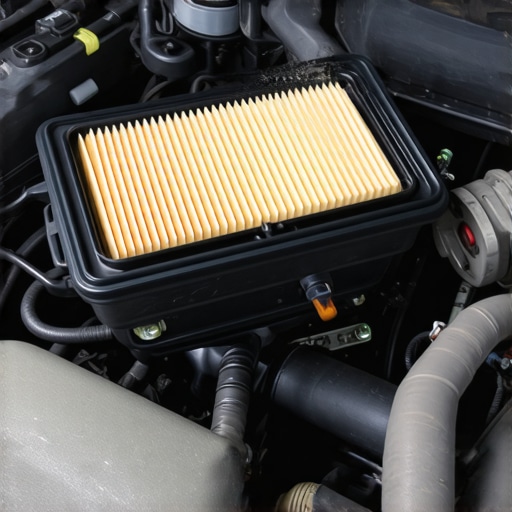
It was early morning, and I was on my usual drive when suddenly, my engine started hesitating—like it was fighting to keep going. That unsettling stumble, that brief flicker of hesitation, made me realize I’d overlooked a sneaky culprit that could be quietly wrecking my engine’s performance. If you’ve ever experienced your car jerking or losing power without warning, you’re not alone. Today, I want to shed light on a little-known issue—something I wish I knew earlier—that can cause your engine to stumble unexpectedly.
Why Ignoring This Hidden Filter Could Cost You More Than You Think
Most drivers focus on obvious problems like worn spark plugs or dirty fuel injectors, but there’s a less obvious, yet critical component that often gets neglected: a hidden filter secretly sabotaging your engine’s rhythm. This tiny filter, often overlooked during routine maintenance, plays a crucial role in keeping your engine running smoothly. When it gets clogged or blocked, it restricts airflow or fuel flow, leading to that unmistakable stumble or hesitation. Trust me, I made the mistake early on of dismissing small irregularities, thinking they were insignificant. But ignoring signs of a clogged filter can lead to costly repairs down the line.
Research shows that efficient airflow and fuel delivery are essential for optimal engine performance. According to a study published in the Journal of Automobile Engineering, even minor restrictions in these systems can reduce engine efficiency by up to 15%, increasing fuel consumption and wear on engine components. That’s why understanding and maintaining this hidden filter can save you money and frustration in the long run.
Is This Tiny Blocker Really Worth the Hype?
Now, I know what you might be thinking—”Is this really a big deal? Or just another mechanic scare tactic?” Honestly, I was skeptical too, until I experienced it firsthand. The truth is, this little filter is often dismissed because it’s tucked away and easy to forget. But once clogged, it dramatically impacts engine performance, creating a rough idle, sluggish acceleration, and even increasing emissions. It’s a small part, but a big problem if neglected. If you’ve recently noticed your car misfiring or idling rough during warm-up, this could very well be the culprit.
Early on, I made the mistake of waiting too long to address this issue, which resulted in a costly visit to the shop. That’s why I always emphasize the importance of regular tune-ups and inspections, especially before long trips or after major engine work. For some practical tips on keeping your engine in top shape, check out our guide on maximizing your car’s lifespan with regular tune-ups.
So, if your engine’s hesitation feels familiar, don’t dismiss it. We’ll go through simple steps to identify and clear this hidden filter to restore that smooth drive we all crave. Ready to take control of your engine’s health? Let’s dive into how you can spot and fix this sneaky issue before it costs you more than just a rough ride.
Locate the Hidden Filter First
Start by opening your vehicle’s hood and identifying the air intake system connected to the engine. The filter you’re looking for is usually tucked away near the air filter housing, often in a small, easily accessible compartment. I remember a time I spent an hour searching under the hood before realizing the filter was behind the engine bay cover. Use a flashlight to illuminate tight spots and look for a rectangular or circular plastic casing.
Gather Necessary Tools and Supplies
You’ll need a screwdriver to remove the filter cover, gloves to keep your hands clean, and a clean cloth or compressed air to clean the filter. For a deeper clean, a mild soap solution and water are essential. Remember, never use harsh cleaning agents that could damage the filter material. When I last cleaned mine, I used a soft brush and a gentle soap-based cleaner, which restored proper airflow without damaging the filter.
Remove and Inspect the Filter
Carefully unscrew or unclip the filter housing. Gently lift out the filter, noting its orientation for correct reinstallation. Examine the filter for signs of excessive dirt, oil buildup, or damage—like tears or holes. A clogged or damaged filter will hinder airflow, causing your engine to struggle. I once overlooked a small tear in the filter, which resulted in more dirt entering the engine and eventually costly repairs. Replacing a damaged filter is a small investment that pays off.
Clean or Replace the Filter Appropriately
If the filter is reusable, like a foam or cotton type, wash it gently in soapy water and let it dry completely—this prevents mold and bacteria buildup. For paper or synthetic filters, replacement is the only option; do not attempt to clean these filters, as cleaning can damage their filtering properties. I once tried to spray compressed air into a paper filter, but it only shredded the material further—lesson learned. Always follow the manufacturer’s recommendations for the best results.
Dry and Reinstall the Filter
Ensure the filter is completely dry before reinserting it to prevent moisture from entering the intake system. Once dry, slot it back into position, aligning it with the airflow direction indicated on the filter frame—incorrect orientation can reduce efficiency. Secure the cover or clips tightly to prevent unfiltered air from bypassing the filter. I recall a time when I forgot to tighten the clips, causing unfiltered dust to enter the engine, which I realized after noticing a rough idle.
Check Your Work and Test Drive
Start the engine and listen for unusual sounds. Observe if the engine revs smoothly without hesitation. If everything sounds normal, take your car for a short drive to confirm performance has improved. Pay attention to acceleration and idle quality. If problems persist, revisit the filter installation or consider inspecting other related components like the mass air flow sensor. Regularly maintaining this hidden filter can significantly extend your engine’s lifespan, which you can learn more about in our guide on maximizing your car’s lifespan with regular tune-ups.Many car owners believe they understand the essentials of auto repair, transmission care, and regular tune-ups. However, several misconceptions persist that can lead to costly mistakes. For instance, a widespread myth is that changing transmission fluid is unnecessary until a problem appears. In reality, proactive transmission maintenance—like following recommendations from experts such as Collision Fixer—can prevent major issues and save you money in the long run. Overlooking subtle signs of wear or assuming that all car service centers follow strict quality standards can leave your vehicle vulnerable to hidden damage.
A common pitfall is trusting quick fixes or shortcuts, which may temporarily mask symptoms but often exacerbate underlying problems. For example, attempting to fix a shuddering transmission without a proper overhaul or diagnostic can cause engine stress and further damage, as discussed in our detailed guide on how transmission overhauls save money over time.
One nuanced aspect many overlook involves the importance of detailed diagnostics. Bright flashing check engine lights or subtle vibrations often signal deeper issues that generic repairs can’t resolve. This is why consulting with specialists like Collision Fixer ensures precise assessments—rather than relying solely on intuition or surface-level repairs.
Precisely identifying the root cause of your vehicle’s problems—whether it’s a hidden vacuum leak, faulty sensor, or worn-out component—demands experience and a thorough understanding of advanced repair nuances. For instance, misdiagnosing a transmission issue as a simple fluid leak can lead to incomplete fixes. Recognizing these subtleties helps prevent recurring problems and extends your vehicle’s lifespan.
Remember, regular maintenance tailored to your car’s specific needs isn’t just about adding fluids or replacing parts—it’s about understanding the complex interplay of vehicle systems. Inaccurate assumptions or neglecting lesser-known repair pitfalls risk turning minor inconveniences into major expenses. To stay ahead, approach auto repair with an informed perspective, backed by expert advice and meticulous diagnostics. Curious about more hidden nuances? Check out our comprehensive tips on essential car service tips for safe summer drives.
Have you ever fallen into this trap? Let me know in the comments and share your experience with car repair surprises.
Keeping Your Vehicle Reliable: The Tools and Strategies I Trust
Maintaining a vehicle for long-term performance requires more than just regular oil changes; it demands precision tools and disciplined routines. One of my core beliefs is that investing in quality equipment, such as a high-accuracy multimeter, has transformed my approach to diagnostics. I rely on a Fluke 115 multimeter because of its durability and precise readings, which are crucial when troubleshooting electrical issues like alternator or battery problems. Additionally, a reliable obd2 scanner—like the BlueDriver—allows me to quickly identify and clear diagnostic trouble codes (DTCs), streamlining the repair process.
Beyond tools, I emphasize the significance of a well-maintained set of hand tools—ratchets, socket wrenches, and screwdrivers that fit perfectly—to avoid damaging components during repairs. For example, I prefer a set of metric and imperial sockets, so I’m prepared for any vehicle I encounter. Regularly cleaning and inspecting these tools prolongs their efficacy and prevents costly mishaps during critical repairs.
From a maintenance perspective, routine inspections play a pivotal role. I schedule bi-annual check-ups focusing on key systems like the transmission fluid, brake lines, and suspension components. For transmission health, I follow the advice outlined in how transmission overhauls can save money, ensuring early detection of issues before they escalate. Using quality lubricants and adhering to manufacturer-recommended service intervals optimizes component longevity and engine efficiency.
Software updates and calibration tools also significantly impact vehicle maintenance. I use OEM-specific diagnostic software to perform updates that optimize engine parameters. Predictive maintenance is becoming more accessible; for instance, telematics systems in newer vehicles provide real-time alerts on fluid degradation or component wear, allowing me to schedule repairs proactively. This technique aligns with emerging trends where vehicle health data guides maintenance schedules, minimizing downtime and repair costs.
How do I keep my car’s systems performing flawlessly over time?
This involves adhering to a disciplined maintenance routine—regular fluid changes, timely filter replacements, and using trusted repair parts. I also log all service activities; maintaining detailed records helps track component age and plan for replacements. Moreover, I consult specialized resources like our tips for safe summer driving to adapt maintenance routines seasonally, ensuring optimal performance regardless of weather conditions.
Looking forward, the trend points toward integrated diagnostic systems and AI-driven predictive analytics that will further simplify long-term maintenance. These advancements will empower vehicle owners to preemptively tackle issues, reducing unexpected breakdowns and repair costs. The key is staying informed and investing in the right tools—like a quality multimeter or diagnostics scanner—to keep your vehicle running smoothly for years to come. For personalized advice, don’t hesitate to reach out through our contact page.
Lessons That Changed How I Approach Auto Repair
- Never underestimate the power of small components—sometimes a tiny, overlooked filter can cause big problems, and understanding this has saved me countless headaches.
- Patience and attention to detail are my best allies; rushing through inspections or dismissing subtle signs often leads to more costly repairs later on.
- Investing in quality diagnostic tools isn’t just a expense—it’s a game-changer that empowers me to identify issues before they become emergencies.
Tools and Resources That Keep My Car Running Strong
- The Fluke 115 multimeter is my go-to for electrical diagnostics; its durability and accuracy have been invaluable during troubleshooting sessions.
- I rely on the BlueDriver OBD2 scanner not only for clearing codes but also for gaining insights into my vehicle’s health, making regular maintenance more straightforward.
- Reading trusted guides like our article on maximizing your car’s lifespan with regular tune-ups teaches me preventative strategies that save time and money.
- Staying updated with OEM-specific diagnostic software ensures my repairs are aligned with manufacturer standards, reducing repeat visits.
Your Next Step Toward Confident Car Care
Taking charge of your vehicle’s health is both empowering and rewarding. Remember, understanding the nuances of auto systems, like that hidden filter I discussed, can help you avoid surprises and keep your drive smooth. Embrace the practices that resonate with you, and don’t hesitate to explore more on topics like essential car service tips for safe summer drives. Your vehicle is an extension of you—nurture it well, and it will reward you with reliable performance for years to come. Where will your newfound knowledge take you next? Let me know below and share your experiences or questions related to auto repair challenges you’ve faced.