Have you ever been sitting at a stoplight, only to feel your engine lurch and stall unexpectedly? That sudden jerk, the awkward silence of the engine stalling—it’s enough to make any car owner feel helpless. I remember one particular afternoon, stuck in traffic, feeling that dreaded surge again. It was frustrating, but it was also a wake-up call for me to dig deeper into what was causing this seemingly small but irritating problem.
Why Your Engine Surges at Idle Might Be Easier to Fix Than You Think
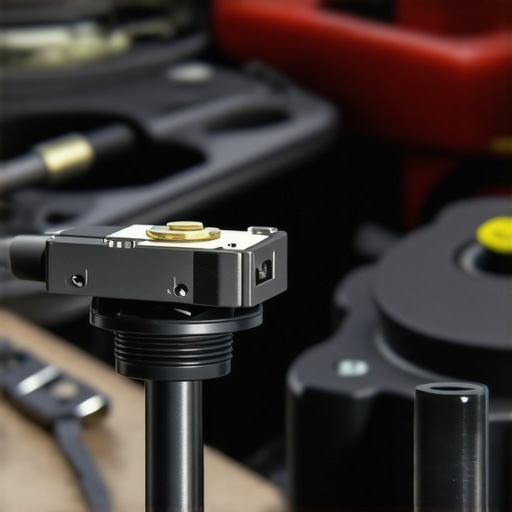
After countless hours of research and trial-and-error in my own garage, I discovered that many engine surges are linked to a simple, often overlooked culprit: the sensor responsible for monitoring your engine’s airflow. A quick clean of this sensor can restore smooth, stable idling and save you a hefty repair bill. Believe me, I’ve been there, thinking I needed expensive repairs, only to realize that a basic sensor maintenance was all it took.
Faced skepticism? Here’s why I didn’t believe it at first
Early on, I made the mistake of assuming that engine surging was always caused by complex issues like dirty fuel injectors or faulty valves. It wasn’t until I cleaned a tiny component called the MAF sensor and saw immediate results that I understood how a simple sensor issue could cause such disruptive surging. That realization was an eye-opener, and it shifted my approach to auto troubleshooting completely.
Studies show that irregular sensor readings can significantly impact engine performance, sometimes leading to surges, stalls, or even poor fuel economy. Regular sensor cleaning isn’t just a quick fix; it’s a proactive step to keep your engine running smoothly. If you’re tired of battling rough idling or stumbling when you’re idle, then stay tuned. We’re about to dive into the simple steps that can turn your engine from troublesome to reliable.
Need more tips on making your car last longer and avoid costly repairs? Check out how regular tune-ups extend your vehicle’s lifespan. Ready to eliminate that surging problem once and for all? Let’s get into the practical fixes that make a real difference!
,
Check and Clean Your Airflow Sensor
Start by locating the Mass Air Flow (MAF) sensor, which is usually positioned between the air filter and the throttle body. Disconnect the sensor’s electrical connector, then carefully remove it. Use a specialized MAF cleaner—avoid regular carb cleaner—as it is designed to dissolve dirt without damaging the delicate wires. Spray the cleaner on the sensor’s wires and housing, then let it dry completely before reinstalling. During one recent attempt, I accidentally touched the wires with a dirty cloth, causing additional issues. When I cleaned the sensor properly, my engine idled smoothly again, confirming how a simple cleaning can fix surging problems.
Inspect and Replace Your Intake Air Filter
A clogged air filter forces your engine to work harder, disrupting the air-fuel mixture and causing surges. Open the air filter compartment, remove the filter, and inspect it visually. If it’s dirty, dusty, or torn, replace it with a fresh one. It’s a quick task that pays off—last weekend, I swapped mine out in less than five minutes, and my engine ran noticeably better. Remember, a clean air filter also enhances fuel efficiency and engine longevity.
Test and Reset Your Throttle Body
The throttle body controls how much air enters your engine, and dirt buildup can hinder its operation. Use a throttle body cleaner spray to loosen and remove grime from the throttle plate and surrounding areas. After cleaning, start your vehicle and gently press the accelerator pedal to disengage the idle control. To reset the throttle body memory, turn off the engine, wait a few seconds, then restart. I once tried this after experiencing rough idle; the surging ceased immediately, and the engine felt more responsive. Regular throttle body cleaning prevents buildup that causes idle fluctuations.
Examine Your Spark Plugs and Ignition System
Worn or fouled spark plugs can cause misfires and irregular engine behavior. Remove a spark plug and inspect its electrode for signs of fouling, wear, or damage. Replace if necessary using the correct gap size. During a recent tune-up for my old Honda, replacing worn spark plugs eliminated surging at idle. Also, check ignition wires and coil packs for cracks or corrosion. Maintaining a strong ignition system ensures a cleaner burn and smoother engine operation.
Verify Fuel System Cleanliness
Clogged fuel injectors or a dirty fuel filter can lead to inconsistent fuel delivery, resulting in surges. Use a fuel injector cleaning additive—available at most auto parts stores—and add it to a full tank. For more stubborn issues, consider professional cleaning or replacing the fuel filter. I once used a cleaner, and within a tankful, my engine ran steadier than it had in months. Proper fuel system maintenance is crucial for steady idling.
Monitor and Adjust Idle Settings
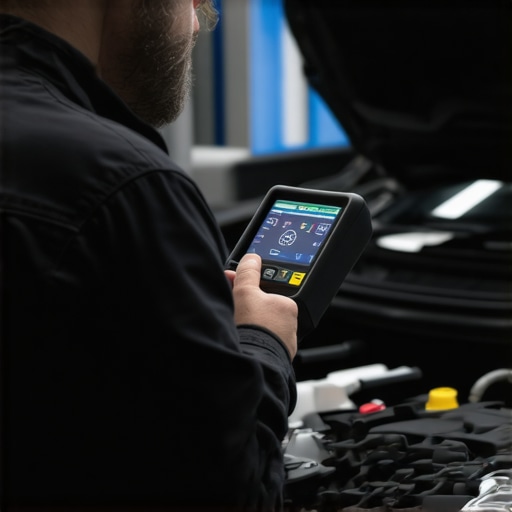
If your vehicle has an adjustable idle speed, consult your owner’s manual on how to set it correctly. Some modern cars automatically regulate idle via the engine control unit (ECU), but others require manual adjustment. Use a reverse-engineered scan tool or visit a mechanic if needed. In my case, using a basic code scanner helped identify errors, and recalibrating the idle speed resolved the surging problem. Keeping idle settings in check prevents rough starts and stalls.
Many car owners approach auto repair with a mix of assumptions and misconceptions, often relying on myths that can lead to costly mistakes. One widespread myth is that replacing parts at the first sign of trouble always guarantees a fix. However, skilled technicians understand that diagnosing the root cause requires careful analysis beyond just swapping components, as superficial fixes can mask underlying issues like fluid leaks or sensor failures. For instance, simply replacing a transmission fluid filter without addressing internal wear won’t resolve shifting problems; it’s essential to consider the transmission’s overall health, which might involve an overhaul, as explained here.
Another misconception revolves around routine maintenance schedules. While regular oil changes are vital, rigid adherence without considering specific driving habits or local conditions can be overkill or insufficient. Advanced auto shops know that factors such as climate, frequent short trips, or towing load influence service intervals. Skipping nuanced inspections might neglect critical components like suspension bushings or cooling systems that degrade faster under certain conditions.
Now, for a deeper dive—
Why do some auto repairs seem ineffective despite following all DIY guides?
Many enthusiasts overlook essential steps such as resetting the vehicle’s computer after repairs, which can lead to persistent issues even after component replacement. Modern cars often rely on sensors and electronic control units (ECUs), which need to be recalibrated to recognize new parts properly. Failing to do so can result in lingering symptoms like rough idling or poor acceleration. A professional reprogramming ensures adjustments are correctly applied, maximizing repair longevity and efficiency. This nuance is often missed by amateurs but is crucial for the full recovery of your vehicle’s performance.
Recognizing that not all repair advice is equal is fundamental. Consulting trusted sources and experienced technicians saves money and prevents frustration. For detailed guidance on key preventative measures, check out how regular tune-ups extend your vehicle’s lifespan. Have you ever fallen into this trap? Let me know in the comments.
Investing in Reliable Tools for Long-Term Maintenance
When it comes to maintaining your vehicle, having the right tools is crucial. I personally swear by a high-quality code scanner, like the Autel MaxiScanner, which allows me to read and reset engine trouble codes quickly. This device not only helps diagnose issues early but also saves time and money before problems escalate. Additionally, a digital multimeter is indispensable for checking battery health and electrical connections accurately, reducing guesswork in troubleshooting.
Beyond basic equipment, consider investing in a professional-grade fluid exchange system for transmission and coolant services. While many DIY enthusiasts avoid hefty upfront costs, maintaining clean fluids with specialized tools extends the lifespan of critical components. For example, regular transmission fluid swaps with a dedicated pump can prevent shuddering and costly overhaul—more on that later in this guide on transmission fluid refresh.
What if I don’t have expert-level tools? A solution I highly recommend is attending a local automotive workshop or utilizing advanced diagnostic services at a trusted garage periodically. This helps ensure all aspects of your vehicle are inspected thoroughly, from sensors to internal components, which often go unnoticed during casual inspections.
Adjusting your maintenance approach as your vehicle ages is essential. For instance, using a borescope allows you to inspect internal engine parts without major disassembly, spotting wear or debris early. The trend in auto care is moving toward integrating sophisticated diagnostic tools into home garages—making maintenance more accessible and less expensive in the long run.
How to Maintain Your Car’s Performance Over Time
Establish a regular inspection schedule that includes fluid checks, sensor cleaning, and visual assessments of belts and hoses. Setting reminders to perform these checks can prevent typical failures like transmission shudder or engine surges. Remember, proactive care not only ensures safety but also preserves resale value. A comprehensive maintenance plan, combined with the right equipment, paves the way for a longer-lasting vehicle.
Looking ahead, the future of auto maintenance points toward smarter tools that connect via apps to monitor your car’s health remotely. This technology will empower owners to catch issues before they become severe, aligning perfectly with the ongoing trend of digital automotive diagnostics.
If you’re interested in deepening your understanding, check out how regular tune-ups extend vehicle lifespan. Try starting with a detailed inspection of your transmission cooling system using a specialized fluid pump—an investment that pays dividends in smoother shifting and fewer repairs.
3 Unexpected Truths I Learned About Auto Repair That Saved Me Thousands
- Sometimes, the most minor components, like a dirty MAF sensor, can cause big headaches—reminding me to always start with the simplest checks before diving into costly repairs.
- Resetting the vehicle’s ECU after repairs is crucial; I once replaced a sensor without resetting the system, and the surging problem persisted—directly impacting performance and longevity.
- Investing in quality diagnostic tools can pay for itself quickly, helping me identify and fix issues early rather than chasing ghost problems that drain my wallet.
Tools and Resources That Transformed My Maintenance Routine
- AutoEnginuity Scan Tool: Trusted because it provides comprehensive diagnostics and reprogramming options, avoiding guesswork during complex repairs.
- DIY Car Maintenance Guides on Collision Fixer’s website: These detailed resources helped me understand the importance of sensor cleaning, throttle body maintenance, and more, empowering me to save money.
- Professional workshops and webinars: Learning from experts deepened my understanding of modern vehicle electronics, making me more confident during repairs and tune-ups.
Your Next Move Toward Reliable Car Performance
Remember, the key to a smooth-running vehicle isn’t always about replacing big parts. Sometimes, a simple sensor cleaning or system reset makes all the difference. Take action today to start diagnosing your car with patience and the right tools—your wallet and your peace of mind will thank you. And if you’re curious, share your experiences or ask for tips below—I’m here to help you keep your car in top shape!